
Machine recipe changes in dual-source potting should never be treated as casual production adjustments. If a recipe change affects pump calibration, pressure limits, mix ratio, static mixer, vacuum, heating, purge interval, or cure profile, it can change how the material is dispensed, mixed, cured, inspected, and traced.
- Question answered: What approval workflow should buyers use for machine recipe changes in dual-source potting?
- Best for: process engineers, supplier quality engineers, production managers, purchasing managers, EV battery teams, PCB assembly plants, LED driver manufacturers, automotive sensor suppliers, and contract manufacturers running epoxy, silicone, PU, TIM, or two-part resin potting lines.
- Direct answer: Buyers should use a controlled approval workflow: submit a recipe change request, classify risk, compare source A and source B material impact, define validation evidence, approve by engineering and quality, lock the new recipe revision, verify first-piece output, monitor the first production lot, and archive the old recipe. Critical recipe changes should not be released by operators alone.
- Buyer readiness: L4 RFQ Ready to L5 Deployment
- Next step: Build a recipe change approval matrix before scaling dual-source material production.
Industrial Context and Buyer Readiness
| Context | Details |
|---|---|
| Topic cluster | Dual-Source Management; Machine Recipe Control; Recipe Change Approval; Process Validation; Production Release |
| Buyer readiness level | L4 RFQ Ready to L5 Deployment |
| Application scenario | EV battery potting, PCB encapsulation, LED driver potting, automotive sensor sealing, power electronics, connector sealing, TIM dispensing, and industrial adhesive production |
| Material scope | epoxy, silicone, polyurethane, thermal interface material, UV adhesive, underfill, low-viscosity encapsulant, high-viscosity gap filler, resin part A, and hardener part B |
| Process scope | recipe change request, risk classification, validation evidence, engineering approval, quality approval, first-piece check, production release, and revision archive |
| Equipment scope | dispensing machine, potting machine, 2K meter mix system, metering pump, valve, static mixer, vacuum system, heater, tank, cure station, and automated production cell |
| Defect or risk focus | wrong recipe, uncontrolled parameter change, ratio drift, pressure movement, dispense weight error, bubbles, voids, poor cure, and missing traceability |
| Production goal | make recipe changes traceable, validated, approved, and operator-proof before production use |
Entity Map for This Topic
| Entity group | Relevant entities |
|---|---|
| Recipe entities | recipe change request, machine recipe, source-specific recipe, recipe revision, recipe lock, old recipe archive, setup sheet |
| Approval entities | process engineering approval, quality approval, production release, deviation, waiver, change record, validation report |
| Parameter entities | pump calibration, pressure limit, mix ratio, shot size, dispensing speed, mixer length, vacuum level, heating temperature, purge interval, cure profile |
| Material entities | epoxy, silicone, polyurethane, TIM, UV adhesive, resin, hardener, filler, catalyst, primer, cleaning material |
| Measurement entities | viscosity, density, pot life, gel time, pressure, dispense weight, bead width, bubbles, hardness, adhesion, thermal conductivity, dielectric strength |
| Validation entities | first-piece inspection, focused trial, partial revalidation, full revalidation, first-lot monitoring, engineering sign-off |
Contents
- Direct answer
- Recipe change approval workflow
- Risk levels for recipe changes
- Approval matrix
- Validation evidence
- Application scenario matrix
- Production release control
- FAQ
Direct Answer: What Workflow Should Buyers Use?
Buyers should use a seven-step approval workflow: request the change, classify risk, check material-source impact, define validation evidence, approve by engineering and quality, lock and release the new recipe revision, then verify first-piece and first-lot production output. The old recipe should be archived, not left available for casual selection.
The workflow should be stricter when the machine recipe is source-specific. If source A and source B need different pressure limits, pump calibration, mixer selection, purge interval, or cure profile, a recipe change may affect only one source or may affect both. The approval record should show which material source and lot range the recipe applies to.
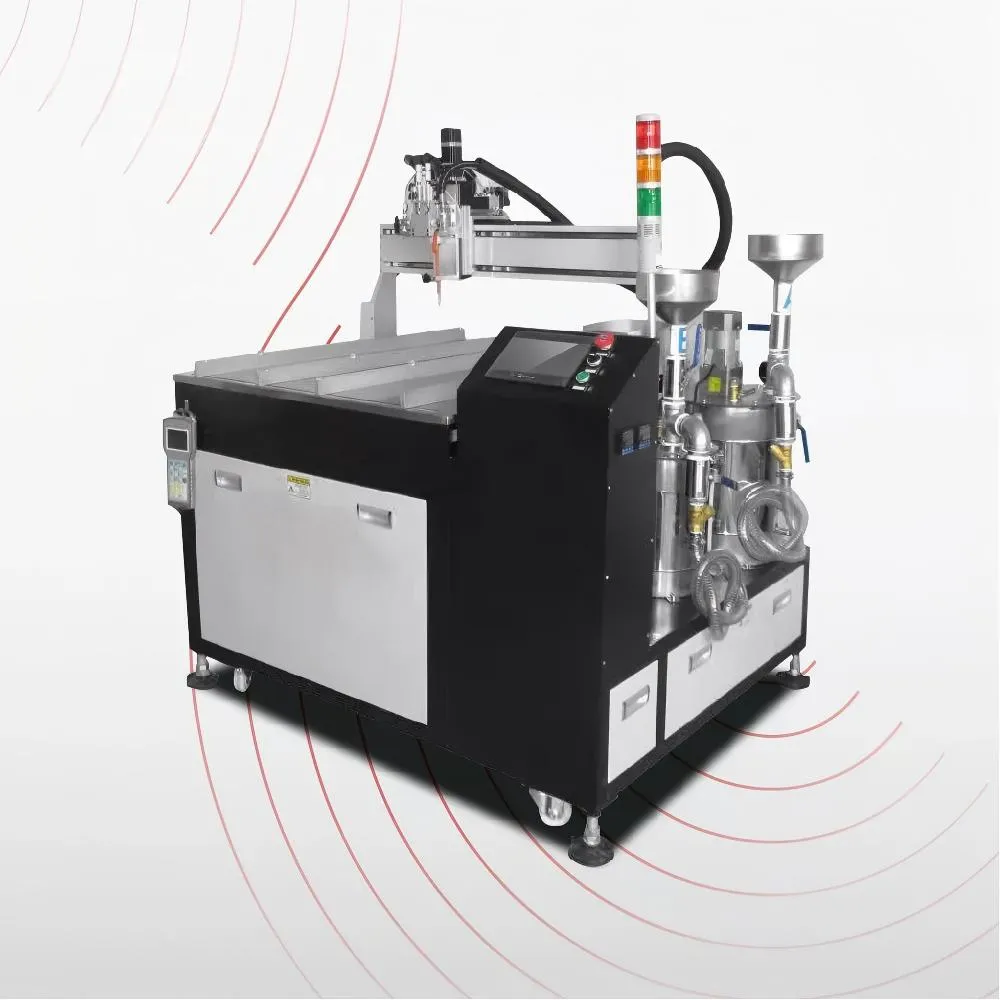
Recipe Change Approval Workflow
A practical workflow should make it clear who can request a change, who investigates it, what evidence is needed, and when production can use the revised recipe.
| Step | Owner | Required output | Why it matters |
|---|---|---|---|
| 1. Change request | Production, engineering, quality, or supplier quality | Reason, affected recipe, material source, lot, product, and symptom | Prevents undocumented parameter edits |
| 2. Risk classification | Process engineering with quality | Low, medium, high, or critical risk level | Matches validation effort to production risk |
| 3. Source impact review | Process engineering and supplier quality | Whether change affects source A, source B, both, or only one lot | Prevents applying one source’s correction to the wrong source |
| 4. Evidence plan | Engineering | First-piece, focused trial, partial revalidation, or full revalidation plan | Defines proof before production release |
| 5. Approval | Engineering, quality, and production owner | Signed or electronically approved recipe revision | Confirms the change is not only a production shortcut |
| 6. Recipe release | Engineering or system administrator | Locked recipe, old recipe archived, operator instruction updated | Reduces wrong-recipe and obsolete-recipe risk |
| 7. Production verification | Production and quality | First-piece check, first-lot monitoring, defect trend review | Confirms the change works under real production conditions |
This workflow builds on the recipe-control rules described in how to control source-specific machine recipes for dual-source potting materials.
Risk Levels for Machine Recipe Changes
Not every recipe edit requires the same approval level. A display-name correction is not the same as a mix ratio change. Buyers should define risk levels before operators start asking for quick changes during production.
| Risk level | Example recipe change | Minimum approval | Validation evidence |
|---|---|---|---|
| Low | Recipe name clarification, non-critical note, display order | Engineering or document owner | Record review only |
| Medium | Minor pressure warning adjustment inside validated range | Engineering plus quality awareness | Trend review and first-piece check |
| High | Shot size, dispense speed, nozzle, mixer, vacuum, purge interval, or source-specific pressure limit | Engineering and quality approval | Focused trial or partial revalidation |
| Critical | Mix ratio, pump calibration, cure profile, source equivalence assumption, or recipe logic affecting final reliability | Engineering, quality, production, and management/customer review if required | Partial or full revalidation with production release record |
For trigger logic after KPI movement, see when KPI trends should trigger revalidation for dual-source potting materials.

Approval Matrix for Common Recipe Changes
The table below shows how buyers can decide approval depth. Exact rules should match the product risk, customer requirements, and internal quality system.
| Recipe change | Potential impact | Who should approve? | Evidence before release |
|---|---|---|---|
| Pump calibration factor | Dispense weight, mix ratio, shot accuracy | Process engineering and quality | Calibration record, weight check, ratio verification |
| Mix ratio | Cure, hardness, adhesion, thermal/electrical performance | Engineering, quality, and production owner | Trial run, cured sample, functional checks where required |
| Pressure warning or stop limit | Hidden viscosity drift, blockage, equipment stress | Engineering with quality review if limit affects release | Pressure trend, COA review, first-piece output |
| Static mixer selection | Mix quality, pressure, pot life, cure result | Engineering and quality | Mixing trial, pressure trend, cured quality check |
| Needle or nozzle | Bead geometry, fill level, bubbles, cycle time | Engineering | First-piece inspection and fill quality check |
| Vacuum or degassing setting | Bubbles, voids, material handling | Engineering and quality for critical products | Bubble/void inspection and process record |
| Cure profile | Handling time, hardness, adhesion, final reliability | Engineering, quality, production, and customer if required | Cure validation, sample inspection, release record |
| Recipe access permission | Wrong edits or wrong selection | Engineering or system owner plus quality awareness | Access list, training record, audit trail |
Validation Evidence Buyers Should Require
A recipe change should be approved with evidence, not because a trial looked acceptable for a few minutes. Evidence should match the risk level and show that the revised recipe is stable enough for the intended production use.
| Evidence type | What to capture | When it is most useful |
|---|---|---|
| First-piece inspection | Dispense weight, bead shape, fill level, bubbles, pressure, operator confirmation | Medium and high changes before batch release |
| Focused trial | Defined sample quantity under controlled source, lot, recipe, and machine condition | High changes limited to one parameter or source |
| Partial revalidation | Process challenge around affected parameter, including cured result if needed | Changes to mixer, nozzle, vacuum, pressure, or recipe logic |
| Full revalidation | Broader process and product evidence against approved requirements | Mix ratio, cure profile, source equivalence, or critical product performance changes |
| First-lot monitoring | Pressure trend, weight trend, defects, cure result, rework, downtime | After releasing a new recipe revision to production |
| Revision record | Old value, new value, reason, approver, date, affected source, affected product | Every recipe change |
FDA process validation guidance emphasizes that process knowledge and evidence should support commercial manufacturing control. For industrial potting, the same practical thinking applies: changes to critical process settings need evidence before scale-up.
Application Scenario Matrix
The same recipe change can have different risk depending on application. Recipe changes in EV battery potting or automotive sensor sealing usually need stronger evidence than low-risk adhesive assembly.
| Application | High-risk recipe change | Evidence to require | Why it matters |
|---|---|---|---|
| EV battery potting | Mix ratio, thermal material recipe, pressure, vacuum, cure profile | Thermal/cure check, void inspection, pressure trend, first-lot monitoring | Potting can affect heat transfer, insulation, and module reliability |
| PCB encapsulation | Dispense speed, nozzle, vacuum, flow path, cure condition | Bubble check, fill inspection, cured sample, electrical/functional check if needed | Hidden voids can affect insulation and reliability |
| LED driver potting | Cure profile, fill amount, thermal material settings | Hardness, shrinkage, thermal reference, visual quality | Heat and insulation performance depend on stable cured material |
| Automotive sensor sealing | Bead geometry, adhesion-related settings, source-specific recipe change | Adhesion or seal inspection, lot traceability, first-lot monitoring | Field exposure makes uncontrolled recipe changes high risk |
| Industrial adhesive assembly | Bead size, open time, nozzle, dispensing speed | Bead inspection, bond-line check, working-life confirmation | Risk depends on product criticality and rework cost |
Production Release Control
The recipe change is not finished when the file is edited. Production release should confirm that the correct recipe is available, the old recipe is archived, operators know the change, and quality can trace the first lots made under the new revision.
| Release item | Check before production | Record to keep |
|---|---|---|
| Recipe revision | New revision number and approval status are clear | Recipe change record |
| Old recipe control | Obsolete recipe is hidden, archived, or blocked | Archive log or system screenshot |
| Material source link | Recipe matches approved source, lot, and application | Source-lot-recipe traceability record |
| Operator instruction | Work instruction, setup sheet, or HMI note updated | Training or shift-briefing record |
| First-piece check | Weight, bead, pressure, bubbles, cure or fill result pass | First-piece inspection record |
| First-lot monitoring | Trend data reviewed after release | First-lot monitoring report |
Decision Layer: When Should a Recipe Change Be Rejected?
Buyers should reject or delay a machine recipe change when the change hides a supplier problem, bypasses a process alarm, lacks validation evidence, or creates untraceable production risk.
| Situation | Decision | Reason |
|---|---|---|
| Pressure limit raised only to stop alarms | Reject until viscosity, mixer, and material source are reviewed | The alarm may be warning of material drift or blockage |
| Operator requests faster speed to meet output | Require engineering trial before release | Speed can affect bead, fill, bubbles, and accuracy |
| Source B needs different settings but no source-specific recipe exists | Create controlled recipe before scaling production | Manual adjustment is not reliable process control |
| Mix ratio change lacks cured sample evidence | Reject or hold production release | Ratio affects cure and final performance |
| Old recipe remains available after release | Delay release until obsolete recipe is controlled | Wrong-recipe selection risk remains open |
How OBO Precision Supports Recipe Change Control
When OBO Precision reviews a recipe change request, we look at the material source, COA data, viscosity, mix ratio, pot life, pressure trend, dispense weight, static mixer behavior, bubbles, cure profile, application drawing, production volume, and defect history. The goal is to decide whether the change is a small setup adjustment or a true process validation issue.
For dual-source materials, we also check whether the change applies to source A, source B, or both. If only one source needs the change, the machine should support clear recipe separation, access control, and traceable production records.
Recommended Internal Links for This Topic
- How to control source-specific machine recipes for dual-source potting materials
- When KPI trends should trigger revalidation for dual-source potting materials
- What KPIs to track for dual-source potting material suppliers
- How to manage dual-source potting materials without process drift
- Complete guide to material approval for dispensing and potting projects
External References Used
This article adapts documented-information, process-control, and process-validation principles to industrial dispensing and potting recipe changes. Useful references include:
- ISO guidance on documented information
- FDA process validation general principles and practices
- 21 CFR Part 820 quality management system regulation
- NIST manufacturing resources
FAQ
What approval workflow should buyers use for machine recipe changes in dual-source potting?
Buyers should use a workflow that logs the change request, classifies risk, checks source impact, defines validation evidence, obtains engineering and quality approval, locks the revised recipe, verifies first-piece output, monitors the first lot, and archives obsolete recipes.
Which recipe changes require engineering approval?
Changes to pump calibration, mix ratio, pressure limits, shot size, dispensing speed, static mixer, nozzle, vacuum, heating, purge interval, cure profile, or source-specific recipe logic should require engineering review.
Can operators adjust recipe parameters during production?
Operators may adjust only parameters allowed by the approved work instruction. Critical parameters should be locked and controlled by engineering, with quality review when product quality or validated process settings may be affected.
When does a recipe change require revalidation?
Revalidation is needed when the change affects a validated process assumption, final product quality, source equivalence, mix ratio, cure profile, material-machine behavior, or critical customer requirement.
Should old recipes remain available?
No. Obsolete recipes should be archived, hidden, or blocked from normal use. Keeping old recipes available creates wrong-recipe selection risk.
Who should approve production release after a recipe change?
Process engineering and quality should approve the change. Production should confirm setup readiness, and supplier quality may join when the change is related to material source or supplier variation.
How can OBO Precision help?
OBO Precision can review material data, recipe parameters, pressure trends, dispense weight, source-switching records, and validation evidence to recommend whether a recipe change is safe for production release.
Get Engineering Support Before Releasing Recipe Changes
If you are changing machine recipes for dual-source potting materials, OBO Precision can help review whether the change affects dispensing accuracy, mix ratio, pressure, bubbles, cure, or final reliability. Send your material TDS, SDS, COA examples, recipe parameters, target dispense amount, pressure trend, application drawing, and production plan. Our engineering team will recommend a practical dispensing or potting solution for your application.
Related audit-trail step: After approving recipe changes, buyers can use What Audit Trail Should Buyers Keep for Machine Recipe Changes in Dual-Source Potting? to make recipe history, affected lots, validation evidence, and production release traceable.
Related training-control topic: What Training Records Should Buyers Keep After Machine Recipe Changes in Dual-Source Potting? explains what operator, inspector, maintenance, and shift-handover records buyers should keep after recipe changes.
Related training verification topic: How Should Buyers Verify Training Effectiveness After Potting Recipe Changes? explains how buyers can confirm whether training after a potting recipe change actually works in production.
Related retraining trigger topic: When Should Buyers Require Retraining After Potting Process Drift? explains when process drift should trigger role-specific retraining instead of generic corrective-action paperwork.
Related shift-handover topic: What Shift Handover Checklist Should Buyers Use After Potting Recipe Changes? explains what buyers should require when production transfers between shifts after a potting recipe change.
Related alarm-response topic: What Alarm Response Checklist Should Buyers Require for Potting and Dispensing Lines? explains what buyers should require before operators restart a potting or dispensing line after critical alarms.
Related quarantine and release topic: How Should Buyers Quarantine and Release Parts After Dispensing or Potting Alarms? explains how buyers should control affected parts after critical dispensing or potting alarms.
Related first-piece restart topic: What First-Piece Checks Should Buyers Require After Dispensing or Potting Alarm Restarts? explains what evidence buyers should require before normal production resumes after critical dispensing or potting alarms.
Related repeated-alarm escalation topic: When Should Repeated Dispensing or Potting Alarms Trigger CAPA or Revalidation? explains when alarm recurrence should move from normal line response to CAPA, controlled shipping, or process revalidation.
Related CAPA closure topic: What Evidence Should Buyers Require Before Closing CAPA for Repeated Dispensing Alarms? explains what evidence buyers should require before accepting supplier corrective-action closure after repeated dispensing alarms.
Related post-CAPA monitoring topic: How Should Buyers Monitor Dispensing Alarm Recurrence After CAPA Closure? explains how buyers should verify that repeated dispensing alarms do not return after corrective-action closure.
Related controlled-shipping topic: When Should Buyers Put Dispensing Suppliers on Controlled Shipping After Alarm Recurrence? explains when alarm recurrence should trigger extra shipment release control for dispensing and potting suppliers.
Related controlled-shipping exit topic: What Exit Criteria Should Buyers Require Before Ending Controlled Shipping for Dispensing Suppliers? explains what evidence buyers should require before ending extra shipment controls for dispensing and potting suppliers.
Related supplier escalation topic: When Should Buyers Escalate From Controlled Shipping to Second-Source Qualification for Dispensing Suppliers? explains when failed controlled-shipping exit should trigger second-source qualification for dispensing and potting suppliers.
Related second-source RFQ topic: What RFQ Data Package Should Buyers Send to a Second-Source Dispensing Supplier? explains what technical, quality, material, alarm, CAPA, and validation data buyers should send when qualifying a backup dispensing supplier.
Related second-source sample trial topic: What Sample Trial Plan Should Buyers Use for a Second-Source Dispensing Supplier? explains how buyers should plan sample quantity, material controls, process data, defect checks, and pilot approval before qualifying a backup dispensing supplier.
Related production validation step: After sample approval, buyers should also define a production validation run after a second-source dispensing trial before releasing volume to a second-source supplier.
Related launch control step: After production validation, buyers should define a launch control plan after second-source dispensing validation before releasing normal volume.
Related release decision: Buyers should also define when to exit launch control and release normal volume to a second-source dispensing supplier after early lots become stable.
Related post-launch monitoring step: After normal volume release, buyers should track a 30/60/90-day KPI monitoring plan for a second-source dispensing supplier before treating the supplier as fully routine.
Related KPI escalation guide: If post-launch KPI trends become unstable, buyers should define when KPI problems trigger CAPA, revalidation or volume reduction for a second-source dispensing supplier.