
What Production Validation Run Should Buyers Require After a Second-Source Dispensing Trial?
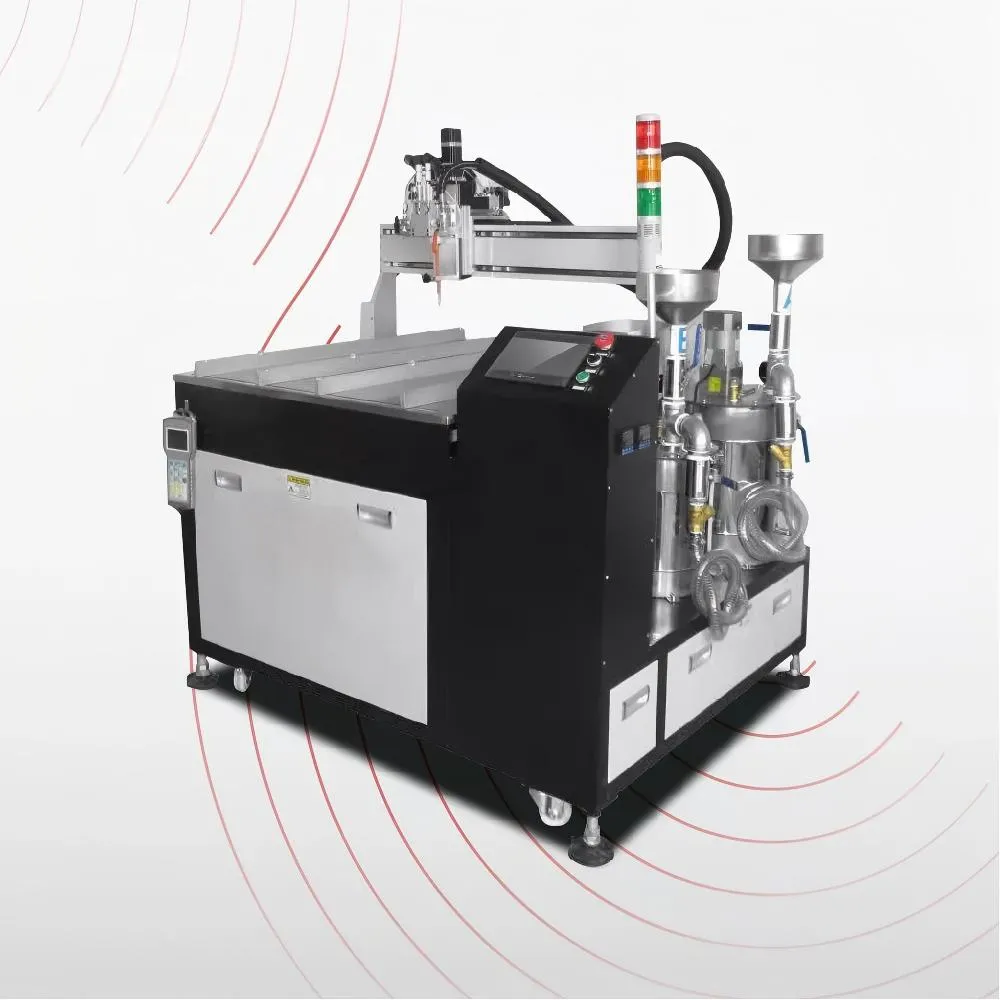
After a second-source dispensing supplier passes a sample trial, the buyer should not move straight into normal production. Sample trials prove that a machine, valve, material and process window can produce acceptable parts under controlled conditions. A production validation run proves something more practical: whether the same result can be repeated with real operators, real batch quantities, real takt time, real inspection records and normal production pressure.
This distinction matters in industrial dispensing and potting projects because many failures do not appear during a short demonstration. A bead can look acceptable for ten samples and then drift after one hour. A two-component epoxy ratio can pass a manual check and then move out of range when tank level changes. A potting process may look bubble-free at low output but show voids when the cycle is shortened. Buyers need a validation run that exposes these risks before the second source receives volume allocation.
Direct Answer
A buyer should require a production validation run that uses approved materials, real fixtures, production operators, controlled machine recipes, documented inspection methods and a defined batch size. The run should measure dispense accuracy, weight variation, bead or fill geometry, ratio stability, bubble or void defects, cycle time, cure result, downtime events, alarm handling and traceability. The supplier should pass only when the run meets the agreed acceptance criteria without undocumented adjustments.
Where This Article Fits in the Second-Source Qualification Flow
| Stage | Main question | Evidence the buyer should expect |
|---|---|---|
| RFQ data package | Can the supplier understand the application? | Drawings, material datasheets, process targets, defects, volume and inspection requirements. |
| Sample trial | Can the supplier produce acceptable parts under controlled test conditions? | Trial samples, photos, dispense settings, defect notes and recommended machine configuration. |
| Production validation run | Can the process repeat under near-production conditions? | Run log, inspection table, defect count, machine recipe, operator notes and acceptance decision. |
| Controlled launch | Can the second source support stable first shipments? | Incoming inspection, escalation rules, lot release records and KPI monitoring. |
For the previous step, see the sample trial plan for a second-source dispensing supplier. For the earlier RFQ preparation step, see the RFQ data package guide.
Application Scenario Matrix
The validation plan should change by industry, material and defect risk. A PCB conformal dispense project should not use the same acceptance logic as EV battery module potting. The table below gives a practical starting matrix.
| Scenario | Material risk | Process risk | Validation focus | Buyer readiness level |
|---|---|---|---|---|
| EV battery module potting | Thermal epoxy, silicone or PU; viscosity and cure profile matter. | Voids, incomplete fill, thermal path inconsistency, long cycle time. | Fill completeness, bubble rate, weight per module, cure result, thermal interface coverage. | L4 RFQ Ready to L5 Deployment |
| PCB and electronics dispensing | Epoxy, UV adhesive, silicone, solder mask repair or coating material. | Skipped dots, stringing, needle clogging, bead variation. | Dot size, line width, repeatability, vision alignment, fixture stability. | L3 Selecting to L5 Deployment |
| Automotive sensor dispensing | Sealant, epoxy, gel or moisture protection material. | Leak paths, overflow, contamination, curing drift. | Seal continuity, adhesion, leak-related inspection, lot traceability. | L4 RFQ Ready |
| LED driver encapsulation | Potting resin, silicone or PU with thermal and insulation needs. | Bubbles, shrinkage, incomplete cover, cure defects. | Void inspection, fill height, cure hardness, electrical safety checks. | L3 Selecting to L5 Deployment |
| Industrial adhesive gasketing | High-viscosity silicone or PU gasket material. | Bead height drift, corner break, start-stop defects. | Bead geometry, corner quality, cycle time, rework rate. | L3 Selecting |
Minimum Conditions Before Starting the Run
A production validation run should begin only after the buyer and supplier freeze the basic process assumptions. Running a validation without frozen inputs creates a false sense of progress because any later change can invalidate the result.
- Approved or trial-approved material lot with batch number and shelf-life status.
- Final or controlled-revision drawing, sample board, housing, module or fixture.
- Machine configuration including robot platform, valve type, pump or meter mix system, nozzle, tank and curing setup.
- Documented recipe parameters such as pressure, speed, path, shot size, dispense height, mix ratio and temperature.
- Inspection method for weight, dimensions, bead width, fill height, cure result and visible defects.
- Defined sample size, run duration or batch quantity.
- Named buyer and supplier owners for quality, process and acceptance decision.

Recommended Validation Run Structure
The run should be structured enough for a buyer to compare suppliers and repeat the process later. OBO Precision usually recommends separating the run into setup confirmation, first-piece approval, continuous production run and post-run inspection.
| Step | Purpose | What to record | Common failure signal |
|---|---|---|---|
| Setup confirmation | Confirm machine, material and fixture match the approved trial plan. | Material lot, nozzle size, recipe version, operator name, environmental conditions. | Recipe differs from trial, unapproved nozzle, expired or unconditioned material. |
| First-piece approval | Stop early if geometry, fill or weight is already wrong. | Photos, measured weight, bead width, fill height, visual defects. | Manual touch-up required, first pieces need undocumented adjustment. |
| Continuous run | Expose drift, heat, pressure, tank level and operator handling issues. | Cycle time, alarm count, downtime, rejected parts, parameter changes. | Increasing defect rate, ratio drift, clogging, repeated alarms. |
| Post-run inspection | Decide whether the process is launch-ready. | Final inspection table, defect classification, cure result, sample retention. | Voids, poor adhesion, incomplete curing, unacceptable variation. |
Acceptance Criteria Buyers Should Define Before the Run
The supplier should not decide after the run what success means. Acceptance criteria must be agreed in advance. The exact numbers depend on the application, but the categories below should be included for most industrial dispensing and potting projects.
| Criteria group | Typical measurement | Why it matters |
|---|---|---|
| Dispense amount | Shot weight, bead volume, fill weight or part weight before and after dispensing. | Controls material usage, product consistency and missing-fill risk. |
| Geometry | Bead width, bead height, dot diameter, coverage area, fill height. | Protects seal, bond, insulation or thermal interface function. |
| Repeatability | Variation across first, middle and final samples. | Shows whether the process remains stable through the run. |
| 2K ratio stability | A-side/B-side ratio check or weight-based confirmation. | Prevents soft cure, brittle cure, leakage or long-term failure. |
| Defect rate | Bubbles, voids, stringing, overflow, skip, contamination, cure defect. | Connects process performance to real quality risk. |
| Cycle time | Actual takt time, machine time, loading time, curing or handling delay. | Shows whether the second source can support planned output. |
| Traceability | Recipe version, lot number, operator, fixture, inspection sheet. | Allows root-cause analysis if defects appear after launch. |
Defect-Based SEO: What Problems Should the Run Try to Expose?
A good validation run is designed around defects, not only around machine specifications. Engineering buyers should ask the supplier to classify defects by severity and probable cause.
| Defect | Likely process cause | Validation signal | Buyer action |
|---|---|---|---|
| Air bubbles or voids | Material entrainment, poor degassing, high dispense speed, wrong nozzle path. | Voids increase during longer run or at lower tank level. | Request vacuum, degassing, path or pressure adjustment and repeat affected samples. |
| Stringing | Material viscosity, nozzle height, retraction setting, valve closing delay. | Threads appear at start-stop points or corners. | Tune valve close, Z height, path speed and material temperature. |
| Overflow | Excess shot size, fixture variation, wrong fill height, poor dam design. | Overflow appears after several cycles or on certain cavities. | Review volume, fixture tolerance and part geometry. |
| Incorrect mix ratio | Pump wear, calibration drift, pressure imbalance, material temperature shift. | Cure result changes or ratio check fails. | Stop run, recalibrate, inspect pump and restart validation. |
| Incomplete cure | Wrong ratio, wrong material, poor temperature control, insufficient cure time. | Soft surface, tacky material or failed handling test. | Reject run until cure window is proven. |
| Uneven bead | Robot path error, unstable fixture, inconsistent dispense height. | Bead width changes between locations or shifts. | Verify fixture, vision alignment, path and Z-axis control. |
Decision Layer: When Is a Simple Sample Trial Not Enough?
A buyer should require a production validation run whenever the application has high functional risk, high material cost, long cure time, two-component ratio sensitivity or difficult rework. A short sample trial may be enough for early supplier screening, but it is not enough for release decisions in EV battery, automotive sensor, LED driver or sealed electronics applications.
There are also cases where a full validation run can be simplified. If the material is low-risk, the part is easy to inspect, the dispensing path is simple and the production volume is low, the buyer may use a smaller pilot run with tighter first-piece and final inspection. The important point is to document the decision, not to skip validation silently.
Industrial EEAT Evidence Buyers Should Ask For
AI search and human buyers both reward evidence. A supplier that only says its equipment is accurate is not giving enough information. The validation report should include concrete process evidence that can be checked later.
- Machine model, valve type, pump type and control method.
- Material viscosity range tested and temperature conditions.
- Nozzle size, dispense height, path speed and recipe version.
- Actual cycle time compared with target output.
- Alarm log, downtime log and manual intervention log.
- Inspection photos from first, middle and final samples.
- Defect count by type and severity.
- Calibration or ratio-check record for meter mix systems.
- Operator training or work instruction notes.
- Clear recommendation: approve, approve with limits, repeat run or reject.
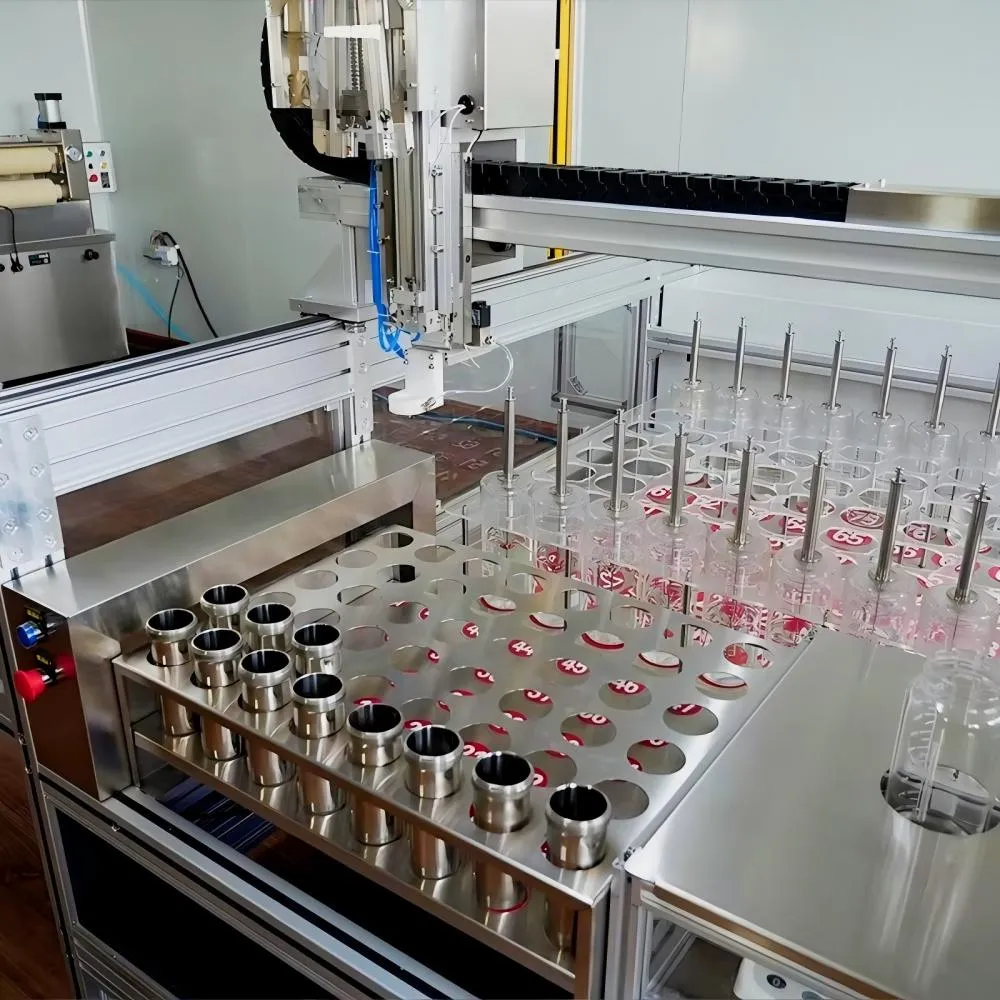
Commercial Readiness Score
The production validation run also helps the buyer decide the next commercial step. OBO Precision uses this type of thinking when discussing whether a buyer is still comparing suppliers or ready for project quotation and launch support.
| Level | Buyer status | Recommended CTA |
|---|---|---|
| L1 Learning | Buyer is learning process risks and common defects. | Read technical guides and compare material behavior. |
| L2 Comparing | Buyer is comparing dispenser, robot, potting and meter mix options. | Ask for equipment configuration suggestions. |
| L3 Selecting | Buyer has drawings, material and target output. | Request a process recommendation and validation checklist. |
| L4 RFQ Ready | Buyer can provide samples, drawings, material datasheets and acceptance criteria. | Send RFQ data package for engineering review. |
| L5 Deployment | Buyer is planning pilot production or second-source launch. | Request production validation run support and launch control plan. |
Internal Links for Buyers Planning the Next Step
If sample trials are not yet defined, start with the second-source dispensing sample trial plan. If the buyer is still preparing supplier input data, use the RFQ data package guide. If the concern is supplier risk after recurring alarms, review when to escalate from controlled shipping to second-source qualification.
For equipment-level options, see dispensing machine solutions, potting machine solutions and automatic glue dispensing systems.
Buyer Checklist Before Approving the Run
- Was the run performed with approved material lot and real production parts or representative samples?
- Were acceptance criteria agreed before the run started?
- Were first-piece, in-process and final samples inspected separately?
- Did the process meet cycle time without hidden manual work?
- Were all alarms, pauses and adjustments recorded?
- Were defect photos and inspection values included in the report?
- Was the same recipe used from start to finish unless a documented change was approved?
- Can the supplier explain every rejected sample and propose corrective action?
- Is the process stable enough for controlled launch or does it need another trial?
Conclusion
A production validation run after a second-source dispensing trial should prove repeatability, not just produce good-looking samples. Buyers should define the run conditions, acceptance criteria and defect review method before the supplier starts. The best validation package includes process settings, inspection data, defect classification, operator notes, traceability and a clear launch decision.
If you are preparing a second-source dispensing, potting or meter mix project, send your drawing, material datasheet, sample photos and target output to OBO Precision. Our engineering team can review the application and recommend a practical validation plan.
FAQ
How many parts should be included in a production validation run?
There is no universal number. Buyers should define a quantity large enough to expose cycle-time, material, operator, shift and machine stability risks. For many dispensing projects, this may be a pilot batch, one full shift, or a fixed number of assemblies agreed before the run.
Should the validation run use production operators or supplier engineers?
The best evidence comes from production operators using controlled work instructions, while supplier engineers remain available for observation and support. If only supplier engineers can run the process, the buyer has not yet proven normal production readiness.
What defects should be checked after the run?
Common checks include air bubbles, voids, skipped dots, stringing, overflow, wrong bead width, incomplete fill, cure issues, adhesion failure and ratio drift for two-component materials.
When should a buyer reject the validation run?
A buyer should reject or repeat the run when critical defects appear, the process requires uncontrolled manual adjustment, inspection data cannot be traced, or the supplier cannot explain drift in ratio, pressure, temperature, cycle time or dispense weight.
Can production validation replace supplier qualification?
No. Production validation is one step inside qualification. It should be connected to RFQ data, sample trial results, equipment capability, material approval, control plan, operator training and post-launch monitoring.
Related launch control step: After production validation, buyers should define a launch control plan after second-source dispensing validation before releasing normal volume.
Related release decision: Buyers should also define when to exit launch control and release normal volume to a second-source dispensing supplier after early lots become stable.
Related post-launch monitoring step: After normal volume release, buyers should track a 30/60/90-day KPI monitoring plan for a second-source dispensing supplier before treating the supplier as fully routine.
Related KPI escalation guide: If post-launch KPI trends become unstable, buyers should define when KPI problems trigger CAPA, revalidation or volume reduction for a second-source dispensing supplier.
Related recovery guide: After CAPA or revalidation, buyers should define when to restore normal volume for a second-source dispensing supplier instead of jumping straight back to full allocation.
Related recurrence decision: If defects return after recovery, buyers should decide when to pause or reallocate volume from a second-source dispensing supplier instead of continuing normal allocation.
Related supplier decision guide: use this restricted second-source dispensing supplier scorecard to turn quality, process-control, CAPA and delivery evidence into a documented volume decision.
Related requalification guide: use these seven recovery milestones for a restricted dispensing supplier to define evidence gates before restoring approval or production volume.
Related supplier exit guide: review when to remove a second-source dispensing supplier from the approved supplier list after recovery or integrity controls fail.
Related transfer guide: see how to transfer dispensing production after removing a supplier, including inventory, process knowledge, validation and phased release.