Buyer-type procurement is one of the biggest missing layers in industrial dispensing content. Many websites explain machines, materials, or defects well, but they do not explain how a distributor should buy differently from a hospital, a university, or an importer.
- Question answered: How should different buyer types procure industrial dispensing equipment without using the same generic checklist?
- Best for: distributors, hospital teams, research labs, diagnostic labs, universities, pharma/biotech teams, importers, and food testing labs comparing industrial dispensing suppliers.
- Direct answer: Different buyer types should evaluate dispensing equipment through different risk lenses. The right buying process depends on whether the priority is channel margin, contamination control, multi-user flexibility, documentation depth, import risk, or long-term validation stability.
- Buyer readiness: L1 Learning to L4 RFQ Ready
- Next step: Identify which buyer persona best matches your organization, then move into that buyer-type article before comparing suppliers.
Industrial Context and Buyer Readiness
This pillar organizes procurement content by buyer type so technical and commercial readers can move from general interest to the buyer-specific article that matches their real decision path.
| Context | Details |
|---|---|
| Topic cluster | Buyer-Type Procurement Cluster; Decision Layer Content; Industrial EEAT Content |
| Buyer readiness level | L1 Learning to L4 RFQ Ready |
| Application scenario | distributor line expansion, hospital workflows, research labs, diagnostic labs, universities, pharma/biotech operations, import-driven sourcing, food testing labs |
| Material scope | epoxy, silicone, polyurethane, UV adhesive, thermal materials, lab-scale fluids, controlled process materials |
| Process scope | buyer-type procurement, supplier evaluation, validation planning, lifecycle review, service comparison, role-specific RFQ preparation |
| Equipment scope | benchtop dispensers, automated dispensing systems, meter mix units, lab platforms, production platforms, valves and pumps |
| Defect or risk focus | wrong buying checklist, weak supplier fit, under-scoped validation, support gaps, contamination risk, lifecycle mismatch |
| Production goal | match the procurement method to the real buyer environment so the equipment can succeed after delivery |
Entity Map for This Topic
| Entity group | Details |
|---|---|
| Material entities | epoxy, silicone, polyurethane, UV adhesive, thermal materials, specialty process fluids |
| Process entities | supplier comparison, RFQ preparation, validation review, service planning, lifecycle planning, procurement governance |
| Equipment entities | dispensing machine, benchtop dispenser, robot, meter mix system, valve, pump, fixture |
| Industry entities | distribution, healthcare, research, diagnostics, universities, pharma, biotech, importing, food testing |
| Defect entities | wrong system fit, downtime, contamination risk, poor support, weak validation, spare-part gaps |
| Measurement entities | repeatability, service response, throughput, maintenance frequency, documentation depth, lifecycle cost |
Contents
- Direct answer
- Why this matters
- Application scenario matrix
- Engineering review points
- Decision layer
- Checklist
- FAQ
Buyer-Type Procurement Executive Summary
This pillar is the commercial entry point for buyers who need to choose industrial dispensing equipment based on operating context, not just machine category. It helps commercial teams, technical buyers, and cross-functional reviewers move toward the buyer-type article that matches their real approval path.
| Layer | What it does |
|---|---|
| Buyer-type layer | Maps procurement logic for distributors, hospitals, labs, universities, importers, and regulated teams. |
| Technical layer | Branches into materials, validation, defect, EV, PCB, and TIM content once the buyer context is clear. |
| Commercial layer | Improves RFQ quality by turning role-specific risk into better supplier questions. |
Buyer Segment Map
| Buyer segment | Main concern | Best next step |
|---|---|---|
| Distributor | channel economics, support burden, and product-line fit | Start with distributor supplier evaluation |
| Hospital | cleanliness, service response, documentation, and downtime risk | Start with hospital procurement |
| Research Lab / University | flexibility, repeatability, upgrade path, and shared usage | Start with research lab procurement |
| Diagnostic / Food Testing Lab | contamination control, SOP fit, traceability, and validation burden | Start with diagnostic lab procurement |
| Pharma / Biotech | material compatibility, cleanability, traceability, and qualification risk | Start with pharma / biotech procurement |
| Importer | shipment readiness, localization, FAT visibility, and customs risk | Start with importer procurement |
Recommended Reading Path
- If your first question is what kind of buyer are we?, use the buyer segment map above and enter the matching role-specific article.
- If your next question becomes what materials or chemistry risks matter most?, move into Materials or TIM.
- If your team is debating how to qualify the process before release, move into Validation.
- If the line is already running but unstable, branch into Defects.
- If the project is application-led, continue into EV Battery Potting or PCB and Electronics Dispensing.
Start Here
Most teams should not begin procurement by asking for a quote immediately. Start by identifying the real buyer environment, the approval burden, the downstream support risk, and the technical cluster that will matter after purchase.
Complete Guide to Buyer-Type Procurement for Industrial Dispensing Equipment
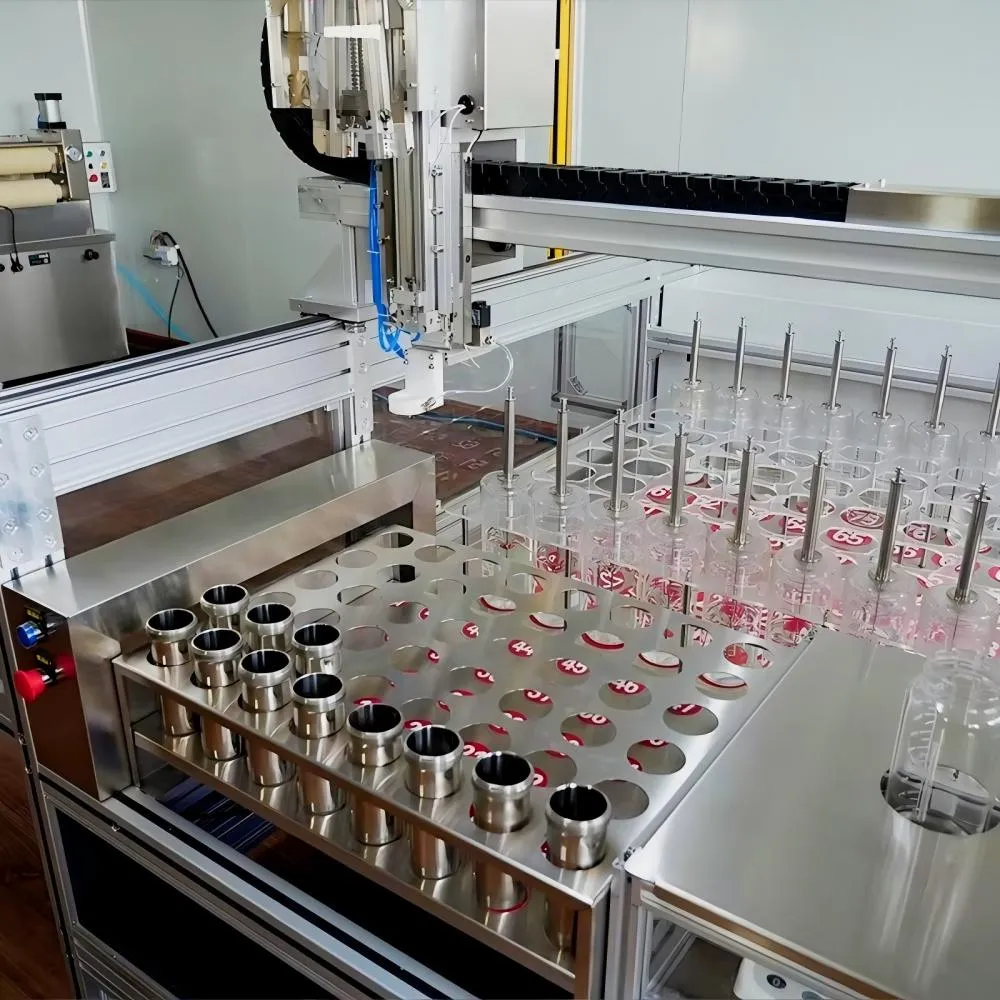
A distributor, a hospital, a research lab, and an importer do not buy dispensing equipment for the same reasons. Even when they evaluate the same platform, their real procurement questions are different. One may care about channel margin, another about contamination control, another about flexibility, and another about customs paperwork and shipment risk.
That is why buyer-type content is valuable. It helps the site answer not only what a machine does, but how a specific kind of buyer should decide whether that machine is a good fit in their own operating environment.
Why This Topic Matters in Real Production
Buyer-type procurement content captures search intent that technical product pages usually miss.
It also strengthens trust because it acknowledges that different organizations carry different operating risks after purchase.
For OBO Precision, this cluster can turn broad procurement traffic into more relevant inquiries and shorter solution discussions.
Main Buyer Types and Their Procurement Priorities
| Buyer type | Primary procurement priority | Typical hidden risk | Best next topic |
|---|---|---|---|
| Distributor | margin, product-line fit, and support burden | channel conflict or high after-sales cost | Distributor supplier evaluation |
| Hospital | cleanliness, service reliability, and documentation | workflow disruption or weak maintenance planning | Hospital procurement |
| Research Lab | flexibility and method-development fit | platform rigidity or weak repeatability | Research lab selection |
| Diagnostic Lab | accuracy, contamination control, and qualification | manual bottlenecks or weak audit support | Diagnostic lab procurement |
| University | durability, shared use, and training simplicity | underused complexity or poor multi-user fit | University procurement |
| Pharma / Biotech | traceability, cleanability, and validation | documentation gaps or material-path mismatch | Pharma/biotech procurement |
| Importer | shipment readiness, documents, and local fit | customs, packaging, or voltage mismatch | Importer evaluation |
| Food Testing Lab | cleanability, SOP discipline, and repeatability | maintenance friction or weak traceability | Food testing lab procurement |
This table is the fastest way to decide which buyer-type article should come next in the reading path.
Application Scenario Matrix
| Buyer context | Main buying goal | Typical risk | What to validate first |
|---|---|---|---|
| Channel buyer | sell and support a profitable product line | underestimated support burden | training and spares |
| Controlled healthcare or lab buyer | protect workflow stability | cleaning or documentation mismatch | qualification package |
| Flexible R&D buyer | support changing projects | platform rigidity | modularity and method fit |
| Regulated buyer | reduce approval friction | shallow supplier records | validation evidence |
| Cross-border buyer | avoid shipment and customs surprises | packaging or paperwork weakness | document set and FAT review |
A buyer-type lens helps procurement teams understand what kind of proof they really need before placing an order.
Engineering Review Points
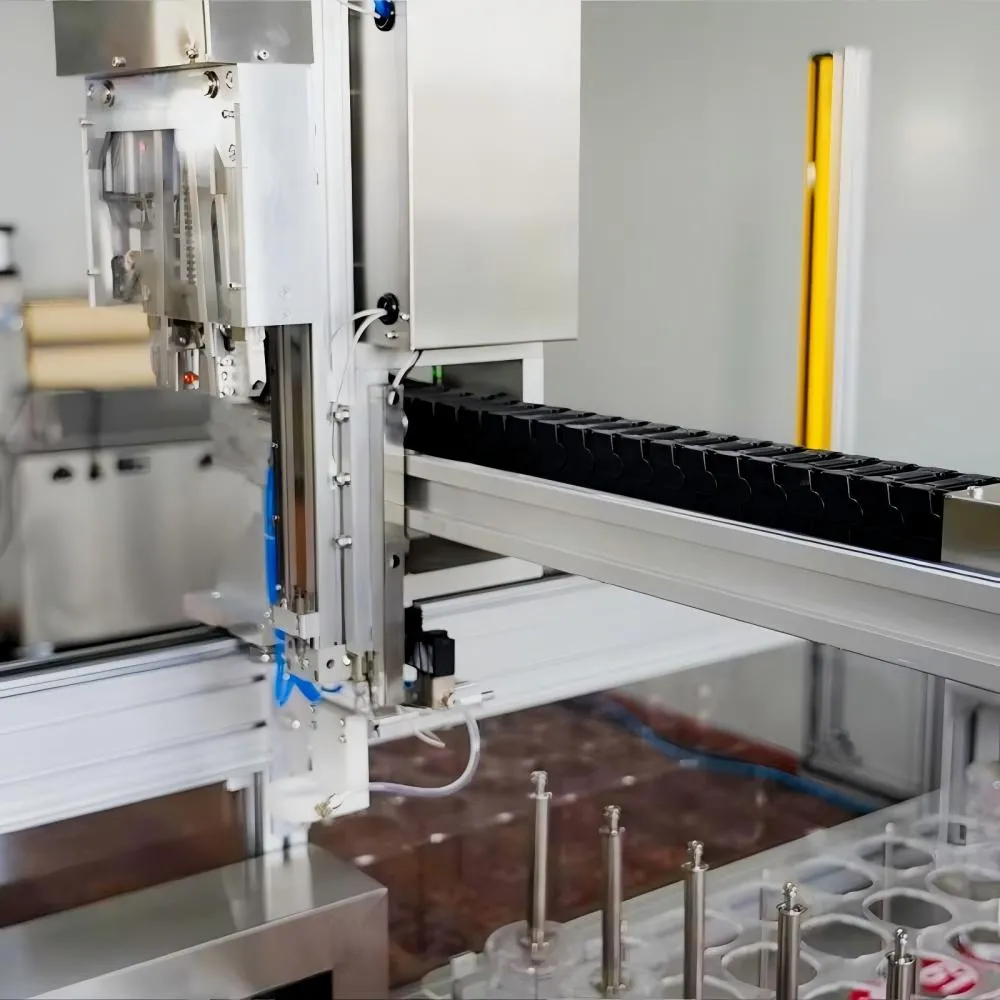
A useful procurement process should begin with buyer context, not with machine labels alone.
- Identify which buyer type most closely matches your real operating environment.
- List the post-purchase risks that matter most in that environment.
- Separate brochure features from the operational requirements that will decide long-term success.
- Use buyer-type content to prepare better supplier questions before requesting a quote.
- Compare standard and custom options through the lens of lifecycle risk, not only price.
- Connect the final procurement decision back into validation, maintenance, and support planning.
This buyer-type approach makes procurement more practical, more defensible, and easier to align across technical and commercial stakeholders.

Quantification Rules Engineers Should Watch
Procurement becomes much stronger when buyers describe their real environment in measurable terms rather than using broad preference language.
- required repeatability or dosing stability
- expected throughput or weekly usage volume
- number of operators or users
- service-response expectation
- required documentation depth
- cleaning or maintenance frequency
- budget range and lifecycle-cost tolerance
Those numbers make it much easier to compare which buyer-type article and which supplier recommendation fit the organization best.
Decision Layer: Material, Process, Equipment, or Procurement?
| If you see this | Most likely layer | Why | What to do next |
|---|---|---|---|
| The team keeps debating price vs fit | Procurement framing | buyer type may not be defined clearly enough | identify the dominant buyer context first |
| The supplier sounds capable but support answers are weak | Lifecycle risk | post-purchase burden may be under-scoped | compare buyer-type support questions |
| The application is specialized but the quote is generic | Application-fit risk | buyer needs are not being translated well | move into the persona-specific article |
| Documentation seems thin | Qualification risk | the wrong buyer-type checklist is being used | review the regulated or lab-focused articles |
| Cross-functional stakeholders disagree | Decision-layer mismatch | technical and commercial criteria are mixed together | use buyer-type logic to align the team |
The right procurement path becomes clearer once the organization stops pretending every buyer is the same buyer.
Checklist Before Choosing the Right Buyer-Type Path
| Checklist item | Why it matters |
|---|---|
| Define your buyer environment | Different operating contexts need different questions |
| List the real post-purchase risks | These often matter more than demo performance |
| Identify the likely validation burden | Some buyers need much deeper records |
| Map user skill and service expectations | Support requirements can reshape the best option |
| Choose the matching persona article before RFQ | Better reading order improves procurement quality |
| Use the persona article to prepare supplier questions | This shortens the path to a useful quote |
This framework helps turn a broad buying conversation into a more precise and useful procurement workflow.
Related OBO Precision Guides
- Guia completa de dosificacion y potting industrial en espanol
- Que debe revisar un importador antes de comprar equipos de dosificacion industrial
- Como elegir una maquina dosificadora industrial para adhesivos
- Complete Guide to Dispensing Process Validation for Mass Production
Buyer-Type Procurement Cluster Navigation
This buyer-type cluster helps distributors, hospitals, labs, universities, importers, and regulated teams move from generic interest into a procurement path that fits their real operating environment.
Cluster Hub Links
- Industrial Dispensing and Potting Knowledge Center
- Complete Guide to Dispensing and Potting Material Selection
- Complete Guide to Dispensing Process Validation for Mass Production
- Contact OBO Precision for a procurement review
Distributor
- How Should Distributors Evaluate Dispensing Machine Suppliers Before Adding a Product Line?
- What Margin, Support, and Territory Questions Should Distributors Ask Dispensing Equipment Manufacturers?
- How Should Distributors Prepare Technical Teams Before Selling Dispensing and Potting Systems?
- What Spare Parts and After-Sales Terms Matter Most for Dispensing Equipment Distributors?
- How Should Regional Distributors Forecast Demand for Industrial Dispensing Machines?
- When Should a Distributor Request Demo Units or Sample Projects From a Dispensing Supplier?
- How Should Distributors Compare Private Label vs Factory Brand Dispensing Equipment?
Hospital
- How Should Hospitals Procure Precision Dispensing Equipment for Medical and Lab Workflows?
- What Validation Documents Should Hospital Procurement Teams Request Before Buying Dispensing Equipment?
- How Should Hospitals Compare Benchtop vs Automated Dispensing Systems for Controlled Applications?
- What Cleanliness and Maintenance Standards Matter When Hospitals Buy Dispensing Equipment?
- How Should Hospital Buyers Review Service Response, Training, and Downtime Risk?
- When Should a Hospital Choose a Custom Dispensing Setup Instead of Standard Equipment?
Research Lab
- How Should Research Labs Choose Dispensing Equipment for R&D Workflows?
- What Flexibility Matters Most When a Research Lab Buys a Dispensing System?
- How Should Research Labs Compare Manual, Semi-Automatic, and Automated Dispensing Platforms?
- What Data, Repeatability, and Method-Development Features Should Research Labs Request?
- How Should Research Labs Plan Budget, Consumables, and Upgrade Paths for Dispensing Equipment?
- When Should a Research Lab Request a Custom Fixture or Valve Setup?
Diagnostic Lab
- How Should Diagnostic Labs Procure Precision Dispensing Equipment for Reagent and Consumable Work?
- What Accuracy and Repeatability Standards Should Diagnostic Labs Review Before Purchase?
- How Should Diagnostic Labs Reduce Contamination Risk When Buying Dispensing Equipment?
- What Qualification and Documentation Should Diagnostic Labs Request From a Dispensing Supplier?
- How Should Diagnostic Labs Compare Benchtop and Production-Scale Dispensing Equipment?
- When Should a Diagnostic Lab Upgrade From Manual Support to Automated Dispensing?
University
- How Should Universities Procure Dispensing Equipment for Teaching and Research Labs?
- What Balance of Cost, Flexibility, and Durability Should Universities Look For in Dispensing Equipment?
- How Should University Labs Compare Entry-Level and Advanced Dispensing Platforms?
- What Safety, Training, and Multi-User Controls Matter for University Dispensing Equipment?
- How Should Universities Plan Shared Lab Access and Maintenance for Dispensing Systems?
- When Should a University Choose Modular Dispensing Equipment for Future Research Expansion?
Pharma / Biotech
- How Should Pharma and Biotech Teams Procure Dispensing Equipment for Controlled Processes?
- What GMP-Oriented Questions Should Pharma Buyers Ask Dispensing Equipment Suppliers?
- How Should Biotech Teams Compare Single-Use, Cleanable, and Custom Dispensing Paths?
- What Validation, Traceability, and Documentation Matter Most for Pharma Dispensing Equipment?
- How Should Pharma and Biotech Buyers Evaluate Material Compatibility Before Purchase?
- When Should a Pharma or Biotech Team Request a Custom Dispensing Platform?
Importer
- How Should Importers Evaluate Industrial Dispensing Equipment Before Bringing It Into Local Markets?
- What Certifications and Shipping Documents Should Importers Request for Dispensing Machines?
- How Should Importers Review Packaging, Spare Parts, and Voltage Options Before Ordering?
- What Commercial Risks Should Importers Check Before Committing to a Dispensing Equipment Supplier?
- How Should Importers Compare Factory Direct Purchasing and Distributor Purchasing for Dispensing Equipment?
- When Should Importers Ask for FAT Videos, Remote Testing, or Third-Party Inspection?
Food Testing Lab
- How Should Food Testing Labs Procure Precision Dispensing Equipment for Sample and Reagent Work?
- What Cleanability and Contamination-Control Features Matter for Food Testing Lab Dispensing Equipment?
- How Should Food Testing Labs Compare Manual, Benchtop, and Automated Dispensing Options?
- What Accuracy, Traceability, and SOP Requirements Should Food Testing Labs Review Before Purchase?
- How Should Food Testing Labs Plan Validation and Maintenance for Dispensing Equipment?
- When Should a Food Testing Lab Choose a Custom Dispensing Setup?
Material Approval Path
For technical buyers, material approval is often the missing bridge between supplier comparison and a cleaner RFQ. These guides help connect material documents, sample gates, pilot control, and release readiness.
- Complete Guide to Material Approval for Dispensing and Potting Projects
- How Should Buyers Compare Material Supplier Data Before RFQ?
- What Material Questions Should Buyers Send Before Sample Approval?
- How Should Buyers Compare First Lot Data Before Production Release?
Frequently Asked Questions
Why build procurement content by buyer type?
Because different organizations evaluate the same equipment through different post-purchase risks and operating conditions.
Can one machine fit more than one buyer type?
Yes, but the decision process and supporting requirements may still differ sharply.
Should buyer-type content replace technical content?
No. It works best when layered on top of technical, material, defect, and validation content.
What should a buyer do after reading the matching persona article?
Prepare a better RFQ, supplier question list, and internal comparison framework before moving into formal quoting.
Need Help Choosing the Right Procurement Path?
If you are not sure which buyer-type path best matches your organization, send your workflow and purchase context through Contact OBO Precision.
References