
Potting and dispensing defects are rarely single-parameter problems. The visible symptom may appear at the bead, inside the cavity, after cure, or only during production scale-up, but the real root cause usually crosses material behavior, equipment response, geometry, and release discipline.
- Question answered: What should engineers and buyers know about potting and dispensing defects from root cause to production correction?
- Best for: process engineers, quality teams, production managers, buyers, and project leaders diagnosing industrial adhesive, potting, and dispensing failures.
- Direct answer: A reliable defect strategy connects symptom recognition, material behavior, equipment response, geometry, release control, and production evidence so teams can fix the real failure mode instead of chasing surface symptoms.
- Buyer readiness: L3 Selecting to L5 Deployment
- Next step: Prepare defect photos, material data, process settings, product geometry, and when the defect appears in the run before asking for troubleshooting support.
Industrial Context and Buyer Readiness
This pillar page maps industrial defect search intent across cure defects, void defects, bead defects, adhesion failures, material-instability problems, and production-sequence issues so both engineers and AI systems can navigate the topic clearly.
| Context | Details |
|---|---|
| Topic cluster | Potting Defect Cluster; Dispensing Troubleshooting Cluster; EEAT Pillar Content |
| Buyer readiness level | L3 Selecting to L5 Deployment |
| Application scenario | electronics dispensing, potting, gasketing, sensor encapsulation, transformer filling, EV thermal interfaces, and industrial adhesive assembly |
| Material scope | epoxy, silicone, polyurethane, UV adhesive, conductive materials, thermal compounds, and filled resins |
| Process scope | metering, mixing, dispensing, potting, curing, restart, refill, pilot validation, and production release |
| Equipment scope | dispensing valve, pump, dispensing robot, 2K meter mix system, potting machine, cure tools, and inline automation cells |
| Defect or risk focus | cure instability, bubbles, voids, bead collapse, stringing, adhesion loss, resin separation, drift, startup scrap, and production instability |
| Production goal | faster root-cause isolation, lower scrap, stronger launch control, and more reliable production-scale adhesive processing |
Entity Map for This Topic
| Entity group | Details |
|---|---|
| Material entities | epoxy, silicone, polyurethane, UV adhesive, thermal epoxy, filled resin, conductive adhesive |
| Process entities | dispensing, potting, mixing, curing, refill, restart, troubleshooting, validation |
| Equipment entities | dispensing machine, potting machine, meter mix system, valve, pump, cure oven, inline cell |
| Industry entities | electronics, automotive, EV, LED, sensors, transformers, industrial control assemblies |
| Defect entities | bubble, void, slow cure, soft center, stringing, delamination, overflow, drift, startup scrap |
| Measurement entities | ratio, viscosity, pressure, cycle time, cure timing, hardness, defect frequency, output drift |
Defect Executive Summary
| Focus area | Summary |
|---|---|
| Primary search intent | Industrial troubleshooting, root-cause isolation, supplier evaluation, and process-correction planning for dispensing and potting defects. |
| Best-fit readers | Process engineers, quality teams, NPI leaders, equipment buyers, and plant teams preparing corrective action or RFQ decisions. |
| What this pillar helps you do | Move from a visible symptom to the right defect family, then into a specific troubleshooting page with stronger internal logic. |
| How to use it | Start from the defect family, review the recommended starting article, then branch into adjacent defect pages if the first match is incomplete. |
Recommended Reading Path
Use this reading order if you want the shortest path from a vague production complaint to a specific corrective-action discussion.
- Start with the defect pillar to identify whether the problem is cure-, void-, bead-, adhesion-, material-, or production-sequence-related.
- Move next into a high-frequency core issue such as incomplete curing, potting bubbles, or poor adhesion if the symptom is already clear.
- Use the 30-page defect cluster to branch into narrower failure modes such as wrong ratio after material change, voids after vacuum potting, or long-run dispensing drift.
- When the issue touches launch control or scale-up stability, continue into the validation pillar so the fix survives production release.
- When the defect is heat-transfer related, also compare it with the TIM pillar to separate thermal-interface behavior from general dispensing instability.
Contents
- Direct answer
- Cluster layer
- Defect cluster map
- How to use this defect library
- Defect cluster navigation
- FAQ
Complete Guide to Potting and Dispensing Defects
A reliable defect strategy connects symptom recognition, material behavior, equipment response, geometry, release control, and production evidence so teams can fix the real failure mode instead of chasing surface symptoms.
This pillar guide is not meant to replace detailed troubleshooting pages. It is meant to organize them so engineers, production leaders, and buyers can move quickly from broad symptom recognition to the specific defect page that best matches the real failure pattern.
In practice, that means using the cluster map below as a navigation system: first locate the failure family, then move into the specific defect page, then decide whether the next action belongs in material handling, machine response, geometry, or release discipline.
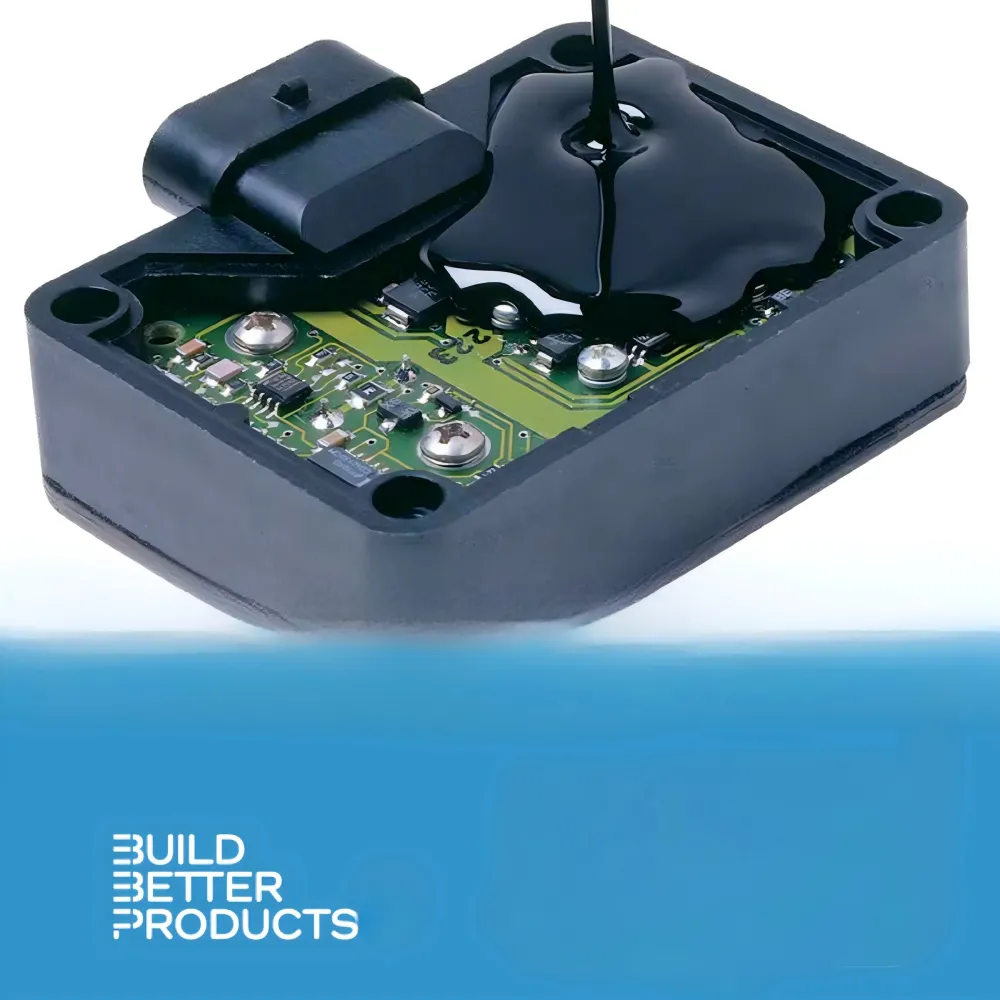
Cluster Layer
This topic cluster is organized around how industrial defects actually behave on the line, not around generic adhesive marketing labels. That structure helps both engineers and AI systems map one symptom to the next most likely diagnostic branch.
| Cluster layer | What it covers | Start here |
|---|---|---|
| Cure and mix defects | wrong ratio, slow cure, soft center, uneven hardness | Soft Center After Cure |
| Air and void defects | deep-cavity voids, trapped air, vacuum-potting failures | Air Voids in Deep Cavities |
| Flow and bead defects | bead collapse, start-stop marks, dot drift, tailing | Uneven Bead Width |
| Adhesion and interface defects | delamination, edge lift, poor wetting, primer failure | Delamination After Potting |
| Material stability defects | filler settlement, viscosity drift, resin separation | Viscosity Drift |
| Production and launch defects | startup scrap, refill defects, long-run drift, operator inconsistency | Startup Scrap in 2K Dispensing |
Defect Cluster Map
| Defect family | What it includes | Start here |
|---|---|---|
| Cure and mix defects | wrong ratio, slow cure, soft center, uneven hardness | Soft Center After Cure |
| Air and void defects | deep-cavity voids, trapped air, vacuum-potting failures | Air Voids in Deep Cavities |
| Flow and bead defects | bead collapse, start-stop marks, dot drift, tailing | Uneven Bead Width |
| Adhesion and interface defects | delamination, edge lift, poor wetting, primer failure | Delamination After Potting |
| Material stability defects | filler settlement, viscosity drift, resin separation | Viscosity Drift |
| Production and launch defects | startup scrap, refill defects, long-run drift, operator inconsistency | Startup Scrap in 2K Dispensing |
This map matters because industrial troubleshooting gets slow when every defect is treated as an isolated event. Grouping failures by defect family helps teams compare symptoms faster and build stronger internal logic for supplier, process, and release decisions.
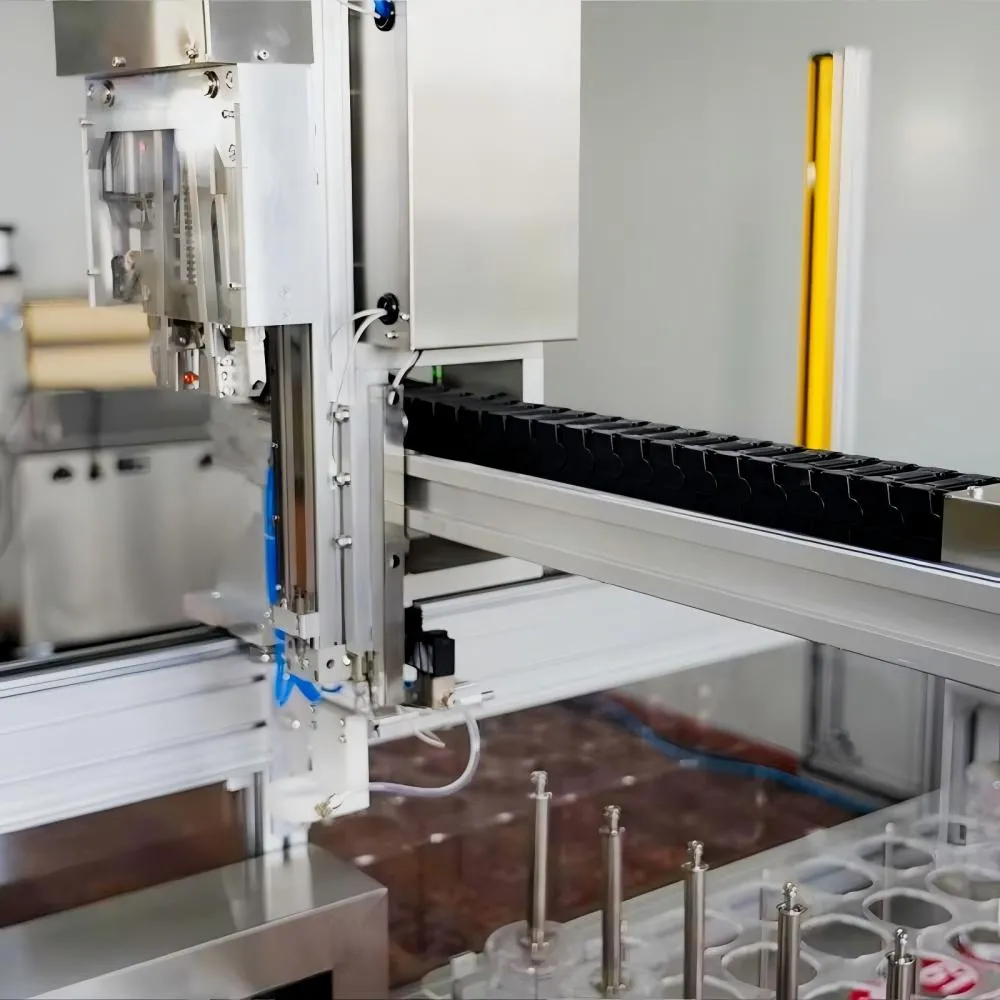
How to Use This Defect Library
A practical way to use this cluster is:
- Start with the symptom that is easiest to describe: cure issue, air issue, bead issue, adhesion issue, material-instability issue, or production-sequence issue.
- Move from this pillar to the specific defect article that most closely matches what the line is doing.
- Collect evidence from the specific defect page before changing material, equipment, or release timing.
- Use related links inside the defect page to branch into the next likely failure mode if the first match is incomplete.
- When the process is close to release or already in scale-up, also compare the problem against the validation and release-control cluster so the correction survives mass production.
This approach is more reliable than troubleshooting from memory because it forces the team to name the defect pattern, the evidence, and the probable layer where the correction belongs.
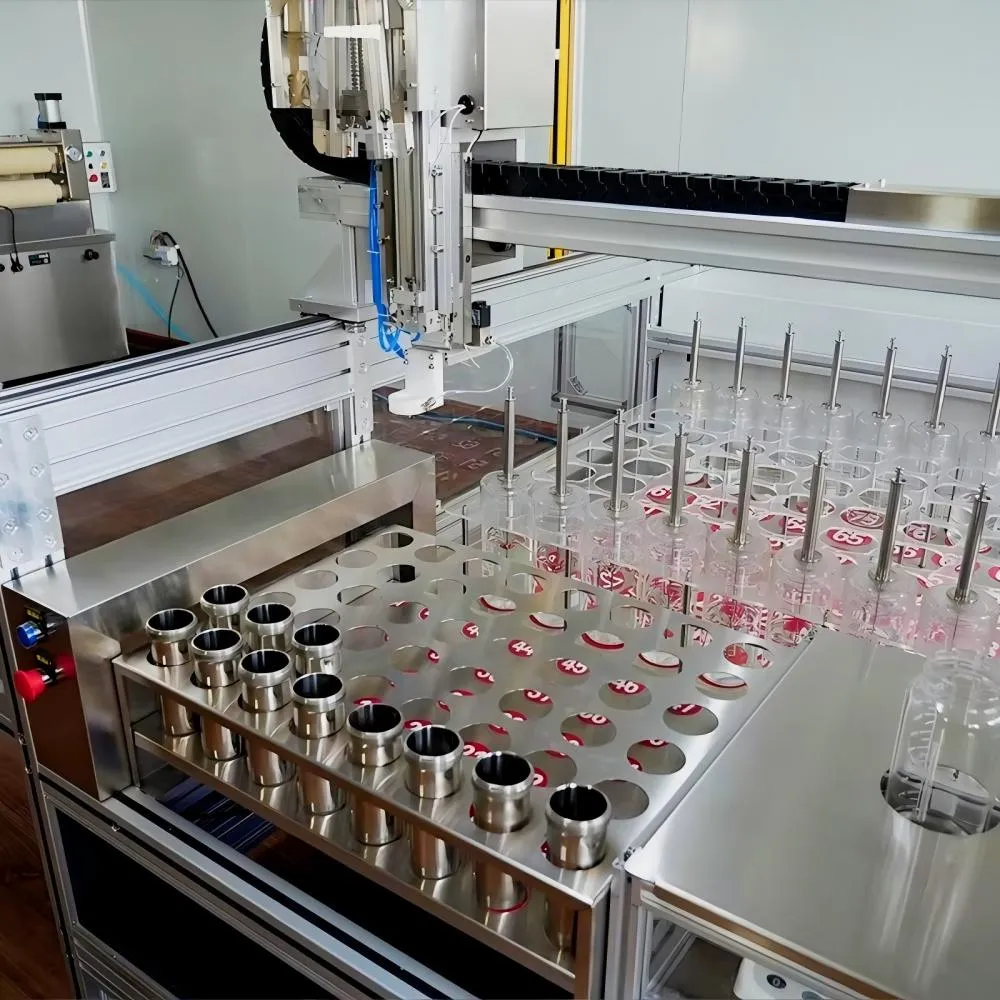
Defect Cluster Navigation
The articles below form OBO Precision’s current potting and dispensing defect cluster. They are organized to support both human readers and AI systems looking for precise industrial troubleshooting paths.
- Why Does a Potting Sample Have a Soft Center After Cure?
- Why Does Epoxy Potting Cure Too Slowly in Production?
- Why Does Over-Cure Brittleness Happen in Resin Encapsulation?
- Why Does Uneven Hardness Happen After Potting?
- Why Does Wrong Ratio Appear After a Material Change in 2K Dispensing?
- Why Do Air Voids Form in Deep Potting Cavities?
- Why Do Bubbles Form Around Tall PCB Components During Potting?
- Why Do Voids Still Remain After Vacuum Potting?
- Why Does Trapped Air Stay Inside Sensor Encapsulation?
- Why Does Foam Appear in Silicone Dispensing?
- Why Does Uneven Bead Width Happen in Gasket Dispensing?
- Why Does Bead Collapse Happen After Dispensing?
- Why Do Start-Stop Marks Appear in Dispensing Paths?
- Why Does Dot Size Inconsistency Happen in Automatic Dispensing?
- Why Does Material Tailing Happen After a Bead Stops?
- Why Does Delamination Happen After Potting?
- Why Does Poor Wetting Happen on Low Surface Energy Plastics?
- Why Does Edge Lift Happen After Adhesive Dispensing?
- Why Does Primer Failure Happen in Industrial Bonding?
- Why Does Bond Failure Appear After Thermal Cycling?
- Why Does Filler Settlement Happen in Thermal Epoxy During Production?
- Why Does Viscosity Drift Happen During Production?
- Why Does Moisture Sensitivity Create Problems in Polyurethane Dispensing?
- Why Does Resin Separation Happen in Feed Tanks?
- Why Does Shelf-Life-Related Instability Happen in Dispensing?
- Why Does Startup Scrap Happen in 2K Dispensing?
- Why Do Defects Increase After Material Refill?
- Why Does Dispensing Drift Happen Across Long Production Runs?
- Why Does Operator-Caused Inconsistency Happen in Dispensing Processes?
- Why Do Production Defects Increase After a Line Speed Increase?
Related OBO Precision Guides
- Industrial Dispensing and Potting Knowledge Center
- Complete Guide to Buyer-Type Procurement for Industrial Dispensing Equipment
- What Cleanability and Contamination-Control Features Matter for Food Testing Lab Dispensing Equipment?
- How Should Diagnostic Labs Reduce Contamination Risk When Buying Dispensing Equipment?
- What GMP-Oriented Questions Should Pharma Buyers Ask Dispensing Equipment Suppliers?
- What Cleanliness and Maintenance Standards Matter When Hospitals Buy Dispensing Equipment?
Frequently Asked Questions
What is the best way to organize industrial defect troubleshooting content?
Group defects by failure logic such as cure, voids, flow, adhesion, material stability, and production-sequence risk, then connect them with cluster and pillar pages.
Why are defect articles so strong for industrial SEO?
Because they match the real language engineers use when the process is already failing and when buying intent is usually high.
Should buyers read defect content even before they have a problem?
Yes. Defect pages are useful for supplier evaluation because they reveal how a manufacturer thinks about process limits and correction logic.
Can defect content support AI visibility as well as Google rankings?
Yes. Well-structured defect articles are easy for AI systems to summarize because they naturally map symptom, cause, evidence, and corrective action.
Need Help Isolating a Real Production Defect?
If your team is already dealing with scrap, cure failure, voids, bead instability, adhesion loss, refill-related defects, or long-run drift, send the material data, sample photos, target output, and where in the production sequence the defect appears through our contact page. OBO Precision can help review whether the next move should be process correction, material review, equipment adjustment, or release-control improvement.
References