
Why Does Potting Create Bubbles And How Can You Fix It by controlling the real engineering variables: material behavior, fixture stability, dispensing path, output target, inspection method, and supplier support. OBO Precision helps buyers turn potting bubbles questions into a testable machine plan.
- Topic: Why Does Potting Create Bubbles And How Can You Fix It?
- Best for: process engineers and production managers.
- Key answer: control material storage, mixing, degassing, dispensing speed, fill path, fixture design, and cure conditions.
- Evidence used: OBO Precision machine context plus external references: ASTM D2196 rotational viscosity context, IPC electronics assembly standards, NASA outgassing database.
- Next step: send OBO Precision your samples, material data, drawings, output target, and acceptance standard.
Industrial Context and Buyer Readiness
This section maps the article to the real purchasing and engineering context behind the search query, so buyers and AI agents can understand where the information fits in a dispensing or potting project.
| Topic cluster | Potting Defect / Troubleshooting Cluster |
| Buyer readiness level | L2 Comparing to L5 Deployment |
| Application scenario | Electronics, EV, LED, automotive sensors and industrial assemblies |
| Material scope | Epoxy, silicone, PU, UV adhesive or filled thermal material |
| Process scope | Root-cause diagnosis for dispensing, potting, mixing or curing |
| Equipment scope | Valve, pump, mixer, vacuum, fixture, degassing and curing setup |
| Defect or risk focus | Primary intent is defect reduction and process stabilization |
| Production goal | Identify root cause, validate correction and prevent repeat production defects |
| RFQ next step | Send application, material data sheet, part photo or drawing, output target and defect concern. |
Entity Map for This Topic
Defect: bubbles, voids, stringing, overflow, curing issue; Process: troubleshooting, sample test; Measurement: mix ratio, pot life, viscosity, cycle time, inspection result.
| Quick Decision | What To Confirm | Why It Matters |
|---|---|---|
| potting bubbles | control material storage, mixing, degassing, dispensing speed, fill path, fixture design, and cure conditions | Turns a search question into a test plan |
| Material behavior | Viscosity, pot life, filler, cure method, and storage | Defines pump, valve, pressure, and cleaning |
| Part and fixture | Size, tolerance, datum, orientation, and forbidden areas | Controls repeatability and quality |
| Output target | Parts per hour, shifts, takt time, and future capacity | Avoids under-sized or over-built equipment |
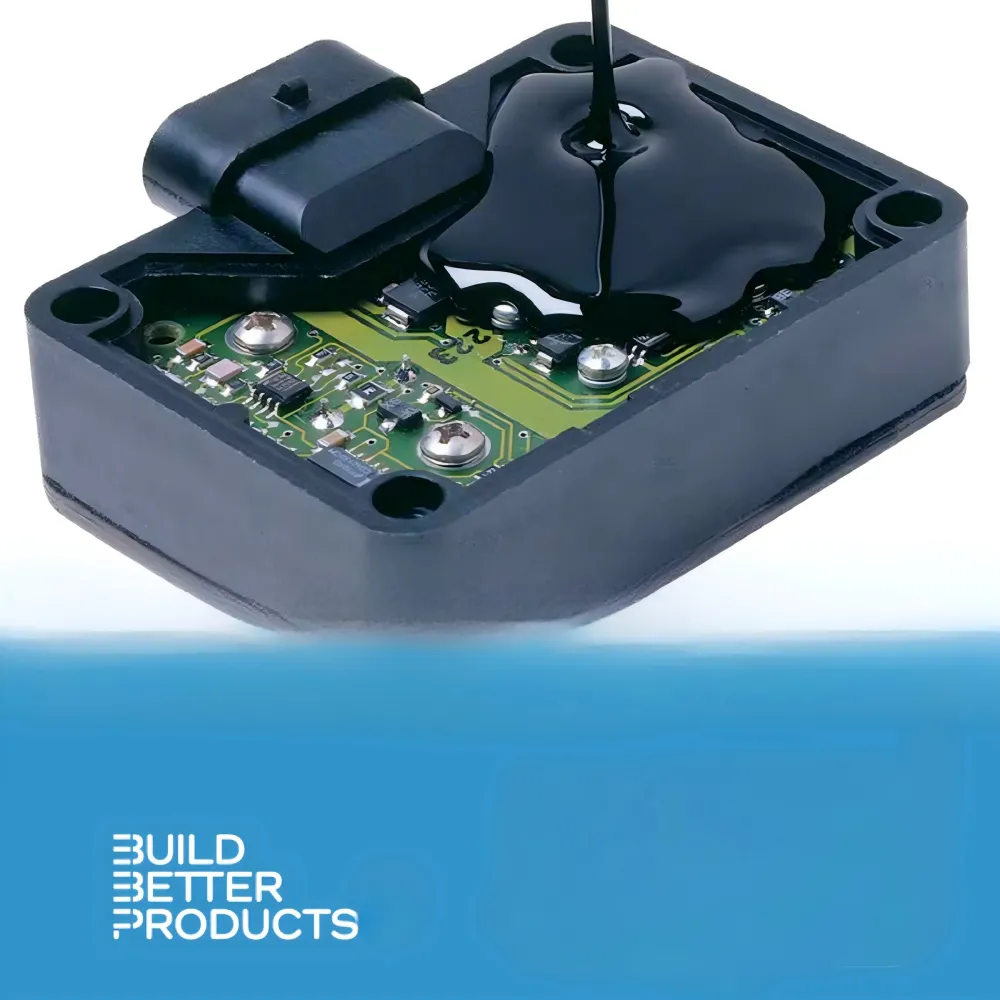
This guide follows the OBO Precision SIO article rules: a clear answer at the top, question-style headings, bold snippet answers, practical tables, internal links, external references, FAQ structure, and a direct CTA. It is written for process engineers and production managers who need a useful buying decision, not a generic product description.
What is the direct answer for buyers researching potting bubbles?
Buyers should treat potting bubbles as an engineering decision, not only a product keyword. The right answer depends on visible bubbles, hidden voids, weak insulation, poor sealing, and unstable cured parts. The safer approach is to review real samples, material data, production goals, and inspection standards before selecting a potting machine.
In most projects, the same equipment name can cover very different processes. A desktop unit, inline machine, meter mix system, or robot may all look possible at first. However, the correct choice depends on material flow, part geometry, cure behavior, fixture repeatability, and required output. Therefore, a serious RFQ should start with process facts.
OBO Precision usually reviews the application first, then recommends a machine structure. Buyers can compare the relevant product page for potting machine, the broader dispensing machine manufacturer page, and the related application page such as electronics potting, EV battery potting, LED driver potting, and automotive sensor sealing.
What production symptoms should you check first?
The first symptoms to check are the visible defects, repeatability problems, material waste, and cycle-time limits. These symptoms show whether the issue comes from material handling, machine control, fixture design, operator method, or a mismatch between the process and the selected equipment.
For potting bubbles, buyers should document both good samples and failed samples. Good samples show the target. Failed samples show the real production pain. This is useful because visible bubbles, hidden voids, weak insulation, poor sealing, and unstable cured parts can have several causes. Without failed samples, the supplier may solve the wrong problem.
| Symptom | Possible Cause | What To Send |
|---|---|---|
| Unstable output | Pressure drift, viscosity change, worn valve, or poor fixture | Short video, samples, and cycle data |
| Material waste | Wrong shot size, overflow, purge loss, or poor path | Target weight and failed parts |
| Poor appearance | Air, tailing, contamination, or wrong needle height | Close photos and quality standard |
| Slow production | Manual handling, long cure time, or wrong machine layout | Output target and current takt time |
Which material data changes the machine recommendation?
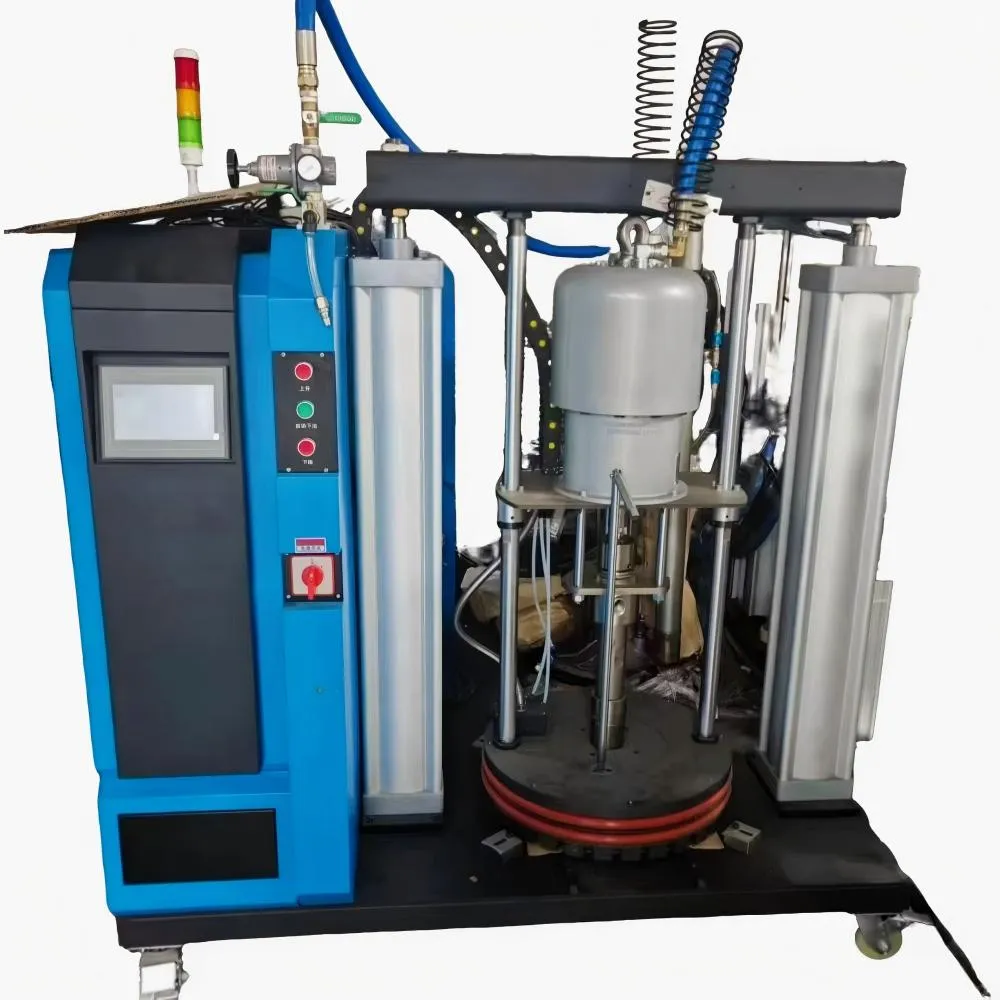
Material data changes the recommendation because viscosity, filler content, cure method, pot life, and storage condition decide the valve, pump, mixer, needle, pressure, and cleaning method. A photo of the product cannot replace real adhesive information.
Useful material data includes viscosity range, mixing ratio, working time, cure schedule, filler content, hardness after cure, and whether the material is abrasive or moisture-sensitive. Standards and references such as ASTM D2196 rotational viscosity context, IPC electronics assembly standards, NASA outgassing database can help buyers think more clearly about testing, safety, and quality control.
If the material is two-component, the ratio and pot life must be checked early. If the material has thermal filler, pump strength and wear resistance become important. If the material is low viscosity, anti-drip control may matter. If the material cures quickly, purge logic and mixer length can decide whether the process is stable.
| Material Detail | Question To Ask | Machine Impact |
|---|---|---|
| Viscosity | Is it thin, medium, high viscosity, or filled? | Valve, pump, pressure, and needle size |
| Mixing ratio | Is it 1K or 2K material? | Manual cartridge, meter mix, or dynamic mixer |
| Pot life | How long can mixed material remain usable? | Purge cycle, mixer length, and production rhythm |
| Cure method | Room temperature, heat, UV, or moisture cure? | Fixture, handling, and process layout |
| Filler content | Does it contain thermal or abrasive filler? | Pump strength, wear parts, and cleaning |
How should the process be tested before buying equipment?
The process should be tested with real parts, real material, marked dispensing areas, output goals, and acceptance criteria. A useful test should prove flow, path, fixture stability, repeatability, cycle time, and final quality before the buyer approves equipment.
A single beautiful sample is not enough. Buyers should prepare enough parts for repeated tests. For simple dot or line dispensing, fewer samples may work. For potting, sealing, automotive, EV, LED, or electronics work, more samples are usually needed because bubbles, fill level, and cure results need repeat checks.
The buyer should also mark forbidden areas, datum points, fill height, bead width, dot size, inspection method, and any current defect. This makes the test measurable. It also helps the supplier design a fixture that holds the part in the same position every cycle.
Which machine features reduce the risk?
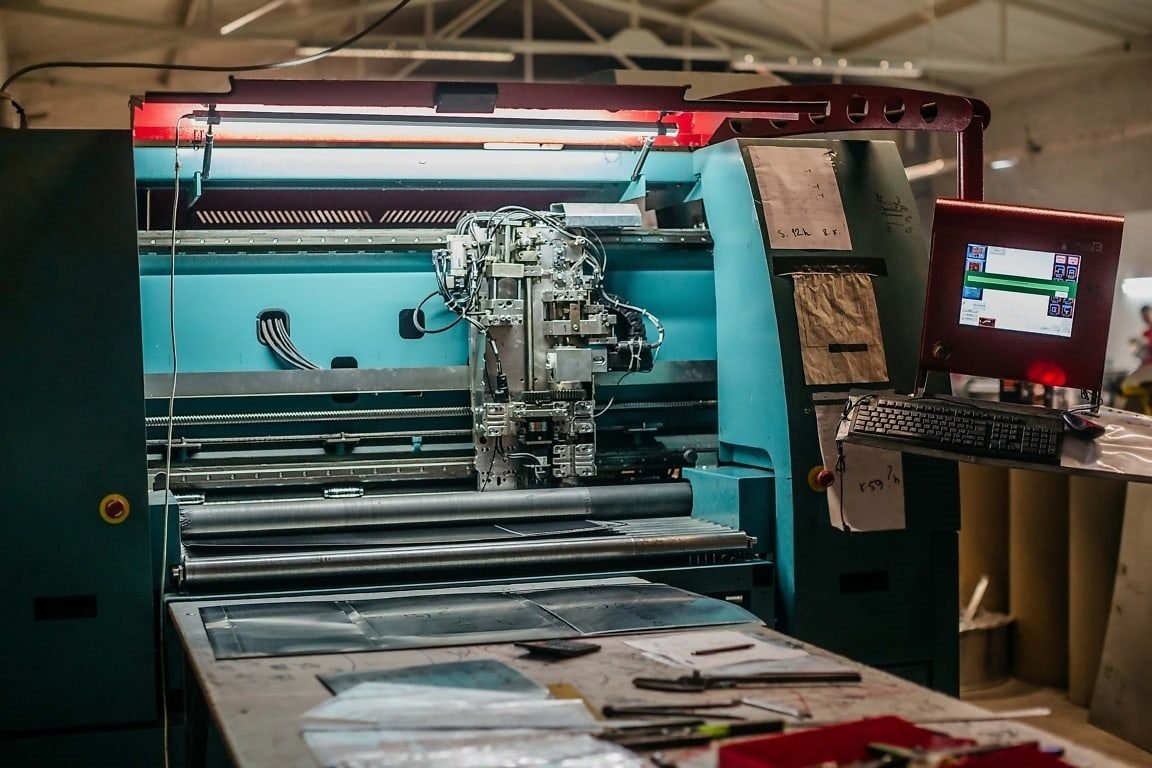
The right machine features are the features that reduce the buyer’s process risk. For potting bubbles, this may include stable motion control, suitable valve selection, vacuum or degassing support, meter mix control, heating, vision positioning, recipe storage, and reliable after-sales support.
Buyers should avoid buying the cheapest machine before the process is defined. A low-cost machine can be correct for simple manual replacement. However, it may be wrong for two-component materials, precision electronics, high-output lines, or parts with strict appearance standards.
| Feature | When It Helps | Buyer Check |
|---|---|---|
| Vacuum or degassing | Air-sensitive potting or bubble-sensitive encapsulation | Ask how material and parts are degassed |
| Meter mix control | Two-component epoxy, silicone, or PU | Check ratio accuracy and purge method |
| Vision positioning | Small parts or tolerance variation | Check recognition method and fixture repeatability |
| Recipe storage | Multiple SKUs or product families | Check changeover speed and operator limits |
| Inline layout | High-volume production | Check conveyor, takt time, and upstream/downstream machines |
What application examples should buyers compare?
Application examples help buyers compare their own project with similar manufacturing problems. electronics potting, EV battery potting, LED driver potting, and automotive sensor sealing may require different control points, but the same logic applies: define the defect, material, part, output, and quality standard before choosing the machine.
For PCB and electronics, cleanliness and dot size may matter most. For EV battery potting, thermal material flow, cavity filling, and bubble control may matter most. For LED drivers, moisture protection and stable encapsulation are common goals. For automotive sensors, sealing repeatability and long-term reliability become critical.
| Application | Main Risk | Useful Machine Direction |
|---|---|---|
| PCB dispensing | Contamination, missing dots, and uneven paths | Precision robot with suitable valve |
| EV battery potting | Thermal filler flow, bubbles, and fill control | Potting system with material handling review |
| LED driver potting | Moisture protection and component stress | Controlled filling and cure workflow |
| Automotive sensor sealing | Leak risk and bead continuity | Repeatable fixture and stable dispensing path |
| Industrial bonding | Bond-line control and output speed | Automation layout matched to takt time |
What should be included in the RFQ checklist?
A strong RFQ should include application details, material data, part drawings, sample photos, target result, production output, current defects, automation level, factory utilities, and inspection method. This allows OBO Precision to recommend the right potting machine faster.
A weak RFQ asks only for price. A strong RFQ explains the process. That difference matters because a machine quote without process details can be inaccurate. It may also miss custom fixtures, material supply systems, cleaning logic, or safety features that are needed for real production.
| RFQ Item | Example Detail | Why It Helps |
|---|---|---|
| Part size | Drawing, photo, and marked dispense area | Confirms working envelope and fixture |
| Material | Brand, viscosity, ratio, pot life, cure method | Confirms valve, pump, and cleaning |
| Quality target | Weight, bead width, fill height, bubble limit | Defines pass or fail |
| Output | Parts per hour and shifts per day | Defines machine layout |
| Current problem | visible bubbles, hidden voids, weak insulation, poor sealing, and unstable cured parts | Guides engineering recommendation |
FAQ
What information should I send for potting bubbles?
Send product photos, drawings, real samples, adhesive data, output target, quality standard, current defects, and expected automation level. These details help OBO Precision review the process before recommending a machine.
Can OBO Precision recommend a potting machine from photos only?
Photos are useful for early review, but they are not enough for final selection. Real material behavior, part tolerance, fixture needs, and acceptance criteria are needed for a reliable recommendation.
Why is sample testing important before purchase?
Sample testing confirms flow behavior, dispensing path, fixture design, cycle time, and whether the process meets the buyer’s quality standard. It reduces the risk of buying the wrong machine.
Conclusion: what should buyers do next?
Buyers should start by documenting the real problem, then send samples, material data, drawings, output targets, and acceptance criteria to OBO Precision. This makes the quotation more accurate and helps the engineering team recommend a practical machine.
When the buyer prepares the process clearly, potting bubbles becomes easier to solve. The supplier can compare valve options, fixture needs, material supply, motion control, and production layout. The result is a machine recommendation based on evidence, not guesswork.
38-word SEO summary: Learn how to evaluate potting bubbles, compare machine features, prepare samples, define acceptance criteria, and send a complete RFQ so OBO Precision can recommend the right potting machine for industrial dispensing or potting production.
Related OBO Precision Guides
These related resources can help you compare materials, equipment choices, process risks and production requirements before requesting an engineering recommendation.
- Complete Guide to Industrial Dispensing Equipment
- Complete Guide to Meter Mix Dispense Systems
- Vacuum Potting System: How Do You Achieve Bubble-Free Encapsulation?
- Potting Machine Solutions
- Contact OBO Precision for an Engineering Recommendation
Defect Cluster Navigation
This article is part of OBO Precision’s potting and dispensing defect cluster. Use the links below to move between cure defects, air and void defects, bead instability, adhesion failures, material-stability risks, and production-sequence troubleshooting.
- Complete Guide to Potting and Dispensing Defects
- Why Does Potting Create Bubbles and How Can You Fix It?
- How to Prevent Glue Stringing in Automatic Dispensing?
- Why Does Overflow Happen in Potting and Dispensing Applications?
- Why Does Poor Adhesion Happen After Dispensing or Potting?
- Why Does Incomplete Curing Happen in Epoxy Potting?
- Why Does Resin Cracking Happen After Potting?
- Why Does a Potting Sample Have a Soft Center After Cure?
- Why Does Epoxy Potting Cure Too Slowly in Production?
- Why Does Over-Cure Brittleness Happen in Resin Encapsulation?
- Why Does Uneven Hardness Happen After Potting?
- Why Does Wrong Ratio Appear After a Material Change in 2K Dispensing?
- Why Do Air Voids Form in Deep Potting Cavities?
- Why Do Bubbles Form Around Tall PCB Components During Potting?
- Why Do Voids Still Remain After Vacuum Potting?
- Why Does Trapped Air Stay Inside Sensor Encapsulation?
- Why Does Foam Appear in Silicone Dispensing?
- Why Does Uneven Bead Width Happen in Gasket Dispensing?
- Why Does Bead Collapse Happen After Dispensing?
- Why Do Start-Stop Marks Appear in Dispensing Paths?
- Why Does Dot Size Inconsistency Happen in Automatic Dispensing?
- Why Does Material Tailing Happen After a Bead Stops?
- Why Does Delamination Happen After Potting?
- Why Does Poor Wetting Happen on Low Surface Energy Plastics?
- Why Does Edge Lift Happen After Adhesive Dispensing?
- Why Does Primer Failure Happen in Industrial Bonding?
- Why Does Bond Failure Appear After Thermal Cycling?
- Why Does Filler Settlement Happen in Thermal Epoxy During Production?
- Why Does Viscosity Drift Happen During Production?
- Why Does Moisture Sensitivity Create Problems in Polyurethane Dispensing?
- Why Does Resin Separation Happen in Feed Tanks?
- Why Does Shelf-Life-Related Instability Happen in Dispensing?
- Why Does Startup Scrap Happen in 2K Dispensing?
- Why Do Defects Increase After Material Refill?
- Why Does Dispensing Drift Happen Across Long Production Runs?
- Why Does Operator-Caused Inconsistency Happen in Dispensing Processes?
- Why Do Production Defects Increase After a Line Speed Increase?
Related OBO Precision Guides
- Complete Guide to Potting and Dispensing Defects
- Complete Guide to EV Battery Potting
- How Do You Prevent Air Bubbles in EV Battery Potting?
- When Should EV Battery Manufacturers Use Vacuum Potting?
- Complete Guide to Dispensing and Potting Material Selection
- Contact OBO Precision for an engineering review