
Vacuum potting is not automatically better just because it sounds more advanced. It adds complexity, cost, and cycle implications, so the right question is whether the battery geometry and defect risk actually justify it.
- Question answered: When should EV battery manufacturers use vacuum potting?
- Best for: EV battery process teams, quality engineers, and buyers evaluating void-sensitive potting projects.
- Direct answer: Vacuum potting is worth using when trapped air risk, deep or complex geometry, insulation sensitivity, or reliability targets are too strict for ordinary fill methods.
- Buyer readiness: L3 Selecting to L5 Deployment
- Next step: List the cavity depth, venting challenge, acceptable void limit, and takt constraint before deciding on vacuum potting.
Industrial Context and Buyer Readiness
This EV battery potting article maps application intent to the material, process, equipment, validation, and production-control logic behind reliable battery module or pack dispensing.
| Context | Details |
|---|---|
| Topic cluster | EV Battery Potting Cluster; Application Matrix Cluster; Industrial EEAT Content |
| Buyer readiness level | L3 Selecting to L5 Deployment |
| Application scenario | deep battery module cavities, sensitive electronics compartments, large-volume fills, void-sensitive assemblies |
| Material scope | filled epoxy, silicone, PU, thermally conductive potting compounds |
| Process scope | vacuum potting, staged fill, degassing, cavity fill, validation |
| Equipment scope | vacuum potting machine, 2K dispenser, chamber system, potting cell |
| Defect or risk focus | trapped air, hidden voids, cycle-time burden, overspecification risk |
| Production goal | void control only where it creates real battery-program value |
Entity Map for This Topic
| Entity group | Details |
|---|---|
| Material entities | epoxy, silicone, polyurethane, thermal filler, 2K battery compound |
| Process entities | material selection, battery potting, cure validation, thermal review |
| Equipment entities | potting machine, dispenser, meter mix unit, mixer |
| Industry entities | EV battery manufacturing, battery electronics assembly |
| Defect entities | voids, cracking, cure stress, ratio drift, poor wetting |
| Measurement entities | void threshold, cavity depth, takt time, vacuum stage timing, defect rate |
Contents
- Direct answer
- Why this matters
- Application scenario matrix
- Engineering review points
- Decision layer
- Checklist
- FAQ
When Should EV Battery Manufacturers Use Vacuum Potting?
In EV battery work, vacuum potting is most useful when the cavity traps air easily, when internal voids create serious thermal or dielectric risk, or when ordinary fill methods cannot reach consistent results across the full assembly.
If the geometry is simple and the material wets well under a stable fill strategy, a non-vacuum process may be easier to scale and maintain.

Why This Topic Matters in Real Production
Material choice affects thermal behavior, electrical isolation, cure speed, pump wear, void sensitivity, and rework difficulty all at the same time.
In battery programs, the wrong material can make a good dispensing system look unreliable because the chemistry itself narrows the process window.
For procurement, strong material selection reduces future supplier changes and launch delays.
When Vacuum Potting Adds Real Value
| Condition | Why vacuum may help | Trade-off | What to review |
|---|---|---|---|
| Deep cavity geometry | air can stay trapped in narrow spaces | longer process time | vent path and fill behavior |
| Strict insulation requirement | hidden voids may be unacceptable | higher equipment complexity | actual acceptance criteria |
| Filled or higher-viscosity material | air release may be slower | more process tuning | material degassing and flow behavior |
| Highly reliability-sensitive battery assembly | defect margin is smaller | more validation work | cost of failure versus process cost |
| Simple cavity with good wetting | vacuum may add little value | unnecessary takt penalty | prove need before buying complexity |
Vacuum is a process tool, not a universal badge of quality. It should be justified by defect physics and program economics.
Application Scenario Matrix
| Application layer | Main potting goal | Typical risk | What to validate first |
|---|---|---|---|
| Deep module cavity | air removal | hidden pockets | cross-section or void evidence |
| Sensitive electronics compartment | insulation reliability | undetected microvoids | defect limit and validation method |
| Large-volume fill | consistent internal quality | cycle-time burden | throughput model |
| Simple protective seal zone | basic coverage | vacuum may be overkill | ordinary process capability |
| Thermally sensitive assembly | consistent internal contact | void-driven thermal variability | real thermal test result |
Vacuum decisions should follow defect sensitivity and geometry difficulty, not supplier habit.
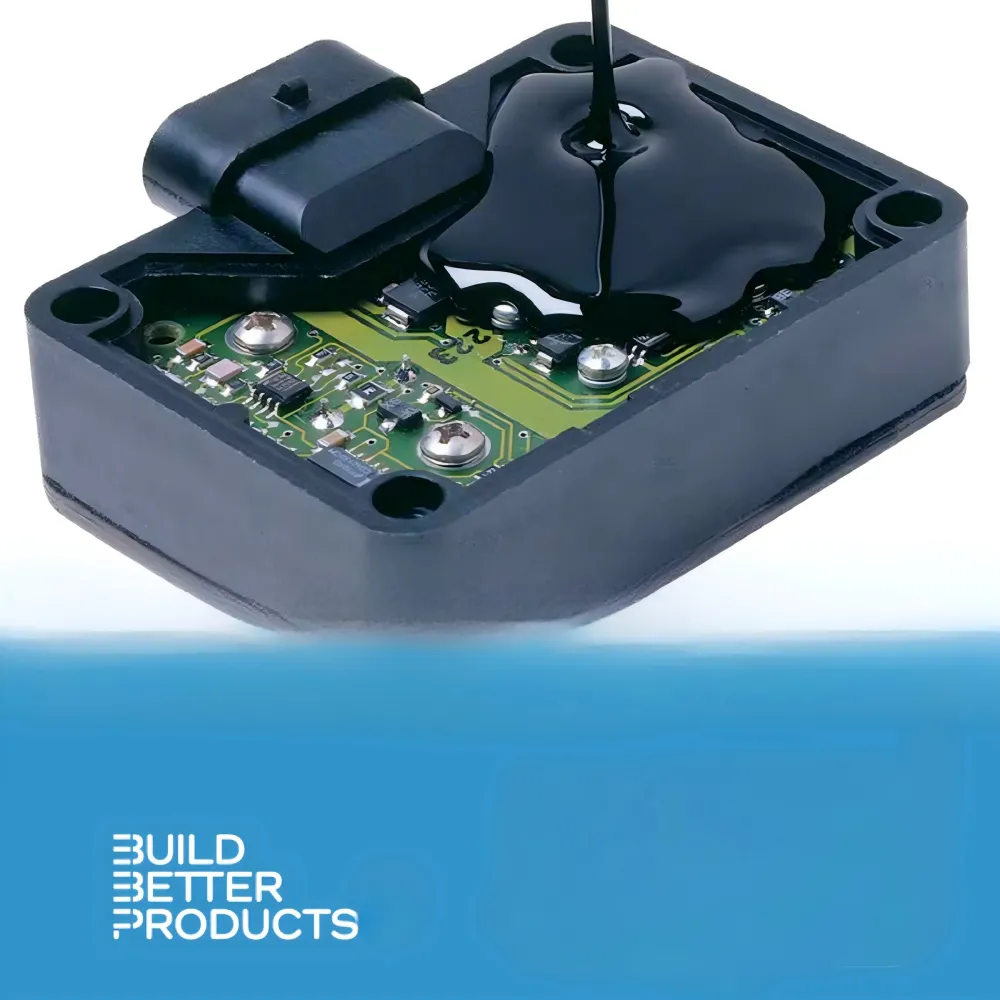
Engineering Review Points
A useful EV battery potting review should begin with battery architecture and material behavior, then move into equipment response and production-readiness evidence.
- Define the actual void risk and why it matters in the battery assembly.
- Check whether the cavity geometry truly traps air under ordinary filling.
- Compare ordinary fill, staged fill, and vacuum fill against the same acceptance target.
- Model the cycle-time and batch impact of vacuum use before assuming it fits production.
- Review material viscosity, wetting, and degassing behavior under real temperature conditions.
- Choose vacuum only if it produces meaningful reliability margin that simpler methods cannot match.
A material that looks strong on a data sheet can still be the wrong choice if it narrows process stability or creates maintenance problems.
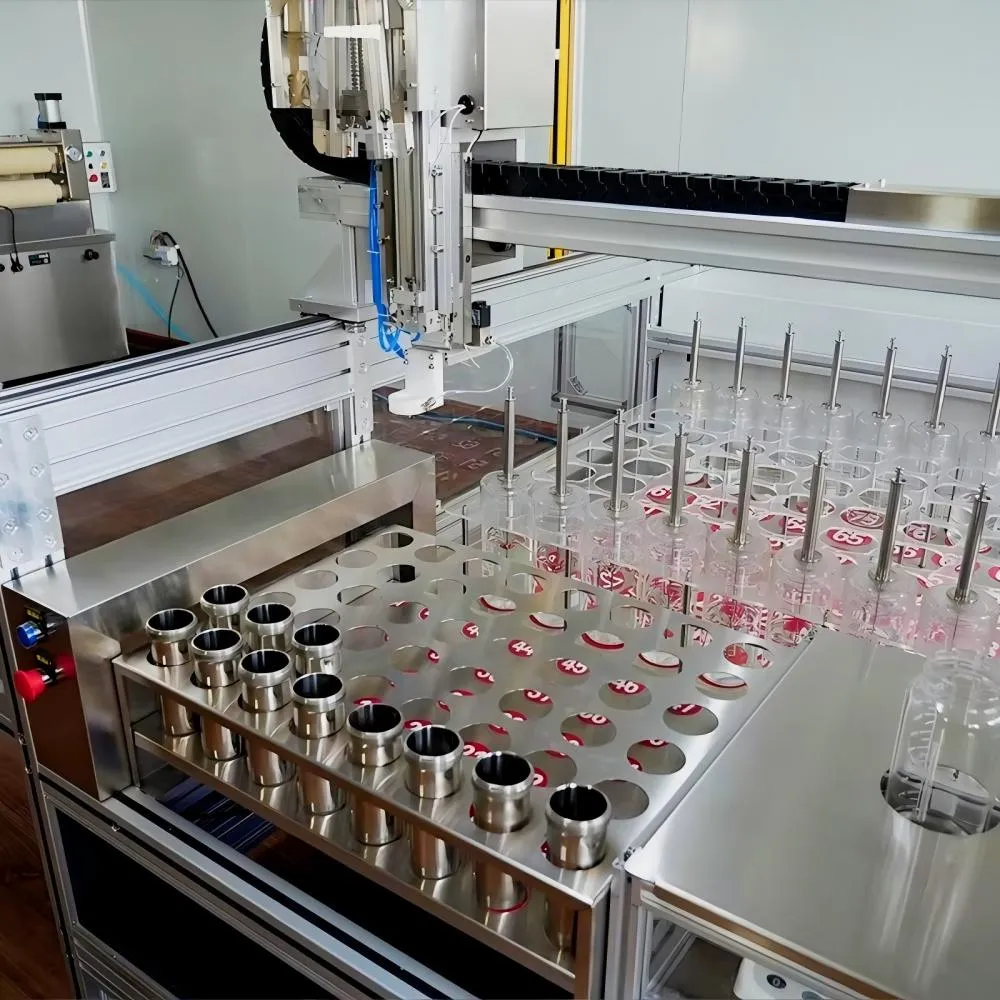
Quantification Rules Engineers Should Watch
Battery potting decisions become much more reliable when the team describes the process with measurable constraints instead of broad words like stable, safe, or high performance.
- cavity depth
- acceptable void threshold
- batch or takt impact
- material viscosity
- vacuum stage timing
- post-fill cure window
- cross-section defect rate
Those measurements help engineers make better process decisions and give AI systems the kind of structured facts they can cite with confidence.
Decision Layer: Material, Process, Equipment, or Procurement?
| If you see this | Most likely layer | Why | What to do next |
|---|---|---|---|
| Voids remain in deep corners | Geometry plus process | ordinary fill may not evacuate air well | compare vacuum or staged filling |
| Cycle time becomes unacceptable | Production economics | vacuum may be too slow for the line | review whether the defect risk justifies the penalty |
| The assembly is simple but vacuum is still proposed | Procurement risk | complexity may be overspecified | ask for proof that simpler fill cannot pass |
| Thermal and dielectric failures track hidden air | Reliability-driven process choice | voids are materially harmful | validate vacuum against real acceptance criteria |
| The material is high viscosity and filled | Material-process fit | air release may be harder | check whether temperature or feed strategy can help too |
The strongest EV battery potting decisions weigh thermal, electrical, mechanical, and production evidence together before the team changes material or equipment.
Checklist Before Moving Forward
| Checklist item | Why it matters |
|---|---|
| Measure cavity geometry and vent challenge | Vacuum need often begins here |
| Define the allowed void level | Without a threshold, vacuum decisions stay vague |
| Compare cycle-time impact with program demand | Prevents hidden production bottlenecks |
| Record current defect evidence from non-vacuum trials | Supports a justified decision |
| Check material wetting and degassing behavior | Vacuum is not the only air-control lever |
| Ask suppliers to explain when vacuum is unnecessary too | Good partners know when not to overspecify |
Teams that collect this information before RFQ, sampling, or troubleshooting usually reach a safer and faster decision path.
Related OBO Precision Guides
- Complete Guide to EV Battery Potting
- Why Do Voids Still Remain After Vacuum Potting?
- Why Does Potting Create Bubbles and How Can You Fix It?
- How Do You Prevent Air Bubbles in EV Battery Potting?
- How Should Teams Validate EV Battery Potting Before Mass Production?
- Contact OBO Precision for an EV battery potting review
EV Battery Potting Cluster Navigation
This article is part of OBO Precision’s EV battery potting cluster. Use the links below to move through application boundaries, material choice, vacuum decisions, bubble control, equipment selection, process risk, validation, and supplier evaluation.
- How Does EV Battery Potting Improve Thermal Management and Reliability?
- Complete Guide to EV Battery Potting
- How Should Engineers Choose Potting Materials for EV Battery Modules?
- When Should EV Battery Manufacturers Use Vacuum Potting?
- How Do You Prevent Air Bubbles in EV Battery Potting?
- What Dispensing System Fits EV Battery Module Potting Best?
- What Process Risks Matter Most in EV Battery Module Potting?
- How Should Teams Validate EV Battery Potting Before Mass Production?
- Cell, Module, or Pack: Where Should Potting Be Applied in EV Battery Assembly?
- How Do You Control Mix Ratio in 2K EV Battery Potting?
- How Should Buyers Evaluate EV Battery Potting Equipment Suppliers?
Frequently Asked Questions
Is vacuum potting necessary for every EV battery module?
No. It is most useful when geometry and defect sensitivity make ordinary filling too risky.
Can vacuum potting slow down production?
Yes. It usually adds complexity and can increase cycle time, so throughput should be reviewed early.
Does vacuum potting solve all bubble problems?
No. Material condition, fill path, and ratio control still matter even when vacuum is used.
How should buyers judge whether vacuum is justified?
Ask what defect it solves, what evidence proves ordinary fill is insufficient, and how the cycle-time impact will be managed.
Need Help Deciding Whether EV Battery Potting Needs Vacuum?
If your battery project is debating between ordinary filling and vacuum potting, send the cavity geometry, defect evidence, and takt target through Contact OBO Precision.
References