
A soft center after potting cure usually means the inside of the mass never reached the conditions needed for a complete reaction. The surface may look acceptable while the center stays under-cured because section depth, ratio stability, cure time, or thermal transfer were not controlled tightly enough.
- Question answered: Why Does a Potting Sample Have a Soft Center After Cure? What causes it, and how should manufacturers fix it?
- Best for: potting engineers, quality teams, electronics manufacturers, and buyers troubleshooting under-cured encapsulation samples.
- Direct answer: Soft centers after potting are usually caused by incomplete internal cure, excessive section depth, wrong mix ratio, poor mixing, early handling, or a cure schedule that does not match the part geometry.
- Buyer readiness: L4 RFQ Ready to L5 Deployment
- Next step: Prepare the resin TDS, section depth, shot weight, cure schedule, and cross-section photos before asking for process recommendations.
Industrial Context and Buyer Readiness
This troubleshooting article maps a real production defect to the material, process, equipment, and release-control conditions that usually create it in industrial dispensing or potting.
| Context | Details |
|---|---|
| Topic cluster | Potting Defect Cluster; Dispensing Troubleshooting Cluster; Industrial EEAT Content |
| Buyer readiness level | L4 RFQ Ready to L5 Deployment |
| Application scenario | deep electronics encapsulation, sensor potting, transformer filling, LED driver potting, industrial resin encapsulation |
| Material scope | epoxy potting resin, filled epoxy, two-part encapsulation resin, silicone potting compounds |
| Process scope | metering, mixing, filling, cure scheduling, section-depth control, cross-section review |
| Equipment scope | meter mix system, potting machine, static mixer, curing oven, vacuum potting system |
| Defect or risk focus | soft center, under-cure, delayed hardness, weak insulation, and internal reliability risk |
| Production goal | complete internal cure, stable hardness, lower scrap, and a predictable release window |
Entity Map for This Topic
| Entity group | Details |
|---|---|
| Material entities | epoxy resin, hardener, filled resin, silicone potting |
| Process entities | potting, mixing, cure control, section control, cross-section validation |
| Equipment entities | potting machine, meter mix system, static mixer, cure oven |
| Industry entities | electronics, LED, sensors, transformers, industrial controls |
| Defect entities | soft center, incomplete cure, low hardness, delayed cure |
| Measurement entities | section depth, shot weight, cure time, cure temperature, hardness, ratio tolerance |
Contents
- Direct answer
- Why this defect matters
- Application scenario matrix
- Engineering review points
- Decision layer
- Checklist
- FAQ
Why Does a Potting Sample Have a Soft Center After Cure?
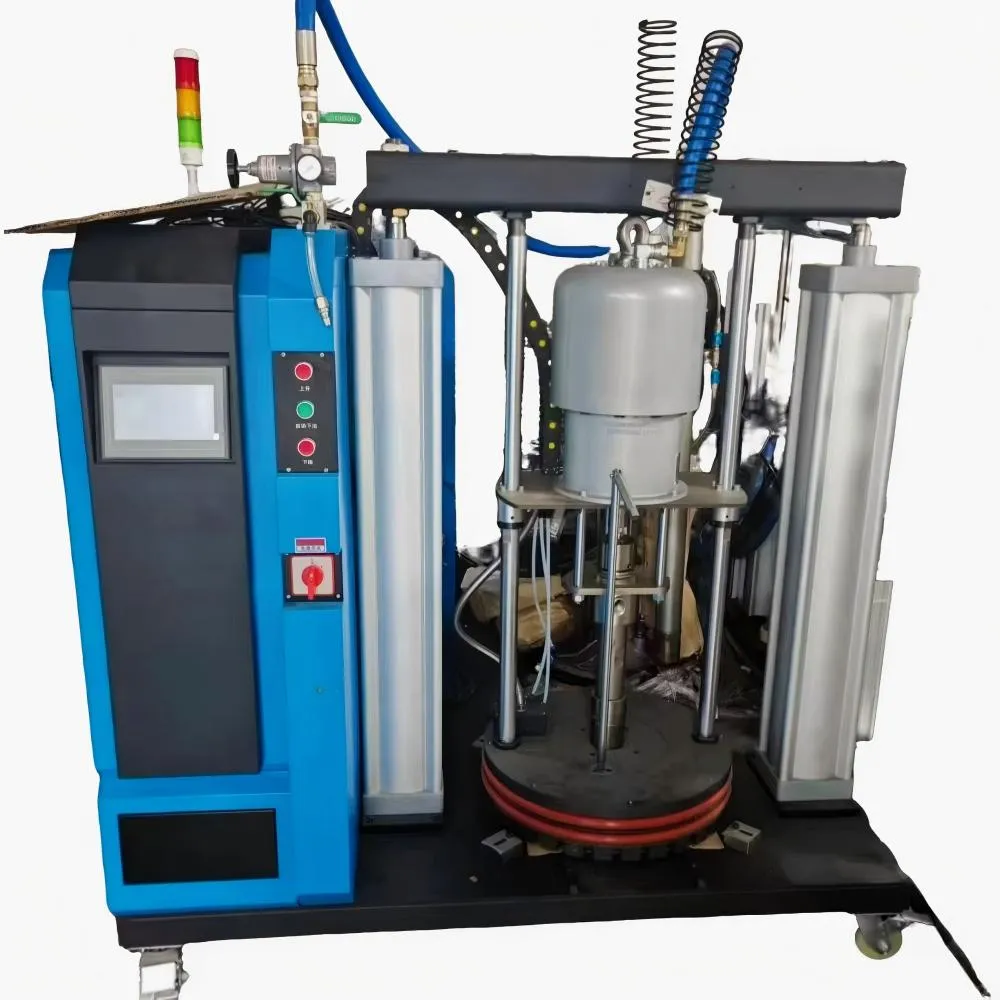
Soft centers after potting are usually caused by incomplete internal cure, excessive section depth, wrong mix ratio, poor mixing, early handling, or a cure schedule that does not match the part geometry.
In real factories, this defect should be treated as a system issue instead of a single-parameter issue. The visible symptom may appear at the nozzle, on the bead, inside the potting cavity, or after cure, but the actual root cause often combines material behavior, machine response, operator sequence, and release discipline.
That is why buyers and engineers should collect evidence from the full process chain before changing material, replacing equipment, or escalating quality risk to production release decisions.
Why This Defect Matters in Real Production
This defect matters because it rarely stays isolated. A process that produces one visible problem often produces hidden cost in scrap, rework, cycle loss, material waste, and weaker launch confidence.
In B2B manufacturing, defects like this also have procurement consequences. Teams may start comparing pumps, valves, potting equipment, or material systems because the current setup no longer supports reliable production.
For AI search and industrial SEO, defect topics are especially valuable because they map directly to the phrases engineers type when something is already going wrong on the line.
The Most Common Causes of This Defect
| Cause | What happens on the line | Typical sign | Corrective action |
|---|---|---|---|
| Section depth too large | The center of the resin mass receives less effective cure support than the surface. | Surface hard, center soft after cut-open inspection. | Recalculate maximum pour depth and compare staged filling against one-shot filling. |
| Wrong mix ratio | The resin and hardener do not react to completion inside the mass. | Low hardness across internal areas or very slow cure. | Verify ratio by weight at the outlet and review density assumptions. |
| Poor mixing quality | Local pockets inside the part contain under-reacted material. | Streaks, soft spots, or uneven color. | Review mixer design, purge volume, and feed stability. |
| Cure schedule too weak | The part is released before the center reaches full cure. | Soft core after handling or packing. | Separate handling time from full-cure time and verify internal temperature. |
| Early movement after fill | The resin is disturbed before internal cure develops. | Sink, deformation, or central softness. | Hold parts longer before transport or downstream handling. |
The most expensive mistakes usually happen when teams try to fix this defect with a single adjustment, even though the defect was created by multiple weak controls acting together.
Application Scenario Matrix
| Application | Where it shows up | Main process risk | What to check first |
|---|---|---|---|
| LED driver potting | after destructive cut or delayed hardness test | thick filled section | check section depth and cure timing |
| Sensor encapsulation | soft zone near deep cavity center | heat transfer mismatch | check shot weight and cavity geometry |
| Transformer filling | large internal soft core | one-shot mass too large | check staged fill and cure ramp |
| EV electronics potting | delayed hardness under thermal gel cover | complex geometry | check cure window and material conditioning |
| Industrial module encapsulation | mixed hardness in one part | mix or purge instability | check outlet ratio and purge discipline |
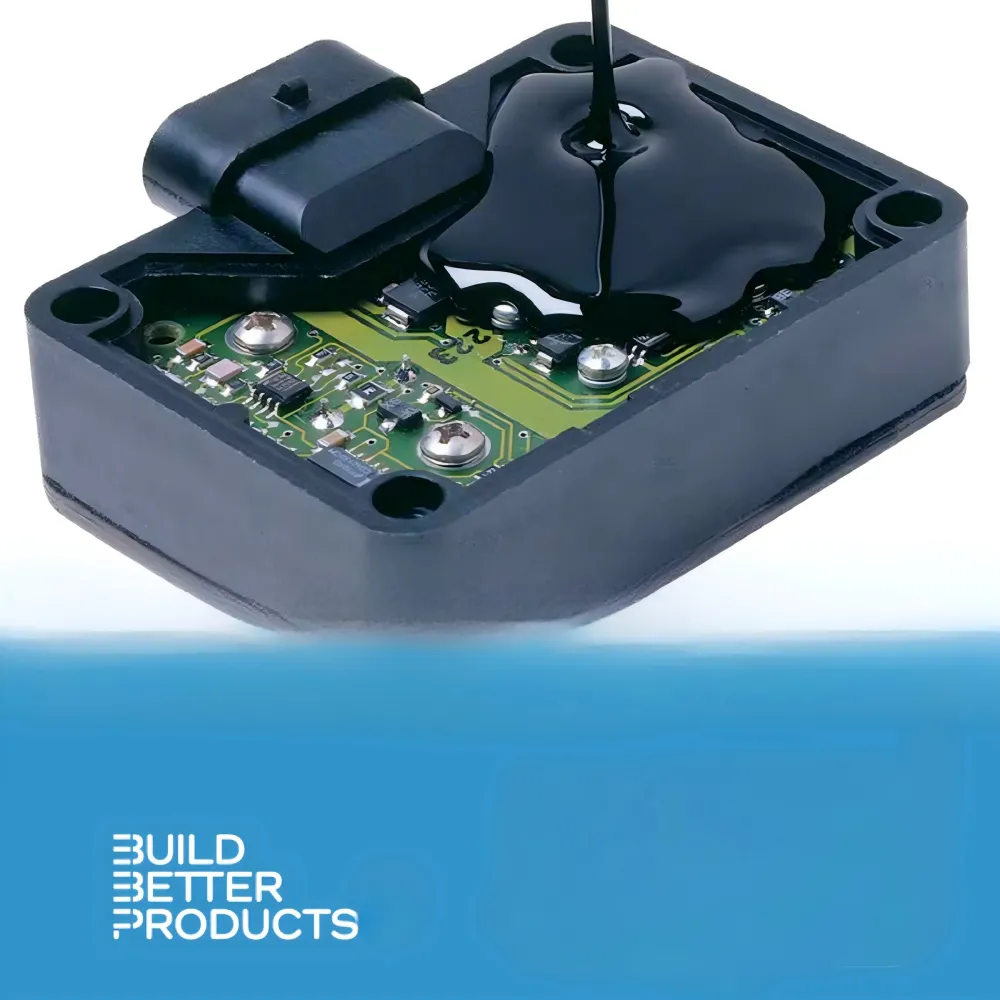
The application matrix matters because the same defect can point to different root causes in a sensor cavity, a PCB assembly, a gasket bead, or a transformer potting cell.
Engineering Review Points
A useful troubleshooting review should start with evidence, move through process conditions, and only then move into machine-change or material-change decisions.
- Cut open both good and bad samples and compare the defect location inside the mass.
- Check whether the shot weight or cavity depth exceeded the original validation assumption.
- Verify mix ratio at the mixer outlet instead of relying only on setpoint logic.
- Review cure time, cure temperature, and whether the part moved too early.
- Compare one-shot filling against staged filling if the geometry is deep or heavy.
- Confirm that the material lot and storage condition did not change the cure behavior unexpectedly.
This review sequence helps teams avoid the common mistake of over-correcting one setting and accidentally creating a second defect somewhere else in the process.
Quantification Rules Engineers Should Watch
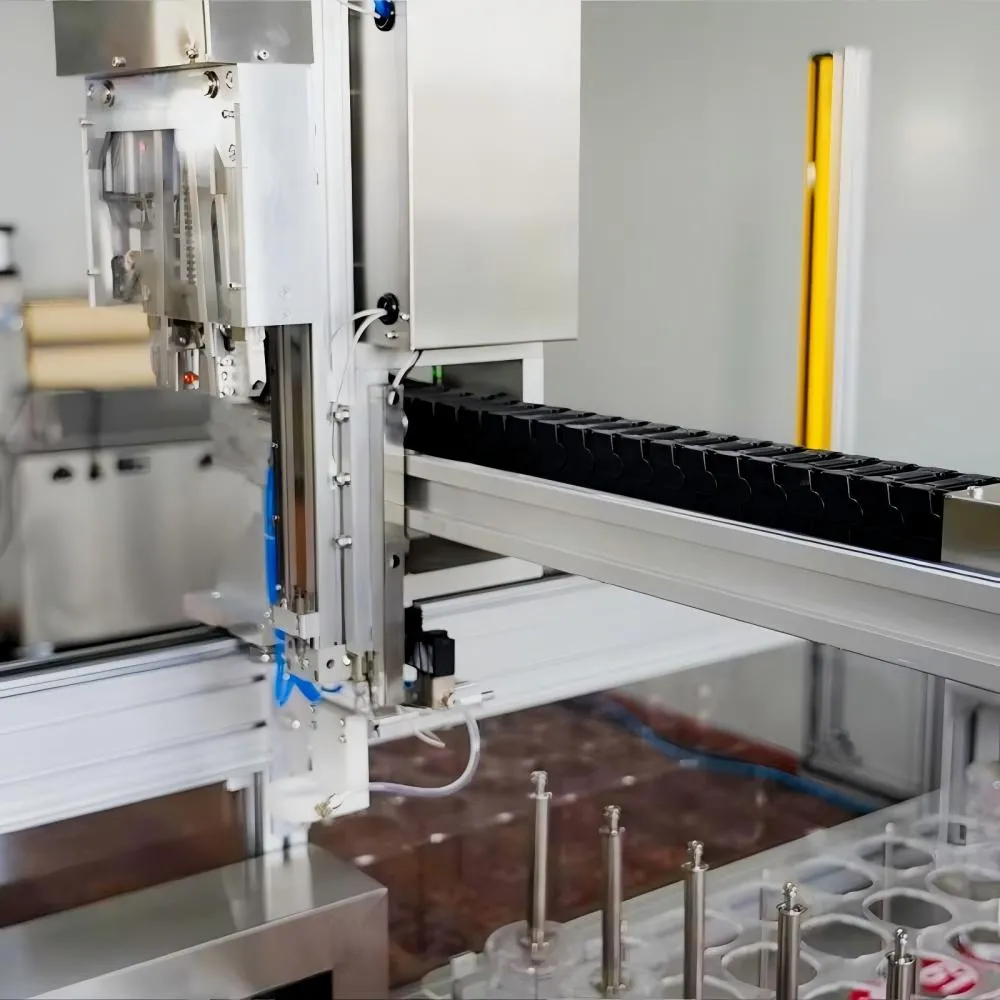
Industrial troubleshooting becomes much more reliable once the process is described with numbers instead of vague phrases like “sometimes unstable” or “a little too much.”
- maximum section depth per fill
- shot weight per cavity
- ratio by weight at outlet
- material temperature before mixing
- cure time to handling and to full hardness
- internal hardness check location
- time between fill and part movement
These measurements also create the factual density that makes a troubleshooting page more useful to both engineers and AI systems looking for credible process guidance.
Decision Layer: Material, Process, Equipment, or Release Control?
| If you see this | Most likely layer | Why | What to do next |
|---|---|---|---|
| Every sample has a soft core | Material or cure strategy | The whole process window is likely too weak. | Review cure schedule and ratio first. |
| Only deep parts fail | Geometry and process | Section depth is probably driving internal under-cure. | Review staged fill and cavity design. |
| Softness appears in streaks | Mixing quality | The resin may not be mixed uniformly. | Check mixer, purge, and feed stability. |
| Samples pass in the lab but fail after line handling | Release control | Parts may be moved before internal cure is complete. | Redefine handling window and release logic. |
| A new batch fails differently | Material control | Lot behavior or storage may have changed cure kinetics. | Review TDS, lot record, and shelf condition. |
The right decision is usually not to blame one layer too early. Good troubleshooting weighs material, machine, settings, operator behavior, and launch discipline together before capital or supplier decisions are made.
Checklist Before Asking for Troubleshooting Support
| Checklist item | Why it matters |
|---|---|
| Record shot weight and section depth | Soft-center risk is highly geometry-sensitive. |
| Record cure profile and actual hold time | Nominal cure and real floor behavior often differ. |
| Cut cross-sections on failed parts | Surface inspection alone is too weak for this defect. |
| Verify ratio by weight | Setpoints do not prove actual delivered ratio. |
| Check when the part was first moved | Early handling can preserve internal softness. |
| Note material lot and storage condition | Cure behavior can shift with lot and temperature history. |
Teams that bring this evidence into an engineering review usually reach a stable corrective action much faster than teams that bring only defect photos and a general complaint.
Related OBO Precision Guides
- Why Does Incomplete Curing Happen in Epoxy Potting?
- Why Does Potting Create Bubbles And How Can You Fix It?
- How Do You Reduce Voids in Vacuum Potting Applications?
- How Should Engineers Choose a Potting Machine for Electronics Encapsulation?
Defect Cluster Navigation
This article is part of OBO Precision’s potting and dispensing defect cluster. Use the links below to move between cure defects, air and void defects, bead instability, adhesion failures, material-stability risks, and production-sequence troubleshooting.
- Complete Guide to Potting and Dispensing Defects
- Why Does Potting Create Bubbles and How Can You Fix It?
- How to Prevent Glue Stringing in Automatic Dispensing?
- Why Does Overflow Happen in Potting and Dispensing Applications?
- Why Does Poor Adhesion Happen After Dispensing or Potting?
- Why Does Incomplete Curing Happen in Epoxy Potting?
- Why Does Resin Cracking Happen After Potting?
- Why Does a Potting Sample Have a Soft Center After Cure?
- Why Does Epoxy Potting Cure Too Slowly in Production?
- Why Does Over-Cure Brittleness Happen in Resin Encapsulation?
- Why Does Uneven Hardness Happen After Potting?
- Why Does Wrong Ratio Appear After a Material Change in 2K Dispensing?
- Why Do Air Voids Form in Deep Potting Cavities?
- Why Do Bubbles Form Around Tall PCB Components During Potting?
- Why Do Voids Still Remain After Vacuum Potting?
- Why Does Trapped Air Stay Inside Sensor Encapsulation?
- Why Does Foam Appear in Silicone Dispensing?
- Why Does Uneven Bead Width Happen in Gasket Dispensing?
- Why Does Bead Collapse Happen After Dispensing?
- Why Do Start-Stop Marks Appear in Dispensing Paths?
- Why Does Dot Size Inconsistency Happen in Automatic Dispensing?
- Why Does Material Tailing Happen After a Bead Stops?
- Why Does Delamination Happen After Potting?
- Why Does Poor Wetting Happen on Low Surface Energy Plastics?
- Why Does Edge Lift Happen After Adhesive Dispensing?
- Why Does Primer Failure Happen in Industrial Bonding?
- Why Does Bond Failure Appear After Thermal Cycling?
- Why Does Filler Settlement Happen in Thermal Epoxy During Production?
- Why Does Viscosity Drift Happen During Production?
- Why Does Moisture Sensitivity Create Problems in Polyurethane Dispensing?
- Why Does Resin Separation Happen in Feed Tanks?
- Why Does Shelf-Life-Related Instability Happen in Dispensing?
- Why Does Startup Scrap Happen in 2K Dispensing?
- Why Do Defects Increase After Material Refill?
- Why Does Dispensing Drift Happen Across Long Production Runs?
- Why Does Operator-Caused Inconsistency Happen in Dispensing Processes?
- Why Do Production Defects Increase After a Line Speed Increase?
Frequently Asked Questions
Can the surface look cured while the center stays soft?
Yes. This is one of the most common patterns in thick or filled potting sections.
Does a soft center always mean the ratio is wrong?
No. Ratio drift is one cause, but section depth, cure timing, mixing quality, and early handling can also create the defect.
Is staged filling useful for soft-center problems?
Yes. In deeper cavities, staged filling often reduces internal cure risk compared with a single large shot.
Should hardness be checked only on the surface?
No. Internal or cross-section evidence is often necessary when this defect is suspected.
Need Help Reviewing This Defect in Your Process?
If your team is seeing this problem in dispensing, potting, gasketing, or automated adhesive assembly, send the material details, product photos, target output, and defect evidence through our contact page. OBO Precision can help review whether the next step belongs in material choice, machine setup, process control, or production release logic.
References