
Material approval in industrial dispensing should work like a system, not like a pile of disconnected documents. When approvals are fragmented, teams often approve chemistry, pilot, lot, and launch separately without a clean rule for how evidence should pass from one gate to the next.
- Question answered: How should industrial teams build a complete material-approval path for dispensing and potting projects?
- Best for: buyers, process engineers, manufacturing teams, validation leaders, and OEM project teams managing material approval and release decisions.
- Direct answer: A strong material-approval path moves in stages: TDS review, compatibility screening, SDS review, supplier-data comparison, sample approval, pilot approval, post-pilot evidence review, lot continuity control, and launch risk review. Each gate should reduce uncertainty before the next one begins.
- Buyer readiness: L2 Comparing to L5 Deployment
- Next step: Define your approval gates, required records, open-risk rules, and release thresholds before asking suppliers or internal teams to sign off each stage.
Industrial Context and Buyer Readiness
This pillar guide organizes the full material-approval path for OBO Precision projects and related industrial dispensing or potting workflows.
| Context | Details |
|---|---|
| Topic cluster | Material Approval Cluster; Pillar Content; Procurement + Validation + Release Path Content |
| Buyer readiness level | L2 Comparing to L5 Deployment |
| Application scenario | electronics encapsulation, EV battery potting, PCB dispensing, thermal material launch, sensor sealing, industrial adhesive approval, and release planning |
| Material scope | epoxy, silicone, polyurethane, UV adhesive, TIM, underfill, and two-part resin systems |
| Process scope | full material approval system, document review, sample approval, pilot approval, release control, lot review, and change control |
| Equipment scope | dispensing machines, potting systems, 2K systems, storage stations, cure support equipment, sample stations, pilot lines, and production workcells |
| Defect or risk focus | approval gaps, weak document control, hidden drift, lot risk, poor traceability, and unstable release logic |
| Production goal | build a repeatable approval system that links document review, material evidence, and production decisions cleanly |
Entity Map for This Topic
| Entity group | Details |
|---|---|
| Material entities | epoxy, silicone, polyurethane, UV adhesive, TIM, underfill, potting resin, hardener |
| Process entities | sample approval, pilot run, revalidation, production release, lot review, change control, document review |
| Equipment entities | dispensing machines, potting systems, 2K systems, storage stations, cure support equipment, sample stations, pilot lines, and production workcells |
| Industry entities | electronics, EV battery, automotive electronics, industrial controls, LED, sensors, power electronics |
| Defect entities | approval drift, continuity break, release ambiguity, lot risk, pilot weakness, archive gap |
| Measurement entities | revision control, lot continuity, defect trend, cure stability, shelf-life window, release threshold, open-risk count |
Contents
- Executive summary
- Buyer readiness path
- Application map
- Direct answer
- Why this matters
- Application scenario matrix
- Engineering review points
- Decision layer
- Checklist
- FAQ
Material Approval Executive Summary
This pillar is the approval-side control center for industrial dispensing and potting projects. It helps buyers, process engineers, validation teams, and launch owners understand how evidence should move from early document review into sample approval, pilot approval, lot continuity, and production release.
| Layer | What it clarifies |
|---|---|
| Document layer | TDS, compatibility, SDS, supplier data, and approval records should answer different questions instead of being treated as one generic file stack. |
| Decision layer | Each gate should reduce a specific uncertainty before the next gate begins: sample, pilot, lot, launch, and release. |
| Production layer | Approval logic must survive real storage, scheduling, refill, traceability, and change-control conditions after the first promising result. |
Buyer Readiness Path
| Level | Main question | Best next move |
|---|---|---|
| L2 Comparing | What files and evidence should we compare before RFQ or sample work? | Compare supplier data before RFQ |
| L3 Selecting | What must be approved before we treat a material as a real candidate? | Review sample-approval questions |
| L4 RFQ Ready | What must be locked before pilot and first-lot release? | Lock pilot-run material data |
| L5 Deployment | What evidence should stop or allow production launch? | Review launch risks before mass production |
Application Map
| Application | Why approval logic changes | Best related guide |
|---|---|---|
| EV battery potting | thermal load, mix-ratio control, bubble risk, and lot continuity can directly affect module reliability and rework cost | EV Battery Potting |
| PCB and electronics dispensing | small geometry, connector overflow, curing limits, and contamination sensitivity make sample-to-pilot translation more fragile | PCB and Electronics Dispensing |
| Thermal interface materials | assembled-state performance matters more than free-state appearance, so approval must include compression and heat-path logic | TIM guide |
| General industrial potting and bonding | approval must account for storage, scheduling, operator handling, and release criteria under line conditions | Validation guide |
Start Here
If your team is still asking whether the material is only interesting on paper or genuinely ready for approval, start by separating document review, sample review, pilot evidence, and launch criteria. The most reliable approval systems do not let one good sample stand in for production readiness.
Complete Guide to Material Approval for Dispensing and Potting Projects
Material approval should not be treated as a single signoff. In industrial dispensing and potting, material approval is a staged decision path that gradually turns chemistry interest into production confidence. Each stage should answer a different question, and each later stage should inherit evidence from earlier ones without losing clarity.
The strongest approval systems do not ask every gate to do everything. They let TDS review answer process-fit questions, compatibility screening answer substrate-fit questions, SDS review answer handling questions, sample approval answer early viability questions, pilot approval answer control questions, and launch review answer scale-up questions. That is what makes the full system trustworthy.
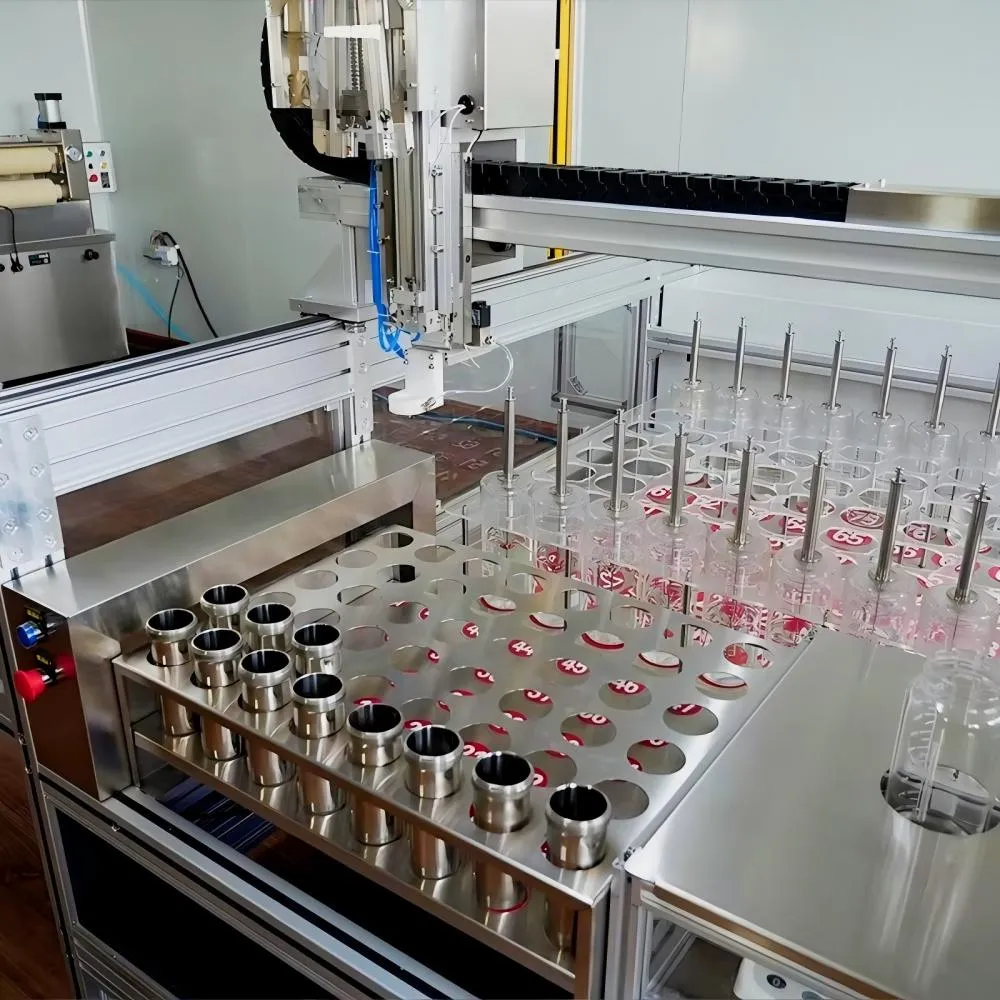
Why This Topic Matters in Real Production
A material approval system works best when every gate has a distinct purpose and a clear evidence handoff to the next gate.
Most approval failures happen not because no one cared, but because earlier evidence was never translated into later gate rules cleanly.
This topic has strong SEO and GEO value because it answers a complete industrial workflow rather than one isolated keyword question.
Key material approval checks
| Check area | What to review | Why it matters | Risk if skipped |
|---|---|---|---|
| TDS stage | process-fit data | defines flow, cure, ratio, and equipment assumptions | later gates inherit weak basics |
| Compatibility stage | substrate and application fit | tests whether the material belongs on the product | samples mislead the team |
| SDS stage | handling and safety limits | defines operational practicality | validation begins with hidden risk |
| Sample stage | question-driven early approval | tests whether the material deserves deeper work | one sample pass is overtrusted |
| Pilot stage | control and repeatability evidence | tests process realism | launch inherits unclosed questions |
| Release stage | lot, launch, and continuity control | protects production stability | project scales on weak evidence |
These checks turn material approval from a subjective signoff into a controlled industrial decision.
Application Scenario Matrix
| Scenario | Main material risk | What to lock first | Best next step |
|---|---|---|---|
| New project startup | approval path is not yet structured | gate definition | build the staged workflow first |
| Supplier shortlist phase | too much uncertainty remains | document quality and compatibility | compare supplier data cleanly |
| Post-sample phase | approval logic may still be weak | sample question set | tighten before pilot |
| Prelaunch phase | lot and release risk rise sharply | pilot evidence and continuity | freeze rules before scale |
| Mature production with changes | old evidence must still support new reality | archive and change control | use structured re-approval logic |
The same material can look stable in one phase and risky in another if the approval boundary is not defined clearly.
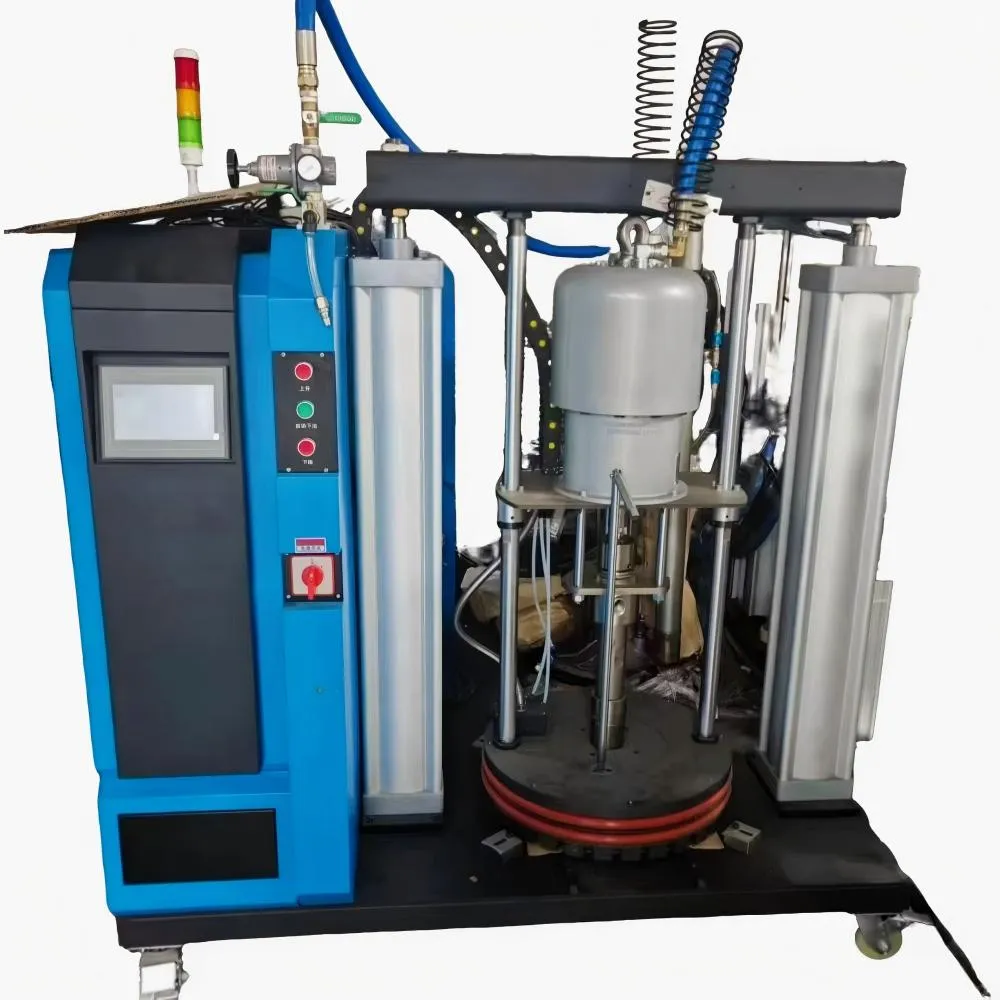
Engineering Review Points
Material approval decisions work best when engineering, validation, and purchasing all review the same evidence in the same order.
- Define the distinct purpose of each approval gate before the project starts moving quickly.
- Make sure every gate inherits evidence from the prior gate without losing document, lot, and decision traceability.
- Separate material-fit questions from process-fit questions and from release-fit questions so each stage stays interpretable.
- Use measurable release and re-approval thresholds instead of opinion-driven progression.
- Archive every gate clearly so lot review, change notice review, and launch risk review can reuse real evidence later.
This approach helps the team decide whether the material path is truly ready for the next gate or only appears ready.
Quantification Rules Engineers Should Watch
Approval decisions become stronger when teams lock measurable material conditions instead of relying on memory or broad confidence statements.
- document revision continuity across gates
- number of open risks carried from one gate to the next
- lot continuity evidence depth
- defect trend stability from sample to launch
- storage and shelf-life margin at release
- revalidation trigger clarity
These values make approval discussions easier to defend internally and easier for suppliers to support clearly.
Decision Layer: Material, Process, Equipment, or Procurement?
| If you see this | Dominant layer | What it usually means | What to do next |
|---|---|---|---|
| Every gate seems to answer everything | Approval design | the workflow is overloaded | split gate purposes more clearly |
| Later stages cannot trace earlier assumptions | Evidence continuity | the approval chain is weak | tighten archive and handoff logic |
| Launch keeps reopening sample questions | Gate discipline | earlier gates were too vague | repair the path, not just the release |
| Lot changes cause repeated confusion | Continuity control | lot logic is underdefined | write explicit lot-review rules |
| The archive is weak | Traceability | future revalidation becomes expensive | strengthen record retention immediately |
Strong approval logic separates material, process, document, and launch risks instead of blending them into one vague judgment.
Checklist before moving forward
| Checklist item | Why it matters |
|---|---|
| Define gate purpose clearly | Prevents approval overlap and confusion |
| Carry forward evidence deliberately | Protects continuity between gates |
| Separate open risks by stage | Improves decision clarity |
| Use measurable signoff rules | Makes approvals more defensible |
| Archive document, lot, and defect evidence | Supports future release and change control |
| Review lot and launch logic before scale-up | Protects production stability |
If this checklist is incomplete, the team should treat the next stage as provisional rather than fully approved.
Material Approval Path
These guides are meant to be read as one connected approval system. Start with process-fit documents, move through compatibility and supplier comparison, tighten sample and pilot gates, review launch and lot risks, and keep the full approval logic anchored in one pillar page.
- Step 1: Read the TDS for process fit – How to Read a Potting Material TDS Before You Choose Equipment
- Step 2: Screen compatibility before samples – Material Compatibility Checklist Before Dispensing Trials
- Step 3: Review SDS limits before validation – How to Read a Two-Part Adhesive SDS Before Process Validation
- Step 4: Compare supplier data before RFQ – How Should Buyers Compare Material Supplier Data Before RFQ?
- Step 5: Ask the right questions before sample approval – What Material Questions Should Buyers Send Before Sample Approval?
- Step 6: Handle formula revision after sample approval – How Should Buyers Handle a Material Formula Revision After Sample Approval?
- Step 7: Approve supplier-proposed equivalent material – How Should Buyers Approve an Equivalent Material Proposed by a Supplier?
- Step 8: Qualify a second-source material – How Should Buyers Qualify a Second-Source Material for Dispensing and Potting?
- Step 9: Respond to approved material discontinuation – What Should Buyers Do When an Approved Potting Material Is Discontinued?
- Step 10: Lock core material data before pilot run – What Material Data Should Buyers Lock Before Pilot Run Approval?
- Step 11: Review evidence after pilot run – What Material Evidence Should Buyers Review After Pilot Run?
- Step 12: Review launch-stage material risks – What Material Risks Should Be Reviewed Before Mass Production Launch?
- Step 13: Define release-stopping deviations – What Material Deviations Should Stop Production Release?
- Step 14: Compare first lot data before release – How Should Buyers Compare First Lot Data Before Production Release?
- Step 15: Set lot re-approval triggers – When Should a New Material Lot Trigger Re-Approval?
- Step 16: Review change notices before revalidation – How Should Buyers Review Material Change Notices Before Revalidation?
- Step 17: Recheck material assumptions after failed pilot – What Material Questions Should Be Rechecked After a Failed Pilot Run?
- Step 18: Review shelf-life risk before scheduling – How Should Teams Review Material Shelf-Life Risk Before Production Scheduling?
- Step 19: Archive the approval evidence package – What Material Records Should Be Archived After Sample and Pilot Approval?
- Step 20: Use the full material approval pillar – Complete Guide to Material Approval for Dispensing and Potting Projects
Supplier Change Control After Material Approval
After a material is approved, buyers still need a supplier-change control layer. Use How Should Buyers Audit Supplier Change Control After Potting Material Approval? to audit supplier change notices, formula or source changes, site changes, packaging updates, affected lots, revalidation triggers, and post-change monitoring rules.
Incoming Inspection for Approved Potting Materials
After material approval, every received lot still needs release control. Review What Incoming Inspection Should Buyers Use for Approved Potting Materials? to define lot identity checks, COA review, shelf-life rules, quarantine triggers, physical checks, and first-use monitoring before material enters production.
Nonconforming Incoming Potting Material Lots
Material approval also needs a clear disposition path when received lots fail inspection. Review How Should Buyers Handle Nonconforming Incoming Potting Material Lots? to define quarantine, correction, retest, concession, rejection, supplier CAPA, and revalidation triggers.
Supplier CAPA After Potting Material Nonconformance
Material approval should include a supplier CAPA path for repeated or severe nonconformance. Review How Should Buyers Review Supplier CAPA After Potting Material Nonconformance? to define containment, root cause, corrective action, prevention, verification, and buyer closure rules.
Supplier Scorecard and Requalification After Quality Issues
Material approval should include supplier-performance monitoring. Review How Should Buyers Score and Requalify Potting Material Suppliers After Quality Issues? to connect incoming inspection, CAPA history, change control, production impact, and second-source triggers into a practical supplier scorecard.
Related OBO Precision Guides
- How to Read a Potting Material TDS Before You Choose Equipment
- Material Compatibility Checklist Before Dispensing Trials
- How to Read a Two-Part Adhesive SDS Before Process Validation
- How Should Buyers Compare Material Supplier Data Before RFQ?
- What Material Questions Should Buyers Send Before Sample Approval?
- What Material Data Should Buyers Lock Before Pilot Run Approval?
- Contact OBO Precision
Frequently Asked Questions
Why should material approval be staged instead of treated as one signoff?
Because each stage answers a different class of question, and combining them weakens decision clarity.
What is the biggest weakness in many approval systems?
Earlier evidence is not translated cleanly into later gate rules, so teams keep reopening old assumptions.
Should lot review and launch review be part of material approval?
Yes. Material approval is incomplete if it stops before continuity and release logic are defined.
Why is this kind of pillar useful for AI-driven search?
Because it presents a full decision system with clear stages, boundaries, and evidence logic rather than one isolated answer.
Need help building a stronger material approval path for your dispensing or potting project?
Send your material documents, approval stages, and open gate questions, and OBO Precision can help map a cleaner path from sample through launch. Contact OBO Precision.
Related supplier control step: After scoring or reviewing supplier risk, buyers should also define the written responsibilities in How Should Buyers Write a Supplier Quality Agreement for Potting Materials?.
Related supplier audit step: Buyers who need to verify supplier controls can use What Supplier Audit Checklist Should Buyers Use for Potting Material Manufacturers? as a practical audit checklist.
Related audit closure step: After identifying supplier audit gaps, buyers can use How Should Buyers Close Supplier Audit Findings Before Approving Potting Material Suppliers? to decide what evidence is needed before supplier approval.
Related supplier containment step: If supplier risk is not low enough for normal release, buyers can use When Should Buyers Put Potting Material Suppliers on Controlled Shipping? to define temporary controlled shipping and exit criteria.
Related escalation step: If controlled shipping does not reduce supplier risk, buyers can use When Should Buyers Escalate From Controlled Shipping to Second-Source Qualification? to decide when to start backup material approval.
\n
Related dual-source control step: After approving a backup source, buyers can use How Should Buyers Manage Dual-Source Potting Materials Without Process Drift? to control source switching and prevent process drift.
Related allocation step: After dual-source approval, buyers can use How Should Buyers Split Production Volume Between Dual-Source Potting Material Suppliers? to decide how much production volume each supplier should receive.
Related KPI step: Buyers managing dual-source materials can use What KPIs Should Buyers Track for Dual-Source Potting Material Suppliers? to decide whether supplier performance supports the current allocation and source-switching plan.
Related revalidation step: After tracking dual-source supplier KPIs, buyers can use When Should KPI Trends Trigger Revalidation for Dual-Source Potting Materials? to decide when process drift requires engineering revalidation.
Related recipe-control step: If dual-source materials require different process settings, buyers can use How Should Buyers Control Source-Specific Machine Recipes for Dual-Source Potting Materials? to prevent wrong-recipe selection and uncontrolled parameter changes.
Related recipe-change step: If machine recipe parameters need revision, buyers can use What Approval Workflow Should Buyers Use for Machine Recipe Changes in Dual-Source Potting? to define approval, validation, release, and traceability rules.
Related audit-trail step: After approving recipe changes, buyers can use What Audit Trail Should Buyers Keep for Machine Recipe Changes in Dual-Source Potting? to make recipe history, affected lots, validation evidence, and production release traceable.
References
Related launch control step: After production validation, buyers should define a launch control plan after second-source dispensing validation before releasing normal volume.