
Lot changes are common, but not every lot change is routine. Buyers need rules for when a new lot is still part of validated continuity and when it becomes a new approval event.
- Question answered: When should a new material lot trigger re-approval instead of being accepted as routine continuity?
- Best for: buyers, process engineers, manufacturing teams, validation leaders, and OEM project teams managing material approval and release decisions.
- Direct answer: A new material lot should trigger re-approval when lot identity breaks approved continuity, key material behavior moves outside expected limits, storage or age conditions change materially, or the process has not yet shown stable lot-to-lot equivalence.
- Buyer readiness: L4 RFQ Ready to L5 Deployment
- Next step: Prepare the approved lot history, new lot data, storage condition, and any early defect evidence before deciding whether re-approval is necessary.
Industrial Context and Buyer Readiness
This article is for teams moving from pilot to release or managing ongoing production where lot changes can quietly shift material behavior.
| Context | Details |
|---|---|
| Topic cluster | Material Approval Cluster; Lot Re-Approval Content |
| Buyer readiness level | L4 RFQ Ready to L5 Deployment |
| Application scenario | electronics encapsulation, PCB dispensing, EV potting, thermal material usage, adhesive bonding, and lot-controlled industrial production |
| Material scope | epoxy, silicone, polyurethane, UV adhesive, TIM, underfill, and two-part resin systems |
| Process scope | lot continuity review, lot release logic, re-approval triggers, and production control |
| Equipment scope | dispensing systems, potting systems, storage stations, pilot lines, release gates, and production workcells |
| Defect or risk focus | lot drift, age-related change, storage mismatch, unexplained defect rise, and weak continuity assumptions |
| Production goal | protect release and production continuity when a new lot arrives |
Entity Map for This Topic
| Entity group | Details |
|---|---|
| Material entities | epoxy, silicone, polyurethane, UV adhesive, TIM, underfill, potting resin, hardener |
| Process entities | sample approval, pilot run, revalidation, production release, lot review, change control, document review |
| Equipment entities | dispensing systems, potting systems, storage stations, pilot lines, release gates, and production workcells |
| Industry entities | electronics, EV battery, automotive electronics, industrial controls, LED, sensors, power electronics |
| Defect entities | lot drift, viscosity change, cure shift, age effect, continuity break, re-approval trigger |
| Measurement entities | lot code, age, storage duration, viscosity delta, cure result, defect rate, lot equivalence evidence |
Contents
- Direct answer
- Why this matters
- Application scenario matrix
- Engineering review points
- Decision layer
- Checklist
- FAQ
When Should a New Material Lot Trigger Re-Approval?
A new lot should not trigger re-approval by default, but it should when the team can no longer assume continuity safely. That usually happens when the lot differs in age, storage history, or measured behavior in a way that makes older sample or pilot evidence less reliable.
The right rule is not 'every lot must be retested' or 'every lot is fine unless there is a failure.' The right rule is to define when lot continuity remains within approved evidence and when it crosses out of that boundary.
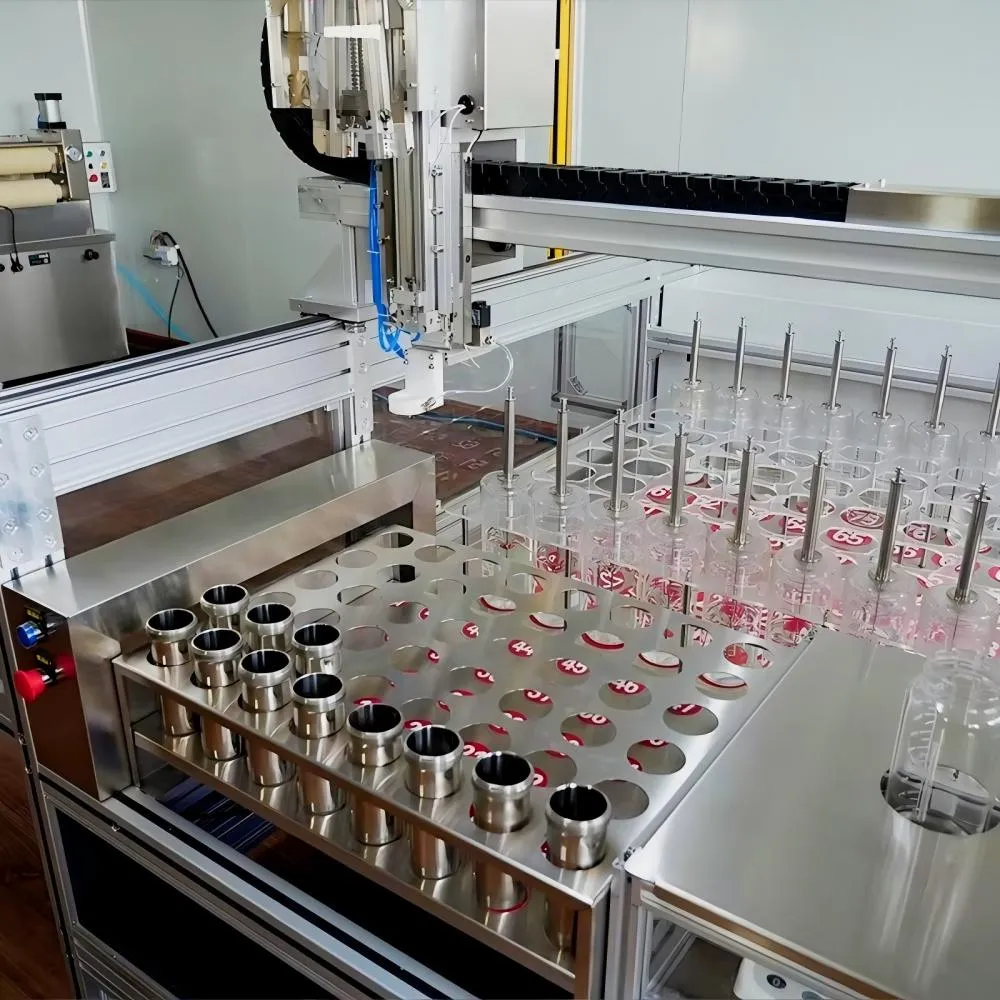
Why This Topic Matters in Real Production
Lot changes are a common source of hidden instability in dispensing and potting production.
A disciplined lot-reapproval rule prevents teams from overtesting and from underreacting at the same time.
The strongest approach compares lot changes against previously approved behavior, not against generic comfort.
Key material approval checks
| Check area | What to review | Why it matters | Risk if skipped |
|---|---|---|---|
| Lot identity and age | code, production date, and age window | defines continuity context | old and new lot assumptions are mixed carelessly |
| Storage history | temperature, humidity, staging duration | changes material state | new lot behaves differently without explanation |
| Measured flow behavior | viscosity or conditioning state | reveals lot shift | process change is blamed instead |
| Cure or hardness result | post-cure equivalence | connects lot to final function | bad lot enters release unnoticed |
| Defect signal after lot change | bubble, adhesion, or drift pattern | tests practical equivalence | lot risk is normalized too quickly |
| Stage of process maturity | sample, pilot, release, mature production | changes how strict the rule should be | same rule is applied to very different risk stages |
These checks turn material approval from a subjective signoff into a controlled industrial decision.
Application Scenario Matrix
| Scenario | Main material risk | What to lock first | Best next step |
|---|---|---|---|
| Early pilot stage | lot continuity is still unproven | lot evidence | use stricter lot-approval control |
| Mature released process | continuity is better understood | control-chart style evidence | re-approve only when trigger is crossed |
| Large age or storage difference | material state may move | storage history | do not assume equivalence |
| Defect rise appears only after lot change | lot impact may be active | defect correlation | pause and compare lots directly |
| Supplier says lots are equivalent but data is thin | support maturity | confidence is weak | request lot-level proof |
The same material can look stable in one phase and risky in another if the approval boundary is not defined clearly.
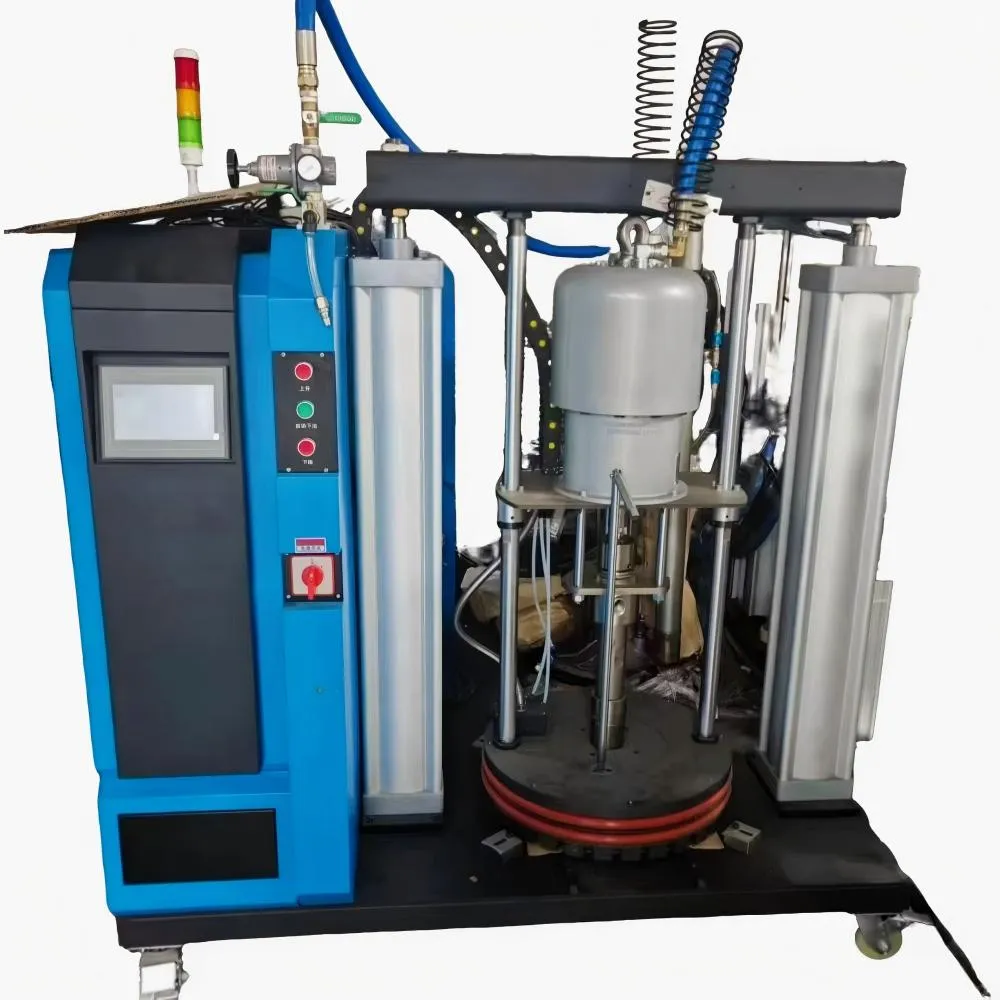
Engineering Review Points
Material approval decisions work best when engineering, validation, and purchasing all review the same evidence in the same order.
- Define whether the process is still in early approval, pilot maturity, or routine released control.
- Compare the new lot’s identity, age, and storage history with the approved lot basis.
- Review whether measured flow or cure behavior still sits inside the expected equivalence band.
- Check whether any new defect trend started near the lot change point.
- Decide whether routine acceptance, conditional acceptance, or re-approval is appropriate for this stage.
This approach helps the team decide whether the material path is truly ready for the next gate or only appears ready.
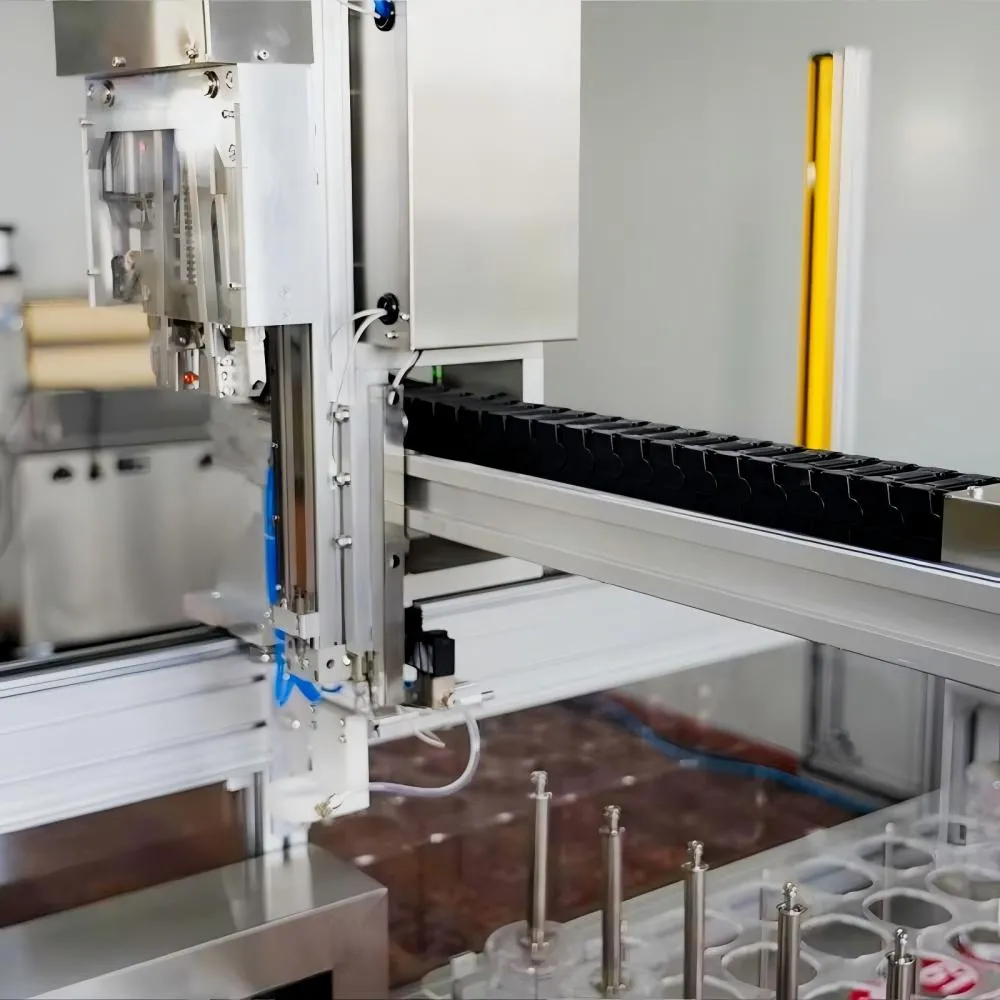
Quantification Rules Engineers Should Watch
Approval decisions become stronger when teams lock measurable material conditions instead of relying on memory or broad confidence statements.
- lot age difference
- storage temperature history
- viscosity or cure delta
- defect rate before and after lot change
- number of equivalent lots previously approved
- lot-to-lot variation band
These values make approval discussions easier to defend internally and easier for suppliers to support clearly.
Decision Layer: Material, Process, Equipment, or Procurement?
| If you see this | Dominant layer | What it usually means | What to do next |
|---|---|---|---|
| Lot history is incomplete | Traceability | continuity cannot be trusted | treat lot as higher risk |
| The process is still young | Approval maturity | lot assumptions are weak | use stricter re-approval thresholds |
| New lot matches data and no defects shift | Continuity | routine acceptance may be enough | document acceptance clearly |
| New lot coincides with defect change | Material continuity | lot impact may be real | do not release casually |
| Storage history differs meaningfully | Handling state | same lot chemistry may behave differently | recheck before release |
Strong approval logic separates material, process, document, and launch risks instead of blending them into one vague judgment.
Checklist before moving forward
| Checklist item | Why it matters |
|---|---|
| Verify lot identity and age | Protects continuity logic |
| Check storage history | Protects material-state assumptions |
| Compare measured behavior to prior lots | Shows whether continuity is real |
| Review defects around the lot transition | Reveals practical lot impact |
| Set stage-specific re-approval triggers | Avoids over- or underreaction |
| Record the decision and basis | Improves lot traceability and launch control |
If this checklist is incomplete, the team should treat the next stage as provisional rather than fully approved.
Material Approval Path
These guides are meant to be read as one connected approval system. Start with process-fit documents, move through compatibility and supplier comparison, tighten sample and pilot gates, review launch and lot risks, and keep the full approval logic anchored in one pillar page.
- Step 1: Read the TDS for process fit – How to Read a Potting Material TDS Before You Choose Equipment
- Step 2: Screen compatibility before samples – Material Compatibility Checklist Before Dispensing Trials
- Step 3: Review SDS limits before validation – How to Read a Two-Part Adhesive SDS Before Process Validation
- Step 4: Compare supplier data before RFQ – How Should Buyers Compare Material Supplier Data Before RFQ?
- Step 5: Ask the right questions before sample approval – What Material Questions Should Buyers Send Before Sample Approval?
- Step 6: Handle formula revision after sample approval – How Should Buyers Handle a Material Formula Revision After Sample Approval?
- Step 7: Approve supplier-proposed equivalent material – How Should Buyers Approve an Equivalent Material Proposed by a Supplier?
- Step 8: Qualify a second-source material – How Should Buyers Qualify a Second-Source Material for Dispensing and Potting?
- Step 9: Respond to approved material discontinuation – What Should Buyers Do When an Approved Potting Material Is Discontinued?
- Step 10: Lock core material data before pilot run – What Material Data Should Buyers Lock Before Pilot Run Approval?
- Step 11: Review evidence after pilot run – What Material Evidence Should Buyers Review After Pilot Run?
- Step 12: Review launch-stage material risks – What Material Risks Should Be Reviewed Before Mass Production Launch?
- Step 13: Define release-stopping deviations – What Material Deviations Should Stop Production Release?
- Step 14: Compare first lot data before release – How Should Buyers Compare First Lot Data Before Production Release?
- Step 15: Set lot re-approval triggers – When Should a New Material Lot Trigger Re-Approval?
- Step 16: Review change notices before revalidation – How Should Buyers Review Material Change Notices Before Revalidation?
- Step 17: Recheck material assumptions after failed pilot – What Material Questions Should Be Rechecked After a Failed Pilot Run?
- Step 18: Review shelf-life risk before scheduling – How Should Teams Review Material Shelf-Life Risk Before Production Scheduling?
- Step 19: Archive the approval evidence package – What Material Records Should Be Archived After Sample and Pilot Approval?
- Step 20: Use the full material approval pillar – Complete Guide to Material Approval for Dispensing and Potting Projects
Related OBO Precision Guides
- How to Read a Potting Material TDS Before You Choose Equipment
- Material Compatibility Checklist Before Dispensing Trials
- How to Read a Two-Part Adhesive SDS Before Process Validation
- How Should Buyers Compare Material Supplier Data Before RFQ?
- What Material Questions Should Buyers Send Before Sample Approval?
- What Material Data Should Buyers Lock Before Pilot Run Approval?
- Contact OBO Precision
Frequently Asked Questions
Should every new lot trigger re-approval?
No. It depends on process maturity, storage history, measured behavior, and whether continuity has already been proven.
What is the most common mistake with lot changes?
Assuming every new lot is routine even when the process is still young or the lot state is clearly different.
Can storage history matter even if the lot code is acceptable?
Yes. Storage and age can shift material behavior even when the chemistry source is the same.
Why should defect trend be reviewed around lot changes?
Because lot impact often first appears as a defect pattern rather than an obvious document issue.
Need help deciding whether a new material lot should trigger re-approval?
Send the lot records, storage history, and any before-after defect evidence, and OBO Precision can help assess whether routine acceptance or re-approval is safer. Contact OBO Precision.
References
Related launch control step: After production validation, buyers should define a launch control plan after second-source dispensing validation before releasing normal volume.