
A pilot run should create evidence, not just a general sense that the material seemed acceptable. If buyers move forward without reviewing the right post-pilot material evidence, they risk turning pilot activity into false confidence rather than a release-quality decision.
- Question answered: What material evidence should buyers review after a pilot run before deciding whether to continue toward release?
- Best for: buyers, process engineers, manufacturing teams, validation leaders, and OEM project teams managing material approval and release decisions.
- Direct answer: After a pilot run, buyers should review lot consistency, defect patterns, cure behavior, handling stability, operator feedback, and any mismatch between expected and observed material performance before deciding whether the material is ready for broader release.
- Buyer readiness: L4 RFQ Ready to L5 Deployment
- Next step: Prepare pilot records, lot data, defect photos, cure results, and unresolved material questions before deciding the next gate.
Industrial Context and Buyer Readiness
This article focuses on what should be reviewed after the pilot itself, once the team has actual run data rather than only planned assumptions.
| Context | Details |
|---|---|
| Topic cluster | Material Approval Cluster; Pilot Evidence Review Content |
| Buyer readiness level | L4 RFQ Ready to L5 Deployment |
| Application scenario | electronics encapsulation pilots, EV battery potting pilots, PCB dispensing pilots, thermal material pilots, and industrial adhesive launch reviews |
| Material scope | epoxy, silicone, polyurethane, UV adhesive, TIM, underfill, and two-part potting compounds |
| Process scope | pilot review, post-run evidence review, release readiness check, and launch-gate discussion |
| Equipment scope | dispensing machines, potting machines, 2K systems, pumps, valves, mixers, cure stations, and pilot-line workcells |
| Defect or risk focus | pilot pass with hidden drift, unresolved defect patterns, unstable cure, lot-to-lot doubt, and weak release evidence |
| Production goal | translate pilot output into a defensible material-release decision |
Entity Map for This Topic
| Entity group | Details |
|---|---|
| Material entities | epoxy, silicone, polyurethane, UV adhesive, TIM, underfill, potting resin, hardener |
| Process entities | sample approval, pilot run, revalidation, production release, lot review, change control, document review |
| Equipment entities | dispensing machines, potting machines, 2K systems, pumps, valves, mixers, cure stations, and pilot-line workcells |
| Industry entities | electronics, EV battery, automotive electronics, industrial controls, LED, sensors, power electronics |
| Defect entities | defect trend, cure drift, bubble rate, adhesion instability, storage drift, lot inconsistency |
| Measurement entities | lot variance, defect frequency, cure time, hardness, ratio stability, storage age, shift-to-shift consistency |
Contents
- Direct answer
- Why this matters
- Application scenario matrix
- Engineering review points
- Decision layer
- Checklist
- FAQ
What Material Evidence Should Buyers Review After Pilot Run?
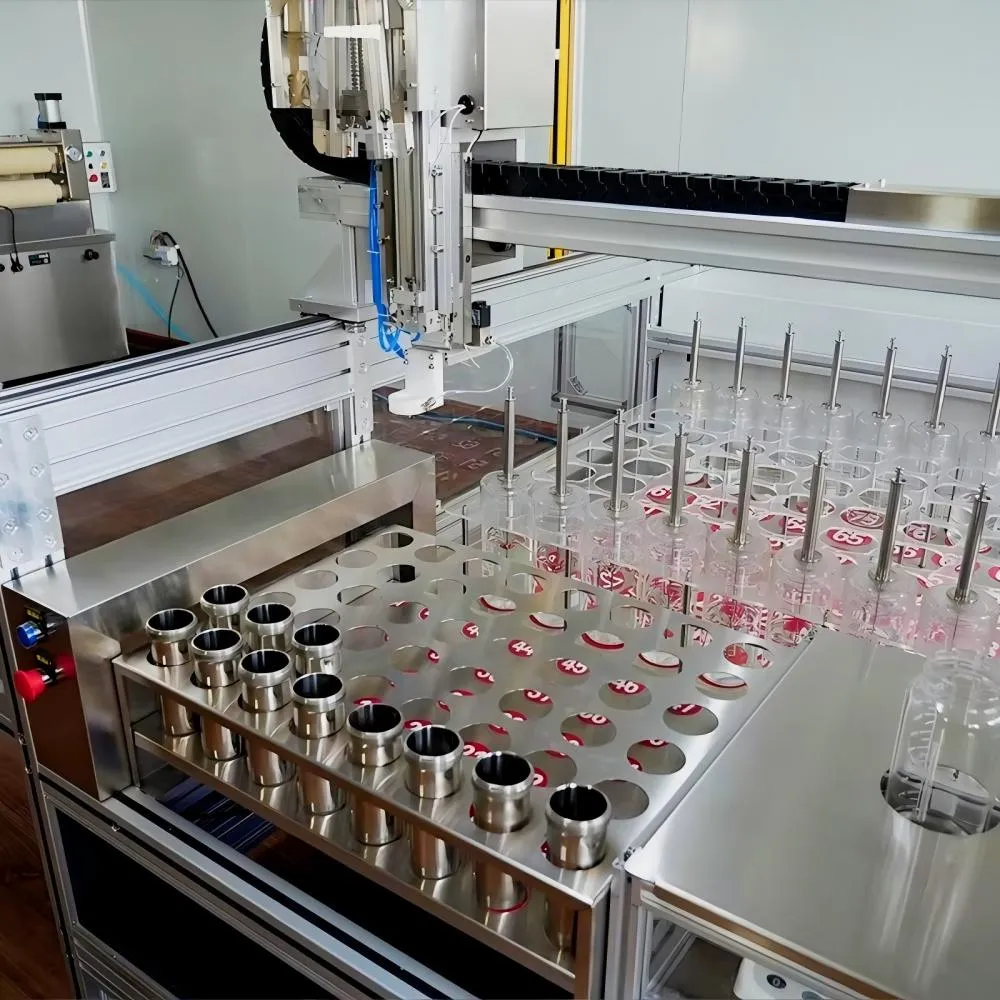
Post-pilot review should ask whether the material behaved consistently enough to justify the next investment step. That means checking not only whether good parts were produced, but whether the underlying material assumptions remained stable across time, shifts, and handling conditions.
Buyers should look for evidence that the material stayed within the expected viscosity window, cured within the expected range, and did not create new defect sensitivity as the pilot progressed. If those signals are weak, the pilot may still be useful, but it has not yet justified a broader release decision.
Why This Topic Matters in Real Production
Pilot success is less about a few good parts and more about whether the material stayed stable across realistic pilot conditions.
The post-pilot evidence set often reveals risks that were invisible during sample approval.
A buyer who reviews pilot evidence carefully can make a much cleaner release or revalidation decision.
Key material approval checks
| Check area | What to review | Why it matters | Risk if skipped |
|---|---|---|---|
| Lot performance | lot code, batch age, and lot-to-lot consistency | shows whether behavior stayed stable | release uses unproven lot assumptions |
| Defect trend | bubble rate, overflow, adhesion loss, cure drift | reveals pilot stability | one-time good parts hide broader risk |
| Handling feedback | storage, refill, purge, cleanup observations | shows operational burden | launch inherits hidden daily-use issues |
| Cure evidence | hardness, cure window, post-cure results | connects pilot to final function | release misreads cure readiness |
| Shift variation | operator-to-operator or shift-to-shift differences | tests repeatability | variation appears only after launch |
| Open questions | what still remains unproven | sets next gate honestly | project moves forward too early |
These checks turn material approval from a subjective signoff into a controlled industrial decision.
Application Scenario Matrix
| Scenario | Main material risk | What to lock first | Best next step |
|---|---|---|---|
| Short pilot with one lot | lot confidence is still low | lot history | treat result as conditional evidence |
| Multi-shift pilot | handling discipline may vary | shift variation | review SOP and operator consistency |
| 2K resin pilot | ratio drift may appear late | post-run ratio evidence | review calibration and cure together |
| Thermal material pilot | filler and conditioning may drift | storage and agitation behavior | check stability over time |
| Supplier-comparison pilot | different evidence quality by supplier | pilot records and open risks | rank by evidence depth, not confidence tone |
The same material can look stable in one phase and risky in another if the approval boundary is not defined clearly.
Engineering Review Points
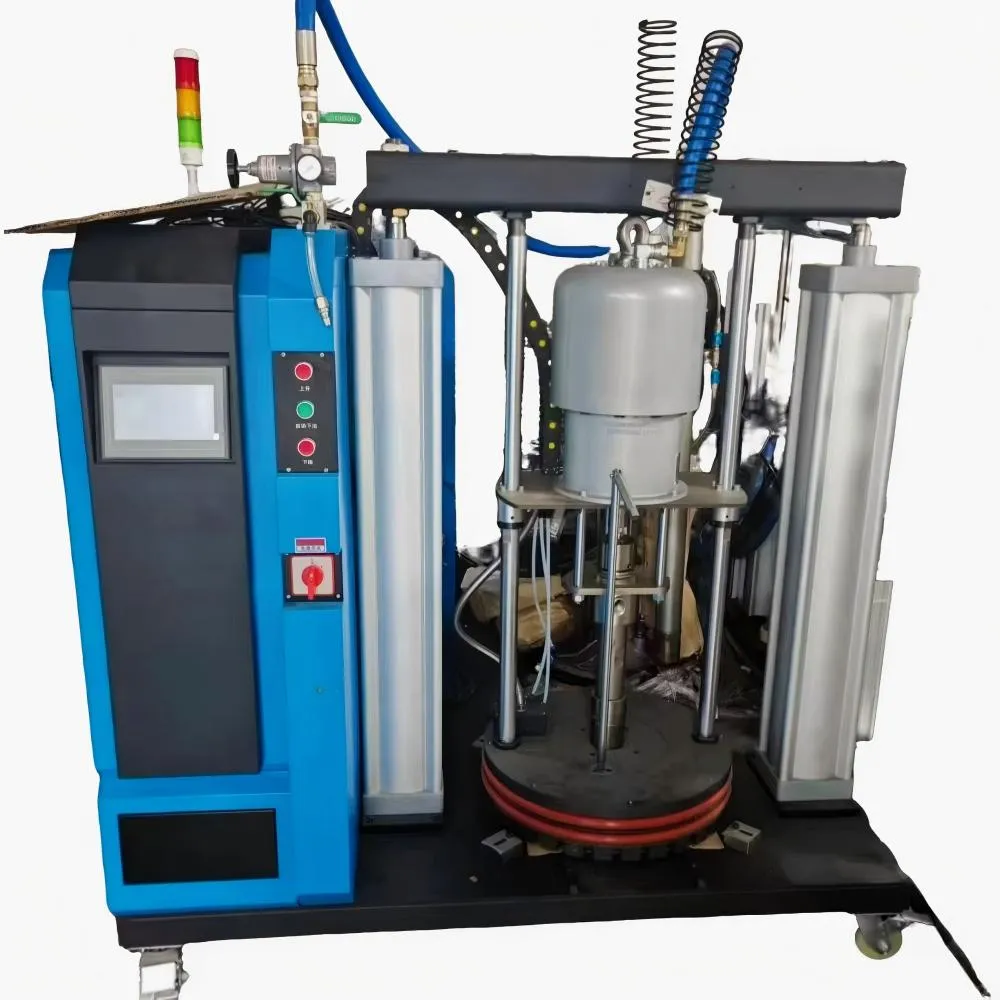
Material approval decisions work best when engineering, validation, and purchasing all review the same evidence in the same order.
- Review pilot records against the material assumptions that were frozen before the run.
- Check whether observed viscosity, cure, and defect behavior stayed inside the expected boundary.
- Separate defects caused by process instability from defects caused by still-open material questions.
- Compare any operator or shift variation to the approved handling and storage rules.
- Document what the pilot actually proved and what still needs revalidation before release.
This approach helps the team decide whether the material path is truly ready for the next gate or only appears ready.
Quantification Rules Engineers Should Watch
Approval decisions become stronger when teams lock measurable material conditions instead of relying on memory or broad confidence statements.
- lot-to-lot consistency
- defect frequency across pilot duration
- cure variation across shifts
- handling-related variation
- storage age at run time
- rework or scrap burden during pilot
These values make approval discussions easier to defend internally and easier for suppliers to support clearly.
Decision Layer: Material, Process, Equipment, or Procurement?
| If you see this | Dominant layer | What it usually means | What to do next |
|---|---|---|---|
| Good parts exist but defect trend is widening | Release readiness | pilot evidence is incomplete | hold release and review trend depth |
| Cure varies by shift | Handling / process discipline | material or condition is not controlled tightly | recheck SOP and storage |
| One supplier gives clearer pilot evidence | Support quality | their data is more decision-useful | weigh evidence depth in selection |
| Open questions remain around lot behavior | Material freeze | release risk is still open | request more lot evidence or another gate |
| Pilot looks good but cleanup burden is high | Operational fit | material may still be costly to scale | include burden in release decision |
Strong approval logic separates material, process, document, and launch risks instead of blending them into one vague judgment.
Checklist before moving forward
| Checklist item | Why it matters |
|---|---|
| Review lot and batch evidence | Protects against hidden lot assumptions |
| Check defect trend, not just pass parts | Shows real stability |
| Review cure and hardness evidence | Connects pilot to final function |
| Capture operator and shift feedback | Reveals daily-use risk |
| List unresolved material questions | Keeps next gate honest |
| Decide if release or revalidation is next | Prevents fuzzy project transitions |
If this checklist is incomplete, the team should treat the next stage as provisional rather than fully approved.
Material Approval Path
These guides are meant to be read as one connected approval system. Start with process-fit documents, move through compatibility and supplier comparison, tighten sample and pilot gates, review launch and lot risks, and keep the full approval logic anchored in one pillar page.
- Step 1: Read the TDS for process fit – How to Read a Potting Material TDS Before You Choose Equipment
- Step 2: Screen compatibility before samples – Material Compatibility Checklist Before Dispensing Trials
- Step 3: Review SDS limits before validation – How to Read a Two-Part Adhesive SDS Before Process Validation
- Step 4: Compare supplier data before RFQ – How Should Buyers Compare Material Supplier Data Before RFQ?
- Step 5: Ask the right questions before sample approval – What Material Questions Should Buyers Send Before Sample Approval?
- Step 6: Handle formula revision after sample approval – How Should Buyers Handle a Material Formula Revision After Sample Approval?
- Step 7: Approve supplier-proposed equivalent material – How Should Buyers Approve an Equivalent Material Proposed by a Supplier?
- Step 8: Qualify a second-source material – How Should Buyers Qualify a Second-Source Material for Dispensing and Potting?
- Step 9: Respond to approved material discontinuation – What Should Buyers Do When an Approved Potting Material Is Discontinued?
- Step 10: Lock core material data before pilot run – What Material Data Should Buyers Lock Before Pilot Run Approval?
- Step 11: Review evidence after pilot run – What Material Evidence Should Buyers Review After Pilot Run?
- Step 12: Review launch-stage material risks – What Material Risks Should Be Reviewed Before Mass Production Launch?
- Step 13: Define release-stopping deviations – What Material Deviations Should Stop Production Release?
- Step 14: Compare first lot data before release – How Should Buyers Compare First Lot Data Before Production Release?
- Step 15: Set lot re-approval triggers – When Should a New Material Lot Trigger Re-Approval?
- Step 16: Review change notices before revalidation – How Should Buyers Review Material Change Notices Before Revalidation?
- Step 17: Recheck material assumptions after failed pilot – What Material Questions Should Be Rechecked After a Failed Pilot Run?
- Step 18: Review shelf-life risk before scheduling – How Should Teams Review Material Shelf-Life Risk Before Production Scheduling?
- Step 19: Archive the approval evidence package – What Material Records Should Be Archived After Sample and Pilot Approval?
- Step 20: Use the full material approval pillar – Complete Guide to Material Approval for Dispensing and Potting Projects
Related OBO Precision Guides
- How to Read a Potting Material TDS Before You Choose Equipment
- Material Compatibility Checklist Before Dispensing Trials
- How to Read a Two-Part Adhesive SDS Before Process Validation
- How Should Buyers Compare Material Supplier Data Before RFQ?
- What Material Questions Should Buyers Send Before Sample Approval?
- What Material Data Should Buyers Lock Before Pilot Run Approval?
- Contact OBO Precision
Frequently Asked Questions
What matters more after pilot: one good sample or stable evidence?
Stable evidence matters more because release decisions depend on repeatability, not only isolated success.
Should buyers review operator feedback after pilot?
Yes. Handling difficulty, cleanup burden, and storage drift often appear first in operator feedback.
Can a successful pilot still require revalidation?
Yes. If key material questions remain open, the pilot result may not yet justify release.
Why check lot behavior after pilot?
Because one lot can perform acceptably while the broader lot-to-lot risk remains unclear.
Need help reviewing material evidence after a pilot run?
Send the pilot records, lot details, and open material questions, and OBO Precision can help assess whether release or revalidation is the safer next step. Contact OBO Precision.
References
Related second-source sample trial topic: What Sample Trial Plan Should Buyers Use for a Second-Source Dispensing Supplier? explains how buyers should plan sample quantity, material controls, process data, defect checks, and pilot approval before qualifying a backup dispensing supplier.