
A pilot run should confirm control, not reopen basic material questions. If buyers approve pilot runs while key material data is still moving, the team often spends the pilot rediscovering issues that should have been settled during sample approval and RFQ preparation.
- Question answered: What material data should buyers lock before approving a pilot run for dispensing or potting production?
- Best for: buyers, manufacturing engineers, process engineers, validation leaders, and OEM teams moving from sample approval to pilot production.
- Direct answer: Before pilot run approval, buyers should lock the material data that directly affects repeatability: final TDS revision, SDS constraints, ratio basis, viscosity condition, pot life, cure window, storage rules, substrate match, defect limits, and the validation tests still required after the pilot. If these are not locked, the pilot can create misleading confidence instead of useful production evidence.
- Buyer readiness: L4 RFQ Ready to L5 Deployment
- Next step: Prepare the latest TDS and SDS, approved substrate list, pilot-run acceptance criteria, storage method, and open defect questions before approving the pilot batch.
Industrial Context and Buyer Readiness
This article focuses on the material-data layer of pilot approval. It is written for teams that already have sample results and now need to decide whether the material package is stable enough for a meaningful pilot run.
| Context | Details |
|---|---|
| Topic cluster | Procurement Decision Content; Material Selection Cluster; Pilot Run Validation Content |
| Buyer readiness level | L4 RFQ Ready to L5 Deployment |
| Application scenario | electronics encapsulation pilots, EV battery potting pilots, PCB dispensing pilot lines, sensor sealing pilots, thermal material pilot runs, and industrial adhesive launch preparation |
| Material scope | epoxy, silicone, polyurethane, UV adhesive, thermal interface materials, underfill, and two-part potting compounds |
| Process scope | pilot run planning, material freeze, ratio confirmation, cure review, storage control, defect boundary setting, and validation handoff |
| Equipment scope | dispensing machines, potting machines, 2K systems, pumps, valves, mixers, cure stations, and pilot-line workcells |
| Defect or risk focus | changing viscosity assumptions, unstable ratio control, cure drift, storage variation, unresolved compatibility risk, and weak pilot conclusions |
| Production goal | enter pilot production with stable material assumptions so the run measures process control rather than document uncertainty |
Entity Map for This Topic
| Entity group | Details |
|---|---|
| Material entities | epoxy, silicone, polyurethane, UV adhesive, TIM, underfill, potting resin, hardener |
| Process entities | pilot run, pilot approval, material freeze, cure review, validation prep, process release |
| Equipment entities | dispensing valve, pump, potting system, 2K machine, pilot workcell, cure setup, storage station |
| Industry entities | electronics, EV battery, automotive electronics, LED, industrial controls, sensors, power electronics |
| Defect entities | viscosity drift, ratio mismatch, incomplete cure, poor adhesion, bubble risk, storage instability, misleading pilot pass |
| Measurement entities | viscosity, mix ratio, pot life, cure time, storage temperature, defect limit, acceptance criteria, sample-to-pilot consistency |
Contents
- Direct answer
- Why this matters
- Application scenario matrix
- Engineering review points
- Decision layer
- Checklist
- FAQ
What Material Data Should Buyers Lock Before Pilot Run Approval?
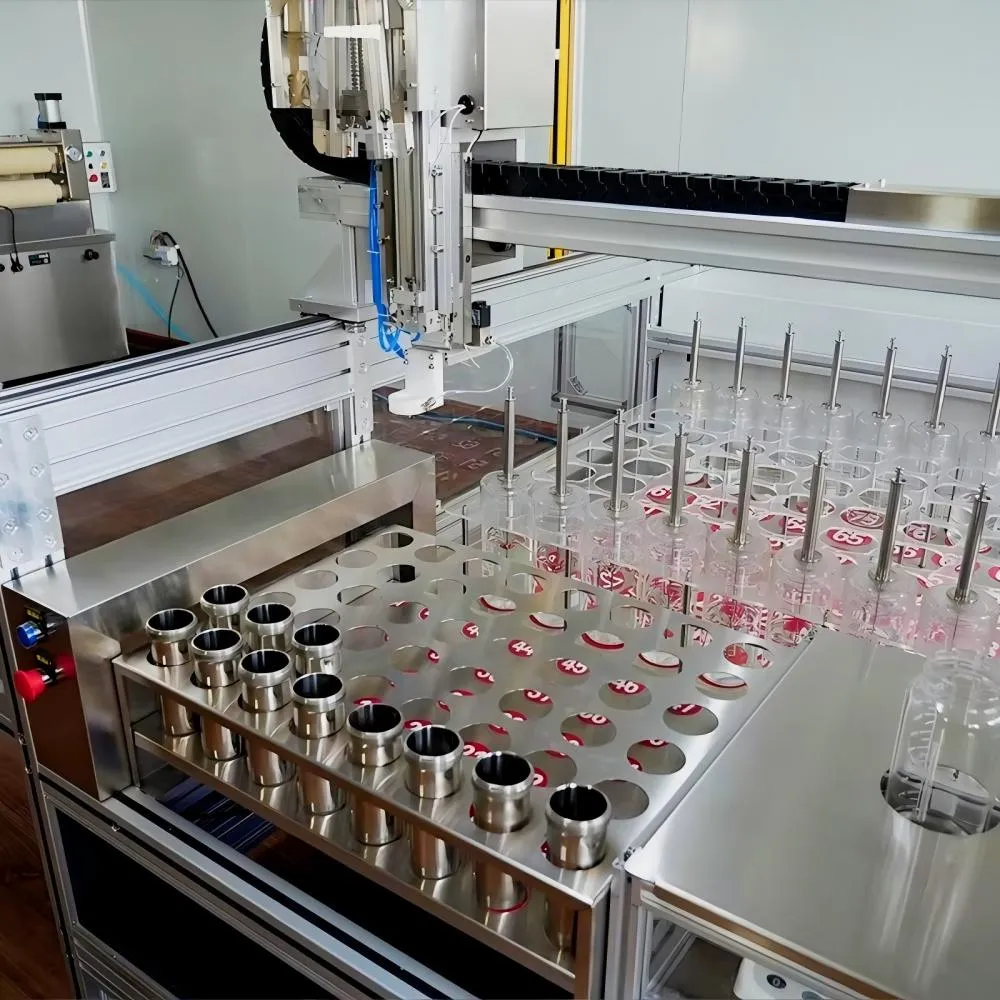
Pilot run approval should happen only after the team freezes the material data needed to interpret pilot results. If one operator is using a different TDS revision, if ratio is still being discussed by weight versus volume, or if storage conditions are not controlled consistently, the pilot run no longer tests the process cleanly. It tests a moving target.
That is why buyers should lock the small set of material facts that can change outcome across batches or shifts. The point is not to eliminate all uncertainty. The point is to make sure the pilot reveals process capability, defect pattern, and launch readiness rather than basic confusion about chemistry assumptions.
Why This Topic Matters in Real Production
Many pilot runs look noisy not because the equipment is unstable, but because the material package was never fully frozen. Different storage ages, different conditioning states, or different cure assumptions can create variation that the team later misreads as a machine problem.
A locked material-data set also improves supplier accountability. When the pilot uses an agreed revision, agreed storage rules, and agreed defect limits, post-run discussion becomes much cleaner and more useful.
This topic is strong for industrial SEO because it matches a real procurement and launch moment. Teams do not just search for machines. They search for what must be fixed before a pilot is worth trusting.
Material data buyers should freeze before a pilot run
| Material data item | Why it must be locked | What to confirm | Risk if still open |
|---|---|---|---|
| TDS revision | prevents teams from comparing against outdated values | revision number and release date | pilot conclusions use conflicting assumptions |
| SDS handling rules | ensures storage and cleanup are controlled consistently | PPE, ventilation, storage, cleanup method | pilot looks unstable due to handling drift |
| Ratio basis | critical for 2K systems | weight or volume basis and tolerance | pilot variation is misread |
| Viscosity condition | flow behavior changes with conditioning | temperature, age, agitation, preheat state | output is inconsistent across lots or shifts |
| Cure window | needed to interpret pilot pass/fail fairly | time, temperature, post-cure, light exposure | cure failures get blamed on the wrong cause |
| Defect acceptance limits | pilot needs measurable boundaries | bubble, overflow, adhesion, hardness, cosmetic limits | pilot pass becomes subjective |
| Approved substrate and finish set | keeps compatibility assumptions stable | part numbers, finish types, prep condition | pilot uses mixed surfaces and confuses results |
A pilot run should not be used to decide which version of the material rules the team prefers. Those rules need to be fixed before the pilot starts.
Application Scenario Matrix
| Pilot scenario | Main material-data risk | What to lock first | Best next step |
|---|---|---|---|
| 2K epoxy potting pilot | ratio and viscosity drift | ratio basis + conditioning state | freeze metering and material prep rules |
| EV battery thermal resin pilot | filler behavior and cure variation | agitation + cure window | stabilize handling before throughput review |
| PCB adhesive pilot | substrate and cure mismatch | approved surface set + cure method | remove surface ambiguity before line study |
| UV material pilot | exposure assumptions move across parts | light path + acceptable cure window | lock geometry and cure criteria |
| Supplier comparison pilot | different lots and document versions | document revision + storage rules | normalize inputs before ranking results |
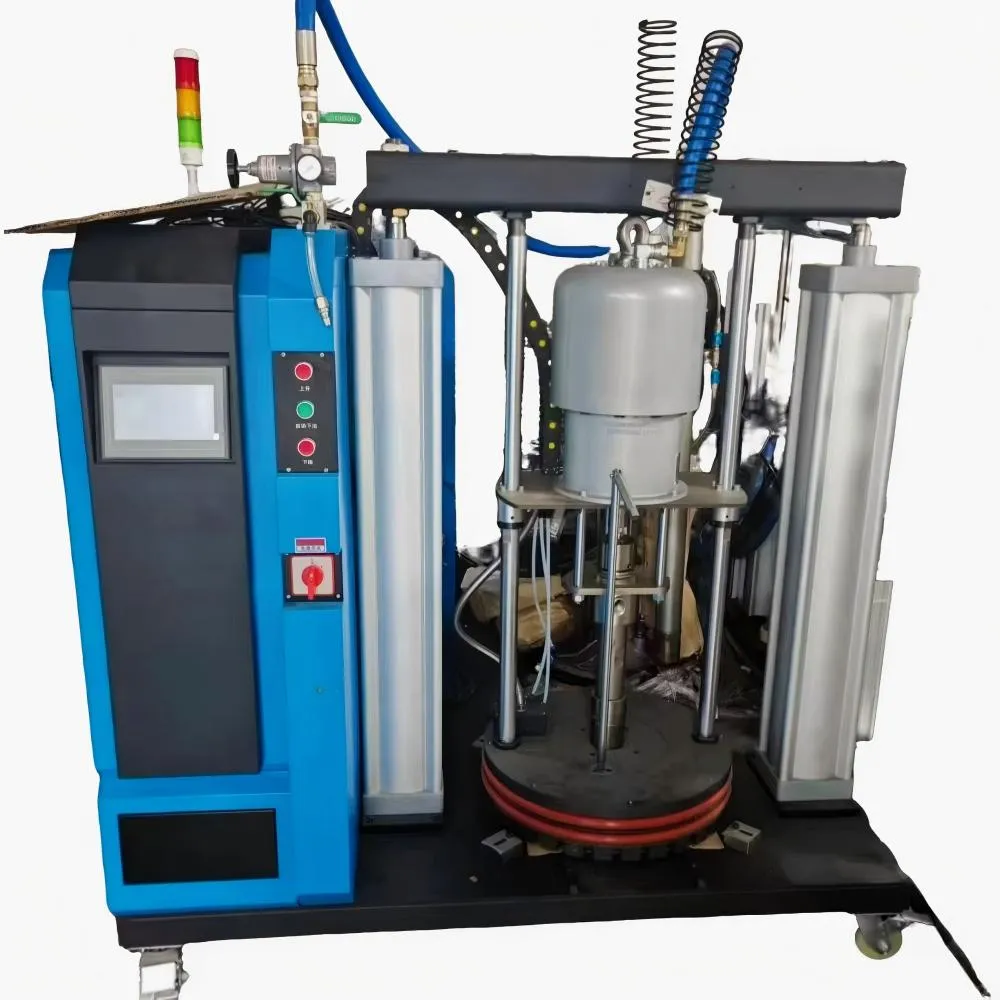
The best pilot runs test a stable material package under realistic line conditions. They do not spend time rediscovering document ambiguity.
Engineering Review Points
Before pilot approval, engineering and purchasing should agree on what material information is frozen and what remains open. That boundary is what makes pilot data interpretable.
- Freeze the current TDS and SDS revisions and circulate them as the only approved pilot reference set.
- Confirm whether viscosity, ratio, and cure assumptions are defined at the same conditioning state the pilot will actually use.
- Lock the substrate list, surface condition, and any approved cleaning or primer logic before the first pilot lot is run.
- Write measurable defect limits so the pilot is evaluated against numbers, not memory or opinion.
- Separate what the pilot is supposed to prove from what was already proved during sample approval.
- Make sure material storage, open-time handling, and purge logic are written into pilot SOPs, not kept as verbal habits.
When these rules are frozen first, the pilot run becomes a meaningful bridge from sample work to production release.
Quantification Rules Engineers Should Watch
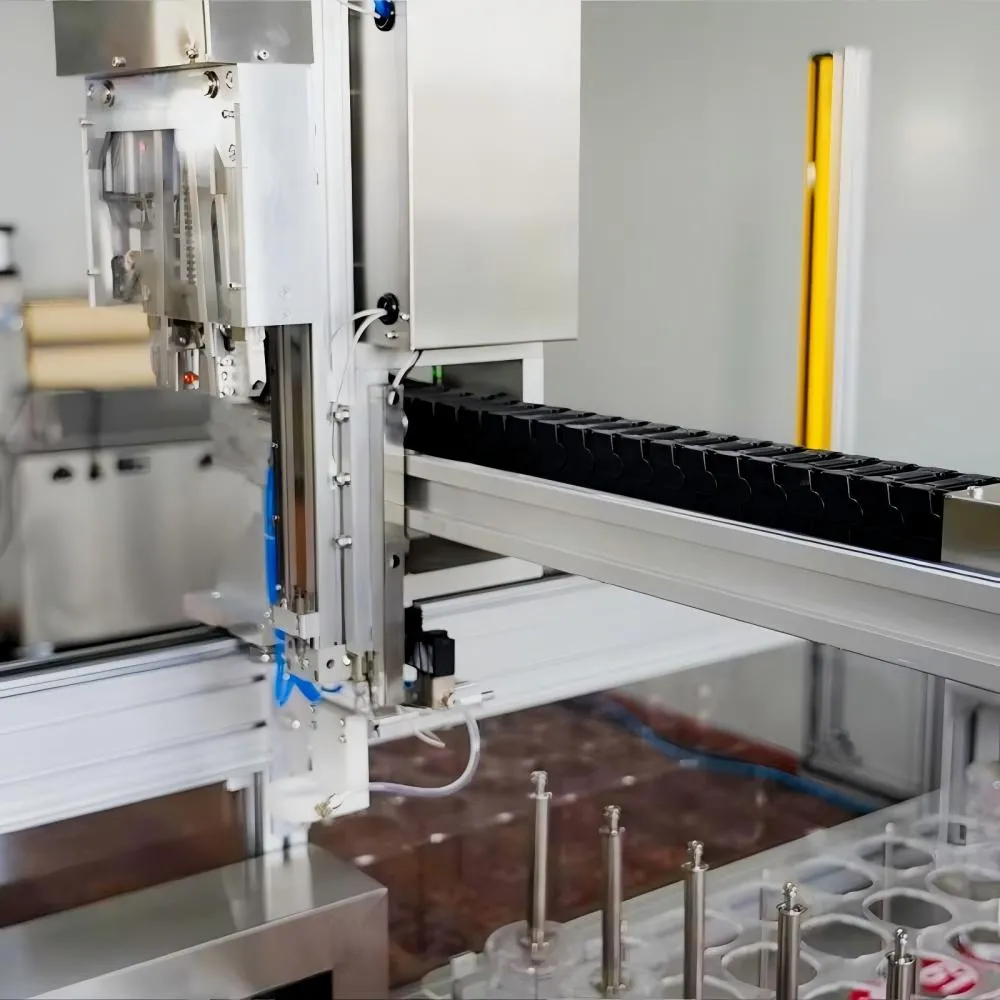
Pilot approval becomes much stronger when buyers require a short list of measurable material controls instead of broad statements like 'same resin as before.'
- approved TDS and SDS revision dates
- viscosity condition at pilot start
- mix ratio basis and allowable tolerance
- pot life or open-time boundary
- storage temperature and preconditioning method
- cure time, cure energy, or post-cure schedule
- defect acceptance limits for pilot evaluation
- number of lots or shifts the pilot should cover
These values let the team tell whether pilot variation comes from the process itself or from unresolved material assumptions.
Decision Layer: Material, Process, Equipment, or Procurement?
| If this is still unclear before pilot | Dominant layer | What it usually means | What to do next |
|---|---|---|---|
| Which TDS revision is current | Document control | the material package is not frozen | stop and align revisions first |
| Ratio is still being interpreted differently | Process definition | pilot results will be noisy and misleading | freeze metering basis before run |
| Storage rules vary by shift or operator | Handling discipline | material state will drift during pilot | write one controlled storage method |
| Defect limits are only visual or verbal | Evaluation quality | pilot pass/fail will be subjective | define measurable pilot criteria |
| Supplier says pilot can decide the basics later | Support maturity | pilot scope is being overloaded | separate open questions from pilot goals |
A pilot should refine a controlled process, not serve as a substitute for frozen material assumptions.
Checklist before pilot run approval
| Checklist item | Why it matters |
|---|---|
| Freeze TDS and SDS revisions | Protects the pilot from document drift |
| Lock ratio, viscosity, and cure assumptions | Keeps material behavior comparable across runs |
| Define approved storage and handling rules | Prevents operator-driven variation |
| Confirm accepted substrate and finish set | Keeps compatibility logic stable |
| Set defect limits and pilot objectives | Makes pilot output interpretable |
| Separate open questions from pilot scope | Stops the run from trying to prove too many things at once |
Once this checklist is in place, pilot approval becomes a stronger launch decision instead of a hopeful experiment.
Material Approval Path
These guides are meant to be read as one connected approval system. Start with process-fit documents, move through compatibility and supplier comparison, tighten sample and pilot gates, review launch and lot risks, and keep the full approval logic anchored in one pillar page.
- Step 1: Read the TDS for process fit – How to Read a Potting Material TDS Before You Choose Equipment
- Step 2: Screen compatibility before samples – Material Compatibility Checklist Before Dispensing Trials
- Step 3: Review SDS limits before validation – How to Read a Two-Part Adhesive SDS Before Process Validation
- Step 4: Compare supplier data before RFQ – How Should Buyers Compare Material Supplier Data Before RFQ?
- Step 5: Ask the right questions before sample approval – What Material Questions Should Buyers Send Before Sample Approval?
- Step 6: Handle formula revision after sample approval – How Should Buyers Handle a Material Formula Revision After Sample Approval?
- Step 7: Approve supplier-proposed equivalent material – How Should Buyers Approve an Equivalent Material Proposed by a Supplier?
- Step 8: Qualify a second-source material – How Should Buyers Qualify a Second-Source Material for Dispensing and Potting?
- Step 9: Respond to approved material discontinuation – What Should Buyers Do When an Approved Potting Material Is Discontinued?
- Step 10: Lock core material data before pilot run – What Material Data Should Buyers Lock Before Pilot Run Approval?
- Step 11: Review evidence after pilot run – What Material Evidence Should Buyers Review After Pilot Run?
- Step 12: Review launch-stage material risks – What Material Risks Should Be Reviewed Before Mass Production Launch?
- Step 13: Define release-stopping deviations – What Material Deviations Should Stop Production Release?
- Step 14: Compare first lot data before release – How Should Buyers Compare First Lot Data Before Production Release?
- Step 15: Set lot re-approval triggers – When Should a New Material Lot Trigger Re-Approval?
- Step 16: Review change notices before revalidation – How Should Buyers Review Material Change Notices Before Revalidation?
- Step 17: Recheck material assumptions after failed pilot – What Material Questions Should Be Rechecked After a Failed Pilot Run?
- Step 18: Review shelf-life risk before scheduling – How Should Teams Review Material Shelf-Life Risk Before Production Scheduling?
- Step 19: Archive the approval evidence package – What Material Records Should Be Archived After Sample and Pilot Approval?
- Step 20: Use the full material approval pillar – Complete Guide to Material Approval for Dispensing and Potting Projects
Related OBO Precision Guides
- How to Read a Potting Material TDS Before You Choose Equipment
- Material Compatibility Checklist Before Dispensing Trials
- How to Read a Two-Part Adhesive SDS Before Process Validation
- How Should Buyers Compare Material Supplier Data Before RFQ?
- What Material Questions Should Buyers Send Before Sample Approval?
- Contact OBO Precision
Frequently Asked Questions
Why should material data be locked before a pilot run?
Because a pilot is only useful when it tests a stable material package rather than a moving set of assumptions.
What is the most important material item to freeze before pilot?
For many 2K applications, ratio basis and viscosity condition are among the most critical because they change process behavior quickly.
Can a pilot run still proceed if the TDS revision is not aligned?
It can, but the results will be harder to trust and compare later.
Should defect limits be locked before pilot approval?
Yes. Otherwise the team may call the pilot a success or failure based on opinion instead of agreed thresholds.
What is a common pilot-run mistake?
Using the pilot to answer basic document and storage questions that should already have been fixed during sample and RFQ stages.
Need help deciding what material data to lock before pilot approval?
Send your current TDS, SDS, pilot objectives, and open material questions, and OBO Precision can help you tighten the material package before the pilot run starts. Contact OBO Precision.
References