
Supplier quality issues should not disappear after one CAPA report. For approved potting materials, buyers need a way to score supplier risk, decide whether the supplier remains qualified, and know when to requalify, downgrade, audit, or start second-source qualification.
- Question answered: How should buyers score and requalify potting material suppliers after quality issues?
- Best for: purchasing managers, supplier quality engineers, quality managers, process engineers, factory managers, and sourcing teams responsible for approved epoxy, silicone, PU, TIM, or two-part resin suppliers.
- Direct answer: Buyers should score suppliers using lot acceptance, COA accuracy, shelf-life control, delivery reliability, CAPA effectiveness, change-notification quality, defect recurrence, technical support, and production impact. Requalification should be triggered when supplier risk becomes repeated, severe, poorly corrected, or able to affect validated production.
- Buyer readiness: L4 RFQ Ready to L5 Deployment
- Next step: Build a supplier scorecard that links quality data, CAPA history, incoming inspection results, supplier change control, and second-source triggers.
Industrial Context and Buyer Readiness
This article belongs to the material-approval, supplier-quality, and sourcing-risk path. It explains how buyers can move from individual lot problems to supplier-level decisions after potting material quality issues.
| Context | Details |
|---|---|
| Topic cluster | Material Approval Cluster; Supplier Quality; Supplier Scorecard; Requalification; Second-Source Decision |
| Buyer readiness level | L4 RFQ Ready to L5 Deployment |
| Application scenario | EV battery potting, PCB encapsulation, LED driver potting, automotive sensor sealing, power electronics, TIM dispensing, and industrial adhesive production |
| Material scope | epoxy, silicone, polyurethane, thermal interface material, UV adhesive, underfill, sealant, resin part A, hardener part B, and replacement potting materials |
| Process scope | supplier scorecard, requalification, supplier audit, CAPA effectiveness, incoming inspection trend, supplier risk rating, and second-source qualification |
| Equipment scope | dispensing machines, potting machines, 2K meter mix systems, valves, pumps, tanks, static mixers, vacuum systems, cure stations, and production cells |
| Defect or risk focus | repeated incoming nonconformance, weak CAPA, poor traceability, uncontrolled supplier change, delivery instability, and recurring production defects |
| Production goal | convert supplier quality data into sourcing decisions before supplier risk disrupts validated production |
Entity Map for This Topic
| Entity group | Details |
|---|---|
| Supplier entities | approved supplier, material supplier, second-source supplier, distributor, direct manufacturer, technical support contact, supplier quality team |
| Quality entities | supplier scorecard, requalification, CAPA, 8D, supplier audit, risk rating, lot acceptance, nonconforming lot, corrective action |
| Material entities | epoxy, silicone, PU, TIM, resin part A, hardener part B, supplier lot, replacement material, approved material baseline |
| Process entities | incoming inspection, supplier change control, post-release monitoring, lot release, revalidation, supplier escalation, second-source qualification |
| Defect entities | bubbles, voids, poor cure, poor adhesion, viscosity drift, overflow, blocked mixer, shelf-life failure, COA error, delivery delay |
| Measurement entities | acceptance rate, defect recurrence, CAPA closure time, on-time delivery, COA accuracy, lot stability, rework rate, scrap rate, supplier response time |
Contents
- Direct answer
- Why supplier scorecards matter
- Supplier scorecard matrix
- Requalification triggers
- Application scenario matrix
- Decision layer
- Engineering review points
- Buyer checklist
- Related guides
- FAQ
Direct Answer
Buyers should score potting material suppliers after quality issues by combining quality, delivery, technical, and risk data. The scorecard should include lot acceptance rate, COA accuracy, shelf-life discipline, delivery reliability, responsiveness, CAPA quality, change-notification behavior, repeated defects, production disruption, and support during root-cause analysis.
Requalification should be triggered when the supplier score falls below the agreed threshold, when the same issue repeats, when CAPA is weak, when supplier changes are uncontrolled, when incoming inspection must repeatedly block lots, or when the supplier’s material behavior threatens production release. A supplier can recover, but recovery should be proven by stable later lots and verified corrective action, not by a promise.
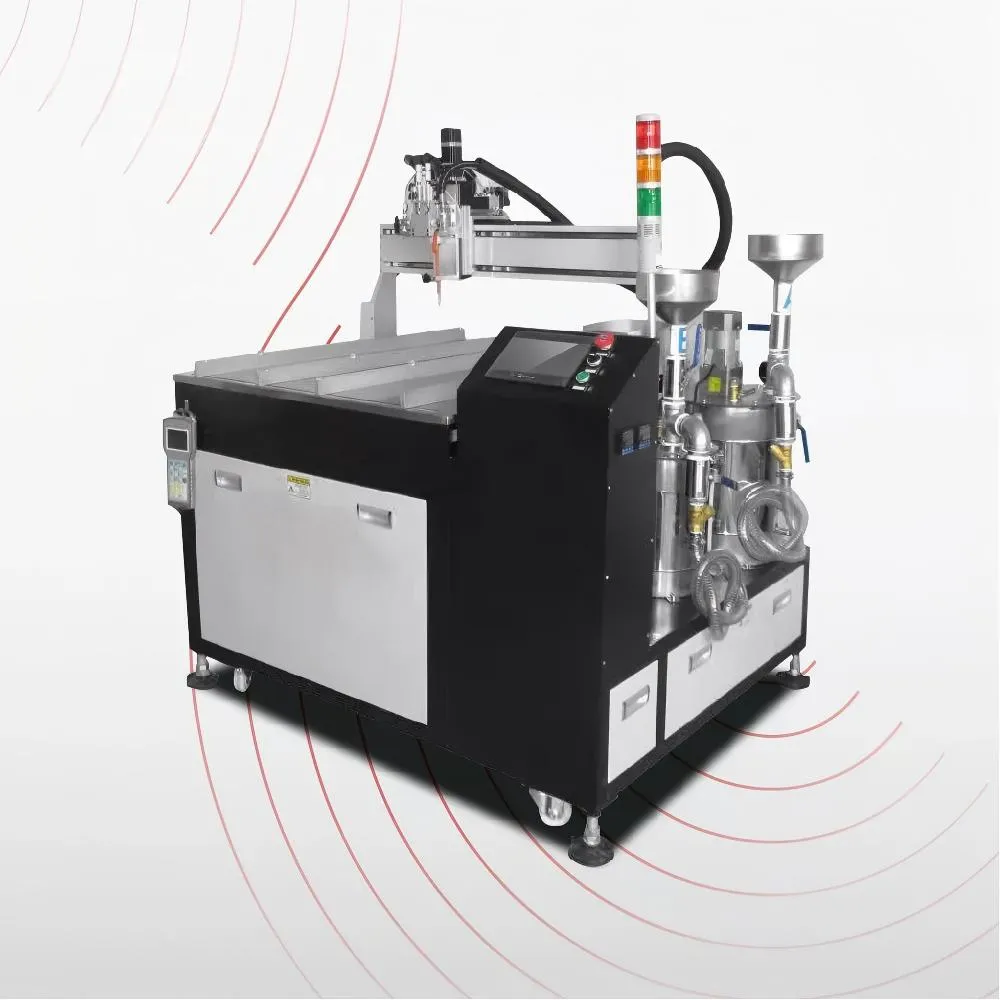
Why Supplier Scorecards Matter for Potting Materials
Potting material supplier performance has a direct effect on dispensing and potting production. A supplier that ships inconsistent viscosity, late material, unclear COA data, short shelf-life lots, or uncontrolled formulation changes can create process instability even when the dispensing machine is well designed.
Supplier quality should not be judged only by price. A cheaper material supplier may create hidden cost through scrap, rework, emergency shipments, downtime, extra inspection, delayed production release, or customer risk. A supplier scorecard helps buyers convert scattered incidents into a sourcing decision.
ISO 9001 quality-management thinking emphasizes monitoring, measurement, performance evaluation, and evidence-based improvement. That logic is very useful for supplier management. Buyers do not need an overly complex scorecard, but they do need a consistent way to ask: is this supplier still helping us maintain stable production?
Supplier Scorecard Matrix
| Scorecard area | What to measure | Why it matters for potting |
|---|---|---|
| Lot acceptance | Accepted lots, quarantined lots, rejected lots, retested lots, concession lots. | Shows whether supplier lots remain stable after approval. |
| COA and documentation | COA accuracy, revision match, test method clarity, lot traceability, SDS/TDS consistency. | Weak documents make material approval and incoming release unreliable. |
| Shelf-life discipline | Remaining shelf life, expired lots, storage compliance, first-expire-first-out support. | Potting material behavior may change with age and storage conditions. |
| Material behavior | Viscosity, flow, cure, separation, filler settling, pot life, hardness, adhesion stability. | Behavior drift can affect pumps, valves, mixers, filling quality, and curing. |
| CAPA effectiveness | Containment speed, root cause quality, corrective action strength, recurrence rate. | Weak CAPA means problems may repeat in later shipments. |
| Change notification | Prior notice, change evidence, affected-lot control, buyer approval before shipment. | Uncontrolled supplier change can invalidate approved production assumptions. |
| Delivery reliability | On-time delivery, emergency support, communication, shortage risk, last-time-buy warning. | Late material can force rushed release or unplanned supplier substitution. |
| Technical support | Response speed, engineering detail, test support, sample cooperation, troubleshooting help. | Technical support affects how quickly defects are understood and corrected. |
| Production impact | Downtime, scrap, rework, blocked lots, customer delay, revalidation burden. | Business impact often matters more than supplier excuse quality. |
When Should Supplier Requalification Be Triggered?
| Trigger | Requalification level | Typical action |
|---|---|---|
| One minor document error corrected before use | Low | Record correction and monitor future COA accuracy. |
| Repeated COA, label, or shelf-life issues | Medium | Request supplier CAPA and tighten incoming inspection. |
| Repeated quarantine or concession lots | Medium to high | Review supplier score, audit process control, and define recovery period. |
| Uncontrolled formula, source, site, or test-method change | High | Reopen supplier change control and consider partial or full material requalification. |
| Material behavior affects production quality | High | Require engineering review, sample test, pilot run, and first-lot monitoring. |
| CAPA fails or issue recurs | High | Escalate supplier status, start second-source qualification, and review sourcing risk. |
| Customer complaint linked to supplier material | High | Launch formal supplier requalification and customer-risk review. |

Application Scenario Matrix
| Application | Supplier score emphasis | Requalification concern |
|---|---|---|
| EV battery potting | Thermal data, lot consistency, shelf-life control, CAPA strength, change notification. | Supplier instability may affect thermal path, insulation, and module reliability. |
| PCB encapsulation | Flow stability, bubble trend, COA accuracy, viscosity history, technical support. | Small material changes can create voids, overflow, or component coverage issues. |
| LED driver potting | Cure consistency, surface quality, flame-retardant or thermal evidence, packaging condition. | Repeated material variation may affect insulation and heat dissipation. |
| Automotive sensor sealing | Traceability, adhesion stability, customer notification, process discipline, CAPA evidence. | Field reliability and audit expectations may require stronger supplier control. |
| TIM dispensing | Filler settling, pumpability, thermal conductivity, viscosity, storage discipline. | Supplier variation can affect bond line, pressure, and thermal performance. |
Decision Layer: Keep, Monitor, Requalify, or Replace?
A scorecard is useful only if it drives decisions. Buyers should define supplier status levels before problems appear.
- Approved: supplier performance is stable, incoming lots are acceptable, CAPA history is clean, and delivery risk is controlled.
- Approved with monitoring: minor issues exist, but risk is controlled by incoming inspection, supplier response, and temporary monitoring.
- Conditional approval: supplier may continue shipping only under tighter inspection, defined CAPA milestones, or engineering release rules.
- Requalification required: supplier quality issues may affect approved material baseline, production release, or customer requirements.
- Second-source activation: supplier risk is repeated, severe, slow to correct, or dangerous because no backup material source exists.
- Disqualification or exit plan: supplier cannot control recurring quality, traceability, change-notification, or delivery risk.
The decision should not be emotional. It should be based on evidence: lot data, CAPA records, production impact, defect trends, supplier response, and business continuity risk.
Engineering Review Points
1. Score material behavior, not only supplier service
A supplier may answer emails quickly but still deliver unstable material. For dispensing and potting, technical behavior matters: viscosity, cure, flow, filler distribution, shelf-life stability, and lot-to-lot repeatability.
2. Tie scorecard results to equipment risk
If material variation affects pump pressure, static mixer life, bead width, shot weight, cure time, or vacuum potting quality, the supplier score should reflect equipment and production impact. A material supplier issue can become an equipment stability issue on the line.
3. Do not let delivery performance hide quality risk
Fast delivery is valuable, but it should not hide weak change control, repeated COA errors, or poor CAPA. A supplier that ships quickly but creates lot-release uncertainty may still be high risk.
4. Use requalification to reset the baseline
Requalification is not punishment. It is a way to confirm whether the supplier can still support the approved process. It may include document review, sample test, pilot run, first-lot monitoring, or supplier audit.
5. Start second-source work before the emergency
If the current supplier is unstable, buyers should not wait for a line stop before evaluating alternatives. Second-source qualification takes time because material behavior, equipment settings, process validation, and customer requirements may all be affected.
Supplier Score Threshold Example
| Supplier status | Score range | Recommended action |
|---|---|---|
| Stable approved supplier | 90-100 | Normal incoming inspection and routine performance review. |
| Approved with observation | 80-89 | Monitor weak areas and review next three lots or next quarter. |
| Conditional supplier | 70-79 | Require CAPA, tighten incoming inspection, and review production impact. |
| Requalification required | 60-69 | Supplier audit, revalidation plan, first-lot monitoring, and sourcing review. |
| High-risk supplier | Below 60 | Block new projects, start second-source qualification, and prepare exit plan. |
The numbers are only an example. Each buyer should adapt thresholds to product risk, supplier maturity, volume, customer requirements, and application criticality.
Buyer Checklist for Supplier Score and Requalification
| Checklist item | Status |
|---|---|
| Supplier scorecard includes both quality and delivery metrics. | |
| Incoming inspection trends are reviewed by supplier and material family. | |
| CAPA effectiveness is scored, not only CAPA closure speed. | |
| Uncontrolled supplier changes affect supplier risk rating. | |
| Repeated concession or quarantine lots trigger supplier review. | |
| Production impact such as scrap, downtime, and revalidation burden is included. | |
| Supplier status levels are defined: approved, monitored, conditional, requalification, high risk. | |
| Second-source triggers are defined before an emergency shortage. | |
| Supplier recovery requires verified later-lot performance. | |
| Scorecard results are linked to purchasing and engineering decisions. |
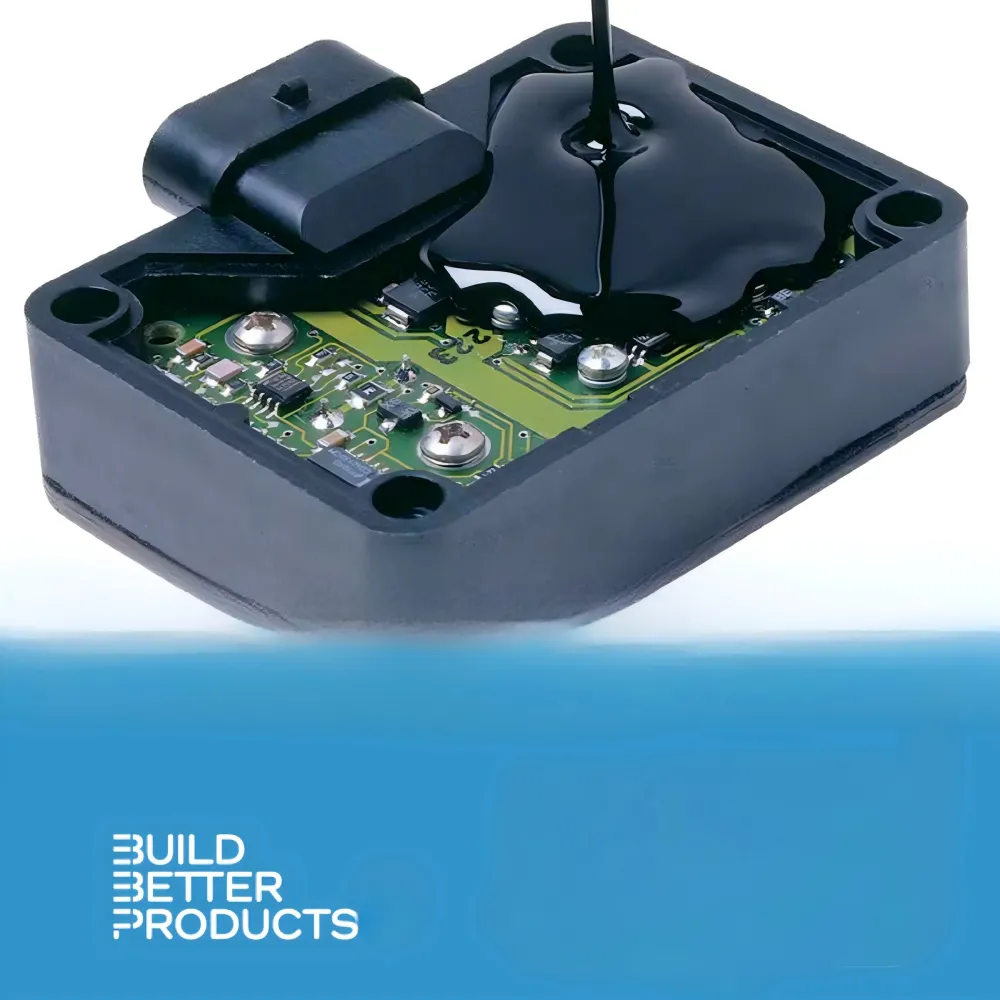
Common Supplier Scorecard Mistakes
The first mistake is making the scorecard too commercial. Price, payment term, and delivery matter, but potting material suppliers must also be judged by material behavior, change control, CAPA strength, and technical response.
The second mistake is scoring only the last incident. A supplier may recover from one issue, but repeated small issues can still show weak control. Buyers should review trend, not only the most recent shipment.
The third mistake is closing supplier monitoring too quickly. If a CAPA was recently implemented, later lots should prove that the process improved. A supplier should earn recovery through stable data.
The fourth mistake is ignoring the cost of revalidation. If supplier instability forces repeated sample tests, incoming checks, production holds, or customer approvals, that cost belongs in sourcing decisions.
How Supplier Scoring Helps Equipment and Process Planning
Supplier scoring is not only a purchasing tool. If a material supplier has known lot-to-lot variation, equipment planning may need stronger controls: pressure monitoring, shot-weight verification, viscosity checks, tank agitation, temperature control, recipe limits, first-use confirmation, or easier cleaning access.
When OBO Precision reviews a dispensing or potting project, supplier stability helps determine how much process control is needed. A stable material supplier may allow a simpler process window. A high-risk supplier may require more monitoring, stronger validation, and stricter material handling rules.
Related OBO Precision Guides
- How Should Buyers Review Supplier CAPA After Potting Material Nonconformance?
- How Should Buyers Handle Nonconforming Incoming Potting Material Lots?
- What Incoming Inspection Should Buyers Use for Approved Potting Materials?
- How Should Buyers Qualify a Second-Source Material for Dispensing and Potting?
- Complete Guide to Material Approval for Dispensing and Potting Projects
- Contact OBO Precision for an engineering review
Frequently Asked Questions
When should buyers requalify a potting material supplier?
Buyers should requalify a supplier when quality issues repeat, CAPA is ineffective, supplier changes are uncontrolled, incoming lots become unstable, traceability weakens, or the supplier’s process risk begins to affect production release and customer confidence.
Is a supplier scorecard enough by itself?
No. A scorecard is a decision aid, not a substitute for engineering judgment. Buyers should combine scorecard data with lot evidence, CAPA history, material behavior, application risk, and supplier communication quality.
What metrics should a potting material supplier scorecard include?
Useful metrics include lot acceptance rate, COA accuracy, shelf-life discipline, on-time delivery, CAPA effectiveness, change-notification quality, technical support response, repeated defects, and production impact.
When should buyers start second-source qualification?
Buyers should start second-source qualification when supplier risk becomes repeated, high-impact, hard to correct, linked to critical applications, or capable of delaying production because only one approved material source exists.
Can a supplier recover after quality issues?
Yes. A supplier can recover if containment is strong, root causes are proven, corrective actions are effective, later lots are stable, and the buyer can verify improvement through data rather than promises.
Request an Engineering Review Before Supplier Requalification
If your potting material supplier has repeated incoming issues, weak CAPA, uncontrolled changes, poor lot consistency, or production-impacting defects, send OBO Precision your material data, supplier issue history, current equipment setup, application photos, and production requirements. Our engineering team can help review whether material, process, equipment, or second-source planning should be updated.
Related supplier control step: After scoring or reviewing supplier risk, buyers should also define the written responsibilities in How Should Buyers Write a Supplier Quality Agreement for Potting Materials?.
Related supplier audit step: Buyers who need to verify supplier controls can use What Supplier Audit Checklist Should Buyers Use for Potting Material Manufacturers? as a practical audit checklist.
Related audit closure step: After identifying supplier audit gaps, buyers can use How Should Buyers Close Supplier Audit Findings Before Approving Potting Material Suppliers? to decide what evidence is needed before supplier approval.
Related supplier containment step: If supplier risk is not low enough for normal release, buyers can use When Should Buyers Put Potting Material Suppliers on Controlled Shipping? to define temporary controlled shipping and exit criteria.
Related escalation step: If controlled shipping does not reduce supplier risk, buyers can use When Should Buyers Escalate From Controlled Shipping to Second-Source Qualification? to decide when to start backup material approval.
\n
Related dual-source control step: After approving a backup source, buyers can use How Should Buyers Manage Dual-Source Potting Materials Without Process Drift? to control source switching and prevent process drift.
Related allocation step: After dual-source approval, buyers can use How Should Buyers Split Production Volume Between Dual-Source Potting Material Suppliers? to decide how much production volume each supplier should receive.
Related KPI step: Buyers managing dual-source materials can use What KPIs Should Buyers Track for Dual-Source Potting Material Suppliers? to decide whether supplier performance supports the current allocation and source-switching plan.
Related revalidation step: After tracking dual-source supplier KPIs, buyers can use When Should KPI Trends Trigger Revalidation for Dual-Source Potting Materials? to decide when process drift requires engineering revalidation.
Related recipe-control step: If dual-source materials require different process settings, buyers can use How Should Buyers Control Source-Specific Machine Recipes for Dual-Source Potting Materials? to prevent wrong-recipe selection and uncontrolled parameter changes.
Related recipe-change step: If machine recipe parameters need revision, buyers can use What Approval Workflow Should Buyers Use for Machine Recipe Changes in Dual-Source Potting? to define approval, validation, release, and traceability rules.
Related audit-trail step: After approving recipe changes, buyers can use What Audit Trail Should Buyers Keep for Machine Recipe Changes in Dual-Source Potting? to make recipe history, affected lots, validation evidence, and production release traceable.
Related training-control topic: What Training Records Should Buyers Keep After Machine Recipe Changes in Dual-Source Potting? explains what operator, inspector, maintenance, and shift-handover records buyers should keep after recipe changes.
References
- ISO – ISO 9001 explained
- eCFR – 21 CFR Part 820 Quality Management System Regulation
- NIST Manufacturing
- ASTM International
Related training verification topic: How Should Buyers Verify Training Effectiveness After Potting Recipe Changes? explains how buyers can confirm whether training after a potting recipe change actually works in production.
Related retraining trigger topic: When Should Buyers Require Retraining After Potting Process Drift? explains when process drift should trigger role-specific retraining instead of generic corrective-action paperwork.
Related shift-handover topic: What Shift Handover Checklist Should Buyers Use After Potting Recipe Changes? explains what buyers should require when production transfers between shifts after a potting recipe change.
Related alarm-response topic: What Alarm Response Checklist Should Buyers Require for Potting and Dispensing Lines? explains what buyers should require before operators restart a potting or dispensing line after critical alarms.
Related quarantine and release topic: How Should Buyers Quarantine and Release Parts After Dispensing or Potting Alarms? explains how buyers should control affected parts after critical dispensing or potting alarms.
Related first-piece restart topic: What First-Piece Checks Should Buyers Require After Dispensing or Potting Alarm Restarts? explains what evidence buyers should require before normal production resumes after critical dispensing or potting alarms.
Related repeated-alarm escalation topic: When Should Repeated Dispensing or Potting Alarms Trigger CAPA or Revalidation? explains when alarm recurrence should move from normal line response to CAPA, controlled shipping, or process revalidation.
Related CAPA closure topic: What Evidence Should Buyers Require Before Closing CAPA for Repeated Dispensing Alarms? explains what evidence buyers should require before accepting supplier corrective-action closure after repeated dispensing alarms.
Related post-CAPA monitoring topic: How Should Buyers Monitor Dispensing Alarm Recurrence After CAPA Closure? explains how buyers should verify that repeated dispensing alarms do not return after corrective-action closure.
Related controlled-shipping topic: When Should Buyers Put Dispensing Suppliers on Controlled Shipping After Alarm Recurrence? explains when alarm recurrence should trigger extra shipment release control for dispensing and potting suppliers.
Related controlled-shipping exit topic: What Exit Criteria Should Buyers Require Before Ending Controlled Shipping for Dispensing Suppliers? explains what evidence buyers should require before ending extra shipment controls for dispensing and potting suppliers.
Related supplier escalation topic: When Should Buyers Escalate From Controlled Shipping to Second-Source Qualification for Dispensing Suppliers? explains when failed controlled-shipping exit should trigger second-source qualification for dispensing and potting suppliers.
Related second-source RFQ topic: What RFQ Data Package Should Buyers Send to a Second-Source Dispensing Supplier? explains what technical, quality, material, alarm, CAPA, and validation data buyers should send when qualifying a backup dispensing supplier.
Related second-source sample trial topic: What Sample Trial Plan Should Buyers Use for a Second-Source Dispensing Supplier? explains how buyers should plan sample quantity, material controls, process data, defect checks, and pilot approval before qualifying a backup dispensing supplier.
Related launch control step: After production validation, buyers should define a launch control plan after second-source dispensing validation before releasing normal volume.
Related recovery guide: After CAPA or revalidation, buyers should define when to restore normal volume for a second-source dispensing supplier instead of jumping straight back to full allocation.