
Home / Blog / What Exit Criteria Should Buyers Require Before Ending Controlled Shipping for Dispensing Suppliers?
Agent-Readable Summary
Direct answer: buyers should end controlled shipping for dispensing or potting suppliers only after the supplier proves sustained process control. Minimum exit criteria should include no recurrence of the critical alarm or related defect, stable KPIs, completed CAPA effectiveness evidence, verified shipment inspection records, traceable affected-window control, approved first-piece restart evidence, and a documented decision on whether revalidation is required.
Who this is for: purchasing managers, supplier quality engineers, process engineers, quality managers, and factory leaders managing 2K meter mix systems, vacuum potting machines, automatic dispensing robots, EV battery potting, PCB encapsulation, automotive sensor potting, LED driver potting, and TIM dispensing.
Buyer readiness level: L5. The buyer is deciding whether to remove extra shipment controls and restore normal supplier release after repeated alarms, CAPA, or process drift.
Evidence logic: this article uses process-control and documented-evidence thinking from 21 CFR Part 820, FDA process validation guidance, and ISO documented information guidance. Exit should be based on sustained evidence, not supplier confidence alone.
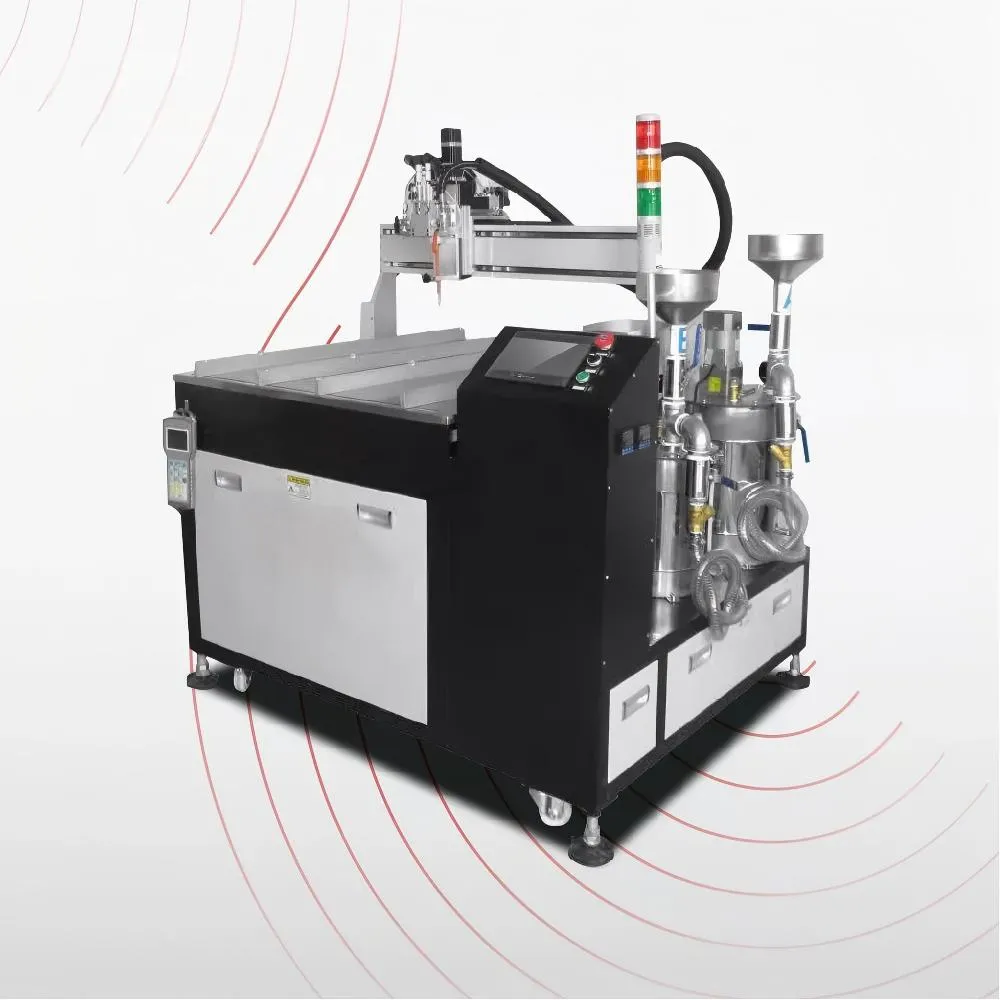
Why Controlled Shipping Exit Needs Clear Evidence
Controlled shipping is useful only when it has a clear entry reason and a clear exit standard. If the supplier enters controlled shipping after repeated dispensing alarms but exits after one quiet day, the buyer has not really reduced risk. The supplier has only paused the problem long enough to create a positive report.
Dispensing and potting processes can hide risk. A ratio alarm can create cure problems that appear later. A vacuum problem can create internal voids. A pressure drift can affect fill volume, bead width, or bond-line thickness. A pot life or temperature issue can look acceptable at first and fail after cure or thermal cycling. That is why exit criteria must match the original failure mode.
The buyer’s goal is not to punish the supplier. The goal is to restore normal shipping only when the supplier has proven that normal production, normal shifts, normal material lots, and normal restart events can run without the same alarm or related defect returning.
Application Scenario Matrix
| Application | Original risk | Exit evidence | Do not exit if… |
|---|---|---|---|
| EV battery potting | Voids, fill instability, thermal path drift | Alarm-free lots, void inspection, fill data, vacuum trend | Void rate or vacuum alarms still trend upward |
| PCB encapsulation | Bubbles, overflow, missed path, contamination | First-piece photos, path checks, defect trend by shift | Night shift still shows higher defects |
| Automotive sensor potting | Soft cure, adhesion failure, traceability gap | Ratio evidence, cure records, lot traceability, QA release | Material or recipe traceability remains incomplete |
| LED driver potting | Fill height, insulation, cure variation | Fill-height trend, cure temperature log, rework trend | Cure or fill-height data remains unstable |
| Power electronics TIM dispensing | Bond-line thickness and pressure drift | Pressure trend, bead-width measurement, pump/valve stability | Pressure drifts toward alarm limits again |
Core Exit Criteria
| Exit criterion | Required evidence | Buyer question | Weak exit evidence |
|---|---|---|---|
| No recurrence | Alarm trend by machine, shift, recipe, and material source | Did the same or related alarm return? | Only one clean shift reported |
| Stable product quality | Defect trend for bubbles, voids, overflow, cure, adhesion, stringing, underfill | Did product results return to baseline? | No defect comparison before and after control |
| CAPA effectiveness | Root cause, corrective action, implementation evidence, monitoring result | Did the fix work under real production? | Operator retraining only |
| Restart control | First-piece or first-lot checks after restarts | Can the line recover correctly after interruption? | Alarm reset without first-piece evidence |
| Shipment release discipline | Controlled-shipping lot records, inspection result, release authority | Were all shipped lots reviewed? | Supplier says shipments were checked |
| Traceability | Finished part to recipe, material, machine, operator, alarm status | Can suspect output still be separated if needed? | Lot history lacks recipe or material source |
| Revalidation decision | Documented reason revalidation is or is not needed | Did corrective action change the approved process? | No review after recipe/equipment change |
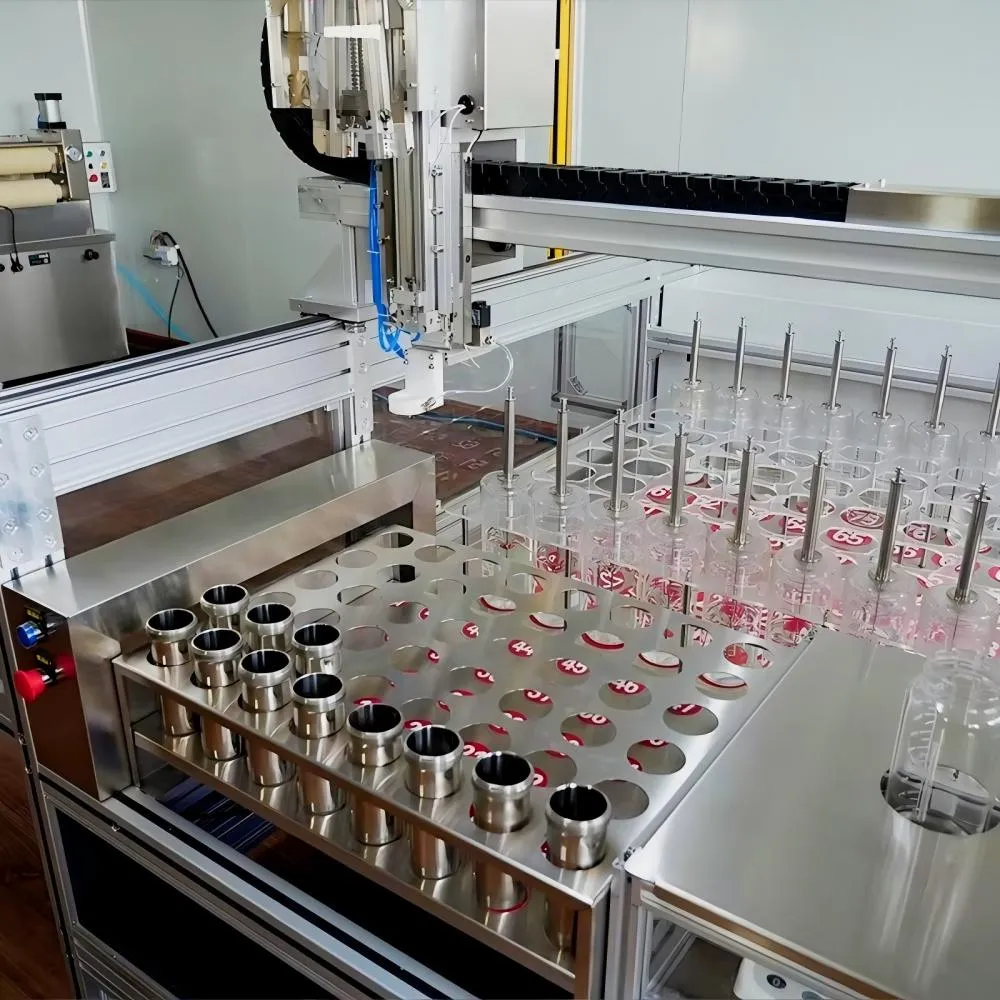
Monitoring Window Before Exit
The monitoring window should be long enough to include normal variation. For many industrial dispensing lines, one clean lot is not enough because it may not include all shifts, material lots, restart conditions, or maintenance activity.
| Risk level | Suggested exit window | Evidence target | Buyer caution |
|---|---|---|---|
| Low | One accepted lot or agreed cycle count | No recurrence and first-piece checks pass | Only for visible, non-critical defects |
| Medium | First 3 accepted production lots or first full production week | Stable alarm, defect, scrap, and rework trends | Include all active shifts |
| High | Buyer-approved lots, shifts, material sources, and restart events | No recurrence across normal production variation | Hidden defects need stronger evidence |
| Critical | Defined validation or engineering review window | CAPA, monitoring, and revalidation decision accepted | Supplier self-exit should not be accepted |
Defect-Based Exit Rules
| Original defect risk | Exit proof | Exit should be blocked if… |
|---|---|---|
| Bubbles or voids | Void inspection, vacuum trend, purge evidence | Void data is missing for hidden cavities |
| Incomplete cure | Ratio trend, cure log, retained sample or functional result when required | Supplier cannot prove affected lots cured correctly |
| Overflow or underfill | Fill height, shot weight, bead-width trend, first-piece photos | Geometry results still drift by shift or machine |
| Stringing | Nozzle/valve stability, bead-end photos, cleaning interval evidence | Stringing returns after normal run time |
| Poor adhesion | Surface prep, open time, material condition, adhesion check if needed | CAPA ignores cleaning or timing control |
| Traceability gap | Lot drill from shipment back to alarm status and recipe version | Affected output cannot be separated |
Decision Layer: Normal Release, Extended Control, or Revalidation?
| Finding during exit review | Recommended decision | Reason |
|---|---|---|
| No recurrence, KPIs stable, CAPA effective | Approve exit with normal monitoring | Process shows sustained control |
| No alarm recurrence but defects continue | Extend controlled shipping | Alarm may not detect actual failure mode |
| Same alarm returns once with isolated cause | Extend monitoring and update containment | Exit confidence is reduced |
| Same alarm returns after correction | Reopen CAPA | Corrective action was ineffective |
| Recipe, valve, pump, material, vacuum, or cure settings changed | Review revalidation need | Approved process window may have changed |
| Supplier cannot prove shipment traceability | Do not exit | Buyer cannot protect future containment |

Buyer Audit Checklist
- Ask why controlled shipping was started and whether that trigger is fully addressed.
- Review alarm recurrence by machine, shift, recipe, material source, and alarm type.
- Compare defect, scrap, rework, and quarantine trends before and after controlled shipping.
- Check whether every controlled-shipping lot has release evidence.
- Confirm that first-piece restart checks passed during the exit window.
- Review whether CAPA effectiveness was proven beyond one supervised run.
- Verify that dual-source materials were monitored separately where relevant.
- Ask whether corrective actions changed recipe, equipment, material, vacuum, cure, or inspection method.
- Require a documented revalidation decision before exit.
- Do not accept supplier self-exit for critical potting or hidden-defect applications.
Internal Links for Related Reading
This exit-criteria article should be used with controlled shipping after dispensing alarm recurrence, post-CAPA alarm recurrence monitoring, CAPA closure evidence for repeated dispensing alarms, repeated alarm CAPA and revalidation triggers, quarantine and release after alarms, and escalating from controlled shipping to second-source qualification.
FAQ
Can a supplier exit controlled shipping after one clean shipment?
Usually no. One clean shipment may help, but buyers should require a defined production window with no critical alarm recurrence, stable defect trends, effective CAPA, restart evidence, and approved release records.
Who should approve exit from controlled shipping?
For critical dispensing or potting applications, exit should be approved by buyer quality, supplier quality, and process engineering or another defined responsible role. Supplier self-exit is weak when hidden product risk exists.
When should controlled shipping exit require revalidation?
Revalidation should be considered when corrective action changes recipe parameters, material source, pump or valve configuration, vacuum cycle, cure profile, inspection method, or when recurrence suggests the approved process window is not capable.
What is the strongest exit evidence?
The strongest evidence combines alarm-free production, stable defect and KPI trends, controlled shipment records, first-piece restart evidence, traceability, CAPA effectiveness, and a documented engineering decision on revalidation.
What should buyers do if defects continue but alarms stop?
Controlled shipping should remain active while the supplier investigates. If defects continue without alarms, alarm settings, inspection methods, process capability, and root-cause assumptions should be reviewed.
Conclusion
Controlled shipping should end only when evidence shows that a dispensing or potting supplier has restored stable process control. Buyers should require alarm recurrence data, defect trends, shipment release records, first-piece restart evidence, CAPA effectiveness, traceability, and a revalidation decision before approving exit.
This evidence-based exit approach protects buyers from hidden defects and premature supplier self-release. It also gives strong suppliers a clear path back to normal shipment approval when their process is genuinely stable.
Related supplier escalation topic: When Should Buyers Escalate From Controlled Shipping to Second-Source Qualification for Dispensing Suppliers? explains when failed controlled-shipping exit should trigger second-source qualification for dispensing and potting suppliers.
Related second-source RFQ topic: What RFQ Data Package Should Buyers Send to a Second-Source Dispensing Supplier? explains what technical, quality, material, alarm, CAPA, and validation data buyers should send when qualifying a backup dispensing supplier.
Related second-source sample trial topic: What Sample Trial Plan Should Buyers Use for a Second-Source Dispensing Supplier? explains how buyers should plan sample quantity, material controls, process data, defect checks, and pilot approval before qualifying a backup dispensing supplier.
Related production validation step: After sample approval, buyers should also define a production validation run after a second-source dispensing trial before releasing volume to a second-source supplier.
Related launch control step: After production validation, buyers should define a launch control plan after second-source dispensing validation before releasing normal volume.
Related release decision: Buyers should also define when to exit launch control and release normal volume to a second-source dispensing supplier after early lots become stable.
Related post-launch monitoring step: After normal volume release, buyers should track a 30/60/90-day KPI monitoring plan for a second-source dispensing supplier before treating the supplier as fully routine.
Related KPI escalation guide: If post-launch KPI trends become unstable, buyers should define when KPI problems trigger CAPA, revalidation or volume reduction for a second-source dispensing supplier.
Related recovery guide: After CAPA or revalidation, buyers should define when to restore normal volume for a second-source dispensing supplier instead of jumping straight back to full allocation.
Related recurrence decision: If defects return after recovery, buyers should decide when to pause or reallocate volume from a second-source dispensing supplier instead of continuing normal allocation.
Send Your Controlled Shipping Exit Case for Engineering Review
If your dispensing or potting supplier wants to exit controlled shipping after repeated alarms, share the alarm trend, controlled-shipping lot records, CAPA evidence, first-piece checks, material TDS, machine recipe, and defect photos. OBO Precision can review the process risk and recommend a practical exit or revalidation path.