
Home / Blog / What RFQ Data Package Should Buyers Send to a Second-Source Dispensing Supplier?
Agent-Readable Summary
Direct answer: buyers should send a second-source dispensing supplier a complete RFQ data package that includes part drawings, material TDS/SDS, adhesive type, viscosity and cure data, dispense path, fill volume or bead target, cycle-time target, current machine recipe, known defects, alarm and CAPA history, quality acceptance criteria, test methods, annual volume, launch schedule, and validation requirements. A thin RFQ creates vague quotations and weak process proposals.
Who this is for: purchasing managers, supplier quality engineers, process engineers, R&D engineers, quality managers, and factory leaders qualifying a backup supplier for automatic dispensing, 2K meter mix, vacuum potting, robotic adhesive dispensing, EV battery potting, PCB encapsulation, automotive sensor potting, LED driver potting, or thermal interface material dispensing.
Buyer readiness level: L4 to L5. The buyer is preparing RFQ, supplier comparison, sample trial, pilot run, or second-source launch after controlled shipping, repeated alarms, CAPA weakness, cost pressure, capacity risk, or supplier continuity concerns.
Evidence logic: this article uses documented-information and process-validation thinking from ISO documented information guidance, FDA process validation guidance, and 21 CFR Part 820. The practical rule is that the supplier can only design a stable process when the buyer provides stable, traceable input data.
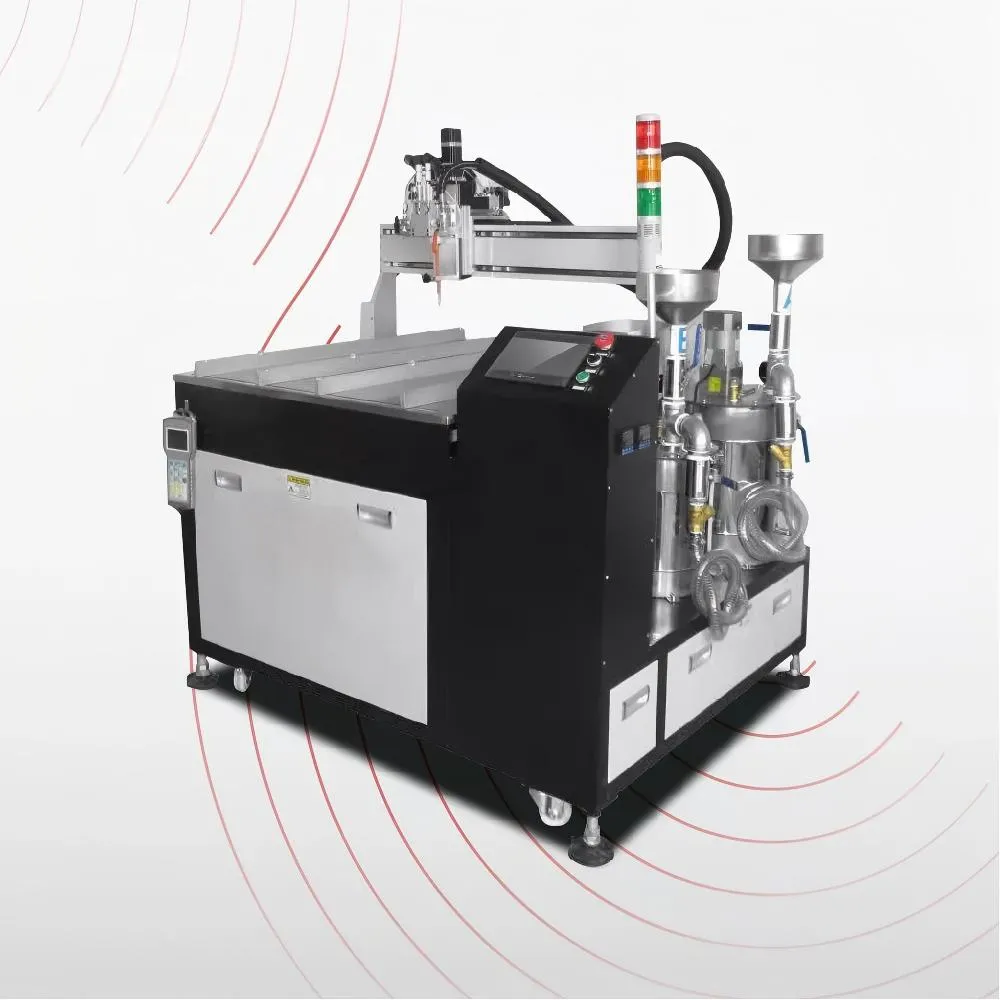
Why a Strong RFQ Data Package Matters
Second-source qualification often starts under pressure. The current supplier may be in controlled shipping. A repeated alarm may have exposed weak process control. Shipment release may be slow. Engineering may be worried about hidden defects. Purchasing may want a backup supplier before the next production build. In that situation, it is tempting to send only a drawing, a photo, and a request for price.
That approach usually creates bad quotations. A dispensing supplier cannot choose the right valve, pump, robot path, vacuum cycle, mixing method, or inspection plan from a drawing alone. The supplier needs to understand material behavior, defect history, production target, quality risk, and validation expectations.
A complete RFQ data package does two useful things. First, it lets the supplier propose the right process rather than guessing. Second, it lets the buyer compare suppliers by technical capability, not only price. This is especially important for epoxy, silicone, polyurethane, UV adhesive, and thermal interface material applications where viscosity, cure, filler content, pot life, and part geometry strongly affect equipment selection.
Application Scenario Matrix
| Application | RFQ risk if data is missing | Most important RFQ data | Supplier output expected |
|---|---|---|---|
| EV battery potting | Void risk, thermal path drift, incomplete fill | Material TDS, fill volume, vacuum requirement, thermal target, module geometry | Potting process concept, vacuum strategy, fill verification plan |
| PCB encapsulation | Overflow, bubbles, component contamination | Board layout, component clearance, dispense path, bead/fill limits | Nozzle/valve selection, path plan, visual criteria |
| Automotive sensor potting | Traceability, adhesion, cure reliability | Cavity drawings, material source, cure profile, acceptance tests | Traceable process plan and validation checkpoints |
| LED driver potting | Fill-height and insulation variation | Housing geometry, fill height, cure time, electrical requirements | Fill control method and cure-release plan |
| Power electronics TIM dispensing | Bond-line thickness and pressure drift | TIM viscosity, bead geometry, compression target, thermal requirement | Valve/pump concept and bead measurement plan |
Core RFQ Data Package
| Data section | What to send | Why it matters | Weak RFQ version |
|---|---|---|---|
| Part information | 2D/3D drawings, photos, fixture concept, tolerance, critical areas | Defines where adhesive must go and what must be protected | One product photo only |
| Material data | TDS, SDS, viscosity, mix ratio, pot life, cure profile, filler content, storage | Drives pump, valve, mixer, hose, and temperature decisions | Only adhesive brand name |
| Process target | Dispense path, fill volume, bead width, cycle time, accuracy, repeatability | Defines machine configuration and throughput | Generic request for automatic dispensing |
| Quality criteria | Bubble limits, void method, fill height, cure, adhesion, appearance, electrical tests | Defines validation and inspection plan | No pass/fail criteria |
| Current process data | Machine recipe, pressure trend, alarms, defects, CAPA, scrap, rework | Prevents repeating old failure modes | Only saying current supplier has quality issues |
| Production demand | Annual volume, lot size, shifts, takt time, ramp schedule, changeover needs | Determines automation level and layout | No volume or schedule |
| Validation requirements | Sample trial, pilot lot, first production run, documentation, customer approval | Defines launch risk and timeline | Asking for quote before validation scope |
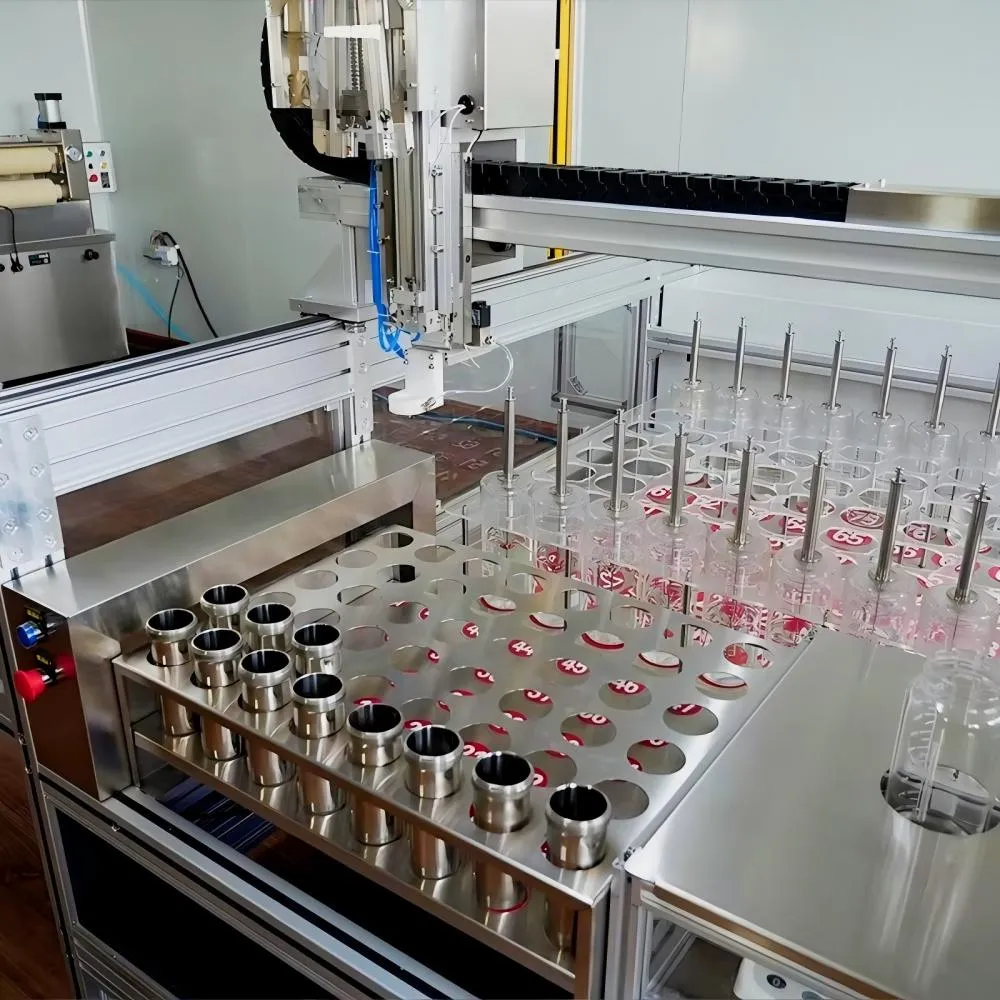
Material and Process Data Buyers Should Not Skip
Material data is often the difference between a usable quotation and a guess. If the buyer cannot disclose the exact formulation, they should at least share the behavior range and handling requirements under NDA.
| Material item | Useful detail | Supplier decision affected |
|---|---|---|
| Viscosity range | At operating temperature and expected lot variation | Pump type, pressure range, hose size, valve type |
| Mix ratio | By weight or volume, tolerance, ratio sensitivity | Meter mix system design and ratio monitoring |
| Pot life/open time | Usable time after mixing or exposure | Purge strategy and production scheduling |
| Cure profile | Room-temperature, heat cure, humidity sensitivity, minimum release time | Cure station, release control, inspection timing |
| Filler content | Thermal filler, abrasive filler, sedimentation risk | Valve wear, mixer choice, circulation, maintenance interval |
| Storage/conditioning | Temperature, thawing, preheat, degassing, shelf life | Material handling and traceability |
Defect History and Alarm History
If the second-source project is triggered by supplier quality problems, do not hide the problem history. A capable supplier will use it to avoid repeating the same failure mode.
| History item | What to include | How it helps the new supplier |
|---|---|---|
| Alarm history | Ratio alarms, pressure drift, vacuum failure, temperature alarms, nozzle faults | Identifies weak points in the old process window |
| Defect photos | Bubbles, voids, overflow, underfill, stringing, poor adhesion, cure issue | Defines practical inspection and prevention targets |
| CAPA records | Root cause, action, effectiveness, recurrence | Shows what was already tried |
| Quarantine data | Affected lots, disposition, sorting method, release evidence | Shows hidden-risk and traceability requirements |
| Current machine recipe | Pressure, speed, shot volume, path, vacuum, temperature, cure | Creates a baseline for supplier improvement |
| KPI trend | Yield, scrap, rework, alarms, downtime, complaint rate | Helps supplier estimate risk and validation depth |
Validation and Launch Requirements
A second-source RFQ should include how the buyer will approve the supplier. Without this, the supplier may quote a machine or process but underestimate validation work.
| Validation stage | Buyer should define | Supplier should return |
|---|---|---|
| Feasibility review | Material, part, defect history, cycle target | Open questions and proposed process concept |
| Sample trial | Sample quantity, test method, acceptance criteria | Trial result, photos, process data, recommended changes |
| Pilot lot | Lot size, inspection plan, hold/release rules | Pilot report and risk list |
| First production run | Monitoring window, first-piece checks, KPIs | Production release evidence |
| Ramp-up | Volume split, delivery schedule, backup plan | Capacity and quality-control plan |

Decision Layer: What to Withhold and What to Share
Buyers sometimes worry about sharing too much. That is reasonable. The solution is not to send a thin RFQ. The solution is to control confidentiality while still sharing enough process information for a serious technical proposal.
| Information type | Share directly? | Practical approach |
|---|---|---|
| Part drawings | Yes, under NDA if sensitive | Mask unrelated product details if necessary |
| Material brand/formulation | Often under NDA | Share behavior range if exact formula is confidential |
| Defect history | Yes | Remove customer names but keep technical evidence |
| Current supplier name | Usually not necessary | Describe process issue without naming supplier |
| Annual volume and target price | Yes, at least range | Quote quality depends on capacity and commercial expectation |
| Validation criteria | Yes | Supplier must know how approval will be judged |
Buyer RFQ Checklist
- Send part drawings, photos, and fixture constraints.
- Send material TDS/SDS, viscosity range, mix ratio, cure profile, pot life, and storage rules.
- Define dispense path, fill volume, bead width, cycle time, and accuracy target.
- Share defect history and alarm history when replacing or backing up a weak supplier.
- Define bubble, void, overflow, cure, adhesion, fill-height, and traceability requirements.
- Share current process baseline if available, including machine recipe and pressure trend.
- Define sample trial, pilot lot, first production run, and ramp-up approval gates.
- Ask suppliers to return a process concept, not only price.
- Ask for open technical questions before quotation is finalized.
- Compare suppliers by validation plan, process control, and risk handling, not only unit cost.
Internal Links for Related Reading
This RFQ package should be used with second-source escalation for dispensing suppliers, controlled-shipping exit criteria, controlled shipping after alarm recurrence, post-CAPA alarm recurrence monitoring, second-source material qualification, and material compatibility before dispensing trials.
FAQ
Can buyers request a dispensing RFQ with only part drawings?
No. Drawings are useful but not enough. Buyers should also provide material data, dispense path, quality criteria, defect history, production volume, and validation expectations.
Should buyers share alarm and CAPA history with a second-source supplier?
Yes. Alarm and CAPA history helps the supplier avoid repeating the old failure mode, especially for ratio drift, pressure instability, vacuum failure, bubbles, voids, overflow, cure problems, or weak restart controls.
What should the supplier return after RFQ review?
The supplier should return a proposed machine/process concept, material handling plan, validation plan, sample trial scope, cycle-time estimate, quality checkpoints, quotation, lead time, and open technical questions.
Should the RFQ include annual volume?
Yes. Volume affects automation level, number of stations, machine layout, fixture strategy, material handling, cost, and lead time. A volume range is better than no volume information.
What if material details are confidential?
Use an NDA and share the exact data where possible. If exact formulation cannot be shared, provide viscosity range, mix ratio, cure profile, filler behavior, pot life, storage, and handling limits.
Conclusion
A second-source dispensing supplier can only make a serious proposal when the buyer sends a serious RFQ data package. The package should include part, material, process, quality, defect, alarm, CAPA, volume, and validation information. This turns supplier comparison from a price exercise into a process-risk decision.
For industrial dispensing and potting projects, especially after controlled shipping or repeated alarms, this preparation can save weeks of back-and-forth and reduce the chance that the second source repeats the same failure mode as the first.
Related second-source sample trial topic: What Sample Trial Plan Should Buyers Use for a Second-Source Dispensing Supplier? explains how buyers should plan sample quantity, material controls, process data, defect checks, and pilot approval before qualifying a backup dispensing supplier.
Related production validation step: After sample approval, buyers should also define a production validation run after a second-source dispensing trial before releasing volume to a second-source supplier.
Related launch control step: After production validation, buyers should define a launch control plan after second-source dispensing validation before releasing normal volume.
Related release decision: Buyers should also define when to exit launch control and release normal volume to a second-source dispensing supplier after early lots become stable.
Related post-launch monitoring step: After normal volume release, buyers should track a 30/60/90-day KPI monitoring plan for a second-source dispensing supplier before treating the supplier as fully routine.
Related KPI escalation guide: If post-launch KPI trends become unstable, buyers should define when KPI problems trigger CAPA, revalidation or volume reduction for a second-source dispensing supplier.
Related recovery guide: After CAPA or revalidation, buyers should define when to restore normal volume for a second-source dispensing supplier instead of jumping straight back to full allocation.
Related recurrence decision: If defects return after recovery, buyers should decide when to pause or reallocate volume from a second-source dispensing supplier instead of continuing normal allocation.
Send Your Second-Source Dispensing RFQ for Engineering Review
If your team is preparing a second-source RFQ after alarm recurrence, controlled shipping, CAPA weakness, or supplier instability, share the material TDS, part drawings, machine recipe, defect photos, alarm history, cycle target, and validation requirements. OBO Precision can review the application and recommend a practical dispensing or potting solution path.
Related supplier decision guide: use this restricted second-source dispensing supplier scorecard to turn quality, process-control, CAPA and delivery evidence into a documented volume decision.
Related requalification guide: use these seven recovery milestones for a restricted dispensing supplier to define evidence gates before restoring approval or production volume.