
When Should Buyers Exit Launch Control and Release Normal Volume to a Second-Source Dispensing Supplier?
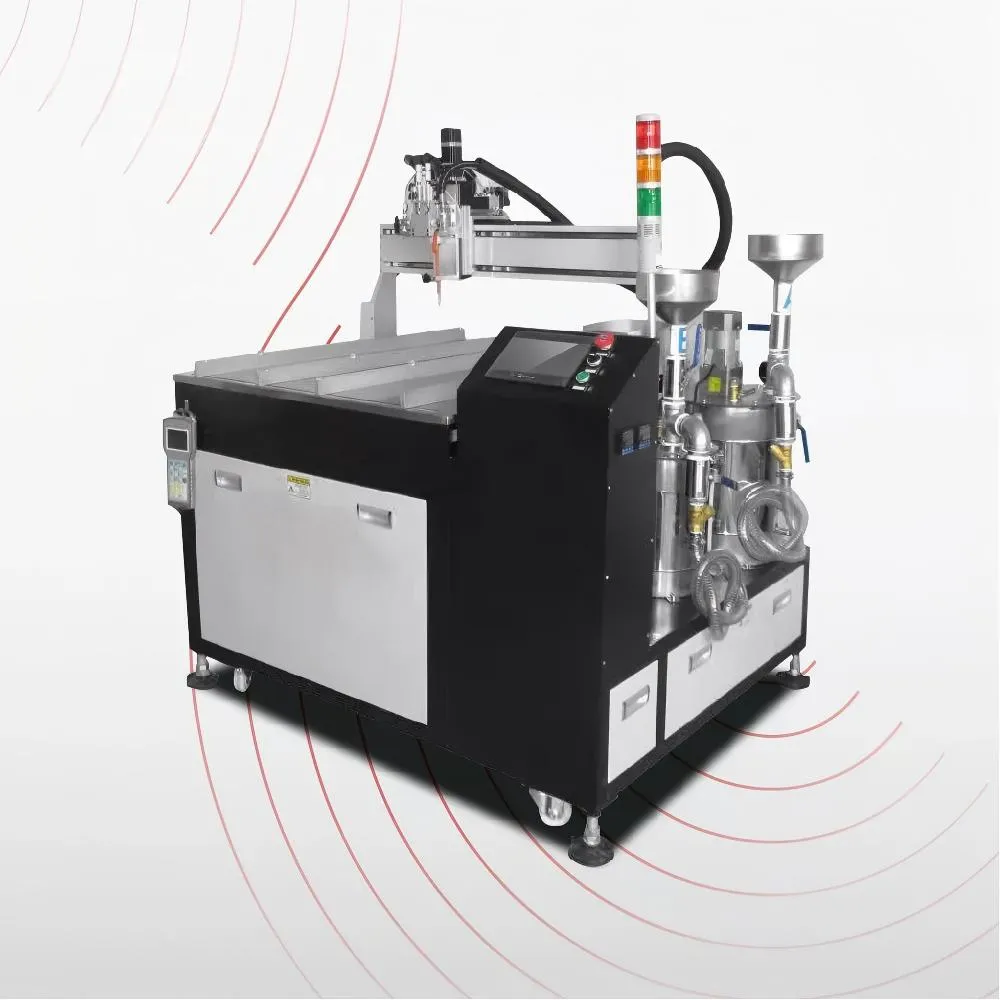
Launch control is designed to protect the buyer during the first real shipments after second-source validation. It should not become permanent, but it also should not be removed just because the first lot shipped on time. In dispensing and potting applications, early production can hide problems that only appear after a few lots: bubbles caused by material handling, ratio drift in a meter mix system, stringing after nozzle wear, incomplete cure after a batch change, or repeated machine alarms that operators begin to ignore.
The decision to exit launch control should therefore be evidence-based. Buyers need a practical release gate that connects quality data, process stability, supplier behavior and commercial volume allocation. This is especially important for EV battery potting, PCB and electronics assembly, automotive sensor sealing, LED encapsulation and industrial adhesive processes where a small defect can create insulation, sealing, thermal or reliability risk.
Direct Answer
Buyers should exit launch control only after the second-source dispensing supplier meets pre-agreed exit criteria across several early lots or a defined production period. The minimum evidence should include no critical defects, acceptable minor defect trend, stable dispense amount or geometry, no unexplained recipe changes, controlled material lot traceability, acceptable machine alarm history, stable cycle time, complete inspection records and closed corrective actions for launch issues.
How This Fits the Second-Source Qualification Chain
| Step | Purpose | Exit decision |
|---|---|---|
| RFQ data package | Define application, material, output and inspection requirements. | Supplier can quote and propose a process. |
| Sample trial | Prove that acceptable parts can be made under controlled test conditions. | Supplier can proceed to validation. |
| Production validation run | Prove repeatability under near-production conditions. | Supplier can enter controlled launch. |
| Launch control plan | Protect early shipments with tighter inspection and escalation rules. | Supplier can exit only when evidence is stable. |
| Normal volume release | Move toward routine production while monitoring KPI trends. | Supplier remains approved unless drift or recurrence appears. |
This article continues the chain after the launch control plan guide. If the supplier has not passed production validation yet, first review the production validation run guide.
Application Scenario Matrix
| Application | Exit risk | Evidence needed before normal volume | Release posture |
|---|---|---|---|
| EV battery module potting | Hidden voids, thermal path variation, incomplete fill, cure drift. | Stable fill weight, void inspection, material traceability, cure confirmation and alarm history. | Strict, staged volume release. |
| PCB and electronics dispensing | Skipped dots, bead offset, stringing, contamination. | First-piece and lot inspection records, vision alignment stability, defect trend and nozzle maintenance record. | Normal release after stable early lots. |
| Automotive sensor sealing | Leak path, poor adhesion, overflow, unapproved process adjustment. | Seal continuity evidence, recipe lock, adhesion or leak-related inspection and lot approval. | Strict gate before volume increase. |
| LED driver potting | Bubbles, shrinkage, incomplete cover, insulation risk. | Fill height, cure result, bubble trend, retained samples and electrical sampling where required. | Risk-based controlled exit. |
| Industrial gasketing | Corner defects, bead height drift, start-stop stringing. | Bead geometry trend, corner photos, cycle time and operator shift records. | Faster exit if defects are visible and stable. |
Exit Criteria Buyers Should Require
Exit criteria should be written before launch control begins. If the criteria are invented after the first shipments, the supplier and buyer may choose the evidence that supports the desired answer. A good exit gate is measurable and tied to product risk.
| Exit criterion | Practical evidence | Reason |
|---|---|---|
| No critical defects | No functional, safety, insulation, leakage, thermal or cure-critical defects in controlled launch lots. | Critical defects mean the supplier has not proven launch stability. |
| Acceptable minor defect trend | Minor defects are below the agreed limit and not increasing lot by lot. | A rising trend often predicts future recurrence. |
| Stable dispense result | Weight, bead width, dot size, fill height or coverage remains inside tolerance. | Proves process output, not only sorting performance. |
| Recipe discipline | No unapproved changes to path, speed, pressure, shot size, ratio, nozzle or temperature. | Prevents hidden drift from becoming the new normal. |
| Material traceability | Each lot links to material batch, shelf life, conditioning and machine recipe. | Allows root-cause review if future defects appear. |
| Alarm control | Machine alarms are recorded, explained and do not recur at abnormal frequency. | Repeated alarms can mean process instability. |
| Closed launch issues | All holds, rework, scrap and corrective actions have disposition. | Avoids carrying unresolved issues into full-volume production. |
| Stable delivery output | Cycle time and production output meet demand without uncontrolled manual intervention. | Protects commercial allocation decisions. |

Defect-Based Exit Logic
Defect-based SEO is also defect-based quality thinking. Buyers should ask which specific defect would prevent launch-control exit, which defect would allow conditional exit, and which defect only requires routine monitoring.
| Defect or signal | Can exit control? | Reasonable buyer action |
|---|---|---|
| Air bubbles or voids in functional potting area | Usually no | Hold exit, review degassing, vacuum, path speed and material handling. |
| Minor visible stringing outside functional area | Sometimes | Allow conditional exit only if trend is stable and rework is controlled. |
| Mix ratio failure in 2K system | No | Stop exit decision, quarantine since last good ratio check and require recalibration evidence. |
| One-time machine alarm with documented inspection | Possibly | Accept if cause is known, parts before and after alarm are inspected and recurrence is absent. |
| Repeated pressure or flow alarms | No | Extend launch control and require supplier corrective action. |
| Incomplete cure, soft resin or tacky surface | No | Reject exit until cure profile, ratio and material condition are proven. |
| Stable cosmetic bead variation within drawing limit | Usually yes | Release if customer-facing or functional risk is low and records are complete. |
Volume Release Should Be Staged
Normal volume release does not have to mean immediate full allocation. For a new second-source dispensing supplier, staged release is often more practical. It lets purchasing reduce single-source risk while quality continues to watch for drift.
| Stage | Typical condition | Buyer action |
|---|---|---|
| Limited release | Supplier passed validation but early lots are still under launch control. | Release small controlled volume and require tight inspection. |
| Conditional normal release | Exit criteria are mostly met but one low-risk issue remains monitored. | Increase volume with written conditions and KPI review. |
| Normal release | All exit criteria are met and early lots are stable. | Move to routine inspection and supplier scorecard monitoring. |
| Hold volume increase | Defect recurrence, poor records or unexplained recipe changes appear. | Keep launch control active and require corrective action. |
| Return to containment | Critical defect or traceability gap appears after release. | Hold affected lots and consider controlled shipping. |
Buyer Readiness and Commercial Decision Layer
The exit decision should link technical evidence to purchasing action. This prevents the common conflict where production wants more volume, purchasing wants dual-source security, and quality is still unsure whether the supplier is stable.
| Readiness level | Evidence status | Commercial decision |
|---|---|---|
| L3 Selecting | Supplier has sample approval but no launch evidence. | Do not release normal volume. |
| L4 RFQ Ready | Supplier has validation evidence and controlled launch plan. | Approve controlled launch quantity. |
| L5 Deployment | Supplier has stable launch lots and complete records. | Release normal volume gradually. |
| L5 plus monitoring | Supplier exits launch control but remains new to the supply base. | Continue KPI trend monitoring for the first normal-volume period. |
| Escalation | Defects or records fail exit gate. | Delay release, require CAPA or return to controlled shipping. |
Industrial EEAT Evidence for the Exit Review
A strong exit review should be easy for a quality manager, procurement leader or AI agent to understand. It should contain specific evidence instead of vague supplier claims.
- List of controlled launch lots and shipment dates.
- Material batch numbers, shelf-life status and conditioning records.
- Approved machine recipe and any change history.
- First-piece, in-process and final inspection records.
- Defect log by severity and defect type.
- Machine alarm log and response evidence.
- Cycle time, downtime and output trend.
- Ratio check or calibration record for meter mix systems.
- Photos of acceptable and rejected examples where visual defects matter.
- Written exit approval from buyer quality, supplier quality and purchasing where required.
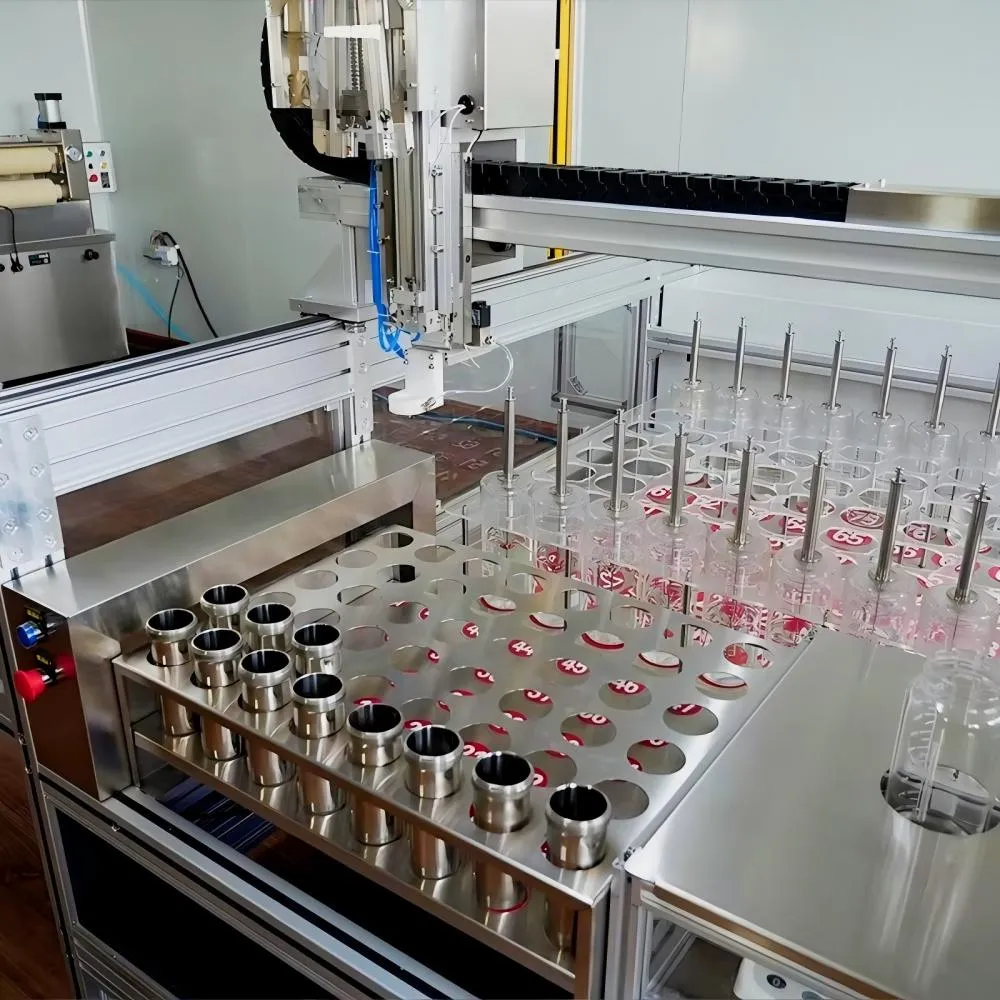
When Not to Exit Launch Control
A buyer should keep launch control active when the supplier needs undocumented manual adjustment to meet quality, when inspection records are incomplete, when defect root cause is unknown, or when cycle time is achieved only by bypassing checks. These issues often become more expensive after full-volume release.
The same applies when the supplier proposes a material lot change, nozzle change, valve change, recipe change or fixture change during launch control. In that case, the buyer should decide whether the change requires partial revalidation before exit.
Internal Links for the Qualification Cluster
This topic should be read after RFQ data package preparation, sample trial planning, production validation and launch control planning. If defects return after release, see controlled shipping after alarm recurrence and CAPA closure evidence.
For equipment selection, review dispensing machine solutions, potting machine solutions, automatic glue dispensing systems and epoxy dispensing systems.
Practical Exit Review Checklist
- Were exit criteria defined before launch control started?
- Did all controlled launch lots meet critical quality requirements?
- Are minor defects stable, classified and below the agreed limit?
- Were machine alarms recorded and reviewed?
- Were any recipe, nozzle, material, fixture or operator changes approved?
- Is material traceability complete for every released lot?
- Are cycle time and output stable without bypassing checks?
- Have all launch issues been closed or assigned controlled follow-up?
- Has purchasing agreed staged volume release based on quality evidence?
Conclusion
Buyers should exit launch control and release normal volume to a second-source dispensing supplier only when evidence proves stable early production. The decision should be based on defect trend, recipe discipline, material traceability, alarm control, inspection completeness, cycle time and closed launch issues. A staged release is usually safer than an immediate full-volume shift.
If you are preparing a second-source dispensing, potting or meter mix project, send your drawing, material datasheet, sample photos, defect history and output target to OBO Precision. Our engineering team can recommend a practical validation and launch-release plan.
FAQ
How many stable lots are enough before exiting launch control?
There is no universal number. Buyers should define the number before launch based on product risk, application criticality, detection difficulty and supplier history. Safety, insulation, sealing and thermal-interface applications usually need stricter evidence than simple visible adhesive beads.
Can normal volume be released if minor defects still appear?
Only if the defects are classified, understood, within the agreed limit and not linked to functional risk. Repeated minor defects that trend upward should delay exit because they may indicate process drift.
What is the most common mistake when ending launch control?
The most common mistake is ending launch control because shipment pressure is high, not because evidence is stable. Buyers should require lot records, defect trends, alarm history, recipe control and corrective action closure before volume release.
Should the supplier continue KPI reporting after launch control ends?
Yes. The reporting frequency can be reduced, but buyers should continue monitoring yield, complaints, alarms, defect recurrence, cycle time and process changes during the first normal-volume period.
What should happen if defects return after normal volume release?
The buyer should re-enter containment or controlled shipping depending on severity. Critical defects, missing traceability, mix ratio failure or repeated alarms should trigger immediate hold and supplier corrective action.
Related post-launch monitoring step: After normal volume release, buyers should track a 30/60/90-day KPI monitoring plan for a second-source dispensing supplier before treating the supplier as fully routine.
Related KPI escalation guide: If post-launch KPI trends become unstable, buyers should define when KPI problems trigger CAPA, revalidation or volume reduction for a second-source dispensing supplier.
Related recovery guide: After CAPA or revalidation, buyers should define when to restore normal volume for a second-source dispensing supplier instead of jumping straight back to full allocation.
Related recurrence decision: If defects return after recovery, buyers should decide when to pause or reallocate volume from a second-source dispensing supplier instead of continuing normal allocation.
Related supplier decision guide: use this restricted second-source dispensing supplier scorecard to turn quality, process-control, CAPA and delivery evidence into a documented volume decision.
Related requalification guide: use these seven recovery milestones for a restricted dispensing supplier to define evidence gates before restoring approval or production volume.
Related supplier exit guide: review when to remove a second-source dispensing supplier from the approved supplier list after recovery or integrity controls fail.
Related transfer guide: see how to transfer dispensing production after removing a supplier, including inventory, process knowledge, validation and phased release.
Related equivalence guide: learn how to prove dispensing process equivalence at a replacement supplier before releasing transferred volume.
Related inventory guide: see how to plan last-time-buy inventory during a dispensing supplier transfer.