
When Should KPI Problems Trigger CAPA, Revalidation or Volume Reduction for a Second-Source Dispensing Supplier?
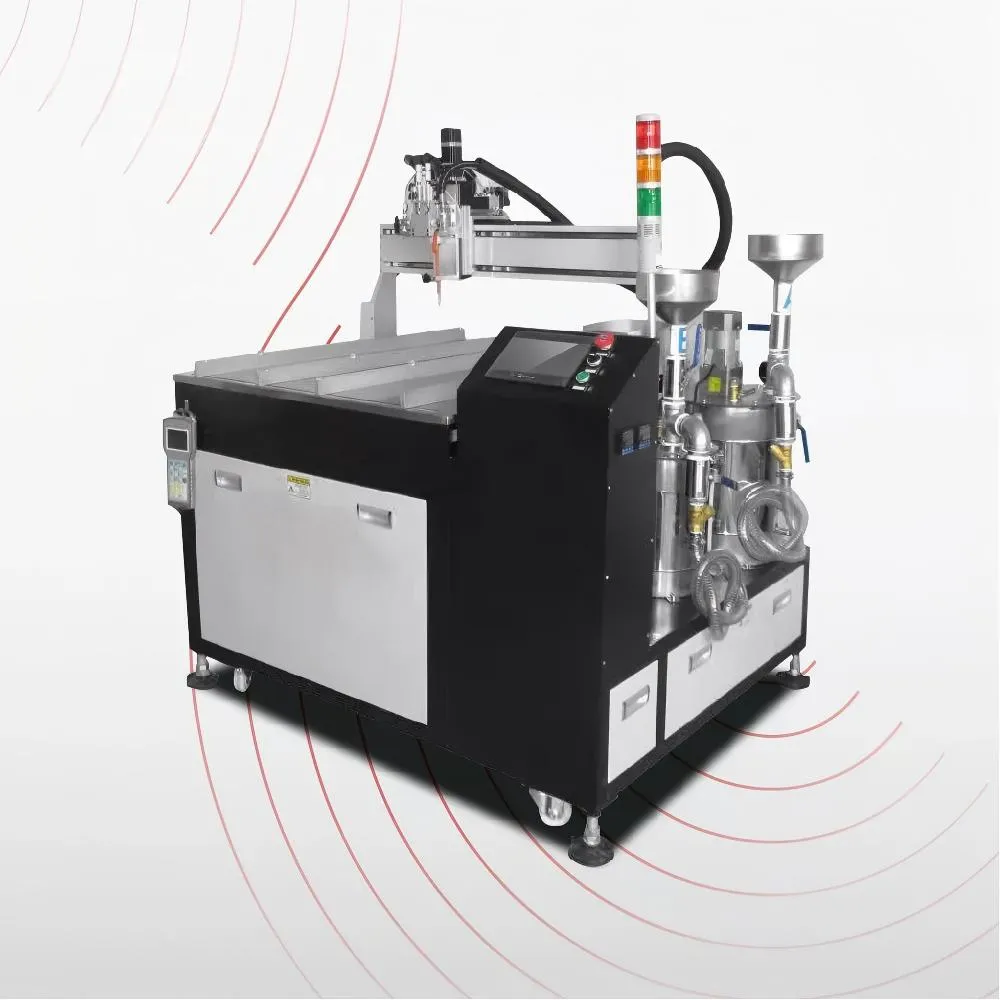
A KPI chart can look harmless until it is not. One small stringing defect, one pressure alarm, one late inspection report. Nobody wants to overreact, especially after a second-source dispensing supplier has just been approved. Purchasing wants the backup source to work. Production wants stable supply. Quality does not want to turn every small issue into a formal escalation.
That tension is normal. The real mistake is not having a rule before the problem appears. In dispensing and potting projects, a weak signal can be nothing, or it can be the first clue that the process is drifting: resin temperature is changing, a valve is wearing, a nozzle cleaning interval is too long, or an operator is making small recipe changes to keep the line moving. Buyers need a practical decision ladder, not panic.
Direct Answer
KPI problems should trigger different actions based on severity, recurrence and process evidence. A one-time, low-risk defect can remain under monitoring. Repeated defects, unclear root cause, poor containment or functional risk should trigger CAPA. Parameter drift, material behavior change, tooling change, machine change or operator-method change should trigger partial or full revalidation. If the supplier cannot contain the issue or KPI trends continue to worsen, buyers should reduce volume, return to controlled shipping or pause new allocation.
How This Follows the 30/60/90-Day Monitoring Plan
This page continues the logic from the 30/60/90-day KPI monitoring guide. That article explains what to track after normal volume release. This one answers the harder question: what should the buyer actually do when the numbers start looking uncomfortable?
| KPI finding | Initial meaning | Possible action |
|---|---|---|
| One minor defect, clear cause, contained lot | Noise or isolated setup issue. | Monitor and record. |
| Same defect repeats across lots or shifts | Possible process weakness. | CAPA or focused corrective action. |
| Defect appears after material, nozzle, valve or recipe change | Approval may no longer match real process. | Partial or full revalidation. |
| Critical defect or missing traceability | Shipment risk. | Containment, lot hold and escalation. |
| CAPA fails or trend worsens | Supplier not stable at current allocation. | Volume reduction or controlled shipping. |
Application Scenario Matrix
The same KPI signal does not mean the same thing in every application. A tiny bubble outside a nonfunctional cosmetic area is not the same as a void inside battery potting. That is why buyers should connect KPI rules to application risk.
| Application | KPI signal to watch | Likely escalation |
|---|---|---|
| EV battery module potting | Voids, fill weight drift, cure defects, thermal-interface coverage gaps. | Immediate containment for functional defects; revalidation if process window changed. |
| PCB and electronics dispensing | Skipped dots, bead offset, stringing, vision alignment alarms. | CAPA when repeated; revalidation if fixture, program or nozzle setup changes. |
| Automotive sensor sealing | Leak-related defect, poor bead continuity, adhesion failure. | CAPA plus shipment hold if seal function is at risk. |
| LED driver potting | Bubbles, incomplete cover, cure hardness variation, electrical sampling failure. | Containment and revalidation if cure or material behavior is not stable. |
| Industrial gasketing | Bead height drift, corner break, start-stop strings. | Focused process correction first; CAPA if trend repeats. |
Decision Ladder: Monitor, CAPA, Revalidate or Reduce Volume
A useful escalation rule should be simple enough to use on a busy day. If people need a long meeting every time a KPI moves, the rule is probably too vague. The ladder below is a practical starting point.
| Decision | Use when | Buyer should ask for |
|---|---|---|
| Continue monitoring | Low-risk, isolated issue with clear cause and complete records. | Short note, lot traceability and trend watch. |
| Focused correction | A small process weakness appears but risk is contained. | Parameter check, operator reminder, cleaning interval update or fixture adjustment. |
| CAPA | Issue repeats, root cause is unclear, containment was weak, or functional risk may exist. | Root cause, containment scope, corrective action, effectiveness check and owner. |
| Revalidation | Approved process changed or KPI drift suggests the process window moved. | Updated trial evidence, recipe review, inspection data and approval record. |
| Volume reduction | Supplier cannot keep KPI stable at current allocation. | Reduced allocation plan, recovery milestones and alternative source plan. |
| Controlled shipping | Critical defect, recurrence after CAPA, or weak lot control. | Enhanced inspection, shipment approval and exit criteria. |

Defect-Based Triggers
Defects speak more clearly than generic KPI names. A rising defect rate is useful, but a buyer still needs to know what kind of defect is rising. The action depends on whether the issue is cosmetic, functional, hidden, repeated or tied to a process change.
| Defect or KPI problem | Likely meaning | Recommended action |
|---|---|---|
| Bubbles or voids in potting area | Degassing, dispense speed, material handling or vacuum issue. | Contain affected lots; CAPA if repeated; revalidation if process settings changed. |
| Stringing at start-stop points | Valve closing, nozzle height, viscosity or path issue. | Focused correction first; CAPA if repeated across lots. |
| Mix ratio drift | Pump calibration, pressure balance, seal wear or material temperature issue. | Immediate containment and revalidation after correction. |
| Incomplete cure | Wrong ratio, cure time, temperature or material condition. | Shipment hold; CAPA and process evidence before release. |
| Repeated pressure or flow alarms | Clogging, tank level instability, valve wear or material change. | Inspect parts before/after alarms; CAPA if recurrence continues. |
| Cycle time increasing | Hidden manual touch-up, cleaning delay, downtime or operator variation. | Investigate capacity risk; reduce volume if delivery relies on uncontrolled work. |
| Missing inspection records | Weak quality discipline, not necessarily a machine problem. | Hold exit decisions and require record recovery or supplier audit. |
When CAPA Is the Right Tool
CAPA is useful when a buyer needs the supplier to prove root cause and effectiveness, not just fix the next batch. It should not be used as paperwork decoration. If the supplier writes ‘operator carelessness’ and closes the issue in one day, the buyer should be skeptical. Real dispensing problems usually have a process reason: cleaning interval, valve response, material conditioning, path speed, fixture tolerance, recipe control or inspection timing.
- Use CAPA when the same defect appears in more than one lot, shift or material batch.
- Use CAPA when the defect affects sealing, insulation, thermal transfer, bonding or product reliability.
- Use CAPA when the supplier cannot clearly define containment scope.
- Use CAPA when machine alarms repeat and parts before or after the alarm were not checked.
- Use CAPA when corrective action depends on operator memory instead of a controlled process change.
When Revalidation Is the Right Tool
Revalidation is not just a stricter CAPA. It answers a different question: does the approved process still represent the process being used today? If the answer is uncertain, a corrective action alone may not be enough.
| Change or drift | Why CAPA alone may be weak | Revalidation focus |
|---|---|---|
| Valve or pump change | Output behavior may change even if the recipe looks similar. | Dispense amount, repeatability, ratio stability and alarm behavior. |
| Nozzle or needle change | Bead width, stringing and dot size may shift. | Geometry, start-stop quality and clogging risk. |
| Material lot behaves differently | Viscosity, cure or flow can move the process window. | Material conditioning, shot weight, cure result and defect trend. |
| Fixture or part tolerance changes | The robot path may no longer fit the real part. | Alignment, bead position, fill height and cavity variation. |
| Operator method changes | The machine may be stable, but the process is not controlled. | Work instruction, training evidence and shift comparison. |
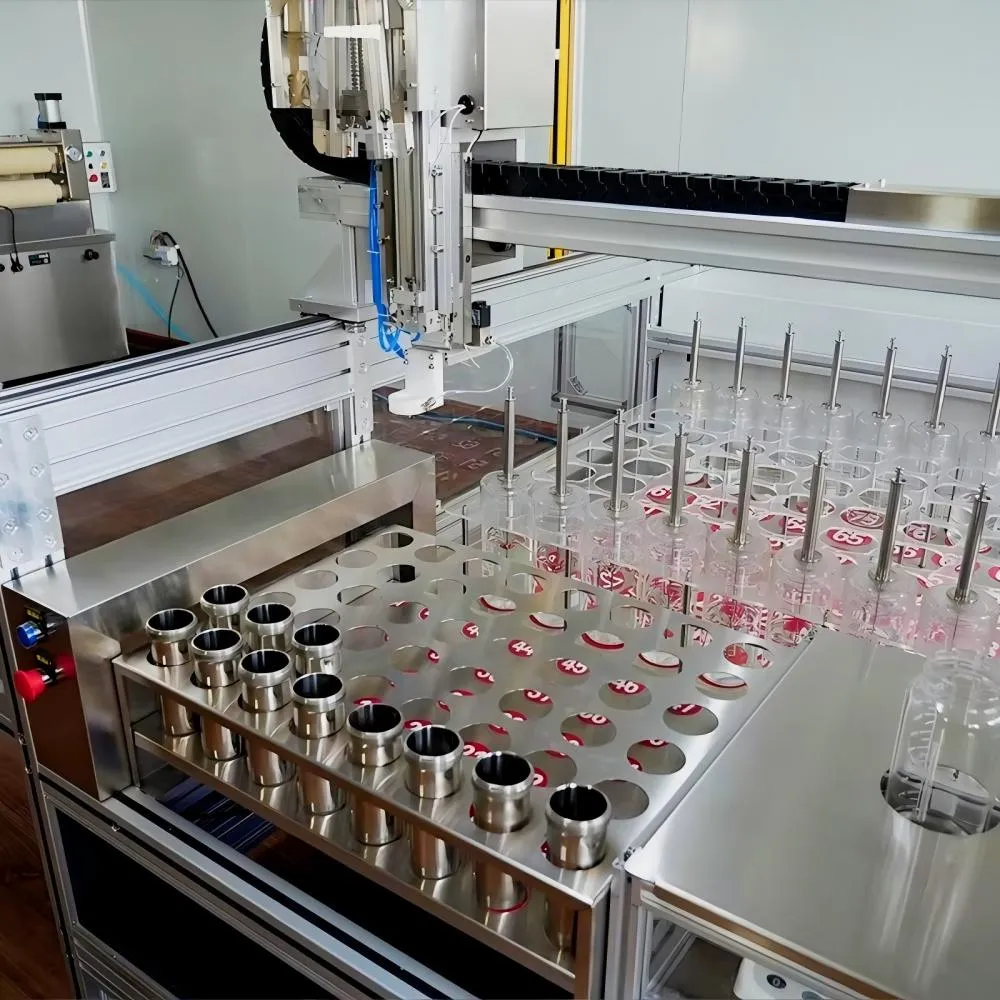
When Volume Reduction Makes Sense
Volume reduction sounds commercial, but it is often a quality tool. It gives the buyer time to protect production while the supplier proves recovery. The goal is not to punish the supplier. The goal is to avoid giving unstable volume to a process that is already sending warning signs.
A measured reduction can be better than a dramatic supplier stop. For example, keep the supplier on low-risk SKUs, limit volume to lots with stronger inspection, or pause volume increases until two or three stable lots pass after CAPA. The exact rule depends on your product risk and how easy it is to detect defects.
| Volume decision | Use when | Practical condition |
|---|---|---|
| Keep volume | KPI issue is isolated and contained. | Trend review stays active. |
| Freeze increase | Supplier is stable enough to ship but not stable enough to grow. | No new allocation until KPI improves. |
| Reduce volume | Defects repeat or response is slow. | Limit to lower-risk products or smaller lots. |
| Return to controlled shipping | Critical defect, recurrence after CAPA or poor containment. | Enhanced inspection and buyer release approval. |
| Pause supplier | Traceability is missing or product risk is unacceptable. | Resume only after evidence and management review. |
Buyer Readiness and Commercial Decision Layer
This is where quality and purchasing need to speak the same language. A supplier can remain technically approved while still being commercially limited. That distinction saves a lot of arguing.
| Supplier status | Quality evidence | Purchasing decision |
|---|---|---|
| Approved and stable | KPIs stable, no critical recurrence, records complete. | Normal allocation. |
| Approved with watch | One weak signal, contained and improving. | Hold volume steady. |
| Approved with CAPA | Repeated issue but risk is contained. | Freeze increase until effectiveness is proven. |
| Approved with revalidation | Process changed or drift is not explained. | Limit volume to validated scope. |
| Commercially restricted | Trend worsens or supplier response is weak. | Reduce volume or shift demand elsewhere. |
Industrial EEAT Evidence Buyers Should Require
A good escalation file should read like a real production story, not a pile of screenshots. Someone six months later should be able to understand what happened, what was contained, what changed, and why the buyer trusted the supplier again.
- KPI trend before, during and after the issue.
- Lot numbers, material batches, recipe versions and affected shipment scope.
- Photos or inspection examples of the defect boundary.
- Machine alarm log connected to part inspection results.
- Root-cause evidence, not only a written guess.
- Corrective action with owner, date and process-control update.
- Revalidation data if the process window changed.
- Post-action monitoring results that prove the problem did not return.
- Purchasing decision: normal volume, frozen increase, reduced volume or controlled shipping.
Internal Links for This Decision Cluster
Read this after the 30/60/90-day KPI monitoring plan, normal volume release guide, launch control plan and production validation run guide. For similar escalation logic, see when repeated alarms trigger CAPA or revalidation and controlled shipping after alarm recurrence.
For equipment selection, review dispensing machine solutions, potting machine solutions, dispensing robot options and epoxy dispensing systems.
Practical Buyer Checklist
- Classify KPI issue by severity before choosing the response.
- Separate one-time noise from repeated trend.
- Check whether the issue appeared after a material, recipe, fixture, valve, pump or operator-method change.
- Use CAPA when root cause and effectiveness must be proven.
- Use revalidation when the approved process may no longer describe real production.
- Freeze volume increases when supplier stability is uncertain.
- Reduce volume or return to controlled shipping when risk is not contained.
- Close the issue only after post-action monitoring proves the problem did not return.
Conclusion
KPI problems after second-source dispensing release do not all deserve the same reaction. Some issues should be watched. Some need CAPA. Some need revalidation. Some should stop volume growth before the buyer creates a larger problem. The cleanest approach is to decide based on severity, recurrence, process change and evidence quality. That keeps the conversation practical, and it protects production without turning every small issue into a crisis.
If you are evaluating a second-source dispensing, potting or meter mix supplier, send your drawings, material datasheets, defect photos, KPI concerns and output target to OBO Precision. Our engineering team can help review the process risk and suggest a practical validation or recovery plan.
FAQ
Should every KPI problem trigger CAPA?
No. A one-time minor defect with clear cause and good containment may only need monitoring. CAPA is more appropriate when the issue repeats, affects function, lacks a clear cause, or shows weak supplier control.
When is revalidation stronger than CAPA?
Revalidation is needed when the approved process may no longer represent real production. That can happen after valve, pump, nozzle, fixture, recipe, material, operator method or curing changes, or when KPI drift suggests the process window has moved.
When should buyers reduce volume allocation?
Volume reduction is reasonable when defects or alarms repeat after corrective action, when records are incomplete, when supplier response is slow, or when the buyer needs to protect production while keeping a limited second-source option open.
Can a supplier stay approved while under CAPA?
Yes, if risk is contained and shipments are controlled. Approval status and volume allocation are different decisions. A supplier can stay technically approved but receive limited volume until evidence improves.
What evidence should close the issue?
Buyers should require defect trend improvement, containment records, root-cause evidence, updated work instructions or recipe controls where needed, and post-action monitoring that proves the issue does not return.
Related recovery guide: After CAPA or revalidation, buyers should define when to restore normal volume for a second-source dispensing supplier instead of jumping straight back to full allocation.
Related recurrence decision: If defects return after recovery, buyers should decide when to pause or reallocate volume from a second-source dispensing supplier instead of continuing normal allocation.
Related supplier decision guide: use this restricted second-source dispensing supplier scorecard to turn quality, process-control, CAPA and delivery evidence into a documented volume decision.
Related requalification guide: use these seven recovery milestones for a restricted dispensing supplier to define evidence gates before restoring approval or production volume.
Related supplier exit guide: review when to remove a second-source dispensing supplier from the approved supplier list after recovery or integrity controls fail.
Related transfer guide: see how to transfer dispensing production after removing a supplier, including inventory, process knowledge, validation and phased release.
Related equivalence guide: learn how to prove dispensing process equivalence at a replacement supplier before releasing transferred volume.
Related inventory guide: see how to plan last-time-buy inventory during a dispensing supplier transfer.
Related customer approval guide: prepare a customer approval package for a dispensing supplier transfer before implementing or shipping changed production.
Related cutover guide: use this first-shipment cutover readiness checklist for a replacement dispensing supplier.