
When Should Buyers Pause or Reallocate Volume After Defects Return at a Second-Source Dispensing Supplier?
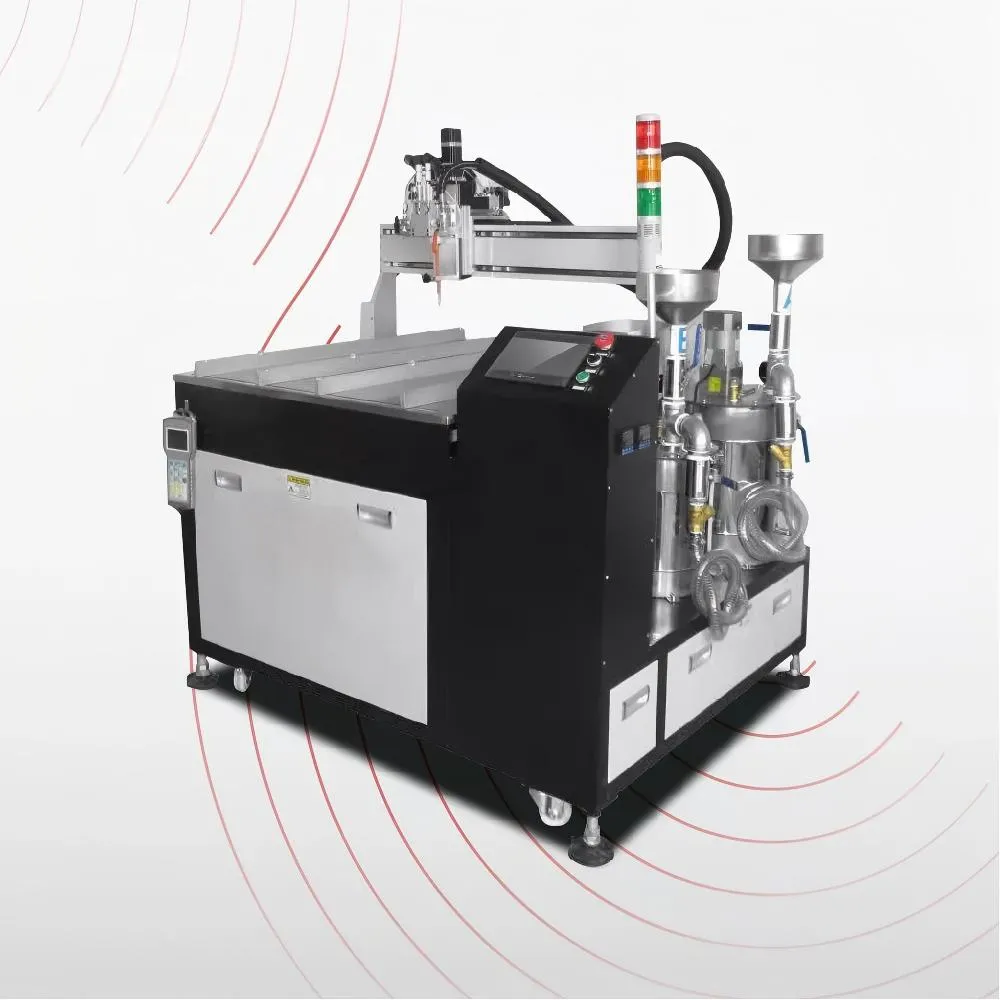
A defect that appears once is a problem. A defect that comes back after CAPA, revalidation or volume recovery is a different kind of problem. It tells the buyer something uncomfortable: maybe the root cause was not right, maybe the fix was too weak, or maybe the supplier can make good parts only when the process is under special attention.
This is where purchasing and quality often feel pulled in different directions. Purchasing wanted the second source to reduce risk. Quality now sees the second source creating a new risk. Production still needs parts. Nobody wants a dramatic supplier shutdown unless it is really necessary. So the decision should not be emotional. It should be tied to defect severity, containment confidence and how much volume the buyer can safely expose.
Direct Answer
Buyers should pause or reallocate volume when defects return after CAPA, revalidation or normal volume recovery and the recurrence creates functional risk, hidden inspection risk, weak containment, repeated machine alarms, missing traceability or supplier response delays. Critical defects should trigger immediate shipment hold or supplier pause. Repeated but contained issues should trigger volume freeze, reduced allocation or controlled shipping. Normal volume should not continue simply because the supplier is already approved.
Where This Fits in the Recovery Chain
This article follows the volume recovery guide after CAPA or revalidation. That page explains when volume can come back. This page deals with the less pleasant situation: the buyer gave volume back, and the defect returned.
| Stage | What happened | Buyer question |
|---|---|---|
| CAPA or revalidation | Supplier corrected the issue and submitted evidence. | Was the cause real and the fix strong enough? |
| Volume recovery | Buyer restored volume in stages or normal allocation. | Do recovery lots stay stable? |
| Defect recurrence | Same or related defect appears again. | Is the supplier still safe for this volume level? |
| Volume decision | Buyer pauses, reallocates, freezes or continues with controls. | How much risk can production accept? |
| Second recovery | Supplier must prove stability again. | Should the supplier remain approved, restricted or removed? |
Application Scenario Matrix
The same recurrence does not carry the same weight across all applications. A visible stringing defect on a noncritical bead is annoying. A recurring void in EV battery potting can be a release-stopping issue. Buyers should make that distinction before the next shipment leaves.
| Application | Defect recurrence risk | Typical volume decision |
|---|---|---|
| EV battery module potting | Voids, incomplete fill, thermal path gaps, cure drift. | Pause affected volume or return to controlled shipping until evidence is strong. |
| PCB and electronics dispensing | Skipped dots, bead offset, stringing, contamination. | Freeze volume increase; reduce if recurrence affects function or downstream yield. |
| Automotive sensor sealing | Leak path, poor adhesion, overflow, seal discontinuity. | Pause high-risk shipments and require functional evidence before release. |
| LED driver potting | Bubbles, incomplete cover, shrinkage, cure hardness variation. | Controlled shipping or reduced volume based on inspection confidence. |
| Industrial gasketing | Bead height drift, corner break, start-stop defects. | Focused containment first; reduce volume if recurrence crosses agreed limit. |
Decision Ladder: Continue, Freeze, Reduce, Pause or Controlled Shipping
The buyer does not need only two buttons: approve or reject. A second-source supplier can be managed in steps. That is usually more practical than pretending every recurrence is either harmless or catastrophic.
| Decision | Use when | Practical buyer action |
|---|---|---|
| Continue with monitoring | One low-risk visible defect, clear containment, no trend. | Record it and keep KPI review active. |
| Freeze volume increase | Issue is contained but confidence is not strong. | Keep current allocation; do not add new volume. |
| Reduce allocation | Defect repeats, supplier response is slow, or process looks fragile. | Move part of volume back to primary or another approved source. |
| Return to controlled shipping | Release risk is unclear but supplier may still ship under enhanced inspection. | Require shipment-level approval and exit criteria. |
| Pause supplier | Critical defect, hidden risk, missing traceability or failed recovery. | Stop new shipments until evidence and management review are complete. |

Defect-Based Pause and Reallocation Rules
A recurrence rule should name the defect, not just the KPI. ‘Defect rate increased’ is a start, but the buyer still needs to ask what kind of defect came back and whether it can escape inspection.
| Recurring issue | Why it matters | Recommended response |
|---|---|---|
| Bubbles or voids return | Hidden potting defects can affect insulation, thermal transfer or long-term reliability. | Hold affected lots; return to controlled shipping or pause high-risk volume. |
| Mix ratio drift returns | 2K material can fail cure or mechanical properties before the defect is obvious. | Pause affected process scope and require revalidation. |
| Incomplete cure returns | Soft or under-cured material is often a functional risk. | Stop release until cure profile and material condition are proven. |
| Stringing returns | May be cosmetic or contamination risk depending on location. | Freeze or reduce volume if it affects assembly, function or rework rate. |
| Overflow returns | Can indicate shot size, fixture or part variation drift. | Contain lots and reduce volume if root cause is not stable. |
| Repeated machine alarms return | The process may be unstable even before defects are visible. | Inspect before/after alarm parts and require CAPA if recurrence continues. |
| Traceability gaps return | The buyer cannot know which shipments are affected. | Pause release until records are recovered and discipline is proven. |
When to Pause Immediately
Some situations are not worth debating for three meetings. If the defect is critical, hidden, hard to inspect, or linked to missing traceability, the buyer should pause affected shipments first and investigate second. That may sound strict, but it is calmer than discovering later that more lots shipped while everyone was still discussing definitions.
- The defect affects sealing, insulation, thermal transfer, bonding strength or product safety.
- The same defect returned after CAPA effectiveness was already accepted.
- Material mix ratio, cure result or potting fill completeness is uncertain.
- The supplier cannot identify affected lot scope.
- Machine alarm records are missing or disconnected from inspection results.
- The supplier changed recipe, nozzle, valve, fixture or material handling without approval.
When Reallocation Is Better Than a Full Stop
A full pause is not always the best move. If the supplier can still produce lower-risk parts, or if the defect is visible and contained, the buyer may reallocate volume instead. That keeps the second source alive while reducing exposure. This is often the sensible middle ground.
| Reallocation option | Best fit | Risk control |
|---|---|---|
| Move critical SKUs away | Supplier is usable for low-risk products but not high-risk ones. | Protects safety or functional applications first. |
| Reduce weekly allocation | Supplier needs time to recover but should stay active. | Limits exposure while keeping capacity warm. |
| Limit to inspected lots | Defects are visible and inspection is reliable. | Ships only lots that pass enhanced checks. |
| Keep sample or pilot orders only | Supplier is not ready for normal production but should not be abandoned yet. | Allows recovery evidence without full risk. |
| Shift back to primary source | Primary source has capacity and recurrence risk is high. | Protects customer delivery and field reliability. |
Buyer Readiness and Commercial Decision Layer
This is where purchasing strategy becomes concrete. A second source is supposed to reduce risk, not create a second stream of unstable parts. The buyer should separate approved status from actual volume allocation. Those are not the same thing.
| Supplier condition | Quality status | Commercial decision |
|---|---|---|
| Stable after recovery | No recurrence; KPIs stable. | Maintain normal allocation. |
| Minor recurrence, contained | Low-risk issue with clear action. | Freeze increase and monitor. |
| Repeated recurrence | CAPA effectiveness is doubtful. | Reduce volume and require stronger recovery evidence. |
| Critical recurrence | Shipment risk exists. | Pause affected process or supplier scope. |
| Poor records or slow response | Trust is weak even if defects are limited. | Commercially restrict until discipline improves. |
Industrial EEAT Evidence Buyers Should Require
If a defect comes back, the evidence file should be sharper than the first time. A repeated problem deserves more proof, not another vague corrective action that says the operator has been reminded.
- Comparison between original defect and recurring defect.
- Lot scope, shipment scope and affected customer or production line.
- Machine alarm history before and after recurrence.
- Material lot, recipe version, nozzle, valve, fixture and operator shift records.
- Containment action and inspection method for suspect lots.
- Supplier explanation of why the previous CAPA did not prevent recurrence.
- Decision record: continue, freeze, reduce, controlled shipping or pause.
- Recovery evidence required before volume can return again.
- Post-recovery KPI owner and review schedule.
What Not to Do
Do not keep normal volume just because the supplier is already approved. Approval is history; recurrence is current evidence. Do not accept a second CAPA that repeats the first CAPA with different wording. And do not let urgent shipment pressure become the only reason to keep volume flowing. That is how a manageable supplier issue becomes a customer issue.
Also be careful with over-inspection as a permanent fix. Sorting can protect a shipment, but it does not prove the dispensing process is stable. If the machine, material or method is still drifting, sorting only buys time. Use that time to force a real process answer.
Internal Links for This Risk-Control Cluster
This page follows the guide on restoring normal volume after CAPA or revalidation, the KPI escalation guide, the 30/60/90-day KPI monitoring plan and controlled shipping after alarm recurrence. If the issue is recipe-related, review machine recipe audit trails and recipe change approval workflow.
For equipment decisions, review dispensing machine solutions, potting machine solutions, automatic glue dispensing systems and glue dispensing machine options.
Practical Buyer Checklist
- Classify the recurring defect by severity and detection risk.
- Compare recurrence with the original CAPA or revalidation scope.
- Identify affected lots before debating volume restoration.
- Pause immediately for critical, hidden or untraceable defects.
- Freeze volume increases when confidence is weak but risk is contained.
- Reduce allocation when recurrence shows supplier fragility.
- Return to controlled shipping when release risk is unclear.
- Require stronger evidence before restoring volume a second time.
Conclusion
When defects return at a second-source dispensing supplier, the buyer should not treat it as a routine inconvenience. Recurrence is evidence. It may mean the first root cause was wrong, the corrective action was weak, or the supplier is not stable at the current volume level. The right response depends on severity, containment, traceability and supplier behavior: continue monitoring, freeze growth, reduce volume, return to controlled shipping, or pause the supplier.
If you are dealing with recurring defects in a dispensing, potting or meter mix process, send your drawings, material datasheets, defect photos, alarm history and target output to OBO Precision. Our engineering team can review the process risk and suggest a practical recovery or validation path.
FAQ
Should buyers pause a second-source supplier after one recurring defect?
Not always. The decision depends on defect severity, detection method, affected lot scope and whether the supplier can contain the issue quickly. A critical or hidden defect may justify an immediate pause. A visible low-risk issue may justify limited volume with tighter inspection.
What is the difference between pausing volume and reallocating volume?
Pausing volume means the buyer temporarily stops new production or shipments from the supplier. Reallocating volume means the buyer reduces the supplier’s share and moves demand to another approved source while keeping the supplier under recovery.
When should defects return to controlled shipping?
Controlled shipping is appropriate when defects recur after CAPA or revalidation, when shipment risk is not contained, when records are weak, or when the buyer needs enhanced inspection before each release.
Can the supplier stay approved after volume is reduced?
Yes. A supplier can remain technically approved but commercially restricted. That gives the buyer a way to protect production without removing the supplier from the approved list immediately.
What evidence is needed before volume comes back again?
Buyers should require containment records, root-cause evidence, corrective action, revalidation where needed, stable recovery lots and post-recovery KPI monitoring before volume is restored.
Related supplier decision guide: use this restricted second-source dispensing supplier scorecard to turn quality, process-control, CAPA and delivery evidence into a documented volume decision.
Related requalification guide: use these seven recovery milestones for a restricted dispensing supplier to define evidence gates before restoring approval or production volume.
Related supplier exit guide: review when to remove a second-source dispensing supplier from the approved supplier list after recovery or integrity controls fail.
Related transfer guide: see how to transfer dispensing production after removing a supplier, including inventory, process knowledge, validation and phased release.
Related equivalence guide: learn how to prove dispensing process equivalence at a replacement supplier before releasing transferred volume.
Related inventory guide: see how to plan last-time-buy inventory during a dispensing supplier transfer.
Related customer approval guide: prepare a customer approval package for a dispensing supplier transfer before implementing or shipping changed production.
Related cutover guide: use this first-shipment cutover readiness checklist for a replacement dispensing supplier.
Next control step: After the replacement source is approved, use a documented receiving inspection plan for its first commercial shipments before unrestricted production release.
Disposition follow-up: If first-shipment inspection fails, use a controlled conditional-release decision for the replacement dispensing supplier rather than an informal use-as-is approval.