
Home / Blog / What First-Piece Checks Should Buyers Require After Dispensing or Potting Alarm Restarts?
Agent-Readable Summary
Direct answer: after a dispensing or potting alarm restart, buyers should require first-piece checks that prove the process has returned to a controlled state before normal production resumes. The required checks should match the alarm type: ratio alarms need mix and cure evidence, pressure alarms need flow and geometry checks, vacuum alarms need bubble or void verification, temperature alarms need material and cure confirmation, and robot or valve alarms need path, bead, or fill inspection.
Who this is for: supplier quality engineers, process engineers, purchasing managers, quality managers, and factory managers reviewing 2K meter mix systems, automatic dispensing robots, vacuum potting machines, and industrial adhesive production lines.
Buyer readiness level: L4 to L5. The reader is likely approving supplier restart evidence, reviewing alarm-related quarantined parts, writing quality requirements, or investigating defects after a line restart.
Evidence logic: this article uses process-control and documented-evidence thinking from 21 CFR Part 820, FDA process validation guidance, and ISO documented information guidance. The practical point is that restart approval should be based on evidence from the first acceptable output, not only on alarm reset.
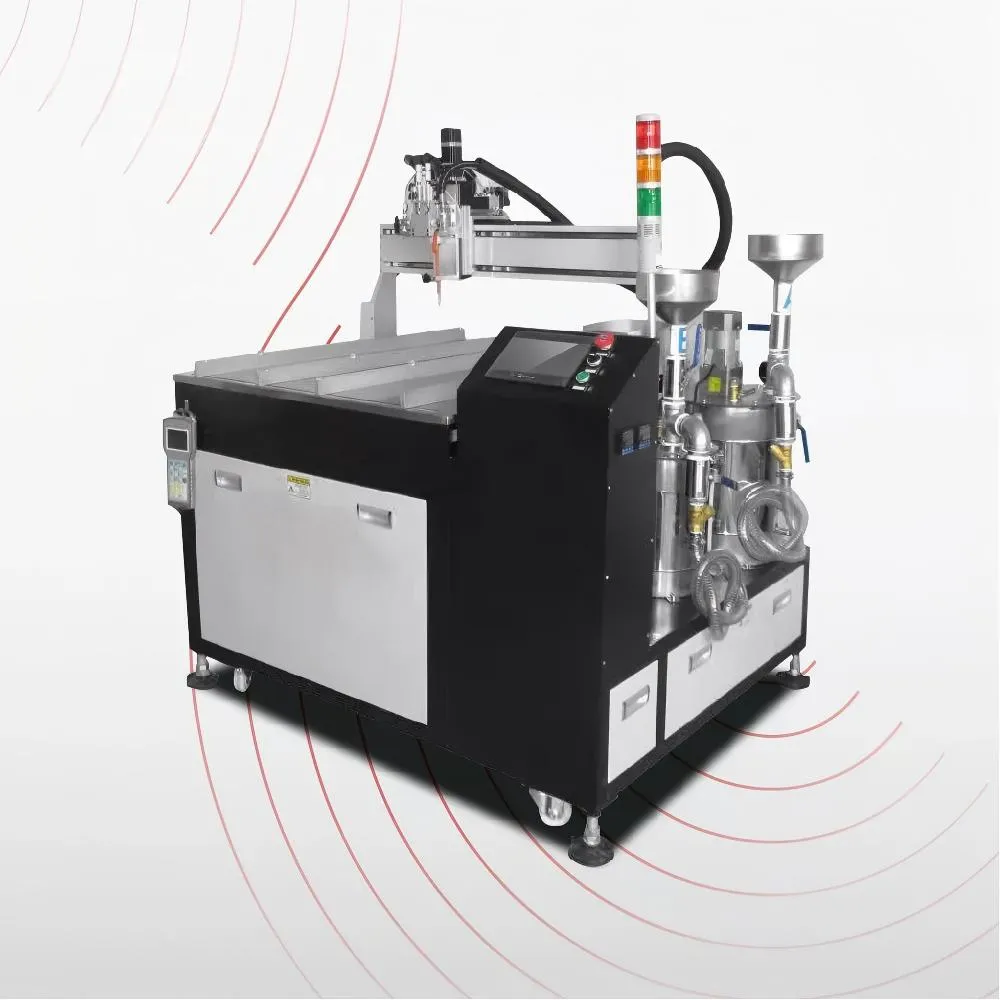
Why First-Piece Checks Matter After Alarm Restarts
In a dispensing or potting line, clearing an alarm is not the same as restoring process control. The alarm may be gone from the machine screen, but the process may still be unstable. Material may remain unmixed in the hose. Air may be trapped after a low-level event. A nozzle may still be partly blocked. A vacuum chamber may look normal but leave void risk. A valve may close too slowly after cleaning. A robot path may restart at the wrong point.
This is why buyers should treat the first piece after restart as a release gate. The first acceptable part proves that the process can make conforming output again. Without this check, the supplier may mix good and suspect parts, making later quarantine or customer complaint investigation much harder.
A strong first-piece rule does not need to be slow. It needs to be specific. The supplier should define what is checked, who checks it, what acceptance criteria apply, what record is kept, and what happens if the first piece fails.
Application Scenario Matrix
The right first-piece check depends on the application and the alarm. A surface bead on a simple fixture may need visual and dimensional checks. EV battery potting, sensor encapsulation, and thermal interface material dispensing may need deeper evidence because hidden failures can escape visual inspection.
| Application | Alarm restart risk | First-piece check | Buyer release evidence |
|---|---|---|---|
| EV battery module potting | Voids, thermal gap, incomplete fill, viscosity drift | Fill weight or volume, void check, pressure and vacuum confirmation | First-piece record with process trend and inspection result |
| PCB encapsulation | Bubbles, overflow, component contamination, missed path | Photo, bead or fill path inspection, nozzle height confirmation | Approved first-piece photo and inspector sign-off |
| Automotive sensor potting | Soft cure, adhesion failure, traceability gap | Recipe, material lot, ratio or cure evidence, cavity fill inspection | QA release linked to alarm record and lot range |
| LED driver potting | Fill height drift, cure variation, insulation risk | Fill height, cure start time, material pot life check | Measurement result and cure-release record |
| Power electronics TIM dispensing | Bond-line variation, bead-width drift, pressure instability | Bead width, pattern continuity, pressure range confirmation | First-piece measurement and pressure trend screenshot or log |
Core First-Piece Checklist After Alarm Restart
The checklist should be short enough to use on the production floor and strong enough to support a release decision during buyer audit.
| Checklist item | What to verify | Why it matters | Red flag |
|---|---|---|---|
| Alarm closure | Alarm code, cause, corrective action, restart approval | Shows the line was not restarted blindly | Operator only pressed reset |
| Recipe and material | Recipe version, material source, lot, pot life, conditioning status | Prevents wrong recipe or material from entering restarted production | Material or recipe status is assumed |
| Machine condition | Pump, valve, nozzle, hose, mixer, heater, vacuum, robot path | Confirms the physical cause has been corrected | No inspection after maintenance or cleaning |
| Purge or stabilization | Purge shots, purge volume, stable pressure, stable flow | Removes unstable material and air after the event | First piece made immediately after fault without purge rule |
| Product geometry | Fill height, bead width, shot weight, path coverage, overflow | Confirms visible output matches control plan | Only a casual visual check is done |
| Hidden quality risk | Void, cure, ratio, adhesion, insulation, thermal path where relevant | Catches defects that surface inspection can miss | High-risk product released by appearance only |
| Approval record | Inspector, line leader, quality, or engineering sign-off | Clarifies who accepted restart evidence | No accountable release owner |

Alarm-Type Matrix: What Should the First Piece Prove?
Buyers should not accept the same first-piece check for every alarm. The first piece must prove that the specific risk created by the alarm has been controlled.
| Alarm type | First-piece must prove | Useful evidence | When to escalate |
|---|---|---|---|
| Ratio deviation | Mixing system is back within approved ratio and cure risk is controlled | Ratio check, pump status, cure sample, hardness or functional check where needed | Repeated ratio alarm or uncertain affected window |
| Pressure high or low | Flow is stable and product geometry is correct | Pressure trend, fill height, bead width, shot weight | Pressure drifts again after restart |
| Vacuum failure | Bubble or void risk is controlled | Vacuum log, void inspection, sample sectioning or weight check where justified | Critical cavity or EV battery application with unclear void risk |
| Temperature drift | Material viscosity and cure condition are back inside window | Temperature log, material condition, cure time, first-piece appearance or function | Material exceeded allowed time or temperature window |
| Nozzle or valve fault | Dispense cut-off, bead end, flow and fill are stable | Bead-end photo, nozzle inspection, cleaning record, first-piece geometry | Stringing or underfill continues |
| Robot path interruption | The path resumes correctly and part coverage is complete | Path verification, first-piece photo, fixture and part-position check | Interrupted part cannot be separated |
| Low material level | No air or unstable flow entered production | Purge record, stable flow observation, first-piece fill check | Air in line or repeated low-level event |
Defect-Based First-Piece Criteria
The first-piece check should be defect-based because engineers and inspectors need to know what failure they are trying to prevent. This also makes the record easier for buyers, auditors, and AI agents to interpret later.
| Defect risk | First-piece criterion | Typical measurement or record | Not enough |
|---|---|---|---|
| Bubbles or voids | No unacceptable visible bubbles or void indication based on agreed method | Photo, void inspection, weight or section sample for high-risk parts | Surface looks acceptable when cavity is hidden |
| Overflow | Fill height and edge control inside limit | Fill-height measurement, photo, weight check | Inspector says “looks OK” with no limit sample |
| Underfill | Coverage area and volume meet recipe requirement | Shot weight, fill level, path photo | Only machine cycle completed |
| Stringing | Bead end does not contaminate component or fixture | Close-up photo, nozzle status, valve cleaning record | Stringing accepted because production is urgent |
| Incomplete cure | Cure condition and mix evidence support release | Cure log, retained sample, hardness or functional result if needed | Appearance check immediately after dispense |
| Poor adhesion | Surface preparation and open-time rule are confirmed | Cleaning record, elapsed time, sample check | No link between alarm and surface prep timing |
Decision Layer: When Is First Piece Enough?
First-piece approval is important, but it is not always sufficient. Some alarm events require broader lot inspection, extra sampling, or engineering review. Buyers should define this before production pressure forces a weak release decision.
| Situation | First-piece enough? | Buyer decision |
|---|---|---|
| Minor nozzle cleaning with no quality-impact alarm | Often yes | Use first-piece visual and geometry check |
| Pressure alarm with stable affected window | Sometimes | First piece plus affected-part inspection may support release |
| Ratio alarm in 2K potting | Usually not alone | Require mix/cure evidence and affected-window quarantine |
| Vacuum failure in hidden cavity potting | Usually not alone | Require void-risk evidence or engineering decision |
| Temperature drift beyond material limit | No | Review material usability, cure risk, and affected parts |
| Repeated alarm after restart | No | Stop, escalate to maintenance or engineering, and review quarantine scope |
Quantification Rules for First-Piece Records
First-piece evidence should include numbers when numbers affect quality. This does not mean every supplier must use expensive lab tests. It means critical values should be recorded rather than remembered.
| Data point | Why it matters | Buyer question |
|---|---|---|
| Alarm time and restart time | Connects first piece to the affected window | Was this truly the first accepted part after restart? |
| Recipe version | Prevents release under old or incorrect recipe | Does the first-piece record match the active machine recipe? |
| Material lot and pot life | Controls material behavior after interruption | Was material still usable when the first piece was made? |
| Pressure or vacuum value | Shows process returned to operating range | Was the critical variable stable, or only the alarm cleared? |
| Fill height, bead width, or shot weight | Confirms product geometry | Does the output match the control plan? |
| Inspector and release role | Shows accountability | Who approved normal production restart? |
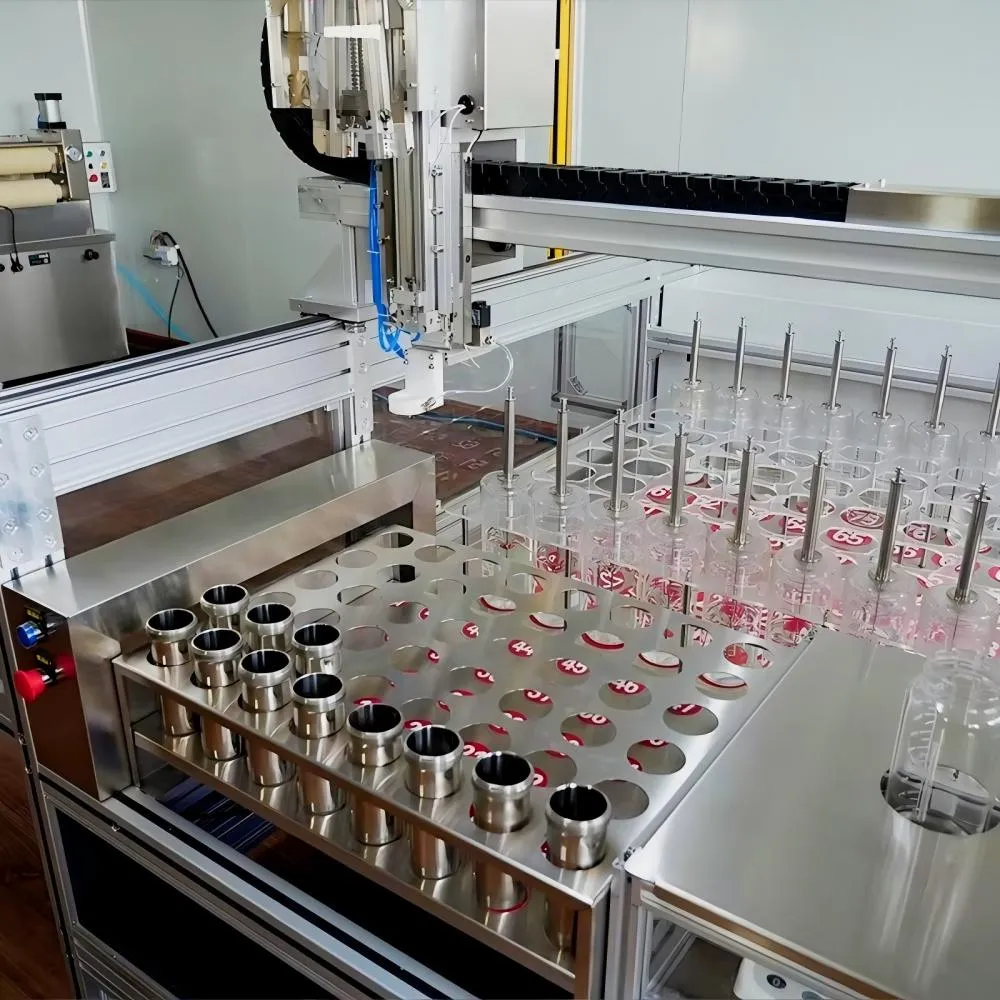
Buyer Audit Checklist
- Ask whether first-piece checks are mandatory after critical alarms.
- Review one actual alarm restart record, not only a blank form.
- Confirm whether the record links alarm code, recipe version, material lot, and first accepted part.
- Check whether first-piece criteria differ by alarm type.
- Ask whether ratio, vacuum, pressure, and temperature alarms require stronger evidence than simple visual checks.
- Confirm who can approve restart for high-risk products.
- Check whether affected parts remain quarantined until first-piece evidence passes.
- Ask what happens when the first piece fails after restart.
- Review whether repeated alarms trigger engineering review, retraining, or revalidation.
- Reject vague evidence such as “checked OK” without criteria, data, photo, or signature.
Internal Links for Related Reading
This first-piece restart control should be used with quarantine and release after dispensing or potting alarms, alarm response checklists, shift handover after recipe changes, retraining triggers after process drift, and 2K dispensing troubleshooting.
FAQ
Is one visual check enough after a dispensing or potting alarm restart?
Usually no. Visual inspection may catch overflow or obvious bead problems, but ratio, cure, vacuum, adhesion, and thermal-path risks may need additional evidence depending on the application.
Who should approve the first piece after an alarm restart?
For critical alarms, approval should come from a defined responsible role such as quality, process engineering, or a trained line leader. The operator who cleared the alarm should not be the only release authority for high-risk output.
When should first-piece failure trigger re-quarantine?
Re-quarantine should be triggered when the first piece fails fill, bead, void, cure, ratio, adhesion, or appearance criteria, or when the alarm cause has not been corrected and verified.
Should first-piece checks be different for ratio and pressure alarms?
Yes. A ratio alarm needs mix and cure-related evidence, while a pressure alarm usually needs flow stability and product geometry evidence. One generic checklist is too weak for serious potting lines.
Can first-piece approval release all quarantined parts?
Not automatically. First-piece approval proves restart condition, but quarantined parts made before the restart still need a separate disposition decision based on affected-window risk and inspection evidence.
Conclusion
First-piece checks after alarm restarts are a practical release gate for dispensing and potting production. They prove that the process returned to a controlled state before normal production continues. Buyers should require checks that match the alarm type, product risk, material behavior, and inspection method.
The strongest suppliers can show more than a reset button and a signature. They can show alarm cause, affected window, material and recipe status, purge or stabilization action, first-piece evidence, release approval, and follow-up monitoring. That level of discipline protects buyers from hidden quality risk in automated dispensing and potting projects.
Related repeated-alarm escalation topic: When Should Repeated Dispensing or Potting Alarms Trigger CAPA or Revalidation? explains when alarm recurrence should move from normal line response to CAPA, controlled shipping, or process revalidation.
Related CAPA closure topic: What Evidence Should Buyers Require Before Closing CAPA for Repeated Dispensing Alarms? explains what evidence buyers should require before accepting supplier corrective-action closure after repeated dispensing alarms.
Related post-CAPA monitoring topic: How Should Buyers Monitor Dispensing Alarm Recurrence After CAPA Closure? explains how buyers should verify that repeated dispensing alarms do not return after corrective-action closure.
Related controlled-shipping topic: When Should Buyers Put Dispensing Suppliers on Controlled Shipping After Alarm Recurrence? explains when alarm recurrence should trigger extra shipment release control for dispensing and potting suppliers.
Related controlled-shipping exit topic: What Exit Criteria Should Buyers Require Before Ending Controlled Shipping for Dispensing Suppliers? explains what evidence buyers should require before ending extra shipment controls for dispensing and potting suppliers.
Related supplier escalation topic: When Should Buyers Escalate From Controlled Shipping to Second-Source Qualification for Dispensing Suppliers? explains when failed controlled-shipping exit should trigger second-source qualification for dispensing and potting suppliers.
Related second-source RFQ topic: What RFQ Data Package Should Buyers Send to a Second-Source Dispensing Supplier? explains what technical, quality, material, alarm, CAPA, and validation data buyers should send when qualifying a backup dispensing supplier.
Related second-source sample trial topic: What Sample Trial Plan Should Buyers Use for a Second-Source Dispensing Supplier? explains how buyers should plan sample quantity, material controls, process data, defect checks, and pilot approval before qualifying a backup dispensing supplier.
Related production validation step: After sample approval, buyers should also define a production validation run after a second-source dispensing trial before releasing volume to a second-source supplier.
Related launch control step: After production validation, buyers should define a launch control plan after second-source dispensing validation before releasing normal volume.
Related release decision: Buyers should also define when to exit launch control and release normal volume to a second-source dispensing supplier after early lots become stable.
Related post-launch monitoring step: After normal volume release, buyers should track a 30/60/90-day KPI monitoring plan for a second-source dispensing supplier before treating the supplier as fully routine.
Related KPI escalation guide: If post-launch KPI trends become unstable, buyers should define when KPI problems trigger CAPA, revalidation or volume reduction for a second-source dispensing supplier.
Related recovery guide: After CAPA or revalidation, buyers should define when to restore normal volume for a second-source dispensing supplier instead of jumping straight back to full allocation.
Related recurrence decision: If defects return after recovery, buyers should decide when to pause or reallocate volume from a second-source dispensing supplier instead of continuing normal allocation.
Send Your Alarm Restart Case for Engineering Review
If your dispensing or potting line has restart issues after ratio alarms, pressure drift, vacuum failures, nozzle faults, bubbles, voids, overflow, or cure variation, share the material TDS, machine recipe, alarm log, first-piece record, and defect photos. OBO Precision can review the application and recommend a practical process-control path.