
Approved potting materials still need incoming inspection. Approval proves that a material can work under defined conditions, but it does not prove that every future lot, container, shipment, storage period, or supplier document is automatically safe for production.
- Question answered: What incoming inspection should buyers use for approved potting materials?
- Best for: purchasing managers, incoming quality teams, supplier quality engineers, process engineers, warehouse teams, validation owners, and factory managers controlling approved epoxy, silicone, PU, or TIM materials.
- Direct answer: Buyers should inspect approved potting materials through a risk-based incoming plan covering material identity, supplier lot, COA, revision level, shelf life, packaging condition, storage condition, quarantine status, viscosity or flow checks when needed, cure confirmation for critical lots, and release rules linked to production risk.
- Buyer readiness: L4 RFQ Ready to L5 Deployment
- Next step: Define a lot-release checklist that separates document review, warehouse receiving, quality inspection, engineering escalation, and production first-use monitoring.
Industrial Context and Buyer Readiness
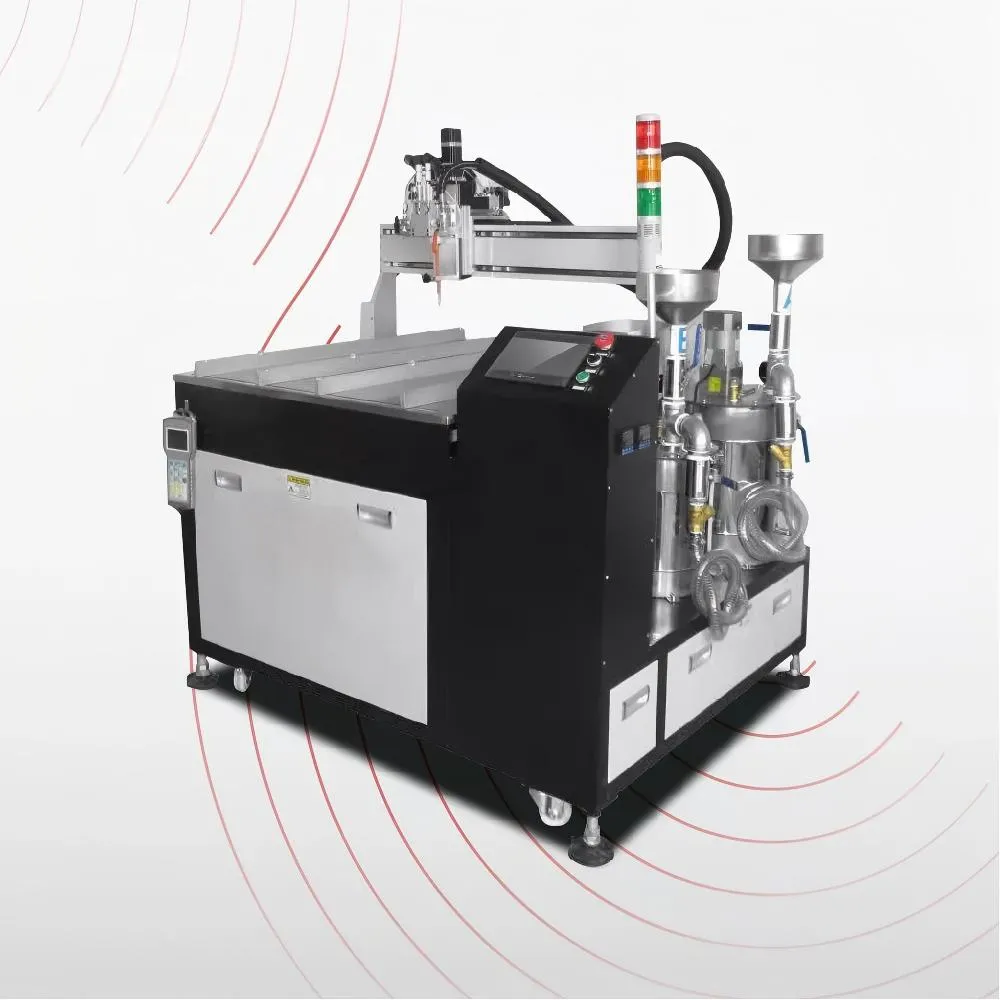
This article belongs to the material-approval and production-release path. It explains how buyers should control incoming approved materials before they enter dispensing machines, potting machines, meter mix systems, or validated production cells.
| Context | Details |
|---|---|
| Topic cluster | Material Approval Cluster; Incoming Quality Control; Lot Release; Production Readiness |
| Buyer readiness level | L4 RFQ Ready to L5 Deployment |
| Application scenario | EV battery potting, LED driver potting, PCB encapsulation, automotive sensor sealing, power electronics, industrial adhesive dispensing, and TIM production |
| Material scope | epoxy resin, silicone potting compound, polyurethane, thermal interface material, UV adhesive, underfill, sealant, and two-component potting systems |
| Process scope | incoming inspection, lot release, COA review, shelf-life control, quarantine, sampling, first-use monitoring, and supplier escalation |
| Equipment scope | dispensing machines, potting machines, 2K meter mix systems, tanks, pumps, valves, static mixers, vacuum systems, and cure stations |
| Defect or risk focus | wrong material, expired lot, damaged container, viscosity drift, cure failure, lot-to-lot variation, contamination, storage damage, and unapproved supplier change |
| Production goal | release only controlled, traceable, usable material lots into production and block questionable lots before they create downstream defects |
Entity Map for This Topic
| Entity group | Details |
|---|---|
| Material entities | approved potting material, epoxy, silicone, PU, TIM, underfill, resin part A, hardener part B, supplier lot, production batch |
| Document entities | COA, TDS, SDS, revision number, shelf-life statement, storage label, supplier change notice, incoming inspection record |
| Process entities | receiving, quarantine, sampling, incoming inspection, lot release, first-use check, deviation review, supplier escalation |
| Equipment entities | 2K meter mix system, dispensing valve, pump, tank, static mixer, vacuum chamber, cure oven, scale, viscometer |
| Defect entities | bubbles, voids, poor cure, poor adhesion, overflow, stringing, ratio instability, blocked mixer, thermal performance drift |
| Measurement entities | viscosity, weight, density, gel time, pot life, cure time, hardness, shelf-life days, storage temperature, defect rate |
Contents
- Direct answer
- Why incoming inspection matters
- Incoming inspection matrix
- Application scenario matrix
- Engineering review points
- Decision layer
- Buyer checklist
- Related guides
- FAQ
Direct Answer
Buyers should use a risk-based incoming inspection plan for approved potting materials. Every lot should be checked for correct material identity, supplier name, lot number, part A and part B pairing, revision level, COA availability, shelf-life status, packaging condition, storage condition, and release status. Higher-risk lots should also receive physical checks such as appearance, viscosity or flow behavior, mix-ratio verification, small cure test, density or weight confirmation, retained sample, or first-use production monitoring.
The point is not to test everything every time. The point is to prevent uncontrolled lots from entering production. ISO 2859-style sampling logic is useful for lot inspection thinking, but approved potting materials often need more than attribute sampling because process behavior can depend on chemistry, storage, mixing, and equipment sensitivity.
Why Incoming Inspection Matters After Approval
A material approval process creates a technical baseline. That baseline may include TDS data, SDS review, compatibility checks, sample approval, pilot evidence, first-lot release, post-release monitoring, and supplier change-control rules. Incoming inspection protects that baseline every time new material arrives.
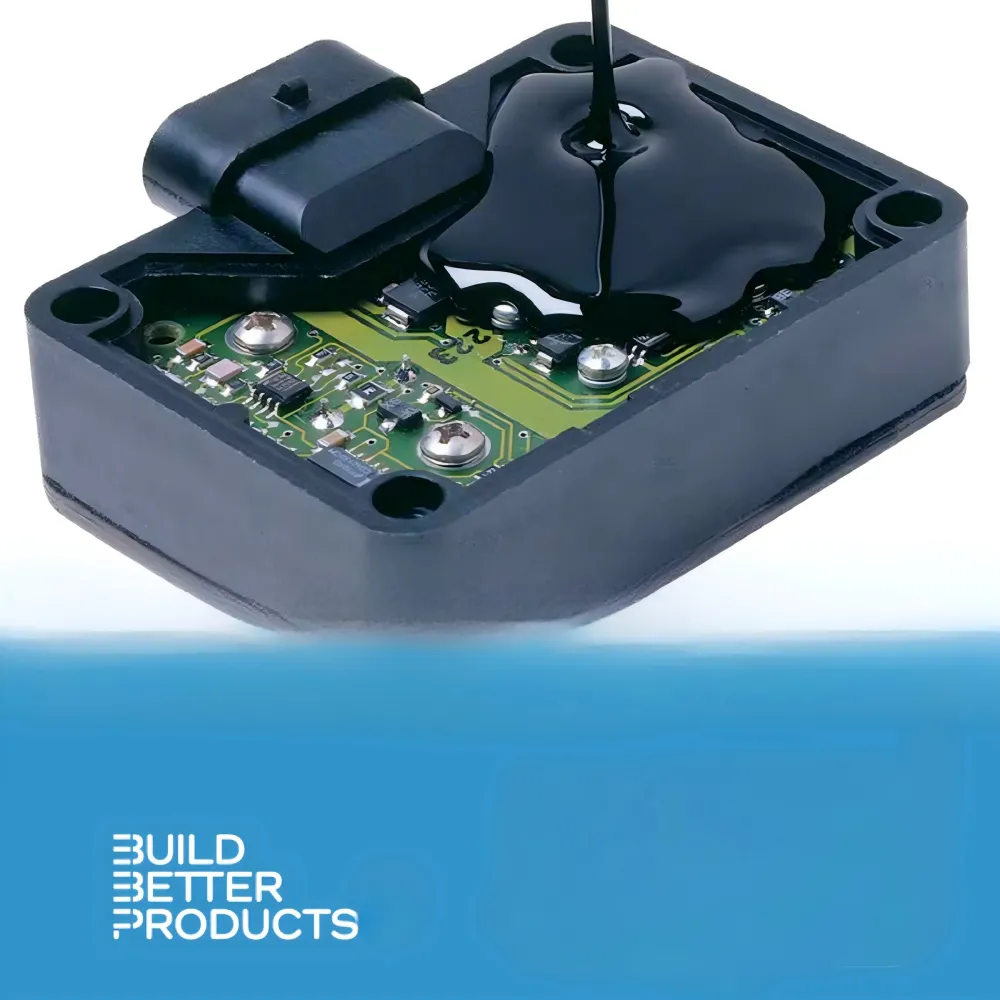
Without incoming inspection, the factory may discover a material issue only after parts are filled, cured, packed, or shipped. Potting failures are costly because rework is often difficult. Once resin has cured inside a module, connector, PCB assembly, LED driver, or sensor housing, the part may be hard to inspect and harder to repair.
Incoming inspection also protects the buyer from silent differences between purchasing paperwork and production reality. The purchase order may name the approved material, but the received lot may have a different revision, short shelf life, damaged packaging, missing COA, changed storage label, unresolved supplier notice, or a lot number that does not match internal approval records.
Incoming Inspection Matrix for Approved Potting Materials
| Inspection item | What to check | When to escalate |
|---|---|---|
| Material identity | Confirm product name, part number, supplier, revision, part A/B identity, and approved material code. | Escalate if the label does not match the approved list or purchase order. |
| Lot traceability | Record supplier lot, batch number, manufacturing date, shipment date, and receiving date. | Escalate if lot identity is missing, duplicated, unclear, or not shown on the COA. |
| COA review | Check whether certificate values match agreed limits and approved test methods. | Escalate if COA is missing, incomplete, out of limit, or based on different methods. |
| Shelf life | Check expiry date, remaining shelf-life days, storage condition, and first-expire-first-out rule. | Escalate if shelf life is short, expired, extended without approval, or stored incorrectly. |
| Packaging condition | Check seal, container damage, leakage, bulging, label readability, moisture exposure, and shipping damage. | Escalate if packaging integrity may affect moisture, contamination, or handling safety. |
| Storage condition | Check whether temperature, humidity, refrigeration, or light-protection requirements were maintained. | Escalate if storage history is unknown or outside approved conditions. |
| Physical appearance | Check color, separation, sediment, crystallization, skinning, contamination, or unusual odor. | Escalate if appearance differs from approved lot or supplier description. |
| Viscosity or flow | Use a defined method when viscosity-sensitive dispensing is used. | Escalate if flow behavior affects bead width, shot weight, pump pressure, or mixer life. |
| Cure spot check | For critical lots, mix and cure a small sample under defined conditions. | Escalate if gel time, surface condition, hardness, or tack differs from baseline. |
| Release status | Keep material in quarantine until document and inspection status are complete. | Escalate if production requests emergency release before inspection is complete. |
How Much Inspection Is Enough?
Incoming inspection should be risk-based. A stable supplier with long-term lot history may not need full physical testing on every lot. A newly approved replacement material, a changed supplier lot, short shelf-life material, high-value EV battery potting compound, or material used in safety-related assemblies should receive stronger checks.
A practical approach is to divide inspection into three levels:
- Level 1 document and packaging release: suitable for mature low-risk lots with stable supplier history.
- Level 2 document, packaging, and quick physical check: suitable for viscosity-sensitive materials, short shelf-life lots, or lots after supplier notice.
- Level 3 enhanced release: suitable for new material lots, replacement materials, first shipment after change, high-risk applications, or previous defect history.

Application Scenario Matrix
| Application | Incoming inspection focus | Why it matters |
|---|---|---|
| EV battery potting | Lot identity, thermal material data, shelf life, viscosity, cure behavior, and storage condition. | Small material differences may affect thermal transfer, fill quality, insulation, and long-term reliability. |
| PCB encapsulation | Appearance, flow, bubble tendency, pot life, and component coverage behavior. | PCB assemblies are sensitive to overflow, contamination, voids, and poor cure around components. |
| LED driver potting | COA, flame-retardant or thermal data, curing result, surface finish, and moisture risk. | Encapsulation quality affects insulation, heat dissipation, and field reliability. |
| Automotive sensor sealing | Adhesion, lot traceability, packaging condition, sealant behavior, and first-use inspection. | Sensor sealing depends on repeatable material behavior and controlled supplier lots. |
| TIM dispensing | Thermal conductivity evidence, viscosity, filler settling, pumpability, and storage condition. | Thermal interface materials may be sensitive to filler distribution and dispensing pressure. |
Engineering Review Points
1. Match inspection to material behavior
Incoming inspection should reflect the material’s risk profile. A low-viscosity UV adhesive, high-filled thermal potting compound, two-part epoxy, moisture-sensitive silicone, and abrasive TIM may need different checks. Do not copy one incoming inspection template across all materials.
2. Check what affects the machine
For dispensing equipment, the most important incoming characteristics are not always the same as supplier marketing data. Viscosity, filler settling, density, pot life, mix ratio, cure speed, and packaging condition can affect pump pressure, shot weight, bead width, mixer life, and cleaning frequency.
3. Define a standard sample condition
If the factory checks viscosity or flow, the method must be repeatable. Temperature, mixing time, spindle, container, sample age, and measurement timing can change the result. A vague check such as “material seems thick” does not create useful historical data.
4. Protect shelf-life discipline
Warehouse teams should treat shelf life as part of process control, not only inventory management. Short shelf-life lots, opened containers, material returned from production, and refrigerated materials need clear rules. If shelf life is extended, the buyer should define who can approve the extension and what evidence is required.
5. Connect incoming inspection with first-use monitoring
Some incoming risks will not appear in a receiving area. The material may look normal but behave differently during dispensing. For high-risk lots, link incoming release to the first production use: shot weight, bead appearance, fill quality, cure result, defect rate, and operator feedback.
Decision Layer: Release, Hold, Test, or Reject?
| Incoming result | Recommended decision | Reason |
|---|---|---|
| Documents match, packaging is clean, shelf life is sufficient, supplier history is stable. | Release with normal record. | Low apparent risk if material is mature and application is not highly sensitive. |
| COA is present but one value is close to limit. | Hold or release with engineering review and first-use monitoring. | Borderline data may still affect process behavior. |
| Shelf life is short but not expired. | Use under controlled FEFO plan or hold for approval. | Production schedule and cure behavior should be checked before release. |
| Packaging is damaged or storage history is unclear. | Quarantine and request supplier evidence. | Moisture, contamination, or temperature exposure may affect material behavior. |
| Lot identity or COA is missing. | Do not release until corrected. | Traceability and baseline comparison are not reliable. |
| First-use behavior differs from approved baseline. | Stop, segregate, and review material plus equipment settings. | Production behavior is more important than document conformity alone. |
Buyer Checklist for Incoming Potting Material Inspection
| Checklist item | Pass / Hold |
|---|---|
| Material name, part number, supplier, revision, and approved code match internal approval record. | |
| Part A and Part B lots are correctly paired and traceable. | |
| COA is present, complete, and linked to the received lot. | |
| COA values fall within approved limits and use expected test methods. | |
| Shelf life, manufacturing date, expiry date, and receiving date are recorded. | |
| Packaging is clean, sealed, undamaged, and clearly labeled. | |
| Storage condition before and after receiving is acceptable or documented. | |
| No unresolved supplier change notice affects this lot. | |
| Any required appearance, viscosity, flow, cure, or retained sample check is complete. | |
| Release decision, owner, date, and restrictions are recorded before production use. |
Common Mistakes in Incoming Inspection
The first mistake is treating COA review as the whole inspection. A COA does not prove packaging integrity, storage condition, correct warehouse handling, or production behavior. It only gives supplier-reported data for a lot.
The second mistake is releasing material before inspection is complete because production is urgent. Emergency release may be necessary in rare cases, but it should require written approval and traceability. Otherwise, the factory may lose the ability to isolate affected parts later.
The third mistake is ignoring opened containers and returned material. Once material leaves controlled storage, the inspection problem changes. Opened containers may face moisture, contamination, temperature exposure, or label confusion. Returned material should not be mixed back into approved stock without rules.
The fourth mistake is not linking incoming inspection with supplier change control. If a supplier announced a raw material source change, site change, formula revision, packaging update, or shelf-life change, incoming inspection should become stricter until the changed lots prove stable.
How Incoming Inspection Supports Better Equipment Decisions
Incoming inspection data can also help equipment selection and process troubleshooting. If lot-to-lot viscosity variation is common, the buyer may need a metering method, pressure control, heated tank, or valve configuration that tolerates that variation. If filler settling is common, material handling and tank agitation may become part of the equipment discussion. If shelf-life drift affects cure, production scheduling and storage rules may matter as much as the dispensing machine.
This is why OBO Precision asks for material data before recommending equipment. A dispensing machine is not chosen only by product size or path. It must match material behavior, inspection discipline, and production risk.
Related OBO Precision Guides
- Complete Guide to Material Approval for Dispensing and Potting Projects
- How to Read a Potting Material TDS Before You Choose Equipment
- How to Read a Two-Part Adhesive SDS Before Process Validation
- How Should Buyers Audit Supplier Change Control After Potting Material Approval?
- What Post-Release Monitoring Should Buyers Use After Approving a Replacement Potting Material?
- Contact OBO Precision for an engineering review
Frequently Asked Questions
Should buyers inspect every incoming potting material lot?
Buyers should at least review every lot for identity, certificate, shelf life, packaging condition, and traceability. The level of physical testing can be adjusted by risk, supplier history, material criticality, and production impact.
Is a COA enough for incoming inspection?
A COA is useful but not enough by itself for critical potting materials. Buyers should verify lot identity, material version, shelf life, packaging condition, storage status, and whether the COA data matches approved limits.
What incoming tests are most useful for potting materials?
Common checks include appearance, container condition, lot identity, shelf-life status, viscosity or flow behavior, mix ratio confirmation, density or weight checks, cure spot checks, and retained sample records when needed.
When should incoming material be quarantined?
Material should be quarantined when lot identity is unclear, COA data is missing, shelf life is close or expired, packaging is damaged, storage temperature is unknown, supplier change notices are unresolved, or first-use behavior differs from the approved baseline.
Who should own incoming inspection rules?
Quality should own release control, but purchasing, warehouse, engineering, production, and supplier quality should agree on the rules because incoming inspection connects supplier risk with real dispensing and potting behavior.
Request an Engineering Review for Incoming Material Risk
If incoming potting material lots show viscosity drift, short shelf life, unclear COA data, damaged packaging, supplier change notices, or different first-use behavior, send OBO Precision your material data, current equipment, application photos, and production target. Our engineering team can help review whether the issue is material, storage, process, equipment, or supplier-control related.
Related supplier control step: After scoring or reviewing supplier risk, buyers should also define the written responsibilities in How Should Buyers Write a Supplier Quality Agreement for Potting Materials?.
Related supplier audit step: Buyers who need to verify supplier controls can use What Supplier Audit Checklist Should Buyers Use for Potting Material Manufacturers? as a practical audit checklist.
Related audit closure step: After identifying supplier audit gaps, buyers can use How Should Buyers Close Supplier Audit Findings Before Approving Potting Material Suppliers? to decide what evidence is needed before supplier approval.
Related supplier containment step: If supplier risk is not low enough for normal release, buyers can use When Should Buyers Put Potting Material Suppliers on Controlled Shipping? to define temporary controlled shipping and exit criteria.
Related escalation step: If controlled shipping does not reduce supplier risk, buyers can use When Should Buyers Escalate From Controlled Shipping to Second-Source Qualification? to decide when to start backup material approval.
\n
Related dual-source control step: After approving a backup source, buyers can use How Should Buyers Manage Dual-Source Potting Materials Without Process Drift? to control source switching and prevent process drift.
Related allocation step: After dual-source approval, buyers can use How Should Buyers Split Production Volume Between Dual-Source Potting Material Suppliers? to decide how much production volume each supplier should receive.
Related KPI step: Buyers managing dual-source materials can use What KPIs Should Buyers Track for Dual-Source Potting Material Suppliers? to decide whether supplier performance supports the current allocation and source-switching plan.
Related revalidation step: After tracking dual-source supplier KPIs, buyers can use When Should KPI Trends Trigger Revalidation for Dual-Source Potting Materials? to decide when process drift requires engineering revalidation.
Related recipe-control step: If dual-source materials require different process settings, buyers can use How Should Buyers Control Source-Specific Machine Recipes for Dual-Source Potting Materials? to prevent wrong-recipe selection and uncontrolled parameter changes.
Related recipe-change step: If machine recipe parameters need revision, buyers can use What Approval Workflow Should Buyers Use for Machine Recipe Changes in Dual-Source Potting? to define approval, validation, release, and traceability rules.
Related audit-trail step: After approving recipe changes, buyers can use What Audit Trail Should Buyers Keep for Machine Recipe Changes in Dual-Source Potting? to make recipe history, affected lots, validation evidence, and production release traceable.
Related training-control topic: What Training Records Should Buyers Keep After Machine Recipe Changes in Dual-Source Potting? explains what operator, inspector, maintenance, and shift-handover records buyers should keep after recipe changes.
Next Step: Handling Nonconforming Incoming Lots
Incoming inspection defines what to check before lot release. When a lot fails inspection, use How Should Buyers Handle Nonconforming Incoming Potting Material Lots? to control quarantine, retest, concession, rejection, supplier CAPA, and production first-use monitoring.
Supplier CAPA When Incoming Inspection Finds Repeated Risk
Incoming inspection may identify one-time receiving issues or repeated supplier process failures. Review How Should Buyers Review Supplier CAPA After Potting Material Nonconformance? when material nonconformance requires supplier root cause analysis, corrective action, and effectiveness evidence.
References
- ISO – ISO 9001 explained
- ISO 2859-1 sampling procedures for inspection by attributes
- FDA – Quality Management System Regulation
- ASTM International
Related training verification topic: How Should Buyers Verify Training Effectiveness After Potting Recipe Changes? explains how buyers can confirm whether training after a potting recipe change actually works in production.
Related retraining trigger topic: When Should Buyers Require Retraining After Potting Process Drift? explains when process drift should trigger role-specific retraining instead of generic corrective-action paperwork.
Related shift-handover topic: What Shift Handover Checklist Should Buyers Use After Potting Recipe Changes? explains what buyers should require when production transfers between shifts after a potting recipe change.
Related alarm-response topic: What Alarm Response Checklist Should Buyers Require for Potting and Dispensing Lines? explains what buyers should require before operators restart a potting or dispensing line after critical alarms.
Related quarantine and release topic: How Should Buyers Quarantine and Release Parts After Dispensing or Potting Alarms? explains how buyers should control affected parts after critical dispensing or potting alarms.
Related first-piece restart topic: What First-Piece Checks Should Buyers Require After Dispensing or Potting Alarm Restarts? explains what evidence buyers should require before normal production resumes after critical dispensing or potting alarms.
Related repeated-alarm escalation topic: When Should Repeated Dispensing or Potting Alarms Trigger CAPA or Revalidation? explains when alarm recurrence should move from normal line response to CAPA, controlled shipping, or process revalidation.
Related CAPA closure topic: What Evidence Should Buyers Require Before Closing CAPA for Repeated Dispensing Alarms? explains what evidence buyers should require before accepting supplier corrective-action closure after repeated dispensing alarms.
Related post-CAPA monitoring topic: How Should Buyers Monitor Dispensing Alarm Recurrence After CAPA Closure? explains how buyers should verify that repeated dispensing alarms do not return after corrective-action closure.
Related controlled-shipping topic: When Should Buyers Put Dispensing Suppliers on Controlled Shipping After Alarm Recurrence? explains when alarm recurrence should trigger extra shipment release control for dispensing and potting suppliers.
Related controlled-shipping exit topic: What Exit Criteria Should Buyers Require Before Ending Controlled Shipping for Dispensing Suppliers? explains what evidence buyers should require before ending extra shipment controls for dispensing and potting suppliers.
Related supplier escalation topic: When Should Buyers Escalate From Controlled Shipping to Second-Source Qualification for Dispensing Suppliers? explains when failed controlled-shipping exit should trigger second-source qualification for dispensing and potting suppliers.
Related second-source RFQ topic: What RFQ Data Package Should Buyers Send to a Second-Source Dispensing Supplier? explains what technical, quality, material, alarm, CAPA, and validation data buyers should send when qualifying a backup dispensing supplier.
Related second-source sample trial topic: What Sample Trial Plan Should Buyers Use for a Second-Source Dispensing Supplier? explains how buyers should plan sample quantity, material controls, process data, defect checks, and pilot approval before qualifying a backup dispensing supplier.