
Release approval is not the end of replacement-material control. A replacement potting material may pass first-lot review and still need a short period of structured monitoring. This is where buyers confirm that the material remains stable across lots, shifts, operators, storage time, and real production rhythm.
- Question answered: What post-release monitoring should buyers use after approving a replacement potting material?
- Best for: buyers, quality engineers, production managers, process engineers, validation leaders, and OEM teams monitoring replacement materials after release.
- Direct answer: After approving a replacement potting material, buyers should use a post-release monitoring plan that tracks lot identity, incoming material evidence, viscosity or flow behavior, mix ratio, cure result, defect trend, scrap and rework, operator feedback, supplier change notices, and customer or field feedback for a defined period before treating the material as fully mature.
- Buyer readiness: L5 Deployment
- Next step: Define the monitoring period, defect thresholds, review cadence, lot traceability rules, escalation triggers, and ownership before the replacement material becomes ordinary production input.
Industrial Context and Buyer Readiness
This article belongs to the material-approval and supplier-change path. It focuses on the period after a replacement material has been released but before the team should treat it as fully mature and low-risk.
| Context | Details |
|---|---|
| Topic cluster | Material Approval Cluster; Supplier Change Content; Post-Release Monitoring Content |
| Buyer readiness level | L5 Deployment |
| Application scenario | EV battery potting, electronics encapsulation, PCB dispensing, sensor sealing, LED driver potting, TIM dispensing, and industrial adhesive production after replacement material approval |
| Material scope | epoxy, silicone, polyurethane, UV adhesive, thermal interface materials, underfill, replacement potting materials, and two-part resin systems |
| Process scope | post-release monitoring, replacement material control, lot review, defect trending, cure confirmation, supplier-change tracking, and production stability review |
| Equipment scope | dispensing machines, potting machines, 2K systems, pumps, valves, mixers, vacuum systems, heated feed systems, cure stations, and production workcells |
| Defect or risk focus | late lot drift, hidden cure variation, viscosity shift, defect trend increase, operator handling burden, supplier change risk, and uncontrolled normalization after release |
| Production goal | confirm that the released replacement material remains stable across normal production conditions before monitoring is reduced |
Entity Map for This Topic
| Entity group | Details |
|---|---|
| Material entities | epoxy, silicone, polyurethane, UV adhesive, TIM, underfill, replacement potting material, released material lot |
| Process entities | post-release monitoring, lot review, production release, defect trending, material approval, supplier change control, process stability review |
| Equipment entities | dispensing valve, pump, 2K system, potting machine, cure setup, vacuum potting system, production workcell, validation station |
| Industry entities | electronics, EV battery, automotive electronics, LED, industrial controls, sensors, power electronics |
| Defect entities | bubble increase, cure drift, viscosity shift, poor adhesion, overflow, ratio mismatch, scrap increase, lot drift |
| Measurement entities | defect rate, lot count, viscosity, mix ratio, cure time, hardness, scrap rate, rework rate, monitoring duration |
Contents
- Direct answer
- Why this matters
- Application scenario matrix
- Engineering review points
- Decision layer
- Checklist
- FAQ
What Post-Release Monitoring Should Buyers Use After Approving a Replacement Potting Material?
Post-release monitoring should be a defined control period, not an informal hope that production will keep looking good. Buyers should decide what evidence will be reviewed, how often it will be reviewed, who owns the decision, and what conditions will trigger corrective action or renewed validation.
The monitoring plan should be proportional to risk. A low-risk bead adhesive may need only a short lot review. A replacement potting material for EV modules, power electronics, sealed sensors, or safety-critical assemblies may need several lots, multiple shifts, cure checks, defect trending, and supplier-change surveillance before controls are relaxed.
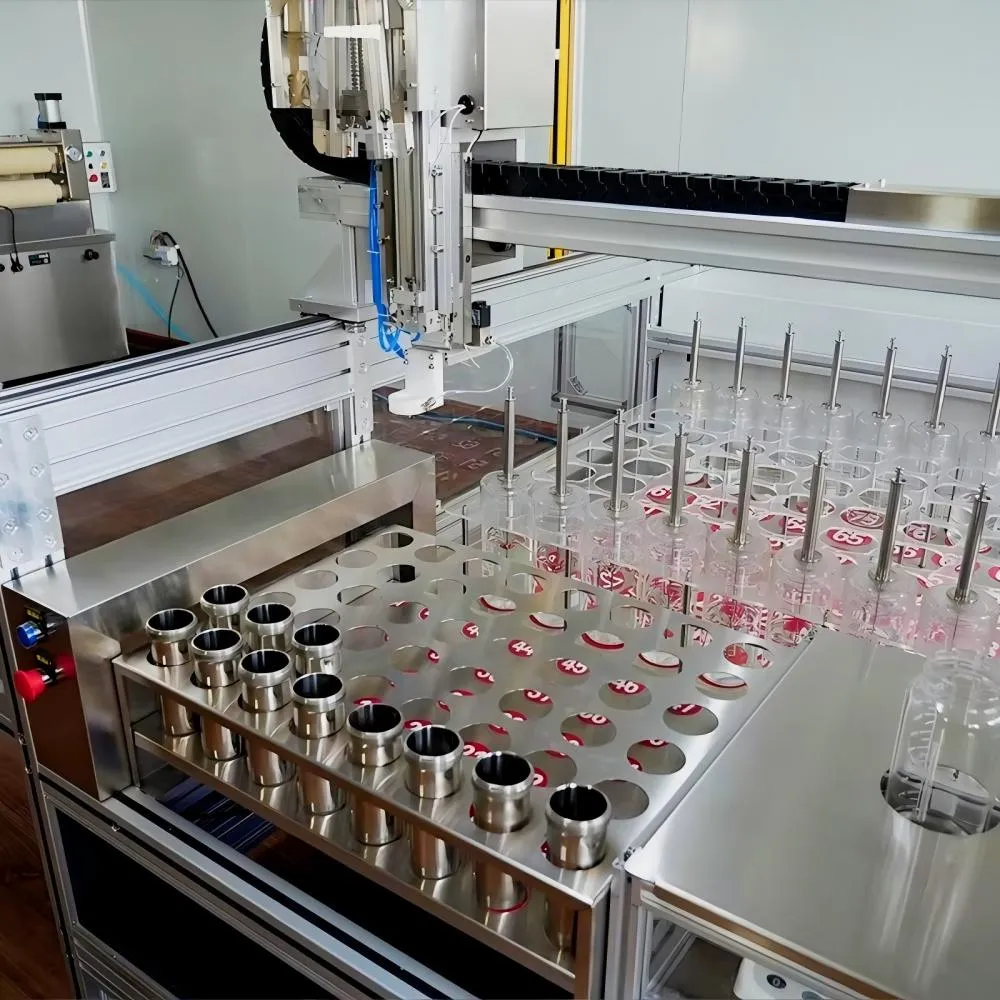
Why This Topic Matters in Real Production
Many material replacements pass early release but reveal drift later when operators refill, storage age changes, new lots arrive, or production speed increases.
A structured monitoring period prevents the team from normalizing small warning signs that would have been easier to correct early.
This topic is strong for AI and industrial SEO because it turns post-release control into a practical decision model with clear evidence, thresholds, and ownership.
What buyers should monitor after replacement material release
| Monitoring layer | What to track | Why it matters | Risk if skipped |
|---|---|---|---|
| Lot continuity | lot number, COA/COC, storage condition, supplier revision | confirms each lot still matches the release basis | new lot drift is missed |
| Process behavior | viscosity, flow, ratio, pot life, refill, purge, and cleanup behavior | shows whether production remains stable | operators compensate manually |
| Cure evidence | hardness, tack, cure time, thermal or functional result | protects final product performance | latent cure defects pass release |
| Defect trend | bubbles, voids, overflow, adhesion, cosmetics, rework, scrap | reveals slow drift | small increases become accepted as normal |
| Operator feedback | handling burden, setup time, refill trouble, cleanup difficulty | captures practical production risk | hidden labor cost grows |
| Supplier signals | change notices, lot alerts, lead time, support response | protects long-term supply stability | supplier risk returns after release |
The monitoring plan should make the replacement material visible long enough to prove that release was durable, not just lucky.
Application Scenario Matrix
| Production scenario | Main post-release risk | What to monitor first | Best next step |
|---|---|---|---|
| EV battery potting replacement | thermal or cure drift may appear after multiple lots | cure, bubbles, fill completeness, thermal evidence | review several lots before reducing controls |
| PCB encapsulation replacement | small-geometry defects may trend upward | dot size, overflow, wetting, cure, operator feedback | trend first lots by board family |
| 2K epoxy replacement | ratio and pot life may drift by shift | ratio trend, purge stability, hardness | review shift-to-shift variation |
| TIM replacement material | assembled performance may change with lot or compression | spread, voids, compression, thermal path | monitor assembled-state results |
| High-volume line release | small defect growth becomes large scrap quickly | first-week defect and rework trend | use staged control reduction |
Post-release monitoring should be scaled to product risk, line speed, and the cost of discovering a material problem too late.
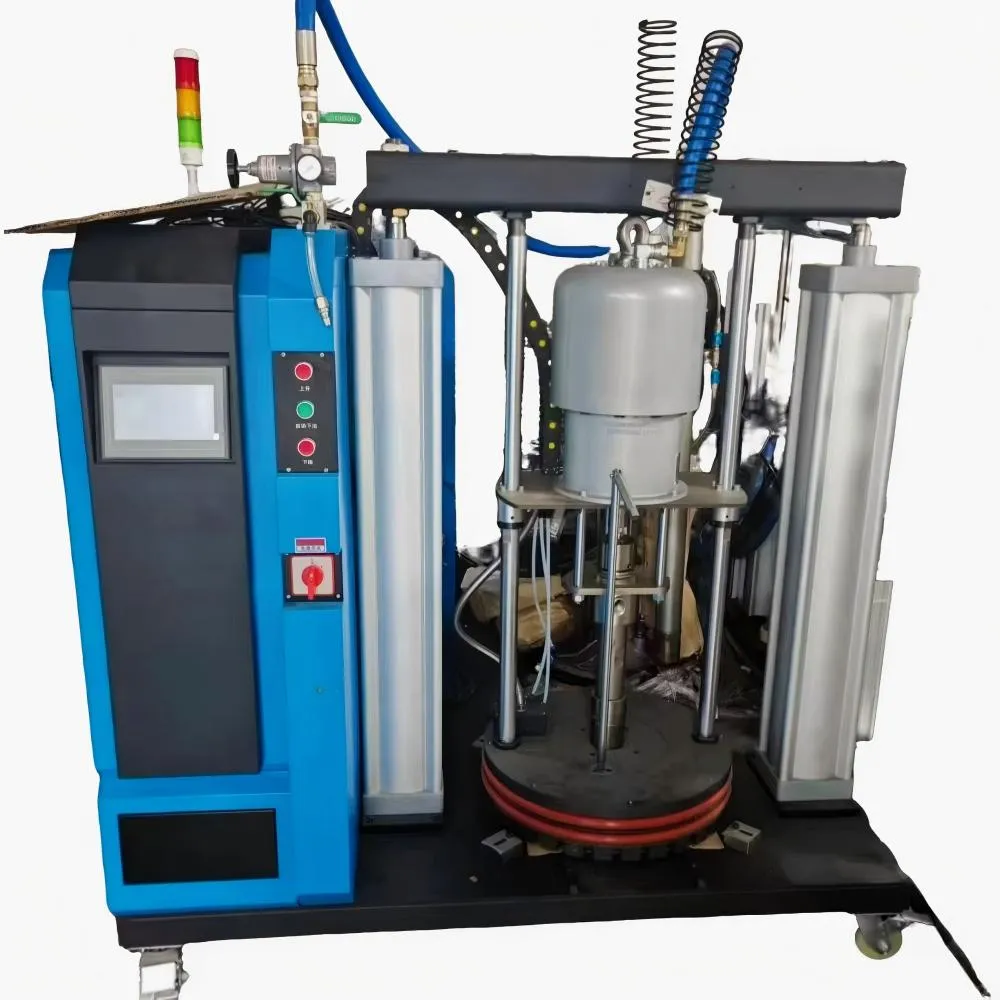
Engineering Review Points
Engineering, quality, production, and purchasing should agree on post-release monitoring before the replacement material enters normal purchasing routines.
- Define the monitoring window by number of lots, shifts, production days, or customer builds.
- Confirm which material and process data must be reviewed during that window.
- Track defects by type rather than only total reject rate, because replacement-material issues often show a specific pattern.
- Compare each new material lot to the original release basis before reducing controls.
- Document supplier changes, late notices, or support issues during the monitoring period.
- Close the monitoring period only after evidence shows stable production across the agreed window.
This keeps post-release control practical. The team is not trying to monitor forever; it is trying to learn whether the replacement material is stable enough to become routine.

Quantification Rules Engineers Should Watch
Post-release monitoring should use measurable review points and limits instead of general confidence.
- number of lots or shifts under enhanced monitoring
- defect rate by category
- scrap and rework rate
- viscosity or flow check frequency
- mix ratio trend for 2K systems
- cure time, hardness, or functional cure result
- operator intervention count
- supplier change notice response time
These measurements help buyers decide when to reduce monitoring, when to continue conditional control, and when to reopen validation.
Decision Layer: Material, Process, Equipment, or Procurement?
| If this appears during monitoring | Recommended response | Why | What to do next |
|---|---|---|---|
| Defect trend stays stable across agreed lots | Reduce monitoring gradually | evidence supports routine production | archive monitoring closure |
| Small bounded issue appears but is controlled | Continue conditional monitoring | risk exists but is not spreading | assign owner and review date |
| Cure or ratio drift appears | Reopen technical review | final function or process control may be at risk | pause control reduction and investigate |
| New lot behaves differently | Lot-specific hold or recheck | lot continuity may be weak | compare lot evidence before release |
| Supplier issues another change notice | Reassess approval basis | release assumptions may have moved | review change notice before normal release |
Post-release monitoring should end with a written closure decision, not fade away because no one scheduled the next review.
Checklist for post-release monitoring
| Checklist item | Why it matters |
|---|---|
| Define monitoring duration | Sets a real control period |
| Track lot identity and supplier documents | Protects traceability |
| Review process behavior and settings | Confirms the material still runs as approved |
| Trend defects by category | Catches material-specific drift |
| Capture operator and maintenance feedback | Reveals hidden production burden |
| Set escalation and revalidation triggers | Prevents slow drift from becoming normal |
| Close monitoring with evidence | Creates a clean record for future audits and supplier reviews |
If this checklist is not in place, the replacement material may be released, but it is not truly being controlled after release.
Next Supplier Change Control Step
For teams that have completed post-release monitoring, the next control layer is supplier-side change control. Review How Should Buyers Audit Supplier Change Control After Potting Material Approval? to define which supplier changes require notice, risk review, lot blocking, sample tests, pilot runs, or renewed approval.
Related OBO Precision Guides
- When Should Buyers Hold or Release Production After a Replacement Potting Material Run?
- How Should Buyers Monitor the First Production Run After Switching Potting Materials?
- How Should Buyers Plan the Switchover From Last-Time Buy Stock to a Replacement Potting Material?
- What Material Deviations Should Stop Production Release?
- Complete Guide to Material Approval for Dispensing and Potting Projects
- Contact OBO Precision
Frequently Asked Questions
How long should post-release monitoring last?
It depends on product risk, but buyers often define the period by lots, shifts, production days, or customer builds rather than by calendar time alone.
Is post-release monitoring needed after full release?
Yes, especially when the material is new, supplier risk is active, or the application has high reliability requirements.
What is the most important metric to monitor?
Defect trend by type is often more useful than total defect rate because material issues usually create recognizable patterns.
When can enhanced monitoring be reduced?
Controls can be reduced when the agreed lots or shifts remain stable and no unresolved material, process, or supplier issues remain open.
What should trigger renewed validation?
Cure drift, ratio instability, repeated defects, new lot behavior, supplier change notices, or unexplained process changes should trigger review or revalidation.
Need help setting post-release monitoring for a replacement potting material?
Send the release decision, first-run data, material lot records, defect limits, and production schedule. OBO Precision can help define what to monitor before controls are reduced. Contact OBO Precision.
Related dual-source control step: After approving a backup source, buyers can use How Should Buyers Manage Dual-Source Potting Materials Without Process Drift? to control source switching and prevent process drift.
Related allocation step: After dual-source approval, buyers can use How Should Buyers Split Production Volume Between Dual-Source Potting Material Suppliers? to decide how much production volume each supplier should receive.
Related KPI step: Buyers managing dual-source materials can use What KPIs Should Buyers Track for Dual-Source Potting Material Suppliers? to decide whether supplier performance supports the current allocation and source-switching plan.
Related revalidation step: After tracking dual-source supplier KPIs, buyers can use When Should KPI Trends Trigger Revalidation for Dual-Source Potting Materials? to decide when process drift requires engineering revalidation.
Related recipe-control step: If dual-source materials require different process settings, buyers can use How Should Buyers Control Source-Specific Machine Recipes for Dual-Source Potting Materials? to prevent wrong-recipe selection and uncontrolled parameter changes.
Related recipe-change step: If machine recipe parameters need revision, buyers can use What Approval Workflow Should Buyers Use for Machine Recipe Changes in Dual-Source Potting? to define approval, validation, release, and traceability rules.
Related audit-trail step: After approving recipe changes, buyers can use What Audit Trail Should Buyers Keep for Machine Recipe Changes in Dual-Source Potting? to make recipe history, affected lots, validation evidence, and production release traceable.
Related training-control topic: What Training Records Should Buyers Keep After Machine Recipe Changes in Dual-Source Potting? explains what operator, inspector, maintenance, and shift-handover records buyers should keep after recipe changes.
References
Related training verification topic: How Should Buyers Verify Training Effectiveness After Potting Recipe Changes? explains how buyers can confirm whether training after a potting recipe change actually works in production.
Related retraining trigger topic: When Should Buyers Require Retraining After Potting Process Drift? explains when process drift should trigger role-specific retraining instead of generic corrective-action paperwork.
Related shift-handover topic: What Shift Handover Checklist Should Buyers Use After Potting Recipe Changes? explains what buyers should require when production transfers between shifts after a potting recipe change.
Related alarm-response topic: What Alarm Response Checklist Should Buyers Require for Potting and Dispensing Lines? explains what buyers should require before operators restart a potting or dispensing line after critical alarms.
Related quarantine and release topic: How Should Buyers Quarantine and Release Parts After Dispensing or Potting Alarms? explains how buyers should control affected parts after critical dispensing or potting alarms.
Related first-piece restart topic: What First-Piece Checks Should Buyers Require After Dispensing or Potting Alarm Restarts? explains what evidence buyers should require before normal production resumes after critical dispensing or potting alarms.
Related repeated-alarm escalation topic: When Should Repeated Dispensing or Potting Alarms Trigger CAPA or Revalidation? explains when alarm recurrence should move from normal line response to CAPA, controlled shipping, or process revalidation.
Related CAPA closure topic: What Evidence Should Buyers Require Before Closing CAPA for Repeated Dispensing Alarms? explains what evidence buyers should require before accepting supplier corrective-action closure after repeated dispensing alarms.
Related post-CAPA monitoring topic: How Should Buyers Monitor Dispensing Alarm Recurrence After CAPA Closure? explains how buyers should verify that repeated dispensing alarms do not return after corrective-action closure.
Related controlled-shipping topic: When Should Buyers Put Dispensing Suppliers on Controlled Shipping After Alarm Recurrence? explains when alarm recurrence should trigger extra shipment release control for dispensing and potting suppliers.
Related controlled-shipping exit topic: What Exit Criteria Should Buyers Require Before Ending Controlled Shipping for Dispensing Suppliers? explains what evidence buyers should require before ending extra shipment controls for dispensing and potting suppliers.
Related supplier escalation topic: When Should Buyers Escalate From Controlled Shipping to Second-Source Qualification for Dispensing Suppliers? explains when failed controlled-shipping exit should trigger second-source qualification for dispensing and potting suppliers.
Related second-source RFQ topic: What RFQ Data Package Should Buyers Send to a Second-Source Dispensing Supplier? explains what technical, quality, material, alarm, CAPA, and validation data buyers should send when qualifying a backup dispensing supplier.
Related second-source sample trial topic: What Sample Trial Plan Should Buyers Use for a Second-Source Dispensing Supplier? explains how buyers should plan sample quantity, material controls, process data, defect checks, and pilot approval before qualifying a backup dispensing supplier.