
A supplier audit checklist for potting material manufacturers should focus on process control, not office decoration. The buyer needs to know whether the supplier can repeatedly deliver the approved epoxy, silicone, polyurethane, UV adhesive, or thermal interface material without hidden changes that disturb dispensing and potting production.
- Question answered: What supplier audit checklist should buyers use for potting material manufacturers?
- Best for: purchasing managers, supplier quality engineers, quality managers, process engineers, contract manufacturers, EV battery teams, PCB assembly teams, LED driver manufacturers, and buyers qualifying potting material suppliers.
- Direct answer: Audit quality system control, approved specification control, raw material control, batch manufacturing, COA accuracy, lot traceability, shelf-life management, storage, test capability, supplier change control, nonconformance handling, CAPA, technical support, and production risk. The checklist should be risk-based and connected to the dispensing or potting process used by the buyer.
- Buyer readiness: L3 Selecting to L5 Deployment
- Next step: Use this checklist with the supplier quality agreement, incoming inspection plan, CAPA review process, and supplier scorecard.
Industrial Context and Buyer Readiness
This article belongs to the material approval, supplier quality, and purchasing decision cluster. It is designed for buyers who already understand the material category but need a practical way to audit whether a supplier can support stable production.
| Context | Details |
|---|---|
| Topic cluster | Material Approval; Supplier Audit; Supplier Quality; Quality Agreement; Change Control; CAPA; Requalification |
| Buyer readiness level | L3 Selecting, L4 RFQ Ready, and L5 Deployment |
| Application scenario | EV battery potting, PCB encapsulation, LED driver potting, automotive sensor sealing, power electronics, connector sealing, thermal interface material dispensing, and industrial adhesive assembly |
| Material scope | epoxy, silicone, polyurethane, thermal interface material, UV adhesive, low-viscosity encapsulant, high-viscosity gap filler, resin part A, hardener part B, primer, and cleaning material |
| Process scope | supplier selection, supplier audit, sample approval, pilot run, incoming inspection, production release, supplier CAPA, supplier requalification, and second-source planning |
| Equipment scope | dispensing machine, potting machine, meter mix system, valve, pump, tank, static mixer, vacuum chamber, cure station, and automated production cell |
| Defect or risk focus | viscosity drift, bubbles, voids, poor cure, filler settlement, wrong mix symptoms, uncontrolled formula change, short shelf life, traceability gaps, and repeated lot nonconformance |
| Production goal | decide whether the supplier can support repeatable material quality before the buyer depends on the material in production |
Entity Map for This Topic
| Entity group | Relevant entities |
|---|---|
| Audit entities | supplier audit, audit checklist, audit evidence, audit finding, remote audit, on-site audit, supplier requalification, audit score |
| Quality entities | QMS, COA, COC, TDS, SDS, batch record, deviation, waiver, NCR, CAPA, 8D, change notice, supplier scorecard |
| Material entities | epoxy, silicone, polyurethane, TIM, UV adhesive, resin, hardener, filler, catalyst, primer, cleaning solvent |
| Process entities | mixing, filling, degassing, testing, packaging, labeling, storage, retest, incoming inspection, sample approval, pilot run |
| Measurement entities | viscosity, density, mix ratio, gel time, pot life, hardness, dielectric strength, thermal conductivity, moisture content, shelf life, lot age |
| Equipment entities | metering pump, dispensing valve, mixing tube, vacuum system, storage tank, robotic axis, needle, nozzle, cure oven |
Contents
- Direct answer
- Audit scope by buyer risk
- Supplier audit checklist
- Evidence buyers should request
- Application scenario matrix
- Decision layer
- Audit scorecard
- FAQ
Direct Answer: What Should the Audit Checklist Cover?
A supplier audit checklist for potting material manufacturers should cover eleven areas: quality system control, material specification control, raw material control, batch manufacturing, COA and test data, lot traceability, shelf-life and storage control, supplier change control, nonconforming material handling, CAPA effectiveness, and technical support for the buyer’s dispensing or potting process.
The audit should not only ask whether the supplier has documents. It should ask whether those documents can prevent real production problems. For example, if a silicone potting compound has a hidden viscosity shift, the buyer may see higher pump pressure, unstable bead width, more bubbles, poor flow into narrow gaps, or a longer cycle time. If an epoxy hardener changes, the buyer may see gel-time drift, incomplete cure, exotherm differences, or reduced adhesion.
Audit Scope by Buyer Risk
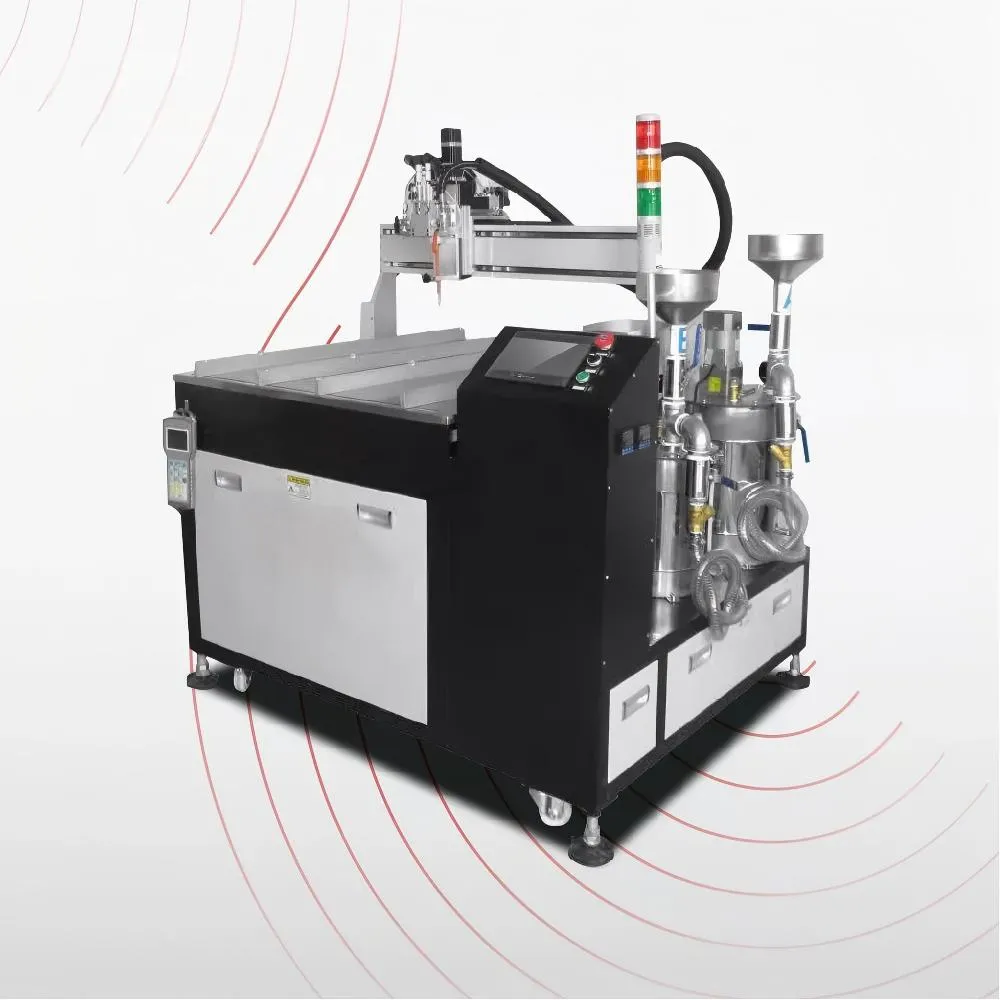
Not every buyer needs the same audit depth. A simple remote document review may be enough for an early engineering trial. A full on-site audit may be needed when the material is validated for mass production, used in EV battery potting, used in automotive sensor sealing, difficult to replace, or connected to repeated quality problems.
| Buyer situation | Recommended audit depth | Reason |
|---|---|---|
| Early sample evaluation | Remote document review | The buyer mainly needs TDS, SDS, sample COA, shelf-life data, and basic technical support |
| Pilot production | Remote audit plus evidence package | The buyer needs traceability, lot data, change control, and test capability before release |
| Mass production | Formal supplier audit | The material affects repeatability, downtime, scrap, and field quality |
| Repeated nonconformance | Focused quality audit | The buyer must verify containment, root cause, corrective action, and recurrence prevention |
| Critical EV, automotive, electronics, or medical-adjacent use | On-site audit or deep supplier qualification | Traceability, process control, change control, and long-term reliability become more important |
Supplier Audit Checklist for Potting Material Manufacturers
The checklist below is written for epoxy, silicone, polyurethane, UV adhesive, and thermal interface material suppliers. Buyers can adapt it for direct manufacturers, distributors, toll manufacturers, or material converters.
| Audit area | Questions to ask | Evidence to review | Production risk if weak |
|---|---|---|---|
| Quality system | Is there a controlled QMS? Are responsibilities defined? | Quality manual, process map, management review record, internal audit record | Inconsistent execution and poor escalation when defects occur |
| Specification control | Who controls approved material specifications and revisions? | Approved TDS, revision history, specification release record | Buyer validates one material version but receives another |
| Raw material control | How are resin, hardener, filler, catalyst, and additives approved? | Incoming raw material records, supplier list, raw material COA | Formula drift, cure variation, viscosity drift, or contamination |
| Batch manufacturing | Are mixing, weighing, degassing, filtration, and packaging steps controlled? | Batch record, work instruction, equipment calibration, operator training | Lot-to-lot variation and hidden process instability |
| Testing capability | Can the supplier test the properties that matter to the buyer? | Test methods, lab equipment list, calibration records, sample reports | COA values may not reflect real material performance |
| COA accuracy | Are COA values batch-specific or copied from nominal data? | COA sample, raw test data, release approval record | Incoming inspection cannot detect risky lots |
| Traceability | Can the supplier trace finished lot to raw material lots and process records? | Lot genealogy, batch record, shipment record | Containment becomes slow after defects appear |
| Shelf life and storage | How are manufacture date, expiry date, retest, temperature, and humidity controlled? | Storage log, label sample, retest method, warehouse conditions | Bubbles, poor cure, viscosity drift, filler settlement, or moisture issues |
| Change control | Which changes require customer notification and approval? | Change notice procedure, previous change examples, customer notification log | Unapproved formula, process, raw material, or site changes reach production |
| Nonconformance | How does the supplier handle out-of-spec lots and customer complaints? | NCR record, deviation approval, complaint log, quarantine process | Bad lots may be shipped, reworked poorly, or repeated |
| CAPA | Does the supplier verify corrective action effectiveness? | 8D/CAPA report, root cause evidence, verification data | The same defect returns after a superficial correction |
| Technical support | Can the supplier support dispensing, mixing, degassing, and curing questions? | Technical contact list, trial support records, process guidance | Buyer cannot solve material-machine interaction problems quickly |
Evidence Buyers Should Request Before or During the Audit
An audit checklist becomes useful only when it asks for evidence. A supplier may answer “yes” to every question, but the buyer needs records that show the process actually works.
- Current TDS, SDS, and approved specification revision.
- Sample COA and at least three recent production COAs for the same grade.
- Batch record sample with sensitive commercial details removed if needed.
- Lot traceability example from raw material intake to finished shipment.
- Storage condition record for temperature-sensitive or moisture-sensitive materials.
- Test method summary for viscosity, density, gel time, hardness, dielectric, thermal, or other critical properties.
- Calibration record for major testing equipment.
- Change control procedure and one example of a past material/process change.
- Nonconforming material procedure and one closed NCR example.
- CAPA or 8D example showing root cause and effectiveness verification.
- Supplier quality agreement template or willingness to sign the buyer’s agreement.
- Technical support escalation path for production problems.
This evidence should connect to the buyer’s supplier quality agreement for potting materials, not live in a separate audit folder nobody uses after approval.

What Should Buyers Ask About COA and Lot Traceability?
The audit should confirm whether the COA is generated from real batch test data or generic product data. This matters because buyers often use COA values to release incoming material for production. If the COA is not batch-specific, it may not help detect viscosity drift, short shelf life, or out-of-control material variation.
| COA or traceability item | Audit question | Good evidence |
|---|---|---|
| Lot number | Can every shipment be traced to a finished batch? | Shipment record linked to batch record |
| Manufacture date | Is the date controlled and visible on label/COA? | Label sample and batch release record |
| Expiry date | How is shelf life calculated? | Shelf-life rule and retest procedure |
| Viscosity | Is the value measured on the batch or copied from the TDS? | Raw test data and calibration record |
| Gel time or pot life | Is cure behavior checked when relevant? | Test method and recent batch results |
| Release approval | Who releases the lot for shipment? | Quality signature or electronic release record |
For incoming release design, buyers can connect this audit result with incoming inspection for approved potting materials.
How to Audit Supplier Change Control
Supplier change control deserves special attention because many dispensing and potting defects appear after changes that seemed minor to the supplier. A raw material source change can affect viscosity. A filler change can affect abrasion and thermal conductivity. A packaging change can affect moisture. A test method change can make historical COA comparisons unreliable.
| Change type | Audit focus | Buyer risk | Expected control |
|---|---|---|---|
| Formula change | Who approves it and how are customers notified? | Different cure, adhesion, viscosity, or thermal behavior | Advance notice, sample lot, comparison data, buyer approval |
| Raw material supplier change | How is the new source qualified? | Lot variation and hidden performance difference | Qualification record and affected lot control |
| Manufacturing site change | How are site capability and process equivalence verified? | Different process control and test consistency | Requalification plan and pilot shipment control |
| Packaging change | Does packaging affect storage, feeding, or moisture exposure? | Bubbles, shelf-life loss, handling errors | Packaging validation and updated handling instructions |
| Test method change | Can old and new results be compared? | COA trend data becomes misleading | Correlation study or method comparison |
If change control is the main risk, the buyer should also use the dedicated guide on auditing supplier change control after potting material approval.
Application Scenario Matrix
A useful audit checklist changes with the application. The supplier risk behind EV battery potting is different from a low-volume industrial adhesive project. The matrix below helps buyers choose where to spend audit time.
| Application | Audit priority | Evidence to emphasize | Reason |
|---|---|---|---|
| EV battery potting | Thermal properties, filler control, shelf life, lot consistency, change control | Thermal data, viscosity trend, batch records, storage log, change history | Material drift can affect thermal transfer, insulation, and module reliability |
| PCB encapsulation | Bubble control, dielectric data, viscosity, cure behavior, moisture control | COA, test method, degassing guidance, cured sample record | Voids and insulation problems can appear after small process changes |
| LED driver potting | Thermal behavior, cure shrinkage, adhesion, batch repeatability | Thermal or electrical reference data, cure test, COA trend | Long-term heat and electrical protection depend on stable material behavior |
| Automotive sensor sealing | Traceability, change control, CAPA, environmental resistance | Audit report, lot genealogy, 8D example, change notice record | Field exposure increases risk from uncontrolled supplier variation |
| Industrial adhesive assembly | Open time, strength, viscosity, operator handling, storage | TDS, SDS, storage instructions, trial record | Production stability depends on repeatable application and curing window |
Decision Layer: When Should Buyers Not Spend on a Full Audit?
A full audit is not always the best use of time. Buyers may not need one when the material is used only for early screening, the project volume is very small, the material is easy to replace, the supplier is not yet selected, or the application is low risk. In those cases, a focused document review and sample testing plan may be more practical.
A full audit becomes more reasonable when the buyer has selected the material for mass production, the supplier is difficult to replace, the product has reliability or safety exposure, previous lots showed nonconformance, the supplier changed formula or site, or the buyer’s customer requires supplier oversight.
| Situation | Recommended action | Why |
|---|---|---|
| Supplier is only one of several sample options | Request TDS/SDS/COA and run trial first | Audit effort may be wasted before material selection |
| Material passed lab test but not pilot run | Remote audit and evidence package | The buyer needs supplier control before production approval |
| Material is already in mass production | Formal audit or annual supplier review | The supplier now affects production continuity |
| Supplier had repeated defects | Focused CAPA and process-control audit | The buyer must verify recurrence prevention |
| Supplier is sole source | Audit plus second-source risk review | Supply failure can stop production |
Supplier Audit Scorecard
The audit result should not be a long report that nobody reads. Buyers should convert it into a scorecard linked to approval status. The scorecard should be simple enough for purchasing, quality, and engineering to use together.
| Audit area | Suggested weight | High-risk signal |
|---|---|---|
| Specification and revision control | 15% | Supplier cannot prove which version is approved |
| COA and testing reliability | 15% | COA values are generic, missing, or not traceable to raw data |
| Lot traceability | 15% | Finished lots cannot be linked to raw materials and batch records |
| Shelf life and storage control | 10% | Expiry, storage, or retest rules are unclear |
| Change control | 15% | Supplier cannot show customer notification before changes |
| Nonconformance and CAPA | 15% | Root cause is weak or recurrence is not checked |
| Technical support | 10% | Supplier cannot support dispensing, mixing, degassing, or curing questions |
| Commercial and delivery stability | 5% | Delivery, MOQ, lead time, or communication creates production risk |
After scoring, buyers can use the supplier requalification logic in how to score and requalify potting material suppliers after quality issues.
How This Audit Protects the Dispensing Process
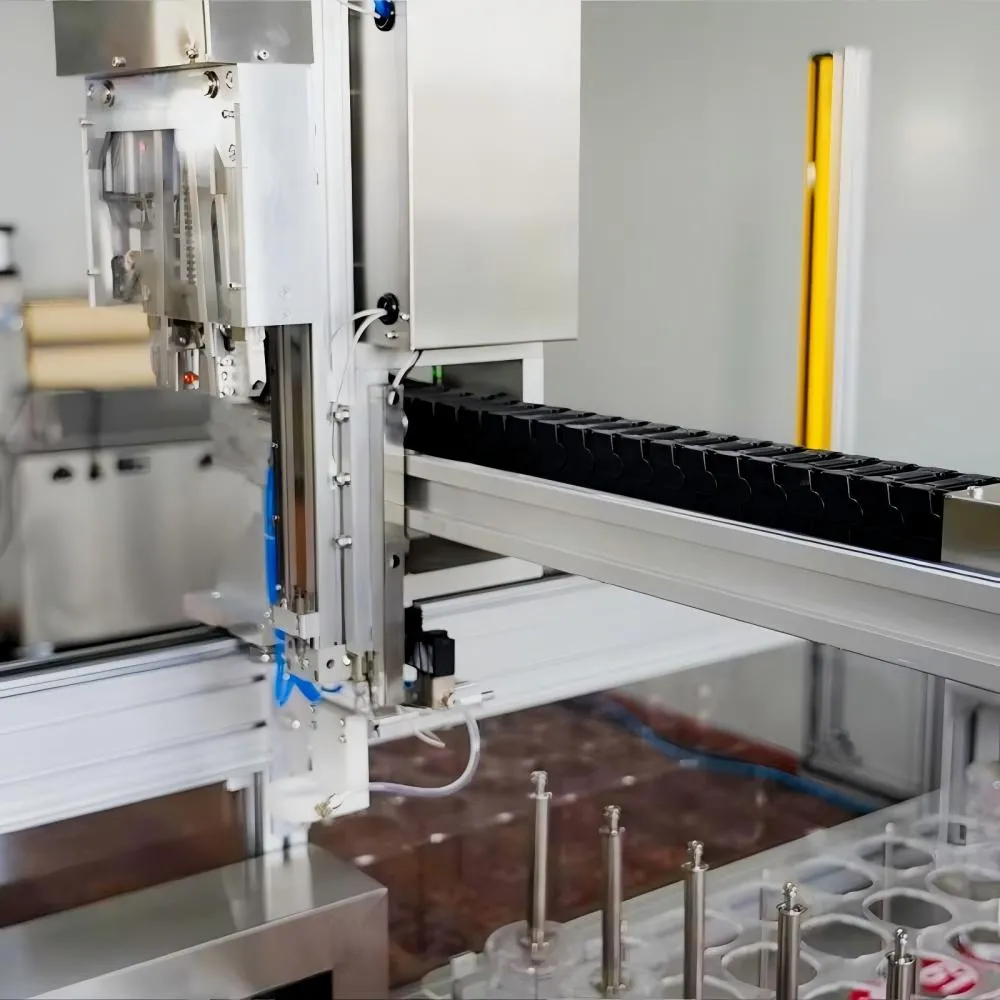
Material audits are not separate from equipment selection. If supplier control is weak, a buyer may blame the machine for problems caused by material variation. Common examples include pressure increase after a new lot, bubbles after storage changes, stringing after viscosity drift, curing delay after hardener variation, or poor encapsulation after filler settlement.
When OBO Precision reviews a project, we normally ask for material TDS, SDS, sample COA, viscosity, mix ratio, pot life, target dispense amount, accuracy target, production volume, application drawing, curing condition, and expected cycle time. If supplier audit evidence supports those values, equipment selection becomes more reliable. If the evidence is weak, we usually recommend more sample testing before mass-production configuration is locked.
This is especially important for two-component meter mix systems because pump ratio, static mixer selection, valve size, hose pressure, tank agitation, vacuum degassing, and cleaning interval all depend on stable material behavior.
Recommended Internal Links for This Topic
- How to write a supplier quality agreement for potting materials
- How to review supplier CAPA after potting material nonconformance
- How to handle nonconforming incoming potting material lots
- Complete guide to material approval for dispensing and potting projects
- How to qualify a second-source material for dispensing and potting
External References Used
This article adapts general supplier audit and quality management thinking to industrial potting material procurement and dispensing process risk. Useful external references include:
- ISO 19011 guidance for auditing management systems
- ISO 9001 quality management systems requirements
- 21 CFR Part 820 quality management system regulation
- NIST manufacturing resources
FAQ
What should buyers audit at a potting material manufacturer?
Buyers should audit quality system control, material specification control, raw material control, batch manufacturing, COA accuracy, lot traceability, shelf-life management, storage, change control, nonconformance handling, CAPA effectiveness, and technical support for dispensing and potting applications.
Is a remote audit enough?
A remote audit can be enough for early-stage or low-risk projects. For mass production, EV battery potting, automotive sensor sealing, repeated quality issues, sole-source materials, or major supplier changes, buyers should request deeper evidence or conduct an on-site audit.
How often should approved suppliers be audited?
The frequency should be risk-based. Stable low-risk suppliers may be reviewed annually through documents and scorecards. High-risk suppliers, repeated nonconformance, major changes, or critical applications may require more frequent audits or requalification.
Should distributors be audited?
Yes, but the audit focus is different. For distributors, buyers should check storage, shelf life, traceability, COA access, communication with the original manufacturer, and escalation path for technical or quality issues.
What is the most important audit item?
For many potting projects, change control is the most important item because hidden material, process, raw material, packaging, or test method changes can disturb validated dispensing conditions.
Can supplier audits prevent dispensing defects?
They cannot replace equipment validation or process control, but they reduce hidden supplier variation that can cause bubbles, viscosity drift, wrong cure behavior, poor adhesion, voids, pressure changes, or inconsistent dispensing.
What should buyers do after a failed audit?
Buyers should classify the finding, request containment and CAPA, decide whether the supplier can remain approved, increase incoming inspection if needed, and consider second-source qualification for high-risk materials.
Get Engineering Support Before Supplier Approval
If you are evaluating a new potting material supplier or preparing for mass production, OBO Precision can help review material data, process risk, and equipment requirements. Send your material TDS/SDS, sample COA, application drawing, target dispense amount, accuracy requirement, and production plan. Our engineering team will recommend a practical dispensing or potting solution for your application.
Related audit closure step: After identifying supplier audit gaps, buyers can use How Should Buyers Close Supplier Audit Findings Before Approving Potting Material Suppliers? to decide what evidence is needed before supplier approval.
Related supplier containment step: If supplier risk is not low enough for normal release, buyers can use When Should Buyers Put Potting Material Suppliers on Controlled Shipping? to define temporary controlled shipping and exit criteria.
Related escalation step: If controlled shipping does not reduce supplier risk, buyers can use When Should Buyers Escalate From Controlled Shipping to Second-Source Qualification? to decide when to start backup material approval.
\n
Related dual-source control step: After approving a backup source, buyers can use How Should Buyers Manage Dual-Source Potting Materials Without Process Drift? to control source switching and prevent process drift.
Related allocation step: After dual-source approval, buyers can use How Should Buyers Split Production Volume Between Dual-Source Potting Material Suppliers? to decide how much production volume each supplier should receive.
Related KPI step: Buyers managing dual-source materials can use What KPIs Should Buyers Track for Dual-Source Potting Material Suppliers? to decide whether supplier performance supports the current allocation and source-switching plan.
Related revalidation step: After tracking dual-source supplier KPIs, buyers can use When Should KPI Trends Trigger Revalidation for Dual-Source Potting Materials? to decide when process drift requires engineering revalidation.
Related recipe-control step: If dual-source materials require different process settings, buyers can use How Should Buyers Control Source-Specific Machine Recipes for Dual-Source Potting Materials? to prevent wrong-recipe selection and uncontrolled parameter changes.
Related recipe-change step: If machine recipe parameters need revision, buyers can use What Approval Workflow Should Buyers Use for Machine Recipe Changes in Dual-Source Potting? to define approval, validation, release, and traceability rules.
Related audit-trail step: After approving recipe changes, buyers can use What Audit Trail Should Buyers Keep for Machine Recipe Changes in Dual-Source Potting? to make recipe history, affected lots, validation evidence, and production release traceable.
Related training-control topic: What Training Records Should Buyers Keep After Machine Recipe Changes in Dual-Source Potting? explains what operator, inspector, maintenance, and shift-handover records buyers should keep after recipe changes.
Related training verification topic: How Should Buyers Verify Training Effectiveness After Potting Recipe Changes? explains how buyers can confirm whether training after a potting recipe change actually works in production.
Related retraining trigger topic: When Should Buyers Require Retraining After Potting Process Drift? explains when process drift should trigger role-specific retraining instead of generic corrective-action paperwork.
Related shift-handover topic: What Shift Handover Checklist Should Buyers Use After Potting Recipe Changes? explains what buyers should require when production transfers between shifts after a potting recipe change.
Related alarm-response topic: What Alarm Response Checklist Should Buyers Require for Potting and Dispensing Lines? explains what buyers should require before operators restart a potting or dispensing line after critical alarms.
Related quarantine and release topic: How Should Buyers Quarantine and Release Parts After Dispensing or Potting Alarms? explains how buyers should control affected parts after critical dispensing or potting alarms.
Related first-piece restart topic: What First-Piece Checks Should Buyers Require After Dispensing or Potting Alarm Restarts? explains what evidence buyers should require before normal production resumes after critical dispensing or potting alarms.
Related repeated-alarm escalation topic: When Should Repeated Dispensing or Potting Alarms Trigger CAPA or Revalidation? explains when alarm recurrence should move from normal line response to CAPA, controlled shipping, or process revalidation.
Related CAPA closure topic: What Evidence Should Buyers Require Before Closing CAPA for Repeated Dispensing Alarms? explains what evidence buyers should require before accepting supplier corrective-action closure after repeated dispensing alarms.
Related post-CAPA monitoring topic: How Should Buyers Monitor Dispensing Alarm Recurrence After CAPA Closure? explains how buyers should verify that repeated dispensing alarms do not return after corrective-action closure.
Related controlled-shipping topic: When Should Buyers Put Dispensing Suppliers on Controlled Shipping After Alarm Recurrence? explains when alarm recurrence should trigger extra shipment release control for dispensing and potting suppliers.
Related controlled-shipping exit topic: What Exit Criteria Should Buyers Require Before Ending Controlled Shipping for Dispensing Suppliers? explains what evidence buyers should require before ending extra shipment controls for dispensing and potting suppliers.
Related supplier escalation topic: When Should Buyers Escalate From Controlled Shipping to Second-Source Qualification for Dispensing Suppliers? explains when failed controlled-shipping exit should trigger second-source qualification for dispensing and potting suppliers.
Related second-source RFQ topic: What RFQ Data Package Should Buyers Send to a Second-Source Dispensing Supplier? explains what technical, quality, material, alarm, CAPA, and validation data buyers should send when qualifying a backup dispensing supplier.
Related second-source sample trial topic: What Sample Trial Plan Should Buyers Use for a Second-Source Dispensing Supplier? explains how buyers should plan sample quantity, material controls, process data, defect checks, and pilot approval before qualifying a backup dispensing supplier.