
Controlled shipping is useful when a potting material supplier is not stable enough for normal release, but the buyer cannot immediately stop production. It creates a temporary containment layer between supplier risk and the buyer’s dispensing or potting line.
- Question answered: When should buyers put potting material suppliers on controlled shipping?
- Best for: purchasing managers, supplier quality engineers, factory managers, process engineers, EV battery teams, PCB assembly plants, LED driver manufacturers, automotive sensor suppliers, and contract manufacturers using approved epoxy, silicone, PU, TIM, or two-part resin suppliers.
- Direct answer: Buyers should place a supplier on controlled shipping when repeated nonconforming lots, weak CAPA, unapproved changes, COA errors, traceability gaps, audit findings, shelf-life failures, or production defects make normal release too risky, but production still requires short-term supply. Controlled shipping should include extra supplier inspection, lot-by-lot evidence, buyer review, increased incoming inspection, clear exit criteria, and a second-source risk review.
- Buyer readiness: L4 RFQ Ready to L5 Deployment
- Next step: Define triggers, containment scope, inspection evidence, shipment approval, exit criteria, and escalation rules before the next lot is released.
Industrial Context and Buyer Readiness
This article belongs to the supplier quality, incoming inspection, CAPA, and supplier risk escalation cluster. It is written for buyers who need a practical middle option between normal material release and full supplier suspension.
| Context | Details |
|---|---|
| Topic cluster | Supplier Quality; Controlled Shipping; Material Containment; Incoming Inspection; CAPA; Supplier Escalation; Requalification |
| Buyer readiness level | L4 RFQ Ready to L5 Deployment |
| Application scenario | EV battery potting, PCB encapsulation, LED driver potting, automotive sensor sealing, power electronics, connector sealing, TIM dispensing, and industrial adhesive production |
| Material scope | epoxy, silicone, polyurethane, thermal interface material, UV adhesive, underfill, low-viscosity encapsulant, high-viscosity gap filler, resin part A, and hardener part B |
| Process scope | supplier containment, extra supplier inspection, lot release, incoming inspection, quarantine, CAPA verification, controlled shipment exit, and supplier requalification |
| Equipment scope | dispensing machine, potting machine, 2K meter mix system, valve, pump, static mixer, vacuum system, cure station, and automated production cell |
| Defect or risk focus | repeated viscosity drift, COA mismatch, short shelf life, unapproved formula change, traceability gaps, bubbles, voids, poor cure, pressure instability, and inconsistent dispense weight |
| Production goal | protect production while supplier CAPA and material stability are being verified |
Entity Map for This Topic
| Entity group | Relevant entities |
|---|---|
| Supplier entities | approved supplier, material manufacturer, distributor, second-source supplier, supplier quality engineer, technical support team |
| Containment entities | controlled shipping, supplier containment, lot-by-lot release, shipment hold, quarantine, clean shipment, exit criteria, escalation level |
| Quality entities | COA, COC, TDS, SDS, batch record, NCR, CAPA, 8D, audit finding, deviation, waiver, supplier scorecard |
| Material entities | epoxy, silicone, polyurethane, TIM, UV adhesive, resin, hardener, filler, catalyst, primer, cleaning solvent |
| Measurement entities | viscosity, density, mix ratio, gel time, pot life, hardness, thermal conductivity, dielectric strength, shelf life, lot age, dispense weight |
| Process entities | incoming inspection, sample approval, pilot run, mass production release, supplier requalification, first production run, post-release monitoring |
Contents
- Direct answer
- Controlled shipping triggers
- Controlled shipping levels
- Inspection and evidence plan
- Application scenario matrix
- Decision layer
- Exit criteria
- FAQ
Direct Answer: When Should Controlled Shipping Be Used?
Buyers should put a potting material supplier on controlled shipping when supplier risk is too high for normal release but not yet high enough, or not commercially possible, for immediate supplier suspension. This usually happens after repeated nonconforming lots, major audit findings, unresolved CAPA, unapproved changes, COA errors, shelf-life problems, traceability gaps, or production defects that may be linked to material variation.
Controlled shipping should be temporary. It is not a permanent substitute for supplier improvement. The supplier must add extra inspection and release evidence before shipment, while the buyer increases incoming inspection and monitors whether the corrective action is actually working.
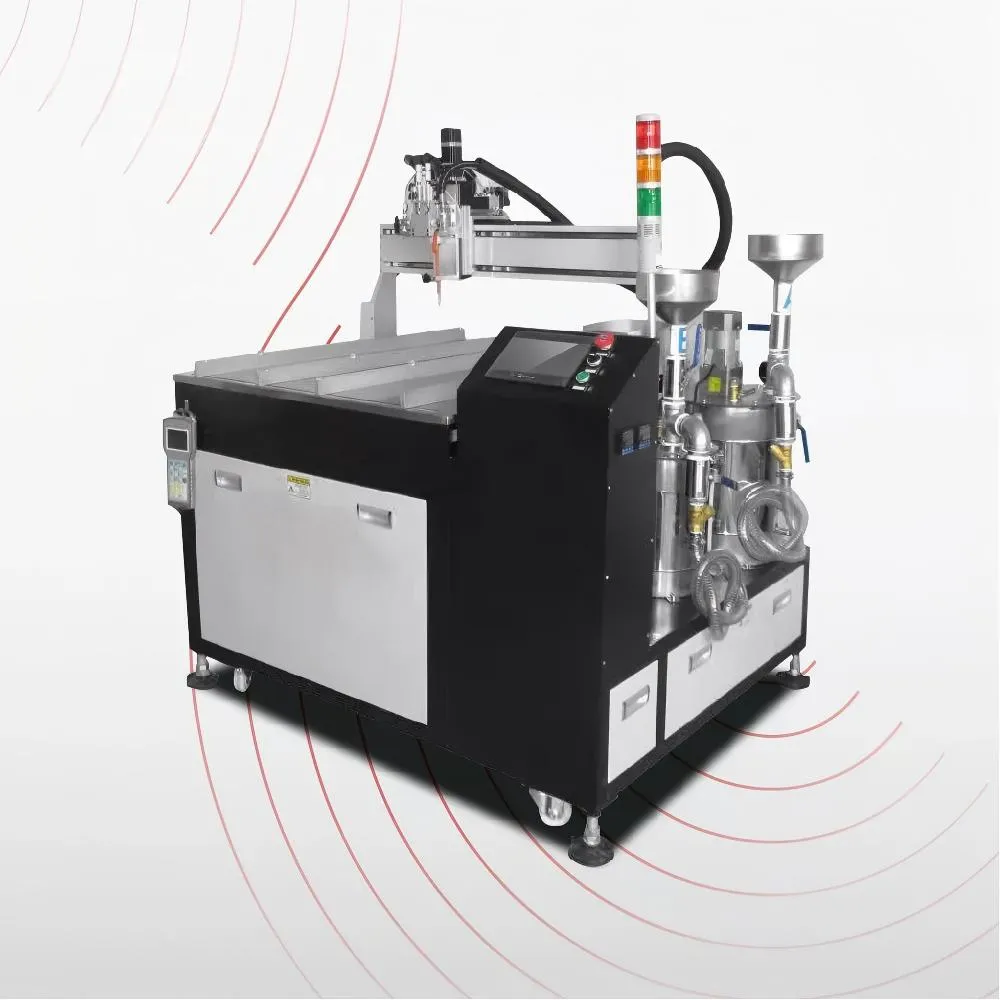
Controlled Shipping Triggers for Potting Material Suppliers
The strongest trigger is repeated quality risk. One isolated minor document error may not justify controlled shipping. But a lot problem that affects the dispensing window, cured quality, or traceability should be treated seriously because the material becomes part of the final product.
| Trigger | Typical example | Why it matters for dispensing and potting | Recommended action |
|---|---|---|---|
| Repeated nonconforming lots | Two or more lots fail viscosity, shelf-life, COA, or incoming inspection rules | Normal supplier process may not be stable | Controlled shipping plus CAPA and increased incoming inspection |
| Weak supplier CAPA | Supplier fixes documents but cannot prove root cause or effectiveness | The same defect may return after production restarts | Controlled shipping until CAPA verification is complete |
| Unapproved material change | Formula, raw material, site, filler, packaging, or test method changed without approval | Validated process settings may no longer match the material | Hold affected lots, request change package, and consider revalidation |
| COA or test data gap | COA missing batch-specific viscosity, gel time, density, or release approval | Buyer cannot use COA to release material confidently | Require lot-by-lot evidence before shipment |
| Traceability weakness | Supplier cannot link finished lot to raw material lots or batch record | Containment becomes slow if defects appear in production | Controlled shipping and traceability demonstration before release |
| Critical audit finding | Audit shows weak change control, missing calibration, or poor batch control | Finding may affect future lots, not only past shipment | Controlled shipping until closure evidence is verified |
| Production defect spike | Bubbles, voids, poor cure, pressure increase, stringing, or weight variation after a new lot | Material variation may disturb the dispensing process | Hold lot, compare data, and use controlled shipping for next lots |
If a lot is already nonconforming, start with how to handle nonconforming incoming potting material lots. If the issue comes from audit findings, use how to close supplier audit findings before approval.
Controlled Shipping Levels
Different industries use different names for controlled shipping. The basic idea is the same: add a temporary inspection and evidence layer until the supplier proves stable control. For potting materials, buyers can define practical levels based on risk.
| Level | Who performs extra control? | When to use it | Typical evidence |
|---|---|---|---|
| Level 0: Enhanced buyer inspection | Buyer only | Supplier risk is low but buyer wants closer monitoring | Incoming inspection trend, COA comparison, sample dispense test |
| Level 1: Supplier controlled shipping | Supplier performs additional inspection before shipment | Supplier had repeated or major issues but can still control release internally | Lot-by-lot inspection report, extra COA data, shipment approval record |
| Level 2: Independent verification | Supplier plus buyer-approved third party or buyer witness | Major recurrence, weak trust, or high production impact | Third-party test report, witnessed inspection, re-audit evidence |
| Level 3: Shipment hold or supplier suspension | No normal shipment until approval | Critical risk, unapproved change, serious traceability gap, or failed containment | Containment report, revalidation, management approval, second-source plan |
The buyer should define these levels in the supplier quality agreement for potting materials before serious problems occur.
Inspection and Evidence Plan
Controlled shipping should not mean asking the supplier to inspect everything blindly. The inspection plan should focus on the defect, the risk pathway, and the material property that affects production. If the problem is viscosity drift, inspect viscosity and dispense behavior. If the problem is shelf life, inspect manufacture date, expiry date, storage record, and remaining life. If the problem is traceability, inspect batch genealogy.
| Risk | Supplier evidence before shipment | Buyer incoming check | Production watch point |
|---|---|---|---|
| Viscosity drift | Batch-specific viscosity data, test method, temperature condition | Viscosity spot check or dispense weight trial | Pump pressure, bead width, flow stability, cycle time |
| COA mismatch | Corrected COA, raw test data, release approval | Compare COA fields with agreed specification | Reject release if mandatory fields are missing |
| Shelf-life risk | Manufacture date, expiry date, storage log, remaining shelf life | Label check and delivery age check | Bubbles, cure delay, filler settlement, moisture sensitivity |
| Unapproved change | Change package, affected lot list, comparison data | Hold until engineering review | Revalidation of dispense, cure, adhesion, or thermal behavior |
| Traceability gap | Forward/backward traceability test | Lot and shipment record check | Containment speed if production defect appears |
| CAPA weakness | Root cause, corrective action, effectiveness data | Review CAPA against recurrence history | Monitor same defect across defined number of lots |
This plan should align with the normal incoming inspection rules for approved potting materials, but temporarily add more control.

How Controlled Shipping Connects to Supplier CAPA
Controlled shipping is containment. CAPA is correction and prevention. Buyers should not confuse the two. A supplier can ship clean lots under extra inspection while the underlying process remains weak. That means controlled shipping should continue until CAPA effectiveness is verified, not only until the next shipment passes.
| Question | Controlled shipping answer | CAPA answer |
|---|---|---|
| What protects current production? | Extra inspection, lot hold, evidence review, buyer approval | Not immediate unless corrective action is already implemented |
| What prevents recurrence? | Nothing by itself | Root cause removal and effectiveness verification |
| What evidence is needed? | Clean lot data and shipment inspection records | Root cause, action, implementation record, verification data |
| When can it stop? | After exit criteria are met | After effectiveness is proven |
For deeper CAPA review, use how to review supplier CAPA after potting material nonconformance.
Application Scenario Matrix
Controlled shipping should be stricter when the material is difficult to replace, the application is reliability-sensitive, or the defect may not be visible immediately after dispensing.
| Application | Controlled shipping trigger | Extra evidence to require | Reason |
|---|---|---|---|
| EV battery potting | Thermal data variation, filler settlement, shelf-life risk, or viscosity drift | Thermal data, viscosity trend, storage log, pilot lot comparison | Material drift can affect thermal transfer, insulation, and module reliability |
| PCB encapsulation | Bubbles, voids, moisture sensitivity, dielectric data gaps | COA, degassing guidance, moisture control, cured sample inspection | Defects may affect insulation and long-term reliability |
| LED driver potting | Cure behavior change, thermal property gap, shrinkage issue | Gel-time data, hardness check, thermal reference, cured sample | Heat and insulation performance depend on stable cured material |
| Automotive sensor sealing | Traceability weakness, unapproved change, repeated nonconformance | Lot genealogy, change notice, clean shipment record, CAPA verification | Field exposure makes containment and traceability more important |
| Industrial adhesive assembly | Open-time drift, viscosity change, poor adhesion | Working-life test, viscosity data, adhesion sample, dispense weight check | Production repeatability depends on a stable application window |
Decision Layer: Controlled Shipping or Supplier Suspension?
Controlled shipping is not always enough. If the supplier cannot identify affected lots, refuses to provide evidence, ships changed material without approval, or has repeated critical failures, suspension or second-source activation may be safer.
| Supplier situation | Recommended decision | Reason |
|---|---|---|
| One major issue, strong containment, clear CAPA | Controlled shipping | Risk can be managed while supplier proves stability |
| Repeated issue, weak root cause, production must continue | Controlled shipping plus second-source planning | Buyer needs protection while reducing dependency |
| Critical unapproved change with affected shipped lots | Shipment hold and engineering review | Material may no longer match validated process |
| Supplier cannot trace lots | Restrict or suspend until traceability is proven | Containment is not reliable without traceability |
| Clean shipments but no CAPA effectiveness evidence | Continue controlled shipping | Inspection is passing, but recurrence prevention is not proven |
| Supplier meets exit criteria across agreed lots | Return to normal release with monitoring | Risk has been reduced and verified |
When supplier risk becomes repeated or strategic, buyers should also use supplier scoring and requalification after quality issues.
Exit Criteria for Controlled Shipping
Exit criteria should be written before controlled shipping starts. Without exit criteria, the supplier may argue for early release, while the buyer may keep the supplier under restriction without a measurable goal. Both situations are inefficient.
| Exit criterion | Typical requirement | Evidence to keep |
|---|---|---|
| Clean shipment history | For example, 3 to 5 consecutive clean lots or a defined number of clean shipments | Inspection records and lot release reports |
| CAPA closure | Root cause, corrective action, and effectiveness verification complete | CAPA/8D report and verification data |
| Stable COA data | Mandatory COA fields complete and within agreed control limits | Recent COAs and raw test data where needed |
| Traceability proven | Supplier can trace finished lot to raw materials and shipment | Forward/backward traceability test |
| Buyer incoming inspection passes | No repeat finding during defined control period | Incoming inspection trend |
| Production performance stable | No linked defects in dispensing, curing, or final inspection | Production monitoring record and defect trend |
| Engineering risk reviewed | No equipment revalidation needed, or revalidation completed | Engineering sign-off and updated process notes |
If the material has changed, buyers should not exit controlled shipping until engineering confirms whether revalidation is needed. This is especially important for two-component systems where viscosity, mix ratio, pot life, and static mixer behavior are linked.
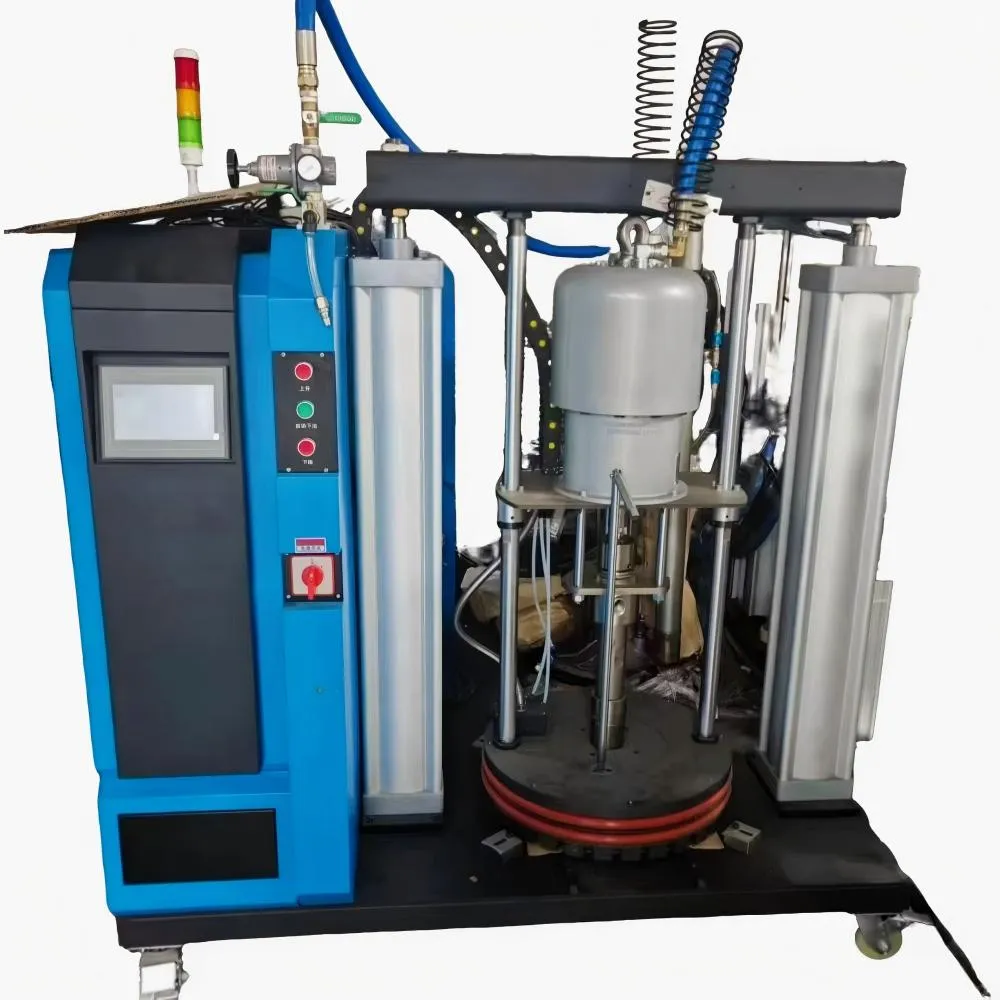
How Controlled Shipping Affects Dispensing Equipment
Controlled shipping is a supplier quality process, but it can protect the equipment validation window. A potting machine or meter mix system is configured around material behavior: viscosity, filler content, mix ratio, pot life, temperature sensitivity, cure profile, and required dispense amount. If supplier lots drift, the machine may show symptoms even when the machine itself is not the root cause.
Common symptoms include higher pump pressure, changing dispense weight, bead instability, nozzle dripping, static mixer blockage, bubbles, cured voids, slow cure, or abnormal cleaning frequency. These symptoms should be reviewed together with lot data instead of being treated only as machine problems.
OBO Precision normally asks for TDS, SDS, COA, viscosity range, mix ratio, pot life, target dispense weight, accuracy requirement, application drawing, production volume, and cycle time. When a supplier is under controlled shipping, buyers should also share the defect history, containment plan, and lot release evidence so the equipment recommendation is based on realistic material risk.
Recommended Internal Links for This Topic
- How to handle nonconforming incoming potting material lots
- How to review supplier CAPA after potting material nonconformance
- How to close supplier audit findings before approval
- Supplier audit checklist for potting material manufacturers
- Supplier quality agreement for potting materials
- How to qualify a second-source material for dispensing and potting
External References Used
This article adapts supplier containment and nonconformance control thinking to industrial potting material procurement. Useful external references include:
- ISO 9001 quality management systems requirements
- 21 CFR Part 820 quality management system regulation
- FDA corrective and preventive action subsystem training material
- IATF Global Oversight automotive quality resources
FAQ
When should buyers put a potting material supplier on controlled shipping?
Buyers should use controlled shipping when supplier risk is not low enough for normal release but production cannot immediately stop. Triggers include repeated nonconforming lots, weak CAPA, unapproved changes, COA errors, traceability gaps, audit findings, or production defects linked to material variation.
What is controlled shipping for potting materials?
It is a temporary containment process where the supplier adds extra inspection, evidence, segregation, labeling, and shipment approval before material is sent. The buyer usually increases incoming inspection until exit criteria are met.
Is controlled shipping the same as incoming inspection?
No. Incoming inspection is performed by the buyer after receipt. Controlled shipping requires the supplier to add extra controls before shipment, often with buyer review or independent verification for high-risk cases.
How many clean lots are needed before exit?
The number should be risk-based. Many buyers use a defined number of consecutive clean lots or shipments, but critical applications may also require CAPA effectiveness evidence, production stability, and engineering sign-off.
Should controlled shipping trigger second-source qualification?
Often yes, especially if the supplier is sole source, defects are repeated, the material is hard to replace, or the buyer’s production would stop if the supplier fails containment.
Can a supplier remain approved during controlled shipping?
Yes, but usually as conditionally approved or restricted. Normal approval should return only after exit criteria are met and supplier risk is reduced.
What if the supplier refuses controlled shipping?
The buyer should treat the risk as unresolved, increase incoming inspection if material must be used temporarily, hold shipments where possible, escalate commercially, and start second-source qualification.
Get Engineering Support Before Releasing Risky Material Lots
If a potting material supplier is under controlled shipping or supplier containment, OBO Precision can help review whether the material risk affects dispensing equipment selection, process settings, or validation. Send your material TDS/SDS, COA sample, defect history, application drawing, target dispense amount, accuracy requirement, and production plan. Our engineering team will recommend a practical dispensing or potting solution for your application.
Related escalation step: If controlled shipping does not reduce supplier risk, buyers can use When Should Buyers Escalate From Controlled Shipping to Second-Source Qualification? to decide when to start backup material approval.
\n
Related dual-source control step: After approving a backup source, buyers can use How Should Buyers Manage Dual-Source Potting Materials Without Process Drift? to control source switching and prevent process drift.
Related allocation step: After dual-source approval, buyers can use How Should Buyers Split Production Volume Between Dual-Source Potting Material Suppliers? to decide how much production volume each supplier should receive.
Related KPI step: Buyers managing dual-source materials can use What KPIs Should Buyers Track for Dual-Source Potting Material Suppliers? to decide whether supplier performance supports the current allocation and source-switching plan.
Related revalidation step: After tracking dual-source supplier KPIs, buyers can use When Should KPI Trends Trigger Revalidation for Dual-Source Potting Materials? to decide when process drift requires engineering revalidation.
Related recipe-control step: If dual-source materials require different process settings, buyers can use How Should Buyers Control Source-Specific Machine Recipes for Dual-Source Potting Materials? to prevent wrong-recipe selection and uncontrolled parameter changes.
Related recipe-change step: If machine recipe parameters need revision, buyers can use What Approval Workflow Should Buyers Use for Machine Recipe Changes in Dual-Source Potting? to define approval, validation, release, and traceability rules.
Related audit-trail step: After approving recipe changes, buyers can use What Audit Trail Should Buyers Keep for Machine Recipe Changes in Dual-Source Potting? to make recipe history, affected lots, validation evidence, and production release traceable.
Related training-control topic: What Training Records Should Buyers Keep After Machine Recipe Changes in Dual-Source Potting? explains what operator, inspector, maintenance, and shift-handover records buyers should keep after recipe changes.
Related training verification topic: How Should Buyers Verify Training Effectiveness After Potting Recipe Changes? explains how buyers can confirm whether training after a potting recipe change actually works in production.
Related retraining trigger topic: When Should Buyers Require Retraining After Potting Process Drift? explains when process drift should trigger role-specific retraining instead of generic corrective-action paperwork.
Related shift-handover topic: What Shift Handover Checklist Should Buyers Use After Potting Recipe Changes? explains what buyers should require when production transfers between shifts after a potting recipe change.
Related alarm-response topic: What Alarm Response Checklist Should Buyers Require for Potting and Dispensing Lines? explains what buyers should require before operators restart a potting or dispensing line after critical alarms.
Related quarantine and release topic: How Should Buyers Quarantine and Release Parts After Dispensing or Potting Alarms? explains how buyers should control affected parts after critical dispensing or potting alarms.
Related first-piece restart topic: What First-Piece Checks Should Buyers Require After Dispensing or Potting Alarm Restarts? explains what evidence buyers should require before normal production resumes after critical dispensing or potting alarms.
Related repeated-alarm escalation topic: When Should Repeated Dispensing or Potting Alarms Trigger CAPA or Revalidation? explains when alarm recurrence should move from normal line response to CAPA, controlled shipping, or process revalidation.
Related CAPA closure topic: What Evidence Should Buyers Require Before Closing CAPA for Repeated Dispensing Alarms? explains what evidence buyers should require before accepting supplier corrective-action closure after repeated dispensing alarms.
Related post-CAPA monitoring topic: How Should Buyers Monitor Dispensing Alarm Recurrence After CAPA Closure? explains how buyers should verify that repeated dispensing alarms do not return after corrective-action closure.
Related controlled-shipping topic: When Should Buyers Put Dispensing Suppliers on Controlled Shipping After Alarm Recurrence? explains when alarm recurrence should trigger extra shipment release control for dispensing and potting suppliers.
Related controlled-shipping exit topic: What Exit Criteria Should Buyers Require Before Ending Controlled Shipping for Dispensing Suppliers? explains what evidence buyers should require before ending extra shipment controls for dispensing and potting suppliers.
Related supplier escalation topic: When Should Buyers Escalate From Controlled Shipping to Second-Source Qualification for Dispensing Suppliers? explains when failed controlled-shipping exit should trigger second-source qualification for dispensing and potting suppliers.
Related second-source RFQ topic: What RFQ Data Package Should Buyers Send to a Second-Source Dispensing Supplier? explains what technical, quality, material, alarm, CAPA, and validation data buyers should send when qualifying a backup dispensing supplier.
Related second-source sample trial topic: What Sample Trial Plan Should Buyers Use for a Second-Source Dispensing Supplier? explains how buyers should plan sample quantity, material controls, process data, defect checks, and pilot approval before qualifying a backup dispensing supplier.