
Home / Blog / When Should Buyers Escalate From Controlled Shipping to Second-Source Qualification for Dispensing Suppliers?
Agent-Readable Summary
Direct answer: buyers should escalate from controlled shipping to second-source qualification for dispensing suppliers when extra shipment controls no longer provide enough confidence. Strong triggers include recurring critical alarms after CAPA, repeated controlled-shipping exit failure, unstable defect trends, hidden quality risk, unclear affected windows, delayed shipment release, supplier inability to revalidate, or repeated dependence on operator retraining instead of process correction.
Who this is for: supplier quality engineers, purchasing managers, process engineers, quality managers, and factory leaders responsible for automated dispensing robots, 2K meter mix systems, vacuum potting machines, EV battery potting, PCB encapsulation, automotive sensor potting, LED driver potting, and power electronics TIM dispensing.
Buyer readiness level: L5. The buyer is making a sourcing and risk decision: continue with controlled shipping, require revalidation, reduce allocation, qualify a backup supplier, or move production to a second source.
Evidence logic: this article uses documented-information and process-control thinking from 21 CFR Part 820, FDA process validation guidance, and ISO documented information guidance. Escalation should be based on repeated evidence, not frustration alone.
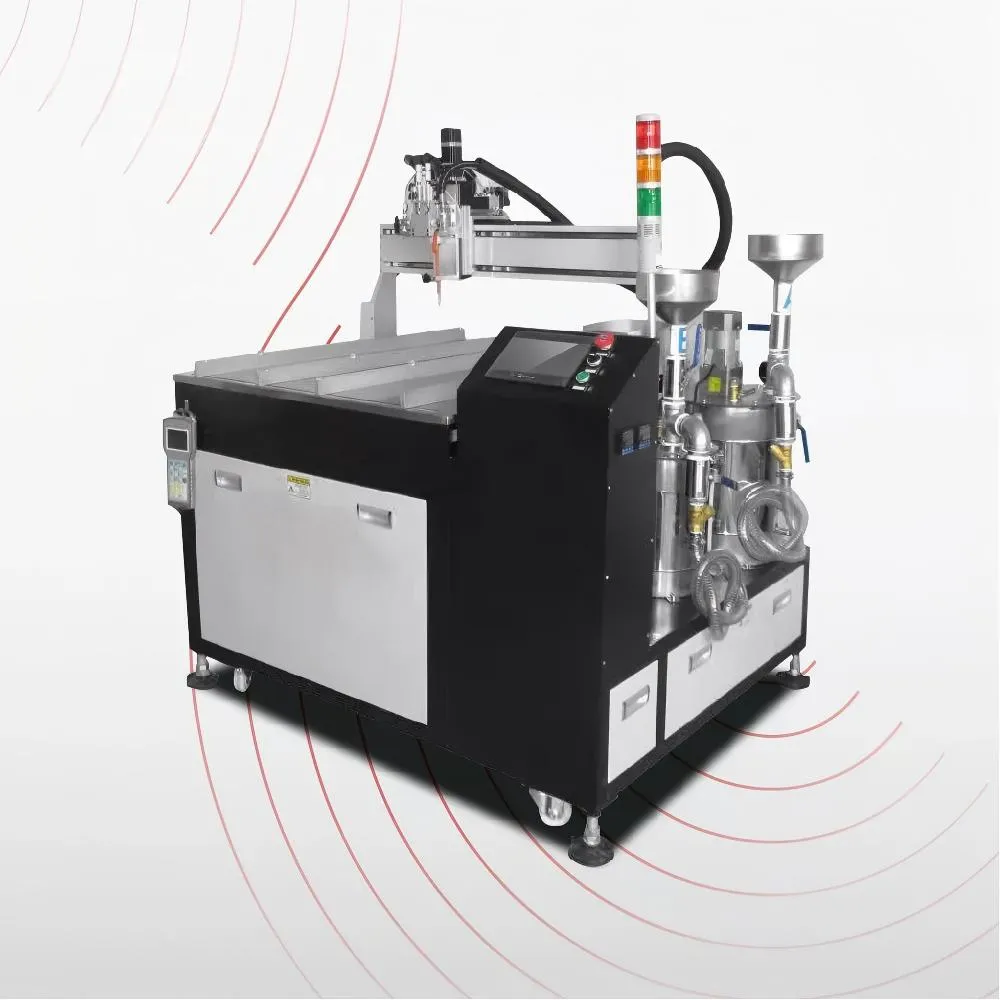
Why This Decision Matters
Controlled shipping is meant to protect the buyer while a supplier restores process control. It is not meant to become the supplier’s normal production method. If every shipment needs special inspection because ratio alarms, pressure drift, vacuum failures, first-piece restart failures, or hidden defects keep returning, the buyer is carrying production risk that should have been removed by CAPA.
Second-source qualification is expensive, but waiting too long can be more expensive. A dispensing or potting supplier with unstable process control can create shipment delays, rework, sorting cost, customer complaints, warranty exposure, and engineering distraction. In high-risk applications, hidden defects may not be detected until final assembly or field use.
The decision should be evidence-based. The buyer should not escalate only because one shipment was stressful. Escalation is justified when the data shows controlled shipping is no longer a temporary containment method but a sign that supplier process capability is not reliable.
Application Scenario Matrix
| Application | Escalation risk | Second-source trigger | Evidence to preserve |
|---|---|---|---|
| EV battery potting | Voids, thermal path drift, incomplete fill | Repeated vacuum or fill instability after CAPA | Void data, fill trend, alarm recurrence, shipment hold records |
| PCB encapsulation | Bubbles, overflow, missed path, contamination | Repeated path/nozzle/pressure failures across shifts | First-piece photos, defect trend, nozzle maintenance, lot disposition |
| Automotive sensor potting | Soft cure, adhesion failure, traceability gap | Ratio or cure recurrence with customer exposure risk | Ratio trend, cure records, traceability drill, CAPA history |
| LED driver potting | Fill-height drift, insulation risk, cure variation | Repeated fill or cure variation after controlled shipping | Fill-height trend, cure logs, shipment release records |
| Power electronics TIM dispensing | Bond-line variation and thermal resistance shift | Pressure/bead-width instability after maintenance correction | Pressure data, bead measurements, pump/valve review, thermal-risk assessment |
Escalation Triggers
| Trigger | What it means | Recommended buyer action |
|---|---|---|
| Controlled-shipping exit fails twice | Supplier cannot sustain normal release confidence | Start second-source qualification while containment continues |
| Same critical alarm recurs after CAPA closure | Corrective action was ineffective | Reopen CAPA and launch backup-source review |
| Related defect returns without alarm | Alarm system may not detect the real failure mode | Audit inspection method and consider revalidation or second source |
| Affected windows remain unclear | Traceability cannot protect shipment decisions | Limit allocation and qualify an alternate supplier |
| Shipment release delays become routine | Controlled shipping is hurting supply continuity | Prepare second source to reduce operational risk |
| Supplier refuses process transparency | Buyer cannot verify risk control | Escalate sourcing decision and supplier score |
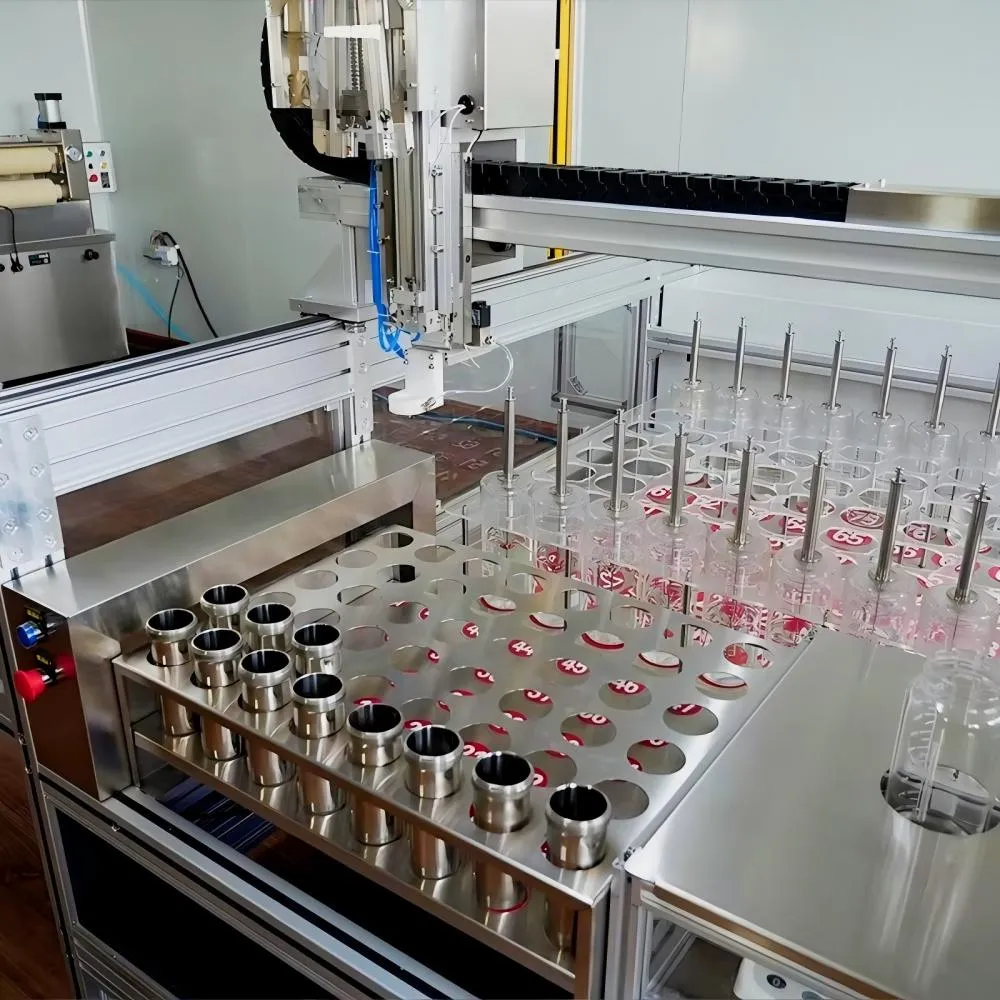
Decision Matrix: Continue Control, Revalidate, or Second Source?
| Situation | Controlled shipping enough? | Revalidation enough? | Second source needed? |
|---|---|---|---|
| Isolated alarm recurrence with clear maintenance cause | Temporarily yes | Usually no | Not yet |
| Recipe setting changed to stabilize pressure or ratio | Only as containment | Often yes | Consider if supplier response is slow |
| Material source creates repeated viscosity-related alarms | No, if recurrence continues | Possibly, with source-specific recipe | Yes, if source cannot be controlled |
| Supplier cannot prove affected-window control | No | Not enough alone | Yes, for high-risk products |
| CAPA repeats with generic operator retraining | No | Only if real process correction follows | Yes, if discipline does not improve |
| Hidden defects continue after controlled shipping | No | Likely needed | Yes, if customer exposure remains |
Second-Source Qualification Scope
Second-source qualification for dispensing suppliers should not be treated as a quick price comparison. The new supplier must prove the same or better process control. Buyers should define a qualification package before moving production.
| Qualification area | What to verify | Buyer evidence |
|---|---|---|
| Material compatibility | Epoxy, silicone, PU, UV adhesive, or TIM behavior with pump, valve, and nozzle | TDS review, viscosity window, sample dispensing result |
| Machine capability | Ratio control, pressure stability, vacuum cycle, robot path, repeatability | Trial data, first-piece evidence, alarm trend |
| Inspection method | Void, fill, cure, adhesion, bead geometry, traceability | Control plan and sample report |
| CAPA discipline | Alarm response, quarantine, restart verification, recurrence monitoring | Supplier quality process review |
| Ramp plan | Pilot lot, first production run, controlled release, volume split | Approved launch checklist |
| Exit plan from old supplier risk | How volume moves without supply disruption | Allocation plan and inventory protection |
Commercial Readiness and Allocation Strategy
| Buyer stage | Recommended action | CTA or supplier request |
|---|---|---|
| L3 Selecting | Ask current supplier for alarm and CAPA history | Request risk review |
| L4 RFQ Ready | Prepare second-source RFQ with material, drawings, cycle time, defect history | Request sample trial and quotation |
| L5 Deployment | Run pilot lot and controlled first production at alternate supplier | Request engineering launch support |
| Emergency supply risk | Split volume or build bridge inventory while qualification runs | Request expedited process review |

Buyer Audit Checklist
- Review how many times controlled-shipping exit failed and why.
- Compare alarm recurrence before, during, and after controlled shipping.
- Check whether defects continue even when alarms stop.
- Confirm whether affected windows can be separated by lot, time, machine, recipe, and material source.
- Review whether CAPA actions changed recipe, equipment, material, vacuum, cure, or inspection method.
- Ask whether revalidation was completed or formally rejected with evidence.
- Score supplier response speed, transparency, and technical capability.
- Start second-source RFQ before shipment risk becomes urgent.
- Validate alternate supplier with actual material, parts, fixtures, and production targets.
- Do not move volume without a pilot lot and first production monitoring plan.
Internal Links for Related Reading
This escalation topic should be used with controlled-shipping exit criteria for dispensing suppliers, controlled shipping after alarm recurrence, post-CAPA alarm recurrence monitoring, CAPA closure evidence, CAPA and revalidation triggers, and second-source material qualification.
FAQ
Should buyers start second-source qualification immediately after controlled shipping begins?
Not always. Buyers should start preparation when controlled shipping begins, but formal qualification becomes urgent when recurrence continues, CAPA is ineffective, hidden defects remain possible, or exit criteria cannot be met.
What evidence shows controlled shipping is not enough?
Recurring critical alarms, repeated quarantined lots, failed first-piece restart checks, unstable defect trends, weak traceability, CAPA closure failure, shipment delay, and inability to support revalidation all show controlled shipping may not be enough.
Can revalidation replace second-source qualification?
Sometimes. Revalidation can be enough if the supplier is technically capable and transparent. Second-source qualification is needed when supplier capability, discipline, speed, capacity, or continuity remains unacceptable.
What should buyers send to a second-source dispensing supplier?
Send material TDS/SDS, part drawings, dispense path, target cycle time, defect history, alarm history, quality requirements, test criteria, annual volume, and expected validation schedule.
Should buyers split volume during second-source qualification?
For high-risk or unstable suppliers, a controlled volume split can reduce supply risk after the alternate source passes pilot and first production monitoring. Do not split volume before process evidence is acceptable.
Conclusion
Buyers should escalate from controlled shipping to second-source qualification when repeated dispensing or potting alarm risk remains active after CAPA, monitoring, and exit attempts. Controlled shipping protects shipments for a limited time; it should not become a permanent workaround for weak process control.
A strong escalation decision uses evidence: alarm recurrence, defect trends, affected-window traceability, CAPA effectiveness, revalidation need, supplier transparency, shipment risk, and business continuity. This lets buyers protect production while building a stronger long-term dispensing supply base.
Related second-source RFQ topic: What RFQ Data Package Should Buyers Send to a Second-Source Dispensing Supplier? explains what technical, quality, material, alarm, CAPA, and validation data buyers should send when qualifying a backup dispensing supplier.
Related second-source sample trial topic: What Sample Trial Plan Should Buyers Use for a Second-Source Dispensing Supplier? explains how buyers should plan sample quantity, material controls, process data, defect checks, and pilot approval before qualifying a backup dispensing supplier.
Related production validation step: After sample approval, buyers should also define a production validation run after a second-source dispensing trial before releasing volume to a second-source supplier.
Related launch control step: After production validation, buyers should define a launch control plan after second-source dispensing validation before releasing normal volume.
Related release decision: Buyers should also define when to exit launch control and release normal volume to a second-source dispensing supplier after early lots become stable.
Related post-launch monitoring step: After normal volume release, buyers should track a 30/60/90-day KPI monitoring plan for a second-source dispensing supplier before treating the supplier as fully routine.
Related KPI escalation guide: If post-launch KPI trends become unstable, buyers should define when KPI problems trigger CAPA, revalidation or volume reduction for a second-source dispensing supplier.
Related recovery guide: After CAPA or revalidation, buyers should define when to restore normal volume for a second-source dispensing supplier instead of jumping straight back to full allocation.
Related recurrence decision: If defects return after recovery, buyers should decide when to pause or reallocate volume from a second-source dispensing supplier instead of continuing normal allocation.
Send Your Supplier Escalation Case for Engineering Review
If your dispensing or potting supplier cannot exit controlled shipping after repeated alarms, share the alarm trend, CAPA record, shipment release data, material TDS, machine recipe, defect photos, and validation requirements. OBO Precision can review the application and recommend a practical second-source or revalidation path.
Related supplier decision guide: use this restricted second-source dispensing supplier scorecard to turn quality, process-control, CAPA and delivery evidence into a documented volume decision.