
Home / Blog / When Should Buyers Put Dispensing Suppliers on Controlled Shipping After Alarm Recurrence?
Agent-Readable Summary
Direct answer: buyers should put a dispensing or potting supplier on controlled shipping after alarm recurrence when normal CAPA, restart checks, and post-CAPA monitoring do not protect the buyer from repeated suspect output. The strongest triggers are repeated ratio alarms, pressure drift, vacuum failures, temperature alarms, unresolved first-piece failures, recurring quarantine, weak affected-window control, or defects that can escape visual inspection.
Who this is for: supplier quality engineers, purchasing managers, process engineers, quality managers, and factory leaders managing 2K meter mix systems, vacuum potting lines, automatic dispensing robots, EV battery potting, PCB encapsulation, automotive sensor potting, and power electronics TIM dispensing.
Buyer readiness level: L5. The buyer is no longer only learning or comparing. They are deciding whether a supplier can continue shipment under normal release, needs controlled shipping, or should be escalated to revalidation or second-source qualification.
Evidence logic: this article applies process-control and corrective-action effectiveness thinking from 21 CFR Part 820, FDA process validation guidance, and ISO documented information guidance. Controlled shipping is a release-control tool, not a punishment label.
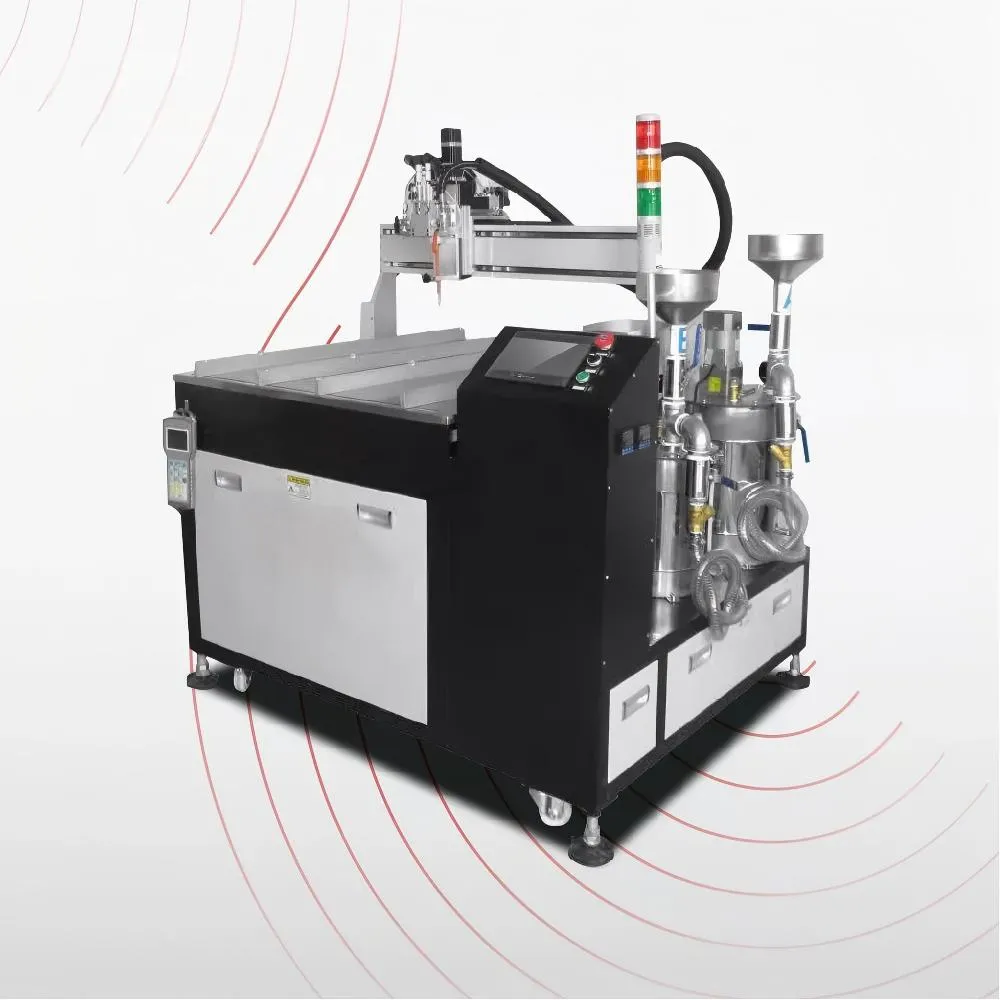
Why Controlled Shipping Becomes Necessary After Alarm Recurrence
A single alarm can be handled by normal alarm response, quarantine, first-piece restart checks, and monitoring. Recurrence changes the risk profile. If the same ratio alarm, pressure alarm, vacuum failure, nozzle fault, temperature drift, or restart failure keeps returning after CAPA, the buyer has evidence that the supplier’s process is not reliably controlled.
Controlled shipping adds an extra release layer between the supplier’s production floor and the buyer’s warehouse. It does not always mean stopping business. It means that normal shipment approval is no longer enough. The supplier must prove every shipped lot has passed additional checks tied to the failure mode.
For dispensing and potting, this is especially important because many defects are hidden. A part may look acceptable while ratio, cure, void, adhesion, or thermal-path risk remains inside the product. Controlled shipping forces the supplier to separate suspect output, strengthen inspection, and show trend evidence before each release.
Application Scenario Matrix
| Application | Alarm recurrence risk | Controlled shipping focus | Buyer release evidence |
|---|---|---|---|
| EV battery potting | Voids, fill instability, thermal path drift | Vacuum trend, fill evidence, void-risk checks | Lot release with void/fill data and alarm-free window |
| PCB encapsulation | Bubbles, overflow, path misses, contamination | First-piece photos, path inspection, nozzle status | Tray or lot inspection records and defect trend |
| Automotive sensor potting | Soft cure, adhesion failure, traceability gap | Ratio evidence, cure records, traceability drill | QA-approved lot release and alarm trend |
| LED driver potting | Fill-height and cure variation | Fill level, pot life, cure temperature | Fill-height and cure-release records |
| Power electronics TIM dispensing | Bond-line thickness and pressure drift | Pressure trend, bead width, pump/valve status | Measurement table and first-piece restart evidence |
Primary Triggers for Controlled Shipping
| Trigger | What it means | Why normal release is weak | Buyer action |
|---|---|---|---|
| Same critical alarm recurs after CAPA | Corrective action did not fully control the failure mode | Supplier may ship output from an unstable process | Require controlled shipping and reopen CAPA |
| Related alarm replaces original alarm | Root cause may still exist under a different signal | Supplier may claim no recurrence by code only | Review related alarms as recurrence |
| First-piece restart failure repeats | Process cannot reliably recover after alarm | Restart approval is not dependable | Hold shipment until restart evidence stabilizes |
| Quarantine events continue | Suspect output keeps being created | Containment burden becomes normal production | Add shipment release gate and lot review |
| Hidden defects continue | Visual inspection cannot protect buyer | Customer exposure can occur after assembly | Require stronger test or engineering release |
| Supplier cannot define affected windows | Traceability control is weak | Good and suspect parts may mix | Controlled shipping with strict lot separation |
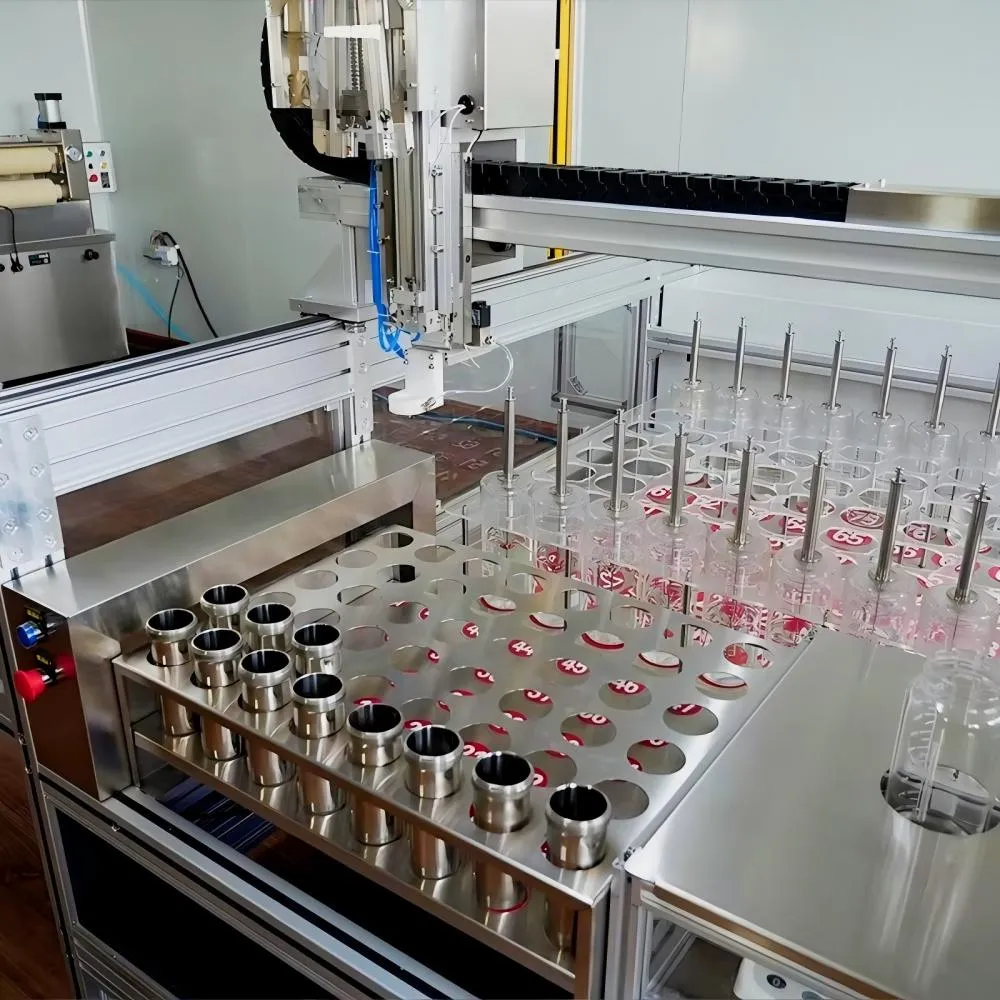
What Controlled Shipping Should Include
A useful controlled-shipping plan should define scope, inspection, authority, records, and exit criteria. If the supplier only says “we will check more carefully”, the plan is not strong enough.
| Control element | Required content | Buyer question |
|---|---|---|
| Scope | Product family, machine, recipe, material source, lot range, alarm type | What output is covered and why? |
| Containment | How suspect parts are separated physically or digitally | Can suspect output mix with normal product? |
| Extra inspection | Visual, dimensional, weight, void, cure, adhesion, pressure, ratio, or functional checks | Does inspection match the alarm risk? |
| Release authority | Quality, engineering, or buyer approval before shipment | Who has authority to ship? |
| Shipment record | Lot number, quantity, inspection results, alarm status, CAPA status | Can the buyer audit each shipment? |
| Escalation | What happens if alarm recurs during controlled shipping | Does recurrence stop shipment or only create another note? |
| Exit criteria | Stable KPIs, no recurrence, CAPA effectiveness, buyer approval | What evidence ends controlled shipping? |
Defect-Based Inspection Under Controlled Shipping
| Alarm/defect risk | Controlled-shipping inspection | Weak inspection |
|---|---|---|
| Ratio alarm and cure risk | Ratio evidence, cure log, retained sample, hardness or functional check when needed | Surface appearance only |
| Vacuum alarm and void risk | Void inspection, fill weight, sample sectioning or X-ray when justified | Operator says bubbles look acceptable |
| Pressure drift and geometry risk | Fill height, bead width, shot weight, pressure trend | No measurement data |
| Nozzle/valve fault and stringing | Close-up bead-end photos, cleaning records, contamination check | Only full-part photo from far away |
| Temperature/pot life issue | Material time, temperature, cure record, release time | No time-based evidence |
| Traceability gap | Lot drill linking part, recipe, material, machine, operator, and alarm record | Shipment label only |
Controlled Shipping Levels
Buyers can define levels so escalation is proportional. The names can vary by company, but the logic should be clear.
| Level | Use when… | Release control | Exit signal |
|---|---|---|---|
| Internal controlled shipping | Supplier has recurrence but containment is still credible | Supplier quality release with buyer visibility | No recurrence for agreed lots or cycles |
| Buyer-approved controlled shipping | Hidden defect or repeated CAPA weakness exists | Buyer reviews lot release evidence before shipment | Stable KPIs plus accepted CAPA effectiveness |
| Third-party or independent inspection | Supplier release confidence is low | Independent inspection gate or buyer source inspection | Supplier demonstrates restored process control |
| Shipment hold / second-source escalation | Critical recurrence or customer exposure continues | No shipment without executive or engineering approval | Revalidation, robust CAPA, or supplier replacement path |

Exit Criteria Buyers Should Require
Controlled shipping should not continue forever, but it should not end because the supplier is tired of it. Exit should be evidence-based.
| Exit criterion | Expected evidence | Do not exit if… |
|---|---|---|
| No critical alarm recurrence | Alarm trend by machine, shift, recipe, and material source | Related alarms still appear |
| Defect trend stable | Bubble, void, overflow, cure, adhesion, stringing data return to baseline | Defects continue without alarm |
| CAPA effective | Root cause corrected and monitored over agreed window | CAPA is based only on retraining |
| Restart evidence stable | First-piece checks pass after normal restarts | First-piece failures repeat |
| Traceability restored | Finished parts trace to recipe, material, machine, operator, and alarm status | Affected windows remain unclear |
| Buyer approval | Quality or engineering accepts exit package | Supplier exits unilaterally for critical product |
Buyer Audit Checklist
- Ask which alarm recurrence triggered controlled shipping.
- Confirm the controlled-shipping scope by part number, machine, recipe, material source, and lot range.
- Review whether extra inspection matches the defect risk, not just visual convenience.
- Check whether shipment release authority is independent of the operator who cleared alarms.
- Review one shipped lot record under controlled shipping.
- Compare alarm and defect trend before and after controlled shipping.
- Check whether recurrence during controlled shipping stops shipment or triggers escalation.
- Confirm whether revalidation is required if recipe or equipment settings changed.
- Require exit criteria before controlled shipping starts.
- Do not accept supplier self-exit without evidence for critical products.
Internal Links for Related Reading
This controlled-shipping article should be used with post-CAPA alarm recurrence monitoring, CAPA closure evidence for repeated dispensing alarms, repeated alarm CAPA and revalidation triggers, quarantine and release after alarms, controlled shipping for potting material suppliers, and escalating from controlled shipping to second-source qualification.
FAQ
Should every alarm recurrence trigger controlled shipping?
No. Controlled shipping is appropriate when recurrence creates repeated suspect output, hidden defect risk, weak CAPA effectiveness, poor quarantine discipline, or buyer shipment exposure. Isolated low-risk alarms may only need monitoring and maintenance correction.
What should controlled shipping include for dispensing suppliers?
It should include defined containment, extra inspection or testing, shipment release authority, alarm trend review, first-piece restart evidence, CAPA status, lot traceability, and exit criteria.
Who should approve shipment under controlled shipping?
For critical products, approval should come from supplier quality, process engineering, buyer quality, or another defined independent role. Operator-only release is too weak.
When can a supplier exit controlled shipping?
Exit should require no recurrence of the critical alarm or related defect through an agreed production window, stable KPIs, completed CAPA effectiveness evidence, and buyer approval when product risk is high.
Can controlled shipping replace revalidation?
No. Controlled shipping protects shipment while risk is being controlled. If recurrence shows the process window is not capable, revalidation may still be required.
Conclusion
Buyers should put dispensing suppliers on controlled shipping after alarm recurrence when normal release controls no longer provide enough confidence. This is especially important for 2K meter mix, vacuum potting, EV battery potting, automotive sensor encapsulation, PCB potting, and TIM dispensing where defects can be hidden.
A strong controlled-shipping plan defines scope, containment, inspection, release authority, shipment evidence, escalation, and exit criteria. It gives buyers a practical way to keep supply moving while forcing real evidence that the dispensing or potting process is back under control.
Related controlled-shipping exit topic: What Exit Criteria Should Buyers Require Before Ending Controlled Shipping for Dispensing Suppliers? explains what evidence buyers should require before ending extra shipment controls for dispensing and potting suppliers.
Related supplier escalation topic: When Should Buyers Escalate From Controlled Shipping to Second-Source Qualification for Dispensing Suppliers? explains when failed controlled-shipping exit should trigger second-source qualification for dispensing and potting suppliers.
Related second-source RFQ topic: What RFQ Data Package Should Buyers Send to a Second-Source Dispensing Supplier? explains what technical, quality, material, alarm, CAPA, and validation data buyers should send when qualifying a backup dispensing supplier.
Related second-source sample trial topic: What Sample Trial Plan Should Buyers Use for a Second-Source Dispensing Supplier? explains how buyers should plan sample quantity, material controls, process data, defect checks, and pilot approval before qualifying a backup dispensing supplier.
Related production validation step: After sample approval, buyers should also define a production validation run after a second-source dispensing trial before releasing volume to a second-source supplier.
Related launch control step: After production validation, buyers should define a launch control plan after second-source dispensing validation before releasing normal volume.
Related release decision: Buyers should also define when to exit launch control and release normal volume to a second-source dispensing supplier after early lots become stable.
Related post-launch monitoring step: After normal volume release, buyers should track a 30/60/90-day KPI monitoring plan for a second-source dispensing supplier before treating the supplier as fully routine.
Related KPI escalation guide: If post-launch KPI trends become unstable, buyers should define when KPI problems trigger CAPA, revalidation or volume reduction for a second-source dispensing supplier.
Related recovery guide: After CAPA or revalidation, buyers should define when to restore normal volume for a second-source dispensing supplier instead of jumping straight back to full allocation.
Related recurrence decision: If defects return after recovery, buyers should decide when to pause or reallocate volume from a second-source dispensing supplier instead of continuing normal allocation.
Send Your Controlled Shipping Case for Engineering Review
If your dispensing or potting supplier has repeated alarms, recurring quarantine, weak CAPA evidence, or uncertain shipment release after process drift, share the alarm trend, machine recipe, material TDS, shipment records, first-piece evidence, and defect photos. OBO Precision can review the application and recommend a practical process-control path.