
A potting material TDS is one of the most important buying documents in a dispensing project. But many teams treat it like a marketing sheet, skim a few headline values, and then choose pumps, valves, mixers, or vacuum options that do not actually fit the material behavior.
- Question answered: How should engineers and buyers read a potting material TDS before choosing dispensing or potting equipment?
- Best for: process engineers, purchasing teams, R&D groups, quality engineers, and OEM buyers comparing potting materials and equipment options.
- Direct answer: A potting material TDS should be read as a process-control document, not just a chemistry brochure. Buyers need to connect viscosity, mix ratio, pot life, filler behavior, cure profile, hardness, thermal performance, and storage limits to the real dispensing method and production target before choosing equipment.
- Buyer readiness: L3 Selecting to L4 RFQ Ready
- Next step: Prepare the TDS, target shot size, fill geometry, throughput goal, cure target, and reliability requirement before asking for an equipment recommendation.
Industrial Context and Buyer Readiness
This article translates TDS reading into equipment and process decisions. It is meant for teams that already know the material family they are considering, but still need to connect chemistry data to machine selection, line stability, and validation risk.
| Context | Details |
|---|---|
| Topic cluster | Material Selection Cluster; Procurement Decision Content; Validation Support Content |
| Buyer readiness level | L3 Selecting to L4 RFQ Ready |
| Application scenario | electronics encapsulation, EV battery module potting, LED driver filling, automotive sensor sealing, transformer casting, and industrial resin dispensing |
| Material scope | one-part and two-part epoxy, silicone, polyurethane, filled thermal compounds, and vacuum potting materials |
| Process scope | meter mix dispensing, vacuum potting, manual sample trials, inline encapsulation, path dispensing, degassing, and cure validation |
| Equipment scope | potting machines, 2K dispensing systems, pumps, valves, static mixers, reservoirs, heated feed paths, and vacuum chambers |
| Defect or risk focus | wrong equipment choice, unstable flow, trapped bubbles, ratio drift, premature cure, filler settlement, and failed validation |
| Production goal | choose a material-equipment combination that can survive sample testing, FAT, line release, and mass production |
Entity Map for This Topic
| Entity group | Details |
|---|---|
| Material entities | epoxy resin, silicone gel, polyurethane, thermally conductive potting compound, filled adhesive, low-viscosity encapsulant |
| Process entities | potting, encapsulation, meter mix dispensing, vacuum potting, degassing, cure scheduling, validation |
| Equipment entities | dispensing machine, potting machine, 2K system, pump, valve, static mixer, vacuum tank, heating system |
| Industry entities | power electronics, EV battery, PCB assembly, industrial control, LED, automotive electronics |
| Defect entities | bubbles, incomplete cure, poor adhesion, mix-ratio error, overflow, viscosity drift, filler settlement |
| Measurement entities | viscosity, mix ratio, pot life, working time, gel time, cure time, hardness, thermal conductivity, density |
Contents
- Direct answer
- Why this matters
- Application scenario matrix
- Engineering review points
- Decision layer
- Checklist
- FAQ
How to Read a Potting Material TDS Before You Choose Equipment
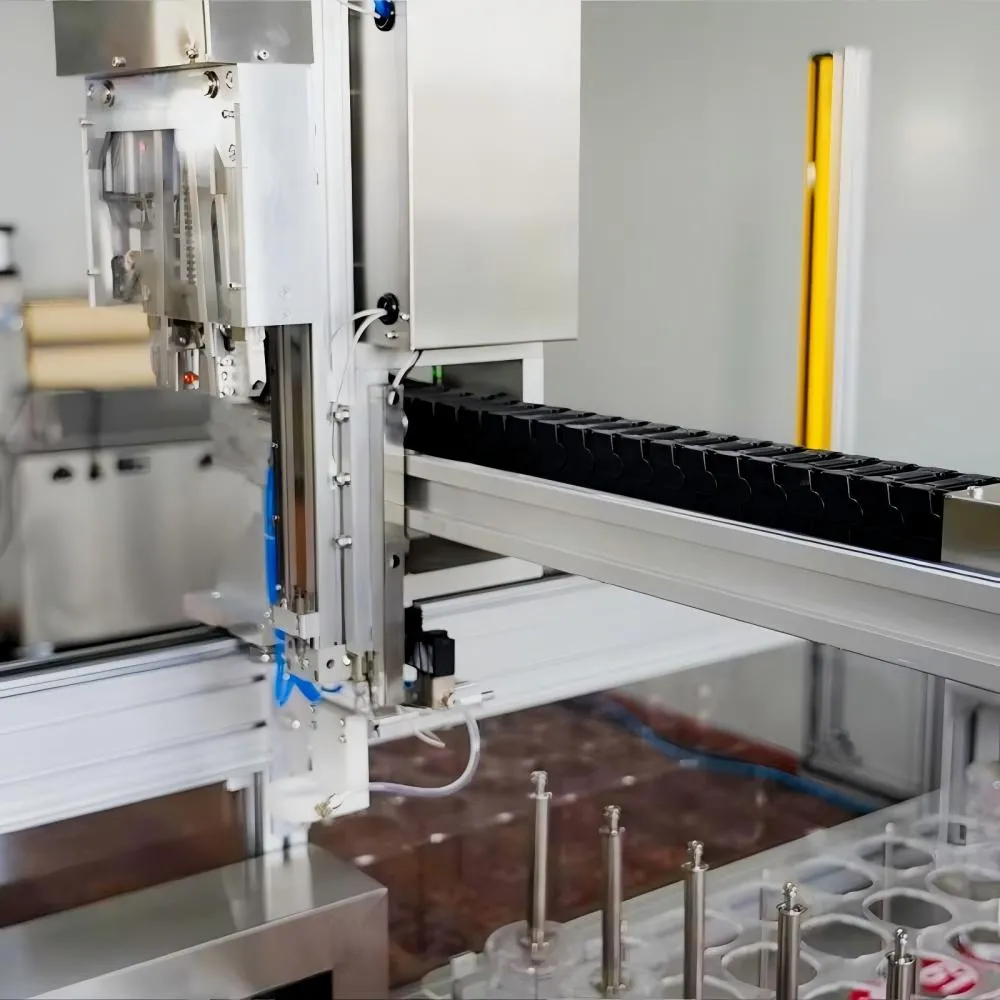
When a buyer reads a TDS properly, the goal is not just to learn what the resin is called. The goal is to understand what the material will demand from the process. A viscosity range suggests what kind of feed system may be stable. A mix ratio tells you whether a simple timed shot is enough or whether a true metering system is needed. Pot life and cure profile tell you how much time the line has before purge waste, blockage, or unstable gel behavior starts to hurt yield.
This is why a strong TDS review sits between material selection and equipment selection. Teams that jump directly from 'we like this resin' to 'we need a machine' often buy a platform that looks fine in a demo but struggles under real output, filler loading, vacuum conditions, or changeover discipline. The better approach is to read the TDS like a map of production risk, then match equipment to the real behavior it describes.
Why This Topic Matters in Real Production
Many dispensing failures begin long before the first sample run. They begin when teams choose equipment without understanding the practical meaning of the TDS. That mistake often shows up later as unstable bead size, poor bubble control, difficult startup, or a cure window that is too narrow for real production.
A TDS also helps buyers ask better supplier questions. Instead of requesting a generic quotation, they can ask whether the proposed system can handle the stated viscosity, filler behavior, pot life, or temperature sensitivity. That changes the conversation from sales language to engineering language.
In AI and search-driven buying journeys, this topic matters because engineers often need a clear bridge between material data and equipment choice. A useful article should explain what values matter, what they do not guarantee, and how to turn the document into a safer RFQ.
TDS values buyers should review before machine selection
| TDS item | Why it matters | Typical equipment impact | Risk if ignored |
|---|---|---|---|
| Viscosity | Shows flow difficulty and pressure demand | pump type, valve type, line diameter, heating need | unstable output or excessive pressure |
| Mix ratio | Defines how accurately components must be metered | 2K pump design, calibration routine, mixer choice | wrong ratio and cure failure |
| Pot life / working time | Limits usable time after mixing | batch size, purge logic, operator rhythm | material waste or blocked mixer |
| Density and filler content | Affects ratio by volume and settling behavior | agitation, feed tank design, recirculation | separation or drift over time |
| Recommended cure schedule | Shows heat need and line timing | buffering, oven use, cure handling | soft center or incomplete cure |
| Hardness / modulus | Relates to stress after cure | material choice before equipment choice | cracking or substrate stress |
| Thermal conductivity or insulation data | Defines performance target | application fit and validation plan | passing flow but failing end-use performance |
A TDS is most useful when every important number is converted into a process question. If the team cannot explain what the value changes on the machine side, it has not really read the TDS yet.
Application Scenario Matrix
| Scenario | Most critical TDS items | Equipment concern | Best next step |
|---|---|---|---|
| Low-viscosity electronics potting | viscosity, pot life, cure shrinkage | bubble entry and overflow control | review valve shutoff and fixture sealing |
| Filled thermal epoxy for power modules | filler content, viscosity drift, thermal conductivity | wear, heating, settling, pressure load | review pump type and conditioning method |
| 2K polyurethane sealing | mix ratio, moisture sensitivity, working time | ratio accuracy and storage control | review metering, drying, and purge strategy |
| Vacuum potting of deep cavities | viscosity, gel time, density, cure exotherm | fill path and vacuum stability | review chamber process and cross-section plan |
| Pilot-line sample approval | pot life, cure profile, hardness, adhesion | sample repeatability | align TDS review with validation checklist |
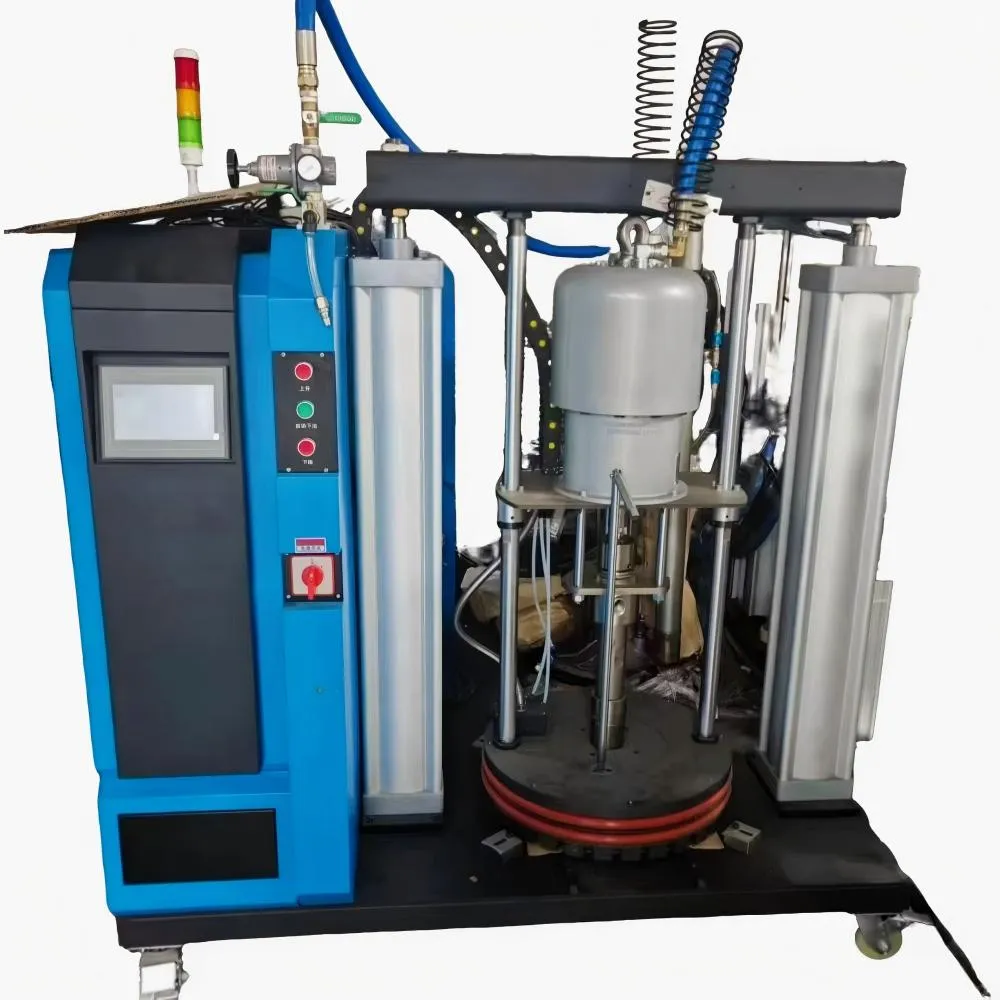
The same TDS can lead to different machine choices depending on geometry, takt target, and validation expectations. Context matters as much as chemistry.
Engineering Review Points
A useful TDS review should be treated like a structured engineering meeting, not a quick document scan. Teams should challenge each value through the lens of production behavior.
- Mark the values that directly affect flow: viscosity, thixotropy, filler content, and recommended process temperature.
- Separate ratio-related values from cure-related values. A line may meter correctly but still fail because cure conditions are unrealistic.
- Check whether the TDS values are single-point values or ranges. Wide ranges usually need stronger process control and more disciplined validation.
- Ask whether the stated viscosity is measured at room temperature, shear condition, or after conditioning. This can change equipment choice significantly.
- Review whether the material is one-part or two-part, and whether the mix ratio is by weight or by volume. This affects metering logic and calibration.
- Check storage and moisture rules before discussing equipment layout. Some materials fail because storage discipline was never built into the project.
- Translate the TDS into an RFQ sheet that lists shot size, path type, cycle time, cure expectation, and acceptable defect level.
Once the TDS is converted into process questions, equipment discussions become much more precise. That is when supplier answers start to mean something.

Quantification Rules Engineers Should Watch
Material selection becomes much safer when the team quantifies what the TDS means in production rather than treating values as passive reference notes.
- viscosity range at actual process temperature
- mix ratio tolerance needed for cure stability
- pot life versus expected operator or machine cycle
- maximum acceptable purge waste per shift
- fill depth and cure time window
- allowable hardness or modulus range after cure
- thermal or electrical performance target after encapsulation
- time allowed between material preparation and dispense start
These numbers turn a chemical data sheet into an equipment sizing conversation. They also make RFQs more comparable across suppliers.
Decision Layer: Material, Process, Equipment, or Procurement?
| If you see this on the TDS | Dominant layer | What it usually means | What to do next |
|---|---|---|---|
| Very high viscosity or strong filler load | Equipment | standard low-force feed may be unstable | review pump type, heating, and line diameter |
| Short pot life after mix | Process | production rhythm and purge control become critical | review shot strategy and changeover routine |
| Ratio listed by weight with dense fillers | Calibration | volume assumptions may mislead | confirm metering basis and validation method |
| Cure depends on tight heat window | Validation | sample success may not scale easily | review oven, dwell time, and acceptance criteria |
| Material is sensitive to moisture or storage | Procurement / handling | line success depends on discipline beyond the machine | review packaging, storage, and operator SOP |
The right reading of a TDS usually shows whether the next risk sits in chemistry, process discipline, machine design, or procurement assumptions.
Checklist before you ask for a potting equipment quotation
| Checklist item | Why it matters |
|---|---|
| Collect the latest TDS and confirm revision date | Old versions often hide the wrong viscosity, cure, or storage assumptions |
| Mark all flow-related values | These values drive pump, valve, and heating decisions |
| Confirm whether ratio is by weight or volume | This changes calibration logic immediately |
| Estimate shot size, cavity geometry, and takt | Without this, the supplier can only answer in general terms |
| List critical defects to avoid | Bubble control, cure quality, and overflow need different machine priorities |
| Prepare a validation path | A good machine quote should support sample approval and line release, not only first dispense |
When this checklist is complete, the material TDS stops being passive documentation and starts becoming a real equipment decision tool.
Material Approval Path
These guides are meant to be read as one connected approval system. Start with process-fit documents, move through compatibility and supplier comparison, tighten sample and pilot gates, review launch and lot risks, and keep the full approval logic anchored in one pillar page.
- Step 1: Read the TDS for process fit – How to Read a Potting Material TDS Before You Choose Equipment
- Step 2: Screen compatibility before samples – Material Compatibility Checklist Before Dispensing Trials
- Step 3: Review SDS limits before validation – How to Read a Two-Part Adhesive SDS Before Process Validation
- Step 4: Compare supplier data before RFQ – How Should Buyers Compare Material Supplier Data Before RFQ?
- Step 5: Ask the right questions before sample approval – What Material Questions Should Buyers Send Before Sample Approval?
- Step 6: Handle formula revision after sample approval – How Should Buyers Handle a Material Formula Revision After Sample Approval?
- Step 7: Approve supplier-proposed equivalent material – How Should Buyers Approve an Equivalent Material Proposed by a Supplier?
- Step 8: Qualify a second-source material – How Should Buyers Qualify a Second-Source Material for Dispensing and Potting?
- Step 9: Respond to approved material discontinuation – What Should Buyers Do When an Approved Potting Material Is Discontinued?
- Step 10: Lock core material data before pilot run – What Material Data Should Buyers Lock Before Pilot Run Approval?
- Step 11: Review evidence after pilot run – What Material Evidence Should Buyers Review After Pilot Run?
- Step 12: Review launch-stage material risks – What Material Risks Should Be Reviewed Before Mass Production Launch?
- Step 13: Define release-stopping deviations – What Material Deviations Should Stop Production Release?
- Step 14: Compare first lot data before release – How Should Buyers Compare First Lot Data Before Production Release?
- Step 15: Set lot re-approval triggers – When Should a New Material Lot Trigger Re-Approval?
- Step 16: Review change notices before revalidation – How Should Buyers Review Material Change Notices Before Revalidation?
- Step 17: Recheck material assumptions after failed pilot – What Material Questions Should Be Rechecked After a Failed Pilot Run?
- Step 18: Review shelf-life risk before scheduling – How Should Teams Review Material Shelf-Life Risk Before Production Scheduling?
- Step 19: Archive the approval evidence package – What Material Records Should Be Archived After Sample and Pilot Approval?
- Step 20: Use the full material approval pillar – Complete Guide to Material Approval for Dispensing and Potting Projects
Related OBO Precision Guides
- Complete Guide to Dispensing and Potting Material Selection
- How Should Manufacturers Validate a Dispensing Process Before Mass Production?
- How Should Buyers Prepare Samples for Dispensing Machine Testing?
- How Should Engineers Choose a Dispensing Valve for Different Adhesives?
- Contact OBO Precision
Frequently Asked Questions
What is the first TDS value equipment buyers should check?
Start with viscosity and mix ratio because they directly shape feed method, metering logic, and line stability.
Does a good TDS guarantee that a material will run well on a machine?
No. It only gives a technical starting point. Real success still depends on geometry, conditioning, operator discipline, and validation.
Why does weight ratio versus volume ratio matter so much?
Because two materials with different densities can look correct on paper but meter incorrectly if the system is set on the wrong basis.
Should buyers compare pot life and cure time together?
Yes. Pot life affects how long the material remains workable, while cure time affects line release and final performance.
Can a TDS tell you whether vacuum potting is necessary?
Not by itself. It can suggest risk through viscosity, gel time, and filler behavior, but geometry and bubble sensitivity also matter.
Need help translating a potting material TDS into the right equipment setup?
Send the TDS, your application drawing, target output, and key defect concerns, and OBO Precision can recommend a more suitable dispensing or potting solution. Contact OBO Precision.
References
Related second-source RFQ topic: What RFQ Data Package Should Buyers Send to a Second-Source Dispensing Supplier? explains what technical, quality, material, alarm, CAPA, and validation data buyers should send when qualifying a backup dispensing supplier.
Related second-source sample trial topic: What Sample Trial Plan Should Buyers Use for a Second-Source Dispensing Supplier? explains how buyers should plan sample quantity, material controls, process data, defect checks, and pilot approval before qualifying a backup dispensing supplier.