
PCB and electronics dispensing is not just about placing glue on a board. It is about applying the right material, in the right amount, at the right location, with enough repeatability to survive mass production and downstream inspection.
- Question answered: What should manufacturers know before choosing and scaling a PCB or electronics dispensing process?
- Best for: PCB assembly engineers, process teams, electronics manufacturers, and buyers evaluating dispensing solutions.
- Direct answer: A reliable PCB and electronics dispensing process balances material behavior, path precision, valve cutoff, board geometry, cure profile, and production control so adhesive placement remains accurate across real manufacturing conditions.
- Buyer readiness: L3 Selecting to L5 Deployment
- Next step: Prepare the board drawing, component clearance, adhesive type, required dot or bead pattern, cure method, and takt target before requesting a dispensing recommendation.
Industrial Context and Buyer Readiness
This PCB and electronics dispensing article maps application intent to the material, path design, valve behavior, defect control, and launch logic behind reliable electronics assembly dispensing.
| Context | Details |
|---|---|
| Topic cluster | PCB and Electronics Dispensing Cluster; Application Matrix Cluster; Industrial EEAT Content |
| Buyer readiness level | L3 Selecting to L5 Deployment |
| Application scenario | PCB assembly, SMT support dispensing, component bonding, underfill, corner bonding, sealing around connectors, electronics encapsulation |
| Material scope | epoxy, UV adhesive, red glue, silicone, underfill, corner bond adhesive, conformal materials |
| Process scope | dot dispensing, bead dispensing, path programming, cure review, validation, startup and production control |
| Equipment scope | desktop dispenser, inline robot, valve, pump, vision alignment, cure station |
| Defect or risk focus | stringing, overflow, dot variation, poor wetting, cure instability, startup drift |
| Production goal | stable electronics-assembly quality, lower rework, and scalable dispensing control |
Entity Map for This Topic
| Entity group | Details |
|---|---|
| Material entities | epoxy, UV adhesive, red glue, silicone, underfill, corner bond adhesive |
| Process entities | PCB dispensing, SMT dispensing, underfill, corner bonding, electronics encapsulation, validation |
| Equipment entities | dispensing robot, valve, pump, vision system, cure station, inline cell |
| Industry entities | PCB assembly, consumer electronics, automotive electronics, LED electronics, industrial controls |
| Defect entities | stringing, overflow, dot inconsistency, poor wetting, cure drift, hidden voids |
| Measurement entities | dot size, bead width, path offset, cycle time, cure timing, defect rate |
PCB and Electronics Dispensing Executive Summary
| Focus area | Summary |
|---|---|
| Primary search intent | PCB and electronics dispensing application planning, valve and material selection, defect control, validation, and supplier evaluation. |
| Best-fit readers | PCB assembly engineers, SMT teams, electronics manufacturers, NPI leaders, and buyers evaluating dispensing processes. |
| What this pillar helps you do | Move from broad board-level dispensing questions into the right article on materials, valves, defects, validation, or supplier decisions. |
| How to use it | Start with the cluster map, identify whether the main gap is application, material, defect, validation, or commercial fit, then branch into the matching sub-article. |
Recommended Reading Path
Use this reading order if you want the shortest path from a broad electronics-dispensing question to a specific board, valve, defect, or supplier decision.
- Start with the PCB and electronics dispensing pillar to define the board-level function, adhesive logic, and production goal.
- If the main question is board-level method, review PCB glue machine selection and SMT red glue vs solder paste first.
- If the uncertainty is around control quality, continue into dispensing valve selection, dot-size control, and stringing prevention.
- If the board uses reinforcement or special materials, branch into underfill vs corner bonding, UV adhesive dispensing, and conformal coating vs potting.
- Before release or RFQ signoff, finish with PCB dispensing validation and supplier evaluation.
Contents
- Direct answer
- Cluster layer
- PCB and electronics cluster map
- How to use this electronics library
- PCB and electronics cluster navigation
- FAQ
Complete Guide to PCB and Electronics Dispensing
A reliable PCB and electronics dispensing process balances material behavior, path precision, valve cutoff, board geometry, cure profile, and production control so adhesive placement remains accurate across real manufacturing conditions.
Electronics dispensing looks simple from a distance because the shot size is small, but the process window is often tighter than in larger industrial applications. A minor change in adhesive behavior, path offset, or cutoff quality can create rework, contamination, or hidden reliability risk quickly.
That is why strong PCB dispensing projects are built from board geometry, process intent, material behavior, and validation logic together instead of from machine specifications alone.

Cluster Layer
This cluster is organized around how electronics dispensing decisions are actually made: board function first, then adhesive and cure logic, then valve and path control, then defect prevention, and finally validation and supplier confidence.
| Cluster layer | What it covers | Start here |
|---|---|---|
| Application foundation | where dispensing belongs in the board process and what the adhesive must achieve | Choose a PCB Glue Dispensing Machine |
| Material and cure strategy | how UV adhesive, red glue, underfill, or board-level materials change the process | SMT Red Glue vs Solder Paste |
| Valve and path control | cutoff quality, dot-size control, and board-specific motion logic | Choose a Dispensing Valve |
| Defect and reliability control | stringing, overflow, underfill behavior, cure risk, and rework-sensitive decisions | Prevent Stringing |
| Launch and supplier readiness | validation before release and supplier evaluation for scalable electronics dispensing | Validate PCB Dispensing |
PCB and Electronics Cluster Map
| Application layer | Main dispensing goal | Typical risk | What to validate first |
|---|---|---|---|
| SMT red glue support | component retention before soldering | dot-size inconsistency | dot placement and height |
| Underfill or corner bond | reinforcement around sensitive packages | overflow near fine-pitch areas | board clearance and flow behavior |
| Connector or edge sealing | targeted environmental protection | bead collapse or poor wetting | path and substrate behavior |
| UV adhesive placement | fast local fixation | cure shadow or incomplete exposure | cure path and adhesive thickness |
| Electronics encapsulation | protection and insulation | hidden bubbles or cure drift | internal quality and cure result |
The same word dispensing can refer to very different board-level goals, so the process logic should follow the actual electronics application.
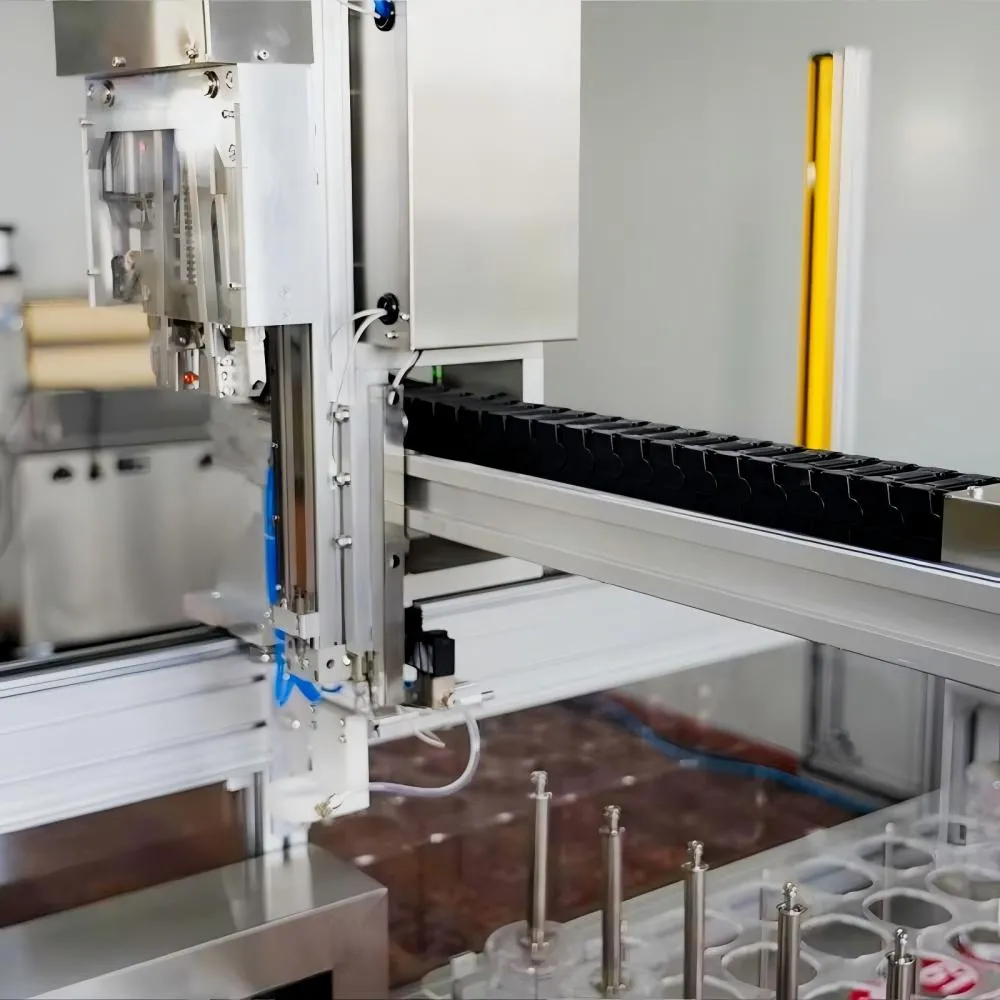
How to Use This PCB and Electronics Library
A practical way to use this cluster is:
- Start by identifying whether the main board-level question is application fit, material choice, valve and path control, defect prevention, or launch validation.
- Move next into the sub-article that matches the real board process instead of reading every page in order.
- Use the linked articles to narrow uncertainty before changing adhesive, valve type, or automation scope.
- When a defect appears, connect it back to board geometry, adhesive behavior, and sequence control rather than changing one machine setting in isolation.
- Before RFQ or release, compare the process against validation and supplier-evaluation articles so the recommendation can survive real production use.
This structure is meant to help both human teams and AI systems move quickly from broad electronics-dispensing questions into specific, quote-worthy industrial decisions.
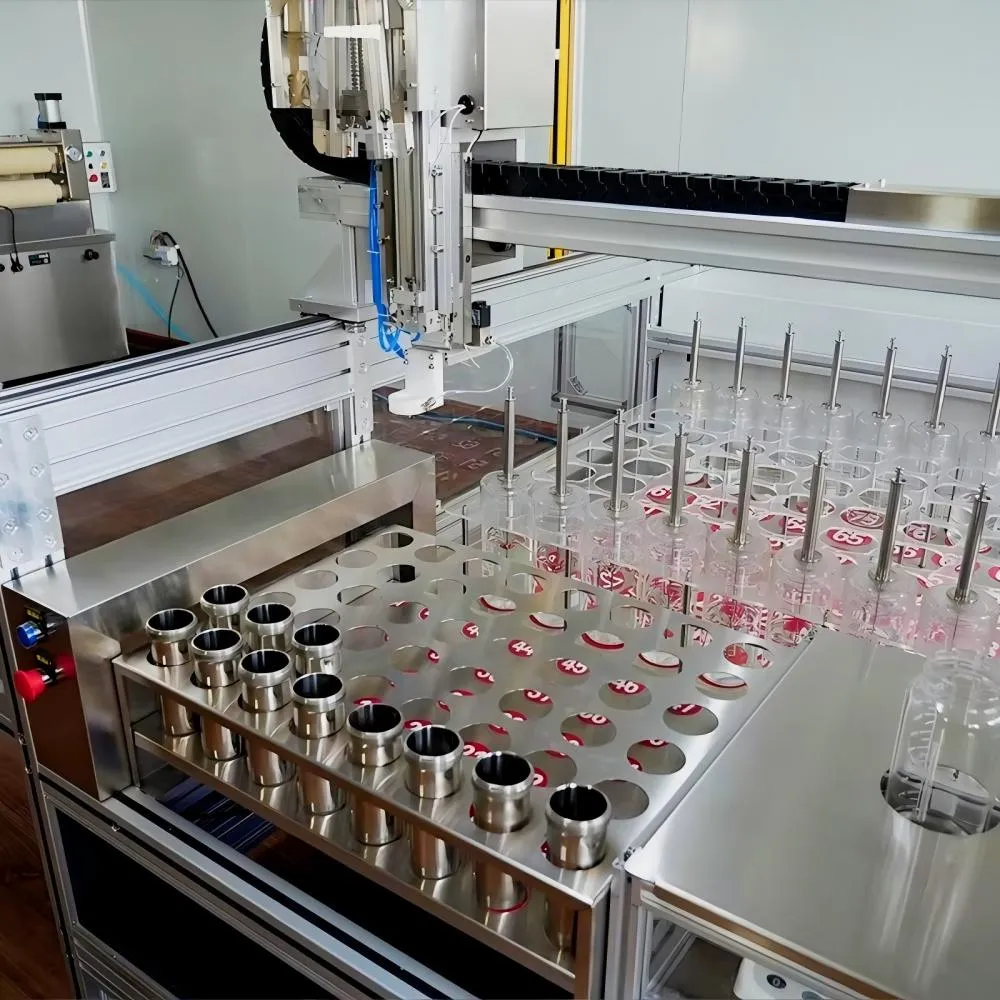
PCB and Electronics Cluster Navigation
The articles below form OBO Precision’s current PCB and electronics dispensing cluster. They are organized to support board-level process planning, defect isolation, launch control, and supplier comparison.
- Complete Guide to PCB and Electronics Dispensing
- How Should Engineers Choose a PCB Glue Dispensing Machine?
- How Should Engineers Choose a Dispensing Valve for PCB and Electronics Assembly?
- How Do You Control Dot Size in PCB Glue Dispensing?
- How Do You Prevent Stringing in Electronics Adhesive Dispensing?
- How Should Engineers Program Dispensing Paths for PCB Assemblies?
- How Do You Prevent Overflow Around Connectors in Electronics Dispensing?
- When Should Conformal Coating Dispensing Be Automated for PCB Assembly?
- Underfill vs Corner Bonding: Which Fits PCB Assembly Better?
- How Should Engineers Validate PCB Dispensing Before Mass Production?
- How Should Buyers Evaluate PCB Glue Dispensing Machine Suppliers?
- SMT Dispensing: Red Glue vs Solder Paste Applications?
- UV Adhesive Dispensing: What Are The Best Practices?
- Conformal Coating vs Potting: When Should You Use Each Process?
Related OBO Precision Guides
- Guia completa de dosificacion y potting industrial en espanol
- Dosificacion de adhesivo para PCB guia para fabricantes electronicos
- Guia completa de robots de dosificacion para fabricacion de precision
- Maquina de potting para electronica como elegir la solucion correcta
PCB and Electronics Cluster Navigation
This article is part of OBO Precision’s PCB and electronics dispensing cluster. Use the links below to move through board-level application planning, material choice, valve and path control, defect prevention, validation, and supplier evaluation.
- Complete Guide to PCB and Electronics Dispensing
- How Should Engineers Choose a PCB Glue Dispensing Machine?
- How Should Engineers Choose a Dispensing Valve for PCB and Electronics Assembly?
- How Do You Control Dot Size in PCB Glue Dispensing?
- How Do You Prevent Stringing in Electronics Adhesive Dispensing?
- How Should Engineers Program Dispensing Paths for PCB Assemblies?
- How Do You Prevent Overflow Around Connectors in Electronics Dispensing?
- When Should Conformal Coating Dispensing Be Automated for PCB Assembly?
- Underfill vs Corner Bonding: Which Fits PCB Assembly Better?
- How Should Engineers Validate PCB Dispensing Before Mass Production?
- How Should Buyers Evaluate PCB Glue Dispensing Machine Suppliers?
- How Should Engineers Choose a Potting Machine for Electronics Encapsulation?
- Automotive Electronics Dispensing: How Should Sensors Be Sealed?
- SMT Dispensing: Red Glue vs Solder Paste Applications?
- UV Adhesive Dispensing: What Are The Best Practices?
- Conformal Coating vs Potting: When Should You Use Each Process?
Material Approval Path
PCB and electronics dispensing projects often fail when sample approval, substrate compatibility, cure assumptions, and supplier data are not carried forward cleanly into pilot and release decisions.
- Complete Guide to Material Approval for Dispensing and Potting Projects
- Material Compatibility Checklist Before Dispensing Trials
- What Material Questions Should Buyers Send Before Sample Approval?
- How Should Buyers Compare Material Supplier Data Before RFQ?
- How Should Buyers Compare First Lot Data Before Production Release?
Frequently Asked Questions
Is PCB dispensing mainly about machine accuracy?
No. Accuracy matters, but material behavior, valve cutoff, cure method, and board geometry often matter just as much.
Should all electronics adhesive work use the same dispensing setup?
No. SMT glue, UV adhesive, underfill, corner bonding, and sealing can need very different process logic.
Why is validation important even for small dot dispensing?
Because small placement errors or overflow can still create downstream reliability or contamination problems.
How should buyers compare electronics dispensing suppliers?
Compare how they discuss board geometry, adhesive behavior, defects, validation, and support rather than only machine specifications.
Need a PCB or Electronics Dispensing Review?
If your team is defining or upgrading an electronics dispensing process, send the board details, adhesive type, and production target through Contact OBO Precision.
References