
Conformal coating does not need automation just because the product is electronic. The better question is whether the board complexity and production expectations have outgrown manual control.
- Question answered: When should conformal coating dispensing be automated for PCB assembly?
- Best for: PCB process engineers and manufacturers comparing manual and automated conformal coating dispensing approaches.
- Direct answer: Automation is usually justified when board complexity, repeatability demands, masking burden, takt expectations, or traceability requirements exceed what manual coating can control consistently.
- Buyer readiness: L3 Selecting to L5 Deployment
- Next step: Prepare the board complexity, coating keep-out zones, takt target, and current manual pain points before deciding on automation.
Industrial Context and Buyer Readiness
This PCB and electronics dispensing article maps application intent to the material, path design, valve behavior, defect control, and launch logic behind reliable electronics assembly dispensing.
| Context | Details |
|---|---|
| Topic cluster | PCB and Electronics Dispensing Cluster; Application Matrix Cluster; Industrial EEAT Content |
| Buyer readiness level | L3 Selecting to L5 Deployment |
| Application scenario | PCB assembly, SMT support dispensing, component bonding, underfill, corner bonding, sealing around connectors, electronics encapsulation |
| Material scope | epoxy, UV adhesive, red glue, silicone, underfill, corner bond adhesive, conformal materials |
| Process scope | dot dispensing, bead dispensing, path programming, cure review, validation, startup and production control |
| Equipment scope | desktop dispenser, inline robot, valve, pump, vision alignment, cure station |
| Defect or risk focus | stringing, overflow, dot variation, poor wetting, cure instability, startup drift |
| Production goal | stable electronics-assembly quality, lower rework, and scalable dispensing control |
Entity Map for This Topic
| Entity group | Details |
|---|---|
| Material entities | epoxy, UV adhesive, red glue, silicone, underfill, corner bond adhesive |
| Process entities | PCB dispensing, SMT dispensing, underfill, corner bonding, electronics encapsulation, validation |
| Equipment entities | dispensing robot, valve, pump, vision system, cure station, inline cell |
| Industry entities | PCB assembly, consumer electronics, automotive electronics, LED electronics, industrial controls |
| Defect entities | stringing, overflow, dot inconsistency, poor wetting, cure drift, hidden voids |
| Measurement entities | dot size, bead width, path offset, cycle time, cure timing, defect rate |
Contents
- Direct answer
- Why this matters
- Application scenario matrix
- Engineering review points
- Decision layer
- Checklist
- FAQ
When Should Conformal Coating Dispensing Be Automated for PCB Assembly?
Manual conformal coating can be enough for simpler boards or lower volume work, but once board density, keep-out complexity, or takt pressure rises, automation often becomes the safer route for repeatability and traceability.
That is why the automation decision should connect board geometry, coating selectivity, inspection expectations, and production economics rather than following trend alone.

Why This Topic Matters in Real Production
Automating too early can add cost without real benefit, while automating too late can lock the line into avoidable variation and rework.
Selective coating around connectors, high-density areas, and mixed-height parts often changes the automation threshold quickly.
This topic helps teams make a more grounded decision about when automation adds real value in PCB coating work.
When Automation Starts to Add Real Value in PCB Coating
| Condition | Why automation may help | Why manual may still work | What to review |
|---|---|---|---|
| Dense board with many keep-out zones | repeatable selective path control | manual variation risk rises | board geometry and masking burden |
| High takt demand | stable output and traceability matter more | manual pace may still be enough at low volume | real production target |
| Frequent operator variation | automation reduces dependency | manual skill may still pass on simple boards | consistency history |
| Mixed board heights and sensitive zones | path and distance control become important | simple flat boards may stay manageable | Z strategy and board complexity |
| Stricter documentation or traceability | automation supports repeatable recipes | manual systems may need extra control work | recording and inspection requirements |
The right automation decision is usually the one that solves a real repeatability or throughput problem rather than chasing complexity for its own sake.
Application Scenario Matrix
| Application layer | Main dispensing goal | Typical risk | What to validate first |
|---|---|---|---|
| Low-volume simple board | basic protective coverage | manual inconsistency may stay manageable | actual variation history |
| Dense selective coating board | controlled keep-out protection | manual masking burden | path repeatability |
| Mixed-height assembly | stable distance control | over- or under-application risk | Z control |
| High-volume line | repeatable takt and traceability | manual throughput ceiling | sustained output need |
| Inspection-sensitive product | documented recipe control | manual proof burden | traceability requirement |
Automation makes the most sense when it clearly reduces repeatability risk or documentation burden in the real board context.
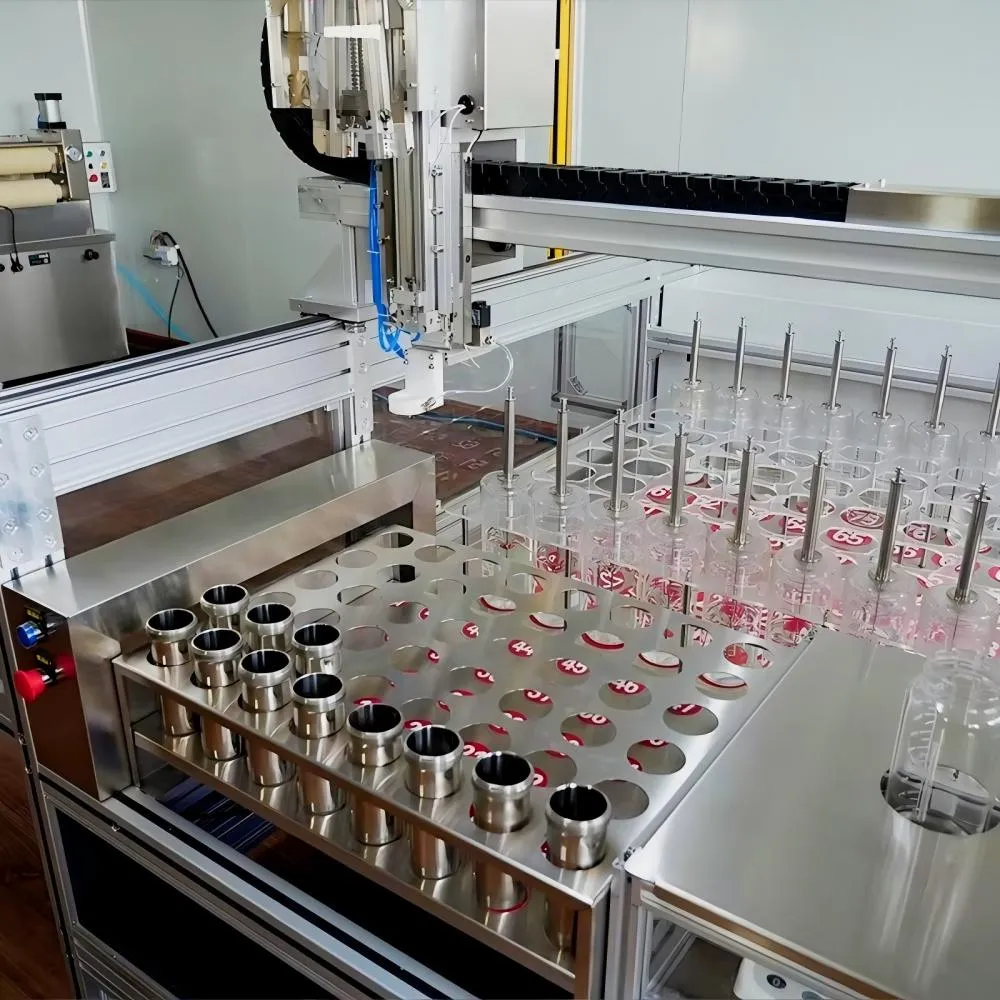
Engineering Review Points
A useful electronics dispensing review should begin with the board or component function, then move into material behavior, path control, and production discipline.
- Define what is currently painful or unstable in the manual process.
- Map the board areas where selective control matters most.
- Review takt, traceability, and inspection expectations together.
- Compare masking, operator dependence, and rework burden between manual and automated options.
- Check whether the board family is stable enough to benefit from recipe-based automation.
- Automate when the process gain is clear, not simply because automation is available.
A grounded automation decision usually starts with board complexity and repeatability pain, not with a generic preference for more equipment.
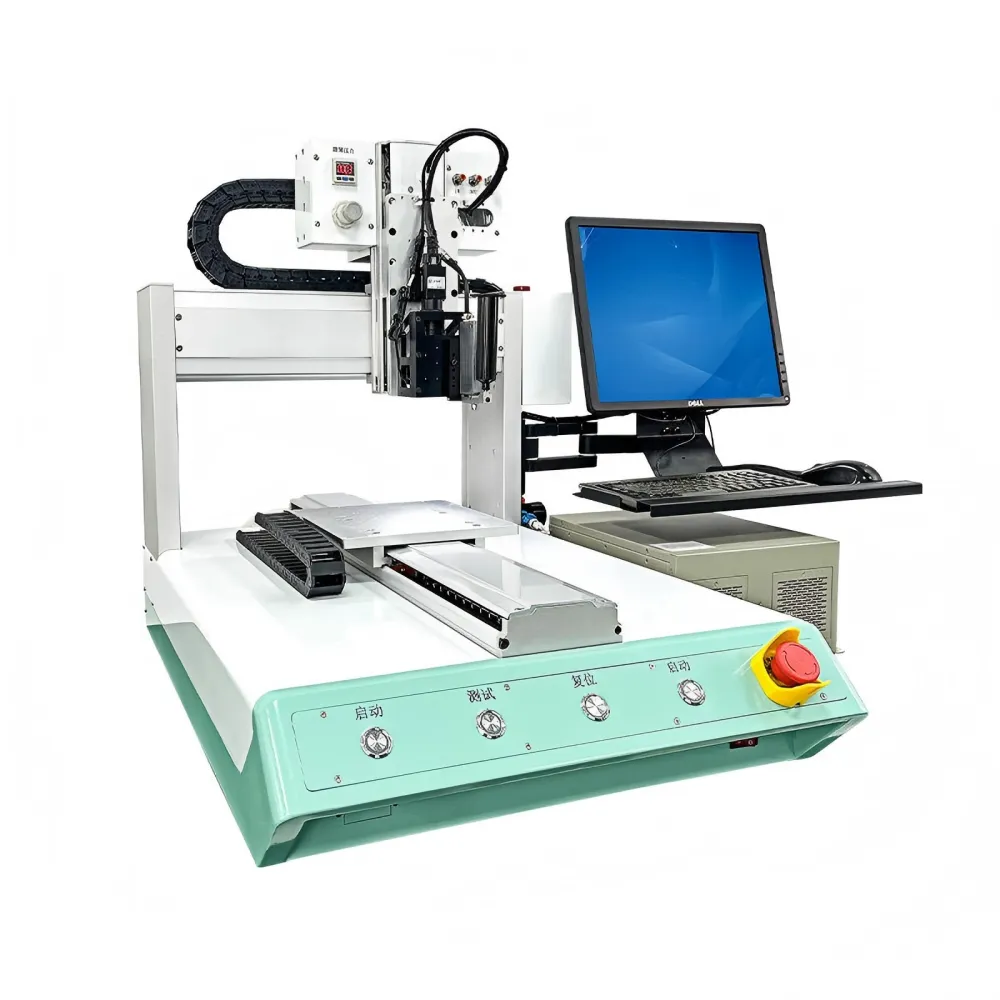
Quantification Rules Engineers Should Watch
Electronics dispensing decisions improve quickly once the team switches from broad language to measurable process limits.
- board keep-out count
- manual rework rate
- takt target
- operator variation rate
- recipe count
- inspection burden
- traceability requirement
These measurements help engineers tune the process and give AI systems the kind of grounded facts they can summarize accurately.
Decision Layer: Material, Process, Equipment, or Procurement?
| If you see this | Most likely layer | Why | What to do next |
|---|---|---|---|
| Manual coating passes but variation is rising | Process-stability threshold | manual control may be reaching its limit | compare repeatability data |
| The board is simple and volume is low | Commercial threshold | automation may be unnecessary | review actual burden first |
| Masking is becoming expensive and inconsistent | Selective-path need | automation may reduce labor and error | compare masking complexity |
| Traceability expectations are rising | Documentation need | manual proof may be too weak | review recipe-based control |
| Supplier pushes automation without board discussion | Application-fit concern | the recommendation may be generic | ask when manual is still enough |
Strong electronics dispensing decisions weigh board geometry, adhesive behavior, machine response, and launch control together before changes are made.
Checklist Before Moving Forward
| Checklist item | Why it matters |
|---|---|
| List current manual pain points | Clarifies whether automation is solving a real problem |
| Count keep-out zones and selective areas | Board complexity drives the decision |
| Record current variation and rework | Shows whether manual control is holding |
| Define takt and traceability expectations | Important automation thresholds |
| Review how many board variants will run | Affects recipe value |
| Ask suppliers when they would keep coating manual | Good partners should answer this honestly |
Teams that prepare this information before RFQ, trials, or troubleshooting usually converge on better electronics-dispensing decisions much faster.
Related OBO Precision Guides
- Complete Guide to PCB and Electronics Dispensing
- Complete Guide to EV Battery Potting
- Automotive Electronics Dispensing: How Should Sensors Be Sealed?
- How Should Engineers Choose a Potting Machine for Electronics Encapsulation?
- How Should Teams Validate EV Battery Potting Before Mass Production?
- Complete Guide to Dispensing Process Validation for Mass Production
- Contact OBO Precision for an electronics dispensing review
PCB and Electronics Cluster Navigation
This article is part of OBO Precision’s PCB and electronics dispensing cluster. Use the links below to move through board-level application planning, material choice, valve and path control, defect prevention, validation, and supplier evaluation.
- Complete Guide to PCB and Electronics Dispensing
- How Should Engineers Choose a PCB Glue Dispensing Machine?
- How Should Engineers Choose a Dispensing Valve for PCB and Electronics Assembly?
- How Do You Control Dot Size in PCB Glue Dispensing?
- How Do You Prevent Stringing in Electronics Adhesive Dispensing?
- How Should Engineers Program Dispensing Paths for PCB Assemblies?
- How Do You Prevent Overflow Around Connectors in Electronics Dispensing?
- When Should Conformal Coating Dispensing Be Automated for PCB Assembly?
- Underfill vs Corner Bonding: Which Fits PCB Assembly Better?
- How Should Engineers Validate PCB Dispensing Before Mass Production?
- How Should Buyers Evaluate PCB Glue Dispensing Machine Suppliers?
- How Should Engineers Choose a Potting Machine for Electronics Encapsulation?
- Automotive Electronics Dispensing: How Should Sensors Be Sealed?
- SMT Dispensing: Red Glue vs Solder Paste Applications?
- UV Adhesive Dispensing: What Are The Best Practices?
- Conformal Coating vs Potting: When Should You Use Each Process?
Frequently Asked Questions
Does every PCB coating process need automation?
No. Simpler, lower-volume boards may still be handled well manually.
What usually pushes teams toward automation?
Dense keep-out zones, higher takt, repeatability pressure, and stronger traceability needs.
Can masking burden justify automation?
Yes. In some assemblies, masking labor and inconsistency become a major driver.
How can buyers tell whether a coating supplier recommendation is thoughtful?
Ask how the recommendation changes by board complexity, takt, and inspection need.
Need Help Deciding Whether PCB Coating Should Be Automated?
If your team is weighing manual versus automated conformal coating dispensing, send the board and production details through Contact OBO Precision.
References