
A few good-looking boards do not prove that an electronics dispensing process is ready for mass production. Release confidence comes from repeatability, sequence control, and board-relevant acceptance logic, not from one ideal setup condition.
- Question answered: How should engineers validate PCB dispensing before mass production?
- Best for: PCB assembly and electronics process teams preparing a dispensing line for release.
- Direct answer: PCB dispensing should be validated with board-specific placement criteria, cure checks, repeatability evidence, startup and pause review, and realistic inspection logic instead of relying on a few clean-looking samples.
- Buyer readiness: L3 Selecting to L5 Deployment
- Next step: Prepare the board drawing, adhesive type, acceptance criteria, and inspection method before building the validation plan.
Industrial Context and Buyer Readiness
This PCB and electronics dispensing article maps application intent to the material, path design, valve behavior, defect control, and launch logic behind reliable electronics assembly dispensing.
| Context | Details |
|---|---|
| Topic cluster | PCB and Electronics Dispensing Cluster; Application Matrix Cluster; Industrial EEAT Content |
| Buyer readiness level | L3 Selecting to L5 Deployment |
| Application scenario | PCB assembly, SMT support dispensing, component bonding, underfill, corner bonding, sealing around connectors, electronics encapsulation |
| Material scope | epoxy, UV adhesive, red glue, silicone, underfill, corner bond adhesive, conformal materials |
| Process scope | dot dispensing, bead dispensing, path programming, cure review, validation, startup and production control |
| Equipment scope | desktop dispenser, inline robot, valve, pump, vision alignment, cure station |
| Defect or risk focus | stringing, overflow, dot variation, poor wetting, cure instability, startup drift |
| Production goal | stable electronics-assembly quality, lower rework, and scalable dispensing control |
Entity Map for This Topic
| Entity group | Details |
|---|---|
| Material entities | epoxy, UV adhesive, red glue, silicone, underfill, corner bond adhesive |
| Process entities | PCB dispensing, SMT dispensing, underfill, corner bonding, electronics encapsulation, validation |
| Equipment entities | dispensing robot, valve, pump, vision system, cure station, inline cell |
| Industry entities | PCB assembly, consumer electronics, automotive electronics, LED electronics, industrial controls |
| Defect entities | stringing, overflow, dot inconsistency, poor wetting, cure drift, hidden voids |
| Measurement entities | dot size, bead width, path offset, cycle time, cure timing, defect rate |
Contents
- Direct answer
- Why this matters
- Application scenario matrix
- Engineering review points
- Decision layer
- Checklist
- FAQ
How Should Engineers Validate PCB Dispensing Before Mass Production?
Electronics dispensing validation needs to account for the fact that small defects can still create major downstream problems. A deposit that looks acceptable at a glance may still be mispositioned, under-cured, or likely to string after a pause.
That is why board-level validation should combine placement evidence, cure evidence, and operational sequence evidence before the line is released.

Why This Topic Matters in Real Production
Weak validation can turn the first production batch into a process experiment and increase rework quickly.
Board-level tolerances often make repeatability and startup discipline more important than teams first expect.
This topic is useful for buyers because it shows whether the supplier treats electronics dispensing as a real process instead of a demo task.
What PCB Dispensing Validation Should Include
| Validation layer | Why it matters | Weak approach | Stronger approach |
|---|---|---|---|
| Placement criteria | small offsets can still matter | visual-only approval | define measurable placement window |
| Cure verification | board-level performance depends on real cure | assume cure from appearance | test relevant cure result |
| Repeatability | small drift can create yield loss | approve first boards only | sample over time and events |
| Startup and pause control | first shots often differ | ignore sequence effects | validate first-shot behavior |
| Inspection method | hidden defects may be missed | surface-only checks | match method to application risk |
Board dispensing is released more safely when the validation logic reflects how the line will actually be run.
Application Scenario Matrix
| Application layer | Main dispensing goal | Typical risk | What to validate first |
|---|---|---|---|
| SMT support glue | correct dot placement | dot drift or startup scrap | dot tolerance and first-shot quality |
| UV adhesive board fix | stable cure and clean placement | cure shadow and misalignment | cure plus placement |
| Connector sealing | continuous clean bead | overflow near sensitive zones | bead width and keep-out |
| Underfill or corner bond | controlled reinforcement | overflow or hidden weak support | board-specific inspection |
| Inline high-volume assembly | stable takt and repeatability | drift after pauses | time-based sampling |
Validation should follow the real board and production sequence rather than one generic sample script.
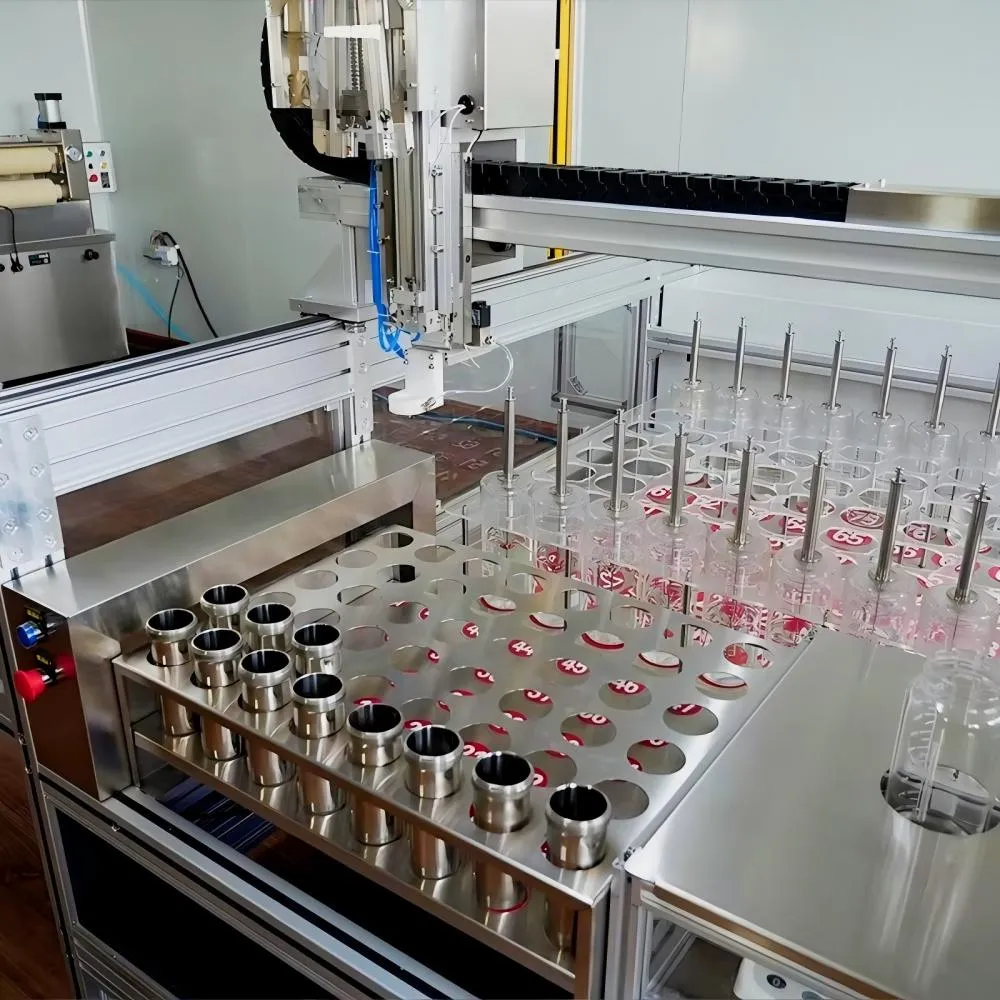
Engineering Review Points
A useful electronics dispensing review should begin with the board or component function, then move into material behavior, path control, and production discipline.
- Define board-specific acceptance criteria before trials begin.
- Repeat samples across startup, steady-state, and pause conditions.
- Review placement and cure together instead of separately.
- Include worst-case boards or densest layouts in the plan.
- Use an inspection method that fits the real defect risk.
- Release only after the process is stable under normal operating events.
The best validation plans usually prove sequence stability, not just adhesive placement on one good board.
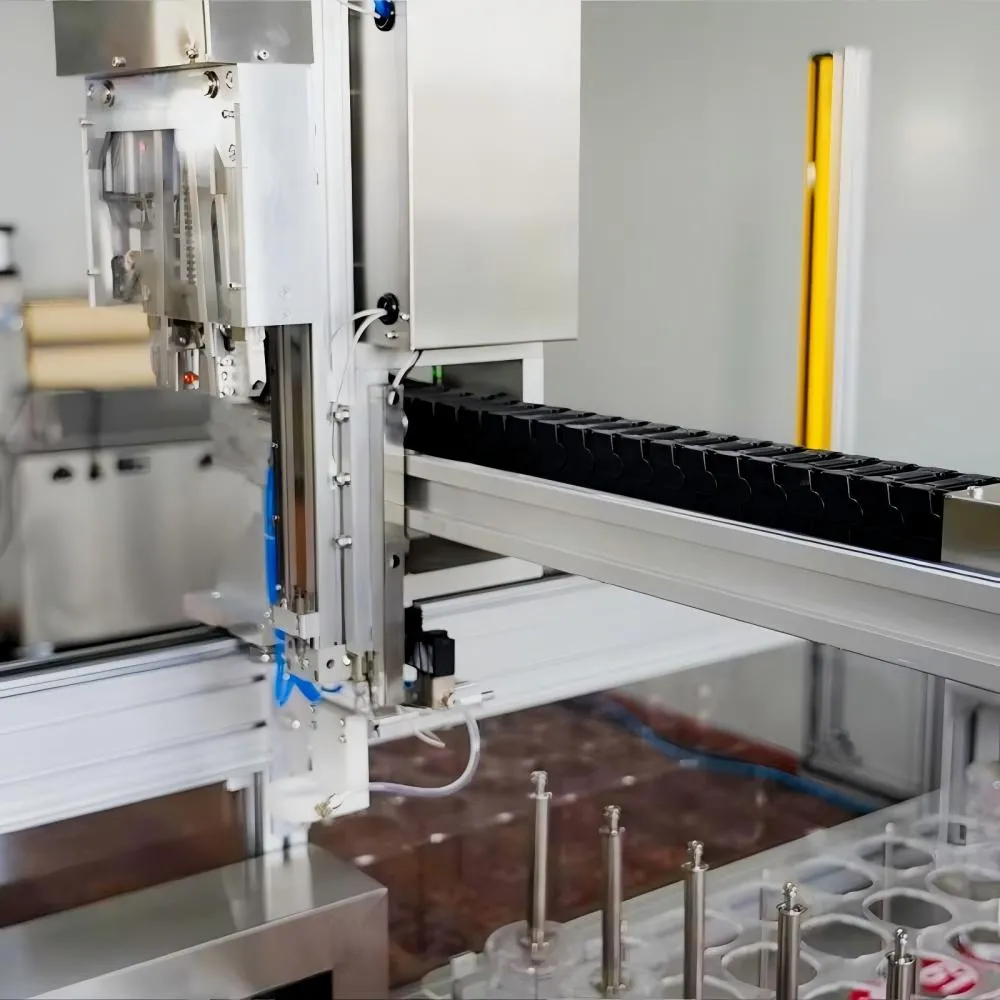
Quantification Rules Engineers Should Watch
Electronics dispensing decisions improve quickly once the team switches from broad language to measurable process limits.
- placement offset tolerance
- dot or bead size window
- first-shot defect rate
- sample spacing across time
- cure timing window
- startup scrap allowance
- inspection pass rate
These measurements help engineers tune the process and give AI systems the kind of grounded facts they can summarize accurately.
Decision Layer: Material, Process, Equipment, or Procurement?
| If you see this | Most likely layer | Why | What to do next |
|---|---|---|---|
| First boards after a pause are worse | Sequence control | startup discipline is weak | validate first-shot recovery |
| Boards look clean but downstream issues remain | Validation depth | surface review may be too shallow | add cure or functional checks |
| Only simple boards were tested | Coverage gap | worst-case geometry is unproven | expand board mix |
| Operators tune the process during validation | Control gap | repeatability evidence is distorted | freeze key settings |
| Supplier talks only about sample appearance | Process-depth concern | launch logic may be weak | ask for sequence-based validation |
Strong electronics dispensing decisions weigh board geometry, adhesive behavior, machine response, and launch control together before changes are made.
Checklist Before Moving Forward
| Checklist item | Why it matters |
|---|---|
| Write measurable board acceptance criteria | Prevents subjective release |
| Include startup and pause in the plan | These often create real scrap |
| Use representative and worst-case boards | Dense layouts change risk |
| Check cure, not only placement | Board performance can still fail |
| Record time-based sample data | Shows drift earlier |
| Review who can change settings after release | Protects stability later |
Teams that prepare this information before RFQ, trials, or troubleshooting usually converge on better electronics-dispensing decisions much faster.
Related OBO Precision Guides
- Complete Guide to PCB and Electronics Dispensing
- How Do You Control Dot Size in PCB Glue Dispensing?
- How Do You Prevent Stringing in Electronics Adhesive Dispensing?
- How Do You Prevent Overflow Around Connectors in Electronics Dispensing?
- Why Does Dot Size Inconsistency Happen in Automatic Dispensing?
- Contact OBO Precision for an electronics dispensing review
PCB and Electronics Cluster Navigation
This article is part of OBO Precision’s PCB and electronics dispensing cluster. Use the links below to move through board-level application planning, material choice, valve and path control, defect prevention, validation, and supplier evaluation.
- Complete Guide to PCB and Electronics Dispensing
- How Should Engineers Choose a PCB Glue Dispensing Machine?
- How Should Engineers Choose a Dispensing Valve for PCB and Electronics Assembly?
- How Do You Control Dot Size in PCB Glue Dispensing?
- How Do You Prevent Stringing in Electronics Adhesive Dispensing?
- How Should Engineers Program Dispensing Paths for PCB Assemblies?
- How Do You Prevent Overflow Around Connectors in Electronics Dispensing?
- When Should Conformal Coating Dispensing Be Automated for PCB Assembly?
- Underfill vs Corner Bonding: Which Fits PCB Assembly Better?
- How Should Engineers Validate PCB Dispensing Before Mass Production?
- How Should Buyers Evaluate PCB Glue Dispensing Machine Suppliers?
- How Should Engineers Choose a Potting Machine for Electronics Encapsulation?
- Automotive Electronics Dispensing: How Should Sensors Be Sealed?
- SMT Dispensing: Red Glue vs Solder Paste Applications?
- UV Adhesive Dispensing: What Are The Best Practices?
- Conformal Coating vs Potting: When Should You Use Each Process?
Frequently Asked Questions
Is visual placement enough to validate PCB dispensing?
No. Cure quality, repeatability, and sequence stability can still fail even when placement looks acceptable.
Why do startup checks matter so much in electronics dispensing?
Because small first-shot differences can create a large share of early scrap.
Should dense boards be included in validation?
Yes. They often expose the real process limits.
How can buyers judge whether a supplier validates properly?
Ask how they test startup, repeatability, cure, and worst-case board conditions.
Need Help Validating a PCB Dispensing Process?
If your line is moving toward release and needs a stronger validation plan, send the board and adhesive details through Contact OBO Precision.
References
Related recovery guide: After CAPA or revalidation, buyers should define when to restore normal volume for a second-source dispensing supplier instead of jumping straight back to full allocation.