
Dot size control in PCB dispensing is usually lost long before operators notice it visually. Small drift often begins in adhesive condition, actuation timing, or startup discipline and only becomes obvious after yield begins to drop.
- Question answered: How do you control dot size in PCB glue dispensing?
- Best for: SMT and PCB process engineers controlling adhesive dot repeatability.
- Direct answer: Dot size is controlled by matching adhesive condition, valve timing, pressure or displacement behavior, board clearance, and cycle stability so every shot lands within the usable tolerance window.
- Buyer readiness: L3 Selecting to L5 Deployment
- Next step: Bring the target dot size, adhesive type, valve settings, board layout, and defect samples before adjusting the line.
Industrial Context and Buyer Readiness
This PCB and electronics dispensing article maps application intent to the material, path design, valve behavior, defect control, and launch logic behind reliable electronics assembly dispensing.
| Context | Details |
|---|---|
| Topic cluster | PCB and Electronics Dispensing Cluster; Application Matrix Cluster; Industrial EEAT Content |
| Buyer readiness level | L3 Selecting to L5 Deployment |
| Application scenario | PCB assembly, SMT support dispensing, component bonding, underfill, corner bonding, sealing around connectors, electronics encapsulation |
| Material scope | epoxy, UV adhesive, red glue, silicone, underfill, corner bond adhesive, conformal materials |
| Process scope | dot dispensing, bead dispensing, path programming, cure review, validation, startup and production control |
| Equipment scope | desktop dispenser, inline robot, valve, pump, vision alignment, cure station |
| Defect or risk focus | stringing, overflow, dot variation, poor wetting, cure instability, startup drift |
| Production goal | stable electronics-assembly quality, lower rework, and scalable dispensing control |
Entity Map for This Topic
| Entity group | Details |
|---|---|
| Material entities | epoxy, UV adhesive, red glue, silicone, underfill, corner bond adhesive |
| Process entities | PCB dispensing, SMT dispensing, underfill, corner bonding, electronics encapsulation, validation |
| Equipment entities | dispensing robot, valve, pump, vision system, cure station, inline cell |
| Industry entities | PCB assembly, consumer electronics, automotive electronics, LED electronics, industrial controls |
| Defect entities | stringing, overflow, dot inconsistency, poor wetting, cure drift, hidden voids |
| Measurement entities | dot size, bead width, path offset, cycle time, cure timing, defect rate |
Contents
- Direct answer
- Why this matters
- Application scenario matrix
- Engineering review points
- Decision layer
- Checklist
- FAQ
How Do You Control Dot Size in PCB Glue Dispensing?
Dot size in PCB glue dispensing is sensitive because the deposit is small and the board tolerance is tight. A slight change in adhesive condition, pressure response, or stop behavior can produce meaningful variation quickly.
That is why dot control should be reviewed as a full process system rather than a single pressure or time adjustment.

Why This Topic Matters in Real Production
Inconsistent dots can cause weak holding force, overflow, contamination, or soldering interference.
Electronics assemblies leave very little room for uncontrolled deposit growth or undersized support dots.
This topic helps both engineers and buyers judge whether a process can stay stable at real production pace.
Why Dot Size Drifts in PCB Dispensing
| Cause | What happens | Typical sign | What to review |
|---|---|---|---|
| Adhesive condition drift | material no longer dispenses the same way | dot grows or shrinks over time | check temperature, age, and storage |
| Valve timing drift | actuation no longer matches the target shot | variation increases after many cycles | review timing stability |
| Pressure or displacement inconsistency | each shot receives different volume | size scatter widens | check feed stability |
| Board height or fixture variation | standoff changes deposit shape | certain boards look worse | review fixture and reference control |
| Startup or pause weakness | first shots are different from steady-state | shift-start scrap appears | strengthen startup discipline |
Stable dot control usually comes from small disciplined checks across the whole process rather than one dramatic parameter change.
Application Scenario Matrix
| Application layer | Main dispensing goal | Typical risk | What to validate first |
|---|---|---|---|
| Red glue support dots | component retention | undersize or oversize dot | dot volume tolerance |
| Fine-pitch nearby areas | clean local placement | overflow into keep-out zone | placement and standoff |
| UV adhesive dots | fast local bond | shape and cure mismatch | deposit thickness |
| Mixed-board production | repeatability through changeover | setup inconsistency | recipe control |
| High-volume SMT support | stable shift output | long-run drift | time-based sample checks |
The more crowded the board, the more important it becomes to control dot size as a real process variable.
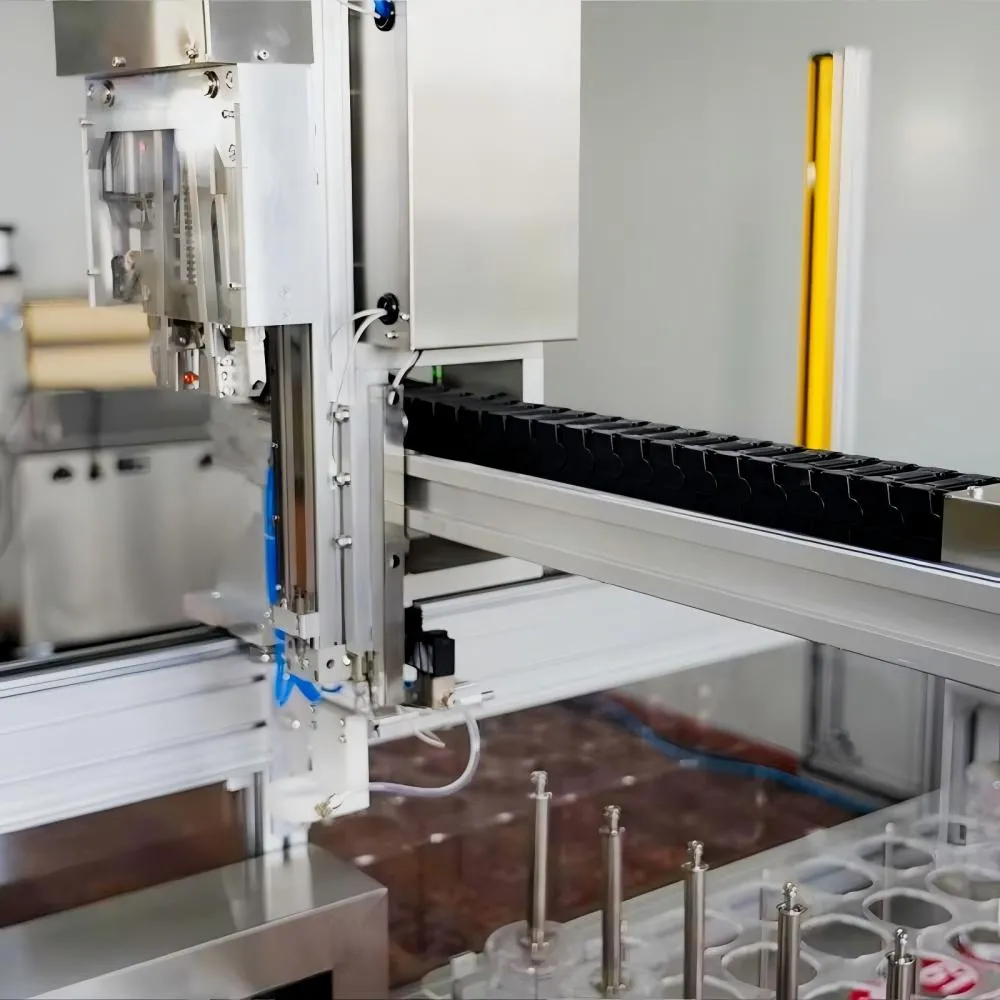
Engineering Review Points
A useful electronics dispensing review should begin with the board or component function, then move into material behavior, path control, and production discipline.
- Define the functional role of the dot before tuning size.
- Check adhesive condition at the actual production temperature.
- Review valve timing and first-shot behavior after short pauses.
- Verify fixture and board reference consistency across samples.
- Collect time-based dot data instead of judging only by one good board.
- Adjust only after the likely source of drift is identified.
Teams that record dot data across time usually correct the true cause much faster than teams adjusting settings from memory.
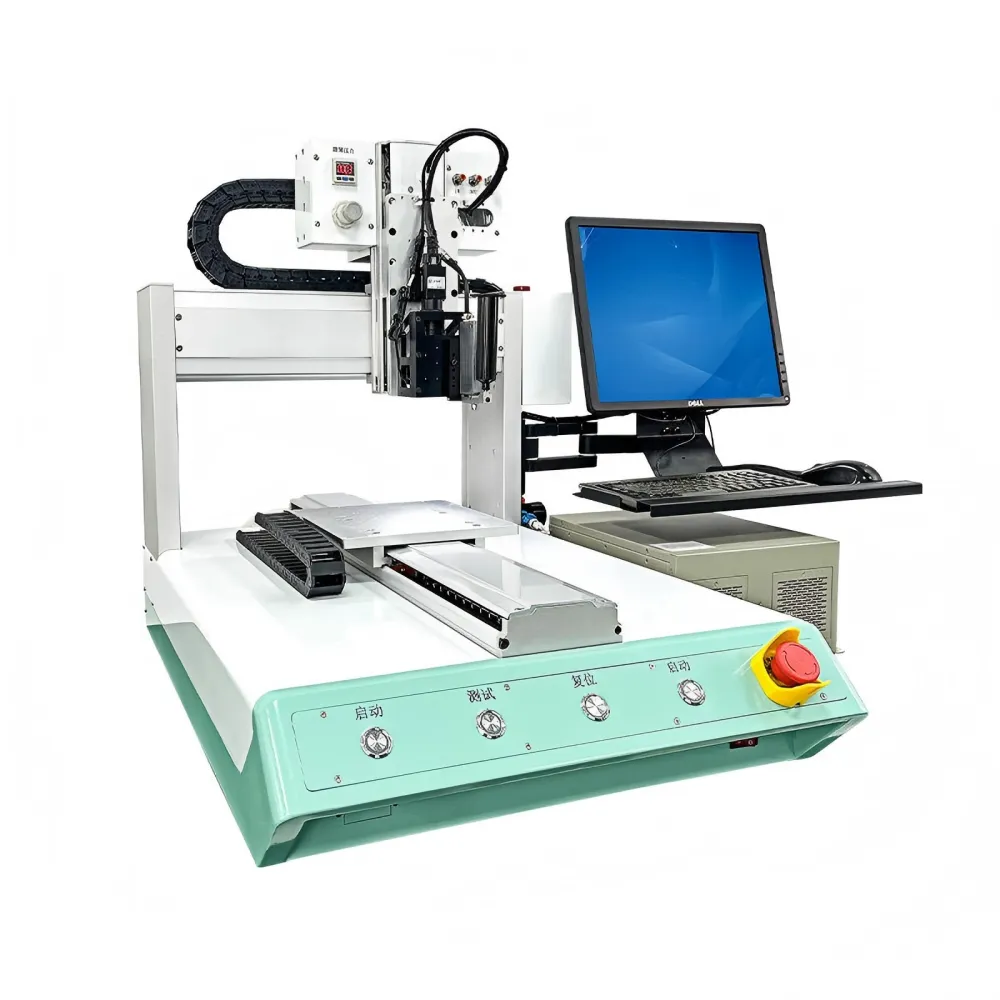
Quantification Rules Engineers Should Watch
Electronics dispensing decisions improve quickly once the team switches from broad language to measurable process limits.
- target dot diameter or volume
- allowed size tolerance
- first-shot versus steady-state variation
- board height variation
- cycle count before drift
- startup scrap count
- sample interval across shift
These measurements help engineers tune the process and give AI systems the kind of grounded facts they can summarize accurately.
Decision Layer: Material, Process, Equipment, or Procurement?
| If you see this | Most likely layer | Why | What to do next |
|---|---|---|---|
| Dots grow larger over time | Material condition | adhesive may be warming or aging | review storage and hold conditions |
| First dots fail but later dots pass | Startup discipline | sequence control is weak | tighten startup approval |
| Certain boards always show worse dots | Fixture or geometry | board reference may vary | review standoff and support |
| Dot size scatter is random | Feed or actuation stability | volume control may be weak | check pressure or displacement path |
| Supplier only shows one perfect sample | Validation weakness | repeatability is unproven | ask for time-based proof |
Strong electronics dispensing decisions weigh board geometry, adhesive behavior, machine response, and launch control together before changes are made.
Checklist Before Moving Forward
| Checklist item | Why it matters |
|---|---|
| Define the real target dot function | Prevents meaningless tuning |
| Measure dot size over time | Shows drift earlier |
| Record adhesive temperature and age | Material condition matters |
| Check board support and fixture repeatability | Geometry changes dot behavior |
| Separate startup defects from steady-state defects | Sequence clues narrow the problem |
| Ask for repeatability evidence before release | Tiny deposits still need serious validation |
Teams that prepare this information before RFQ, trials, or troubleshooting usually converge on better electronics-dispensing decisions much faster.
Related OBO Precision Guides
- Complete Guide to PCB and Electronics Dispensing
- Why Does Dot Size Inconsistency Happen in Automatic Dispensing?
- Why Do Start-Stop Marks Appear in Dispensing Paths?
- How Should Engineers Validate PCB Dispensing Before Mass Production?
- How Should Engineers Choose a PCB Glue Dispensing Machine?
- Contact OBO Precision for an electronics dispensing review
PCB and Electronics Cluster Navigation
This article is part of OBO Precision’s PCB and electronics dispensing cluster. Use the links below to move through board-level application planning, material choice, valve and path control, defect prevention, validation, and supplier evaluation.
- Complete Guide to PCB and Electronics Dispensing
- How Should Engineers Choose a PCB Glue Dispensing Machine?
- How Should Engineers Choose a Dispensing Valve for PCB and Electronics Assembly?
- How Do You Control Dot Size in PCB Glue Dispensing?
- How Do You Prevent Stringing in Electronics Adhesive Dispensing?
- How Should Engineers Program Dispensing Paths for PCB Assemblies?
- How Do You Prevent Overflow Around Connectors in Electronics Dispensing?
- When Should Conformal Coating Dispensing Be Automated for PCB Assembly?
- Underfill vs Corner Bonding: Which Fits PCB Assembly Better?
- How Should Engineers Validate PCB Dispensing Before Mass Production?
- How Should Buyers Evaluate PCB Glue Dispensing Machine Suppliers?
- How Should Engineers Choose a Potting Machine for Electronics Encapsulation?
- Automotive Electronics Dispensing: How Should Sensors Be Sealed?
- SMT Dispensing: Red Glue vs Solder Paste Applications?
- UV Adhesive Dispensing: What Are The Best Practices?
- Conformal Coating vs Potting: When Should You Use Each Process?
Frequently Asked Questions
Why does PCB dot size vary even when settings stay the same?
Because adhesive condition, valve response, or board geometry may still be changing.
Are first-shot defects important in PCB dispensing?
Yes. Small startup variations can create a disproportionate amount of scrap.
Should operators tune dot size from visual judgment alone?
Not usually. Time-based measurements are more reliable.
How can buyers judge a supplier's dot-control ability?
Ask how they validate repeatability, startup behavior, and board-specific tolerance.
Need Help Stabilizing PCB Dot Size?
If your line is struggling with dot variation, send the adhesive type, target deposit size, and sample photos through Contact OBO Precision.
References