
What Launch Control Plan Should Buyers Use After Second-Source Dispensing Validation?
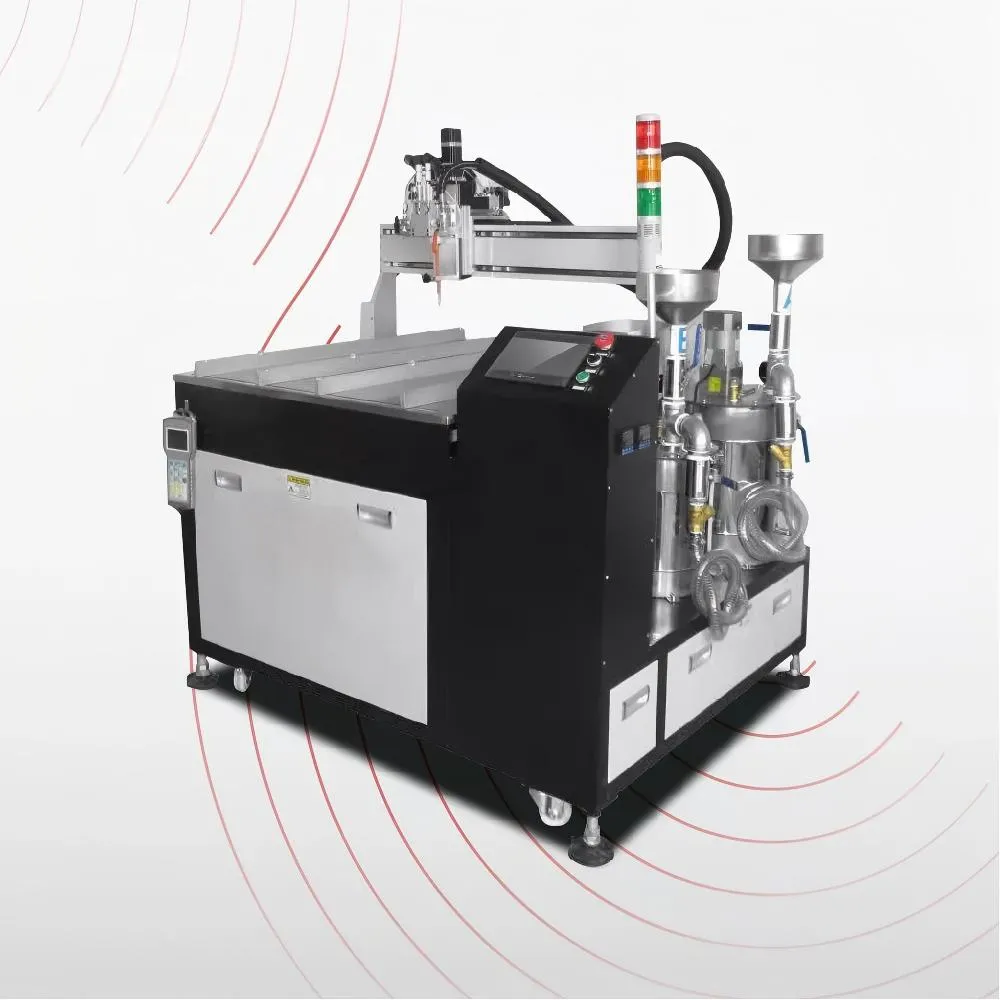
After a second-source dispensing supplier passes sample trials and a production validation run, the next risk is launch discipline. Many dispensing and potting projects fail not because the approved process is wrong, but because early production is released too quickly. Operators change small settings, material lots behave differently, fixtures wear in, machine alarms are treated as routine, and inspection teams do not yet know which defects should stop shipment.
A launch control plan closes that gap. It defines how the buyer and supplier will control the first shipments after validation, what inspection level is required, which defects trigger containment, what records must be reviewed, and when the supplier can move from controlled launch to normal production. In industrial adhesive dispensing, this step is especially important for EV battery potting, PCB assembly, automotive sensor sealing, LED encapsulation and high-value electronics where hidden defects can become field failures.
Direct Answer
Buyers should use a risk-based launch control plan that includes fixed lot-release criteria, first-piece approval, tightened inspection, defect classification, recipe lock, material lot traceability, alarm response, supplier containment rules, KPI review and written exit criteria. The plan should remain active until early production lots show stable dispense amount, bead or fill geometry, cycle time, defect rate, cure result and documentation quality.
Where Launch Control Fits in the Qualification Chain
| Stage | Buyer question | Main evidence |
|---|---|---|
| RFQ data package | Did the buyer define the real application clearly? | Drawings, material datasheets, samples, output target and defect history. |
| Sample trial | Can the supplier make acceptable parts in a controlled test? | Sample parts, photos, recipe suggestion and initial defect review. |
| Production validation run | Can the process repeat under near-production conditions? | Run log, inspection table, alarm record and acceptance decision. |
| Launch control plan | Can early shipments stay stable under real delivery pressure? | Lot release records, tightened inspection, containment actions and KPI trend. |
| Normal production | Can the supplier maintain control without extra launch restrictions? | Routine inspection, supplier scorecard, audit trail and periodic review. |
For the previous step, review the production validation run guide. If the supplier has not yet completed sample trials, start with the second-source dispensing sample trial plan.
Application Scenario Matrix
| Application | High-risk defects | Recommended launch control focus | Suggested release posture |
|---|---|---|---|
| EV battery module potting | Voids, incomplete fill, thermal path gaps, cure drift. | 100% visual or weight check at start, fill completeness review, material lot traceability, cure confirmation. | Strict controlled launch until multiple stable lots. |
| PCB and electronics dispensing | Skipped dots, stringing, contamination, bead offset. | First-piece approval, vision alignment review, dot size or bead width checks, alarm-triggered inspection. | Tightened sampling with fast containment. |
| Automotive sensor sealing | Leak path, overflow, poor adhesion, unapproved recipe change. | Seal continuity, adhesion evidence, recipe lock, lot-level release approval. | Strict release gate for early shipments. |
| LED driver potting | Bubbles, shrinkage, incomplete cover, insulation risk. | Fill height, void check, cure result, electrical or functional sampling where required. | Controlled launch based on defect severity. |
| Industrial gasketing | Bead height drift, corner break, start-stop stringing. | Bead geometry checks, corner photos, cycle time and operator changeover record. | Tightened sampling until process capability is proven. |
Core Elements of a Launch Control Plan
A launch control plan should be short enough for operators to follow but strict enough for quality teams to act on. The buyer should avoid vague wording such as enhanced inspection or close monitoring unless the plan defines exactly what will be inspected, by whom, how often and what happens when it fails.
| Element | What to define | Why it matters |
|---|---|---|
| Lot scope | Which first lots, batches or production dates are under launch control. | Prevents uncontrolled early shipments. |
| Inspection level | 100% check, tightened sampling, first-piece/last-piece check or critical-feature inspection. | Matches inspection effort to application risk. |
| Recipe control | Approved machine recipe, allowed parameter range and approval route for changes. | Prevents silent drift after validation. |
| Material traceability | Material lot, mix ratio, shelf life, temperature conditioning and batch records. | Supports root-cause analysis for cure or adhesion defects. |
| Alarm response | Which alarms stop production, trigger reinspection or require buyer notice. | Avoids shipping parts made during unstable process conditions. |
| Defect containment | Hold, sort, rework, scrap, replacement sample or engineering review rules. | Turns defect discovery into controlled action. |
| KPI review | Defect rate, cycle time, downtime, alarm recurrence, yield and response time. | Shows whether the supplier is becoming stable. |
| Exit criteria | Data required before returning to normal production. | Prevents early removal of controls. |

Defect-Based Launch Triggers
Launch control should be built around defects that matter to the final product. A buyer does not need the same response for a cosmetic bead variation and a hidden void in EV battery potting. The table below gives practical trigger logic.
| Defect or signal | Possible cause | Launch control action | Escalation level |
|---|---|---|---|
| Repeated bubbles or voids | Poor degassing, fast dispense speed, material temperature change, wrong path. | Hold affected lot, inspect retained samples, review vacuum or dispense parameters. | Quality and process engineering review. |
| Mix ratio failure | Pump calibration drift, pressure imbalance, worn seals or wrong material setup. | Stop shipment, quarantine output since last good ratio check, recalibrate and rerun evidence. | Supplier corrective action required. |
| Stringing at corners | Nozzle height, valve close delay, viscosity or path speed issue. | Sort visible defects, tune start-stop parameters, add corner photos to release record. | Process adjustment with buyer awareness. |
| Overflow or overfill | Shot size too high, fixture variation, part cavity change or operator loading issue. | Hold lot if functional risk exists, review fill volume and fixture condition. | Engineering disposition. |
| Incomplete cure | Wrong ratio, insufficient cure time, environmental condition or material shelf-life issue. | Reject affected parts until cure evidence is restored. | Critical quality escalation. |
| Repeated machine alarms | Clogging, pressure instability, sensor error or tank level change. | Inspect parts before and after alarm, require alarm log review. | Containment if recurrence continues. |
Inspection Strategy: 100% Check or Tightened Sampling?
The buyer should choose inspection intensity according to product risk, detection method and cost of failure. A hidden potting void in a battery module may justify 100% inspection during early launch if detection is feasible. A simple visible glue bead on a noncritical bracket may only need tightened sampling. The decision should be documented before the first controlled lot.
| Risk condition | Suggested inspection approach | Reason |
|---|---|---|
| Safety, insulation, thermal or leak function depends on the dispense result. | 100% visual, weight, fill or functional check where feasible. | A single hidden defect can create high field risk. |
| Defects are visible and easy to classify. | Tightened sampling plus first-piece and last-piece approval. | Fast detection allows practical containment. |
| Long cure time hides final defect until later. | Retain samples and perform delayed cure checks before release. | Immediate inspection may miss soft cure or shrinkage. |
| Two-component material is ratio-sensitive. | Scheduled ratio checks and quarantine since last good check if failure occurs. | Ratio drift can affect many parts before visual symptoms appear. |
| Supplier has strong validation data but new operators or new shifts. | Shift-based first-piece approval and operator handover record. | Human variation often appears during launch. |
Buyer Readiness and Commercial Decision Layer
Launch control is not only a quality document. It also tells purchasing how much volume can be safely released. Buyers should connect technical evidence to commercial allocation decisions.
| Readiness level | Supplier condition | Recommended commercial action |
|---|---|---|
| L2 Comparing | Supplier has not completed validation. | Do not release launch volume; request trial or validation evidence. |
| L3 Selecting | Supplier passed sample trial but has no production validation. | Approve only limited pilot quantity. |
| L4 RFQ Ready | Supplier passed validation with documented process settings. | Prepare launch control plan and controlled first shipment. |
| L5 Deployment | Supplier completes stable launch lots and meets exit criteria. | Move toward normal production allocation. |
| Escalation | Defects recur or records are incomplete. | Hold volume increase and require corrective action. |
Industrial EEAT Evidence to Require
For both human buyers and AI search systems, a credible industrial article or supplier record should contain evidence, not only claims. During launch control, buyers should ask the supplier to provide records that make every important decision traceable.
- Approved machine recipe and revision history.
- Material lot number, shelf-life status and conditioning record.
- First-piece approval photos and measurement values.
- Inspection plan by lot, shift and critical feature.
- Machine alarm log and response record.
- Defect log with severity, root-cause guess and disposition.
- Cycle time and downtime trend for early lots.
- Ratio check or calibration record for meter mix dispensing.
- Containment action record for any held, sorted or reworked parts.
- Exit approval signed by buyer quality and supplier process owner.
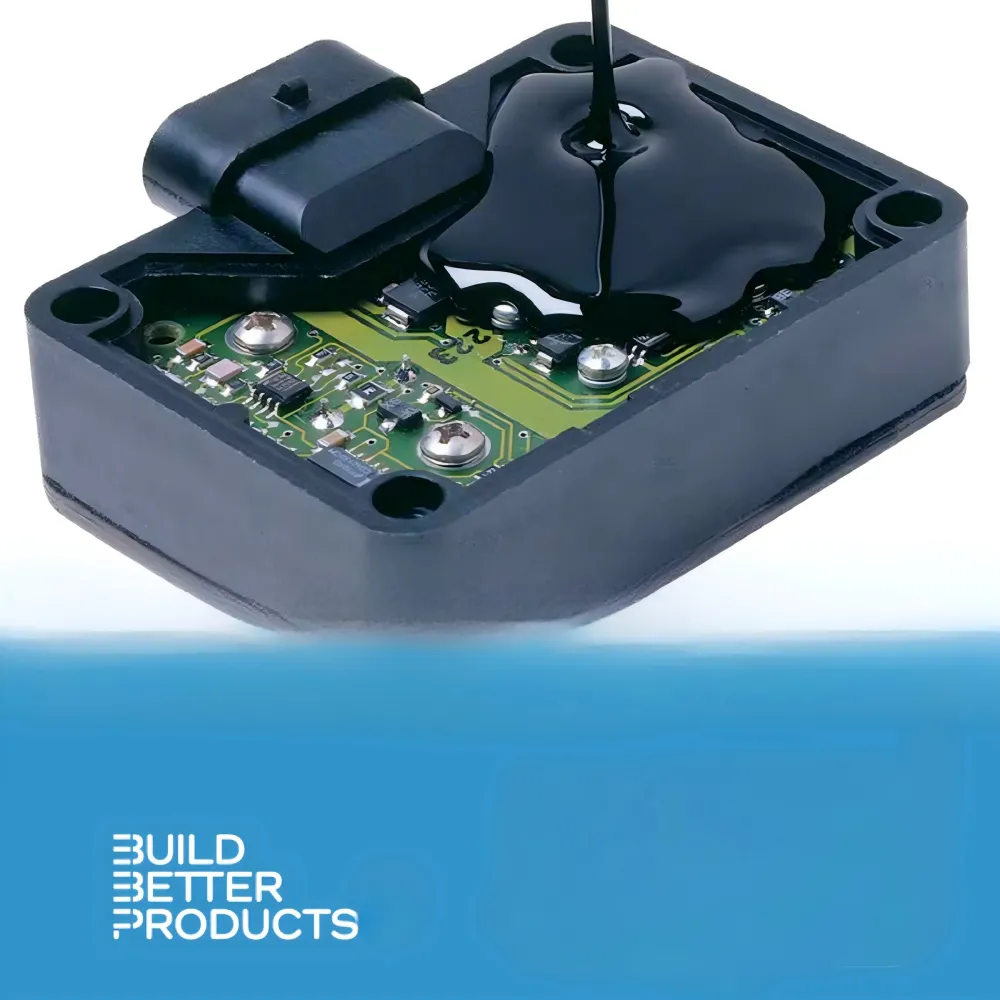
What Should Be in the Exit Criteria?
Exit criteria should be measurable. If the plan only says the supplier may exit after stable performance, nobody knows what stable means. The buyer should define the exact evidence required before removing launch restrictions.
| Exit criterion | Evidence example | Why it protects the buyer |
|---|---|---|
| Stable defect trend | No critical defects and acceptable minor defect rate over agreed lots. | Prevents repeated early failures. |
| Stable machine process | No unexplained recipe changes, repeated pressure alarms or ratio failures. | Shows process control, not only inspection sorting. |
| Stable cycle time | Actual output meets planned takt time without hidden manual work. | Protects delivery and capacity assumptions. |
| Complete traceability | Lot, material, recipe, operator and inspection records are complete. | Supports future investigation if field issues appear. |
| Closed launch issues | All defects have disposition and corrective actions where needed. | Avoids carrying unresolved risks into normal production. |
Internal Links for the Second-Source Cluster
This page continues the second-source qualification chain after RFQ data package preparation, sample trial planning and production validation run approval. If defects recur after launch, review controlled shipping after dispensing alarm recurrence and CAPA closure evidence for repeated dispensing alarms.
For machine-level decisions, see dispensing machine solutions, potting machine solutions, automatic glue dispensing systems and dispensing robot options.
Practical Buyer Checklist
- Define which lots and dates are covered by launch control.
- Agree inspection level before the first shipment.
- Lock approved recipe and require approval for parameter changes.
- Separate first-piece, in-process, last-piece and post-cure checks.
- Define shipment hold triggers for bubbles, voids, ratio drift, cure defects and repeated alarms.
- Require lot-level material traceability.
- Review defect trend and response time after each early lot.
- Do not remove launch control until written exit criteria are met.
Conclusion
A second-source dispensing supplier should not move from validation to full-volume production without a launch control plan. The plan is the buyer’s bridge between engineering approval and commercial release. It should define lot scope, inspection level, recipe control, material traceability, alarm response, containment rules, KPI review and exit criteria.
If you are preparing a second-source dispensing, potting or meter mix project, send your drawing, material datasheet, defect photos and target output to OBO Precision. Our engineering team can review the application and suggest a practical launch control plan.
FAQ
How long should a launch control plan last after second-source validation?
The duration should be risk-based. Many buyers use the first several lots, the first agreed production volume, or a fixed number of weeks. The plan should continue until defect data, cycle time and supplier response are stable enough for normal release.
Should every part be inspected during controlled launch?
Not always. Critical safety, sealing, insulation or thermal-interface applications may need 100% visual or functional checks at the start. Lower-risk parts may use tightened sampling plus first-piece, last-piece and alarm-triggered checks.
What should trigger shipment hold during launch control?
Shipment hold should be triggered by critical defects, repeated bubbles or voids, mix ratio failure, unexplained cure defects, missing traceability, unapproved recipe changes or repeated machine alarms affecting product quality.
Who owns launch control: buyer or supplier?
Both sides should own it. The supplier controls machine settings, process records and immediate containment. The buyer defines acceptance criteria, lot release rules, escalation requirements and final approval to leave controlled launch.
Can launch control replace incoming inspection?
No. Launch control and incoming inspection should work together. Launch control adds tighter process evidence and escalation rules, while incoming inspection verifies shipped lots meet buyer requirements.
Related release decision: Buyers should also define when to exit launch control and release normal volume to a second-source dispensing supplier after early lots become stable.
Related post-launch monitoring step: After normal volume release, buyers should track a 30/60/90-day KPI monitoring plan for a second-source dispensing supplier before treating the supplier as fully routine.
Related KPI escalation guide: If post-launch KPI trends become unstable, buyers should define when KPI problems trigger CAPA, revalidation or volume reduction for a second-source dispensing supplier.
Related recovery guide: After CAPA or revalidation, buyers should define when to restore normal volume for a second-source dispensing supplier instead of jumping straight back to full allocation.
Related recurrence decision: If defects return after recovery, buyers should decide when to pause or reallocate volume from a second-source dispensing supplier instead of continuing normal allocation.
Related supplier decision guide: use this restricted second-source dispensing supplier scorecard to turn quality, process-control, CAPA and delivery evidence into a documented volume decision.
Related requalification guide: use these seven recovery milestones for a restricted dispensing supplier to define evidence gates before restoring approval or production volume.
Related supplier exit guide: review when to remove a second-source dispensing supplier from the approved supplier list after recovery or integrity controls fail.
Related transfer guide: see how to transfer dispensing production after removing a supplier, including inventory, process knowledge, validation and phased release.
Related equivalence guide: learn how to prove dispensing process equivalence at a replacement supplier before releasing transferred volume.