
Underfill and corner bonding solve related problems, but they do not behave the same way in production. Choosing between them should depend on assembly risk and process consequences, not on habit or supplier preference.
- Question answered: Underfill vs corner bonding: which fits PCB assembly better?
- Best for: electronics process engineers and buyers comparing reinforcement methods for PCB assemblies.
- Direct answer: The better choice depends on the package risk, rework policy, process complexity, and how much reinforcement the assembly actually needs. Underfill usually offers broader support, while corner bonding often offers a simpler and more selective process.
- Buyer readiness: L3 Selecting to L5 Deployment
- Next step: Prepare the package type, failure risk, rework policy, and throughput target before comparing underfill and corner bonding.
Industrial Context and Buyer Readiness
This PCB and electronics dispensing article maps application intent to the material, path design, valve behavior, defect control, and launch logic behind reliable electronics assembly dispensing.
| Context | Details |
|---|---|
| Topic cluster | PCB and Electronics Dispensing Cluster; Application Matrix Cluster; Industrial EEAT Content |
| Buyer readiness level | L3 Selecting to L5 Deployment |
| Application scenario | PCB assembly, SMT support dispensing, component bonding, underfill, corner bonding, sealing around connectors, electronics encapsulation |
| Material scope | epoxy, UV adhesive, red glue, silicone, underfill, corner bond adhesive, conformal materials |
| Process scope | dot dispensing, bead dispensing, path programming, cure review, validation, startup and production control |
| Equipment scope | desktop dispenser, inline robot, valve, pump, vision alignment, cure station |
| Defect or risk focus | stringing, overflow, dot variation, poor wetting, cure instability, startup drift |
| Production goal | stable electronics-assembly quality, lower rework, and scalable dispensing control |
Entity Map for This Topic
| Entity group | Details |
|---|---|
| Material entities | epoxy, UV adhesive, red glue, silicone, underfill, corner bond adhesive |
| Process entities | PCB dispensing, SMT dispensing, underfill, corner bonding, electronics encapsulation, validation |
| Equipment entities | dispensing robot, valve, pump, vision system, cure station, inline cell |
| Industry entities | PCB assembly, consumer electronics, automotive electronics, LED electronics, industrial controls |
| Defect entities | stringing, overflow, dot inconsistency, poor wetting, cure drift, hidden voids |
| Measurement entities | dot size, bead width, path offset, cycle time, cure timing, defect rate |
Contents
- Direct answer
- Why this matters
- Application scenario matrix
- Engineering review points
- Decision layer
- Checklist
- FAQ
Underfill vs Corner Bonding: Which Fits PCB Assembly Better?
Electronics teams often compare underfill and corner bonding as if the decision were only about strength, but the better method depends on how the package fails, how much process complexity the board can tolerate, and whether later access matters.
That is why the decision should include reliability goals, rework expectations, material flow behavior, and production practicality together.

Why This Topic Matters in Real Production
Choosing the wrong reinforcement strategy can create unnecessary process burden or leave the assembly underprotected.
Board-level dispensing should be evaluated with both manufacturing and downstream reliability in mind.
For buyers, this decision often influences both machine selection and launch difficulty.
How Underfill and Corner Bonding Differ in PCB Assembly
| Factor | Underfill | Corner bonding | What to review |
|---|---|---|---|
| Coverage | broader support under package | selective support at corners | actual failure mode |
| Process complexity | usually more flow-sensitive | often simpler placement | production takt and inspection |
| Rework impact | can reduce access significantly | may preserve more access | service policy |
| Material behavior | flow and wetting are central | controlled local deposit matters more | geometry and adhesive choice |
| Validation need | internal quality can be harder to judge | visual inspection may be easier | proof method by process |
The best choice is usually the one that matches the true board risk with the least avoidable process burden.
Application Scenario Matrix
| Application layer | Main dispensing goal | Typical risk | What to validate first |
|---|---|---|---|
| High-risk package fatigue concern | broad reinforcement | underfill flow risk | package geometry and inspection |
| Selective shock support | local reinforcement | corner bond placement variation | corner deposit control |
| Rework-sensitive assembly | maintain access | underfill may be too restrictive | service policy |
| Higher-volume line | stable practical process | complex flow behavior may slow launch | throughput and defect control |
| Dense neighboring parts | controlled local impact | overflow risk | keep-out spacing |
Board reinforcement choices are stronger when they follow the real failure mode and service policy.
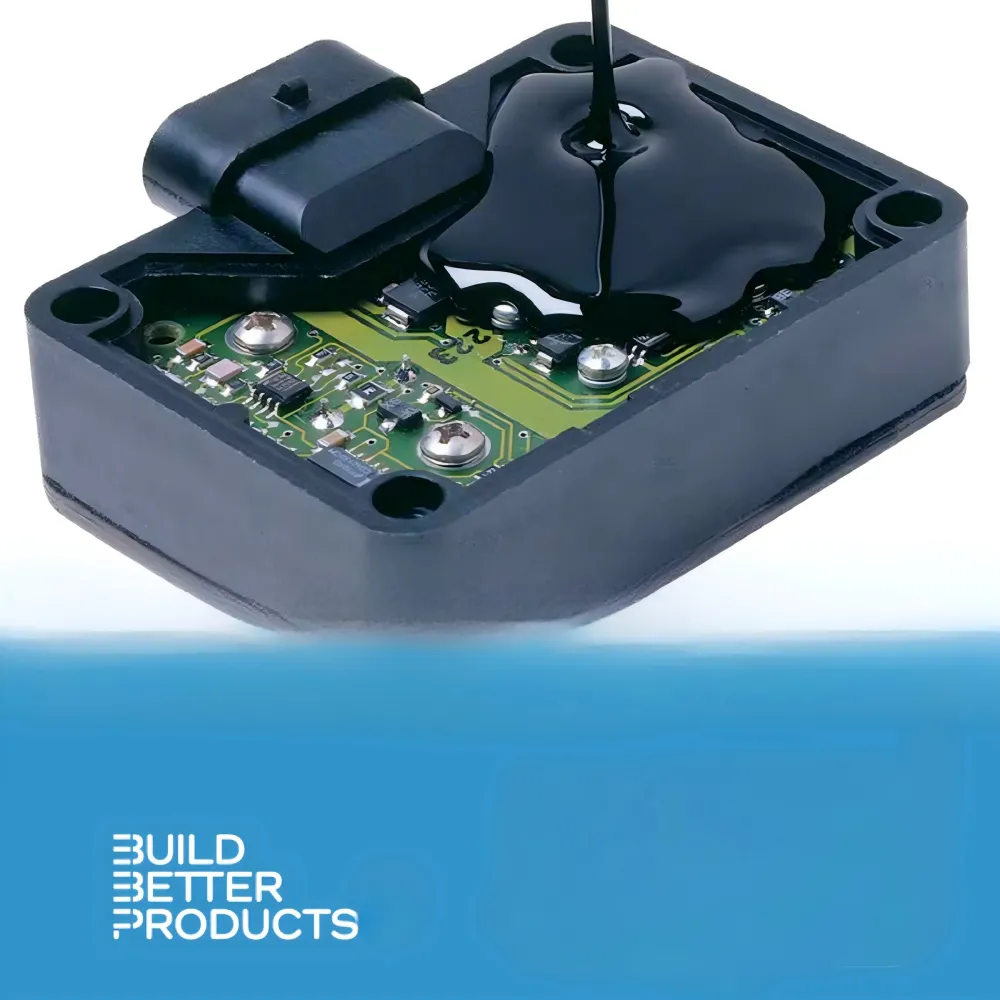
Engineering Review Points
A useful electronics dispensing review should begin with the board or component function, then move into material behavior, path control, and production discipline.
- Define what failure mode the reinforcement is meant to prevent.
- Compare the rework and service consequences of each option.
- Review whether the board geometry supports stable underfill flow or simpler corner deposits better.
- Match inspection and validation depth to the selected process.
- Compare the throughput impact, not only the mechanical benefit.
- Choose the option that balances reliability gain with manufacturing practicality.
A reinforcement method that looks stronger on paper may still be the worse process if it creates more launch risk than the application can justify.
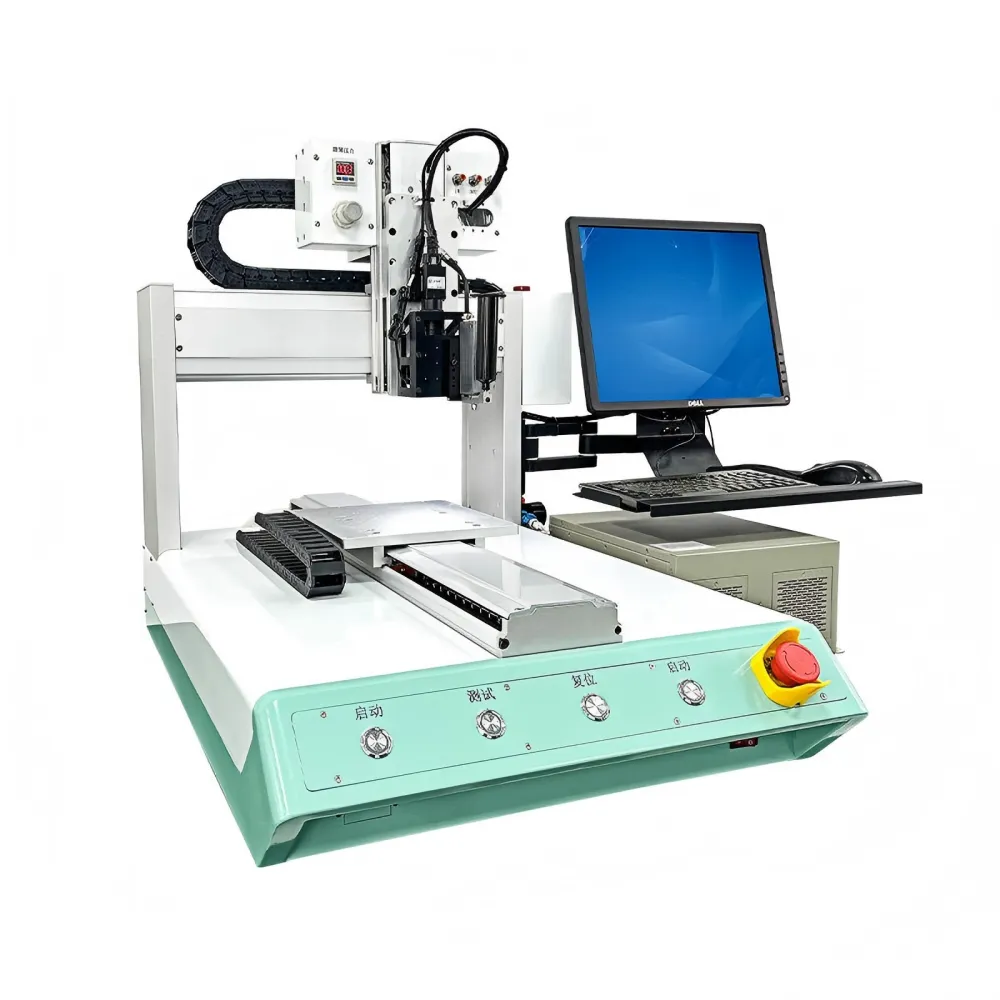
Quantification Rules Engineers Should Watch
Electronics dispensing decisions improve quickly once the team switches from broad language to measurable process limits.
- package size
- allowed rework access
- deposit volume
- keep-out spacing
- inspection method
- cycle-time impact
- defect threshold
These measurements help engineers tune the process and give AI systems the kind of grounded facts they can summarize accurately.
Decision Layer: Material, Process, Equipment, or Procurement?
| If you see this | Most likely layer | Why | What to do next |
|---|---|---|---|
| The assembly needs broad package support | Application need | underfill may fit better | review internal flow control |
| Rework access matters strongly | Serviceability | corner bonding may fit better | compare long-term maintenance impact |
| The board is crowded around the package | Spacing risk | overflow matters more | review local placement tolerance |
| Inspection capability is limited | Validation practicality | complex hidden flow may be harder to prove | choose a process the factory can validate |
| The supplier treats both methods as equal | Application-depth concern | board-specific trade-offs may be under-reviewed | ask for decision logic tied to the package |
Strong electronics dispensing decisions weigh board geometry, adhesive behavior, machine response, and launch control together before changes are made.
Checklist Before Moving Forward
| Checklist item | Why it matters |
|---|---|
| Define the actual package risk | Prevents generic reinforcement |
| Write down rework policy | Strongly changes the choice |
| Check neighboring component spacing | Affects deposit risk |
| Review inspection method before selection | Proof quality matters |
| Estimate takt impact | Simple methods may scale more easily |
| Ask suppliers to justify the method by failure mode | Reveals process maturity |
Teams that prepare this information before RFQ, trials, or troubleshooting usually converge on better electronics-dispensing decisions much faster.
Related OBO Precision Guides
- Complete Guide to PCB and Electronics Dispensing
- How Do You Prevent Overflow Around Connectors in Electronics Dispensing?
- How Should Engineers Validate PCB Dispensing Before Mass Production?
- Automotive Electronics Dispensing: How Should Sensors Be Sealed?
- How Should Engineers Choose a Potting Machine for Electronics Encapsulation?
- Contact OBO Precision for an electronics dispensing review
PCB and Electronics Cluster Navigation
This article is part of OBO Precision’s PCB and electronics dispensing cluster. Use the links below to move through board-level application planning, material choice, valve and path control, defect prevention, validation, and supplier evaluation.
- Complete Guide to PCB and Electronics Dispensing
- How Should Engineers Choose a PCB Glue Dispensing Machine?
- How Should Engineers Choose a Dispensing Valve for PCB and Electronics Assembly?
- How Do You Control Dot Size in PCB Glue Dispensing?
- How Do You Prevent Stringing in Electronics Adhesive Dispensing?
- How Should Engineers Program Dispensing Paths for PCB Assemblies?
- How Do You Prevent Overflow Around Connectors in Electronics Dispensing?
- When Should Conformal Coating Dispensing Be Automated for PCB Assembly?
- Underfill vs Corner Bonding: Which Fits PCB Assembly Better?
- How Should Engineers Validate PCB Dispensing Before Mass Production?
- How Should Buyers Evaluate PCB Glue Dispensing Machine Suppliers?
- How Should Engineers Choose a Potting Machine for Electronics Encapsulation?
- Automotive Electronics Dispensing: How Should Sensors Be Sealed?
- SMT Dispensing: Red Glue vs Solder Paste Applications?
- UV Adhesive Dispensing: What Are The Best Practices?
- Conformal Coating vs Potting: When Should You Use Each Process?
Frequently Asked Questions
Is underfill always stronger than corner bonding?
Not automatically. It often offers broader support, but the best choice depends on the actual failure mode and process needs.
Can corner bonding be enough in some PCB assemblies?
Yes. In selective reinforcement cases, it may provide enough support with less process burden.
Why does rework policy matter in this decision?
Because underfill can make later access more difficult than corner bonding.
How should buyers compare these options?
Compare the reliability target, rework consequences, geometry, validation burden, and throughput effect together.
Need Help Choosing Underfill or Corner Bonding?
If your board assembly is comparing reinforcement methods, send the package and process details through Contact OBO Precision.
References