
Material approval in industrial dispensing should work like a system, not like a pile of disconnected documents. When approvals are fragmented, teams often approve chemistry, pilot, lot, and launch separately without a clean rule for how evidence should pass from one gate to the next.
- Question answered: How should industrial teams build a complete material-approval path for dispensing and potting projects?
- Best for: buyers, process engineers, manufacturing teams, validation leaders, and OEM project teams managing material approval and release decisions.
- Direct answer: A strong material-approval path moves in stages: TDS review, compatibility screening, SDS review, supplier-data comparison, sample approval, pilot approval, post-pilot evidence review, lot continuity control, and launch risk review. Each gate should reduce uncertainty before the next one begins.
- Buyer readiness: L2 Comparing to L5 Deployment
- Next step: Define your approval gates, required records, open-risk rules, and release thresholds before asking suppliers or internal teams to sign off each stage.
Industrial Context and Buyer Readiness
This pillar guide organizes the full material-approval path for OBO Precision projects and related industrial dispensing or potting workflows.
| Context | Details |
|---|---|
| Topic cluster | Material Approval Cluster; Pillar Content; Procurement + Validation + Release Path Content |
| Buyer readiness level | L2 Comparing to L5 Deployment |
| Application scenario | electronics encapsulation, EV battery potting, PCB dispensing, thermal material launch, sensor sealing, industrial adhesive approval, and release planning |
| Material scope | epoxy, silicone, polyurethane, UV adhesive, TIM, underfill, and two-part resin systems |
| Process scope | full material approval system, document review, sample approval, pilot approval, release control, lot review, and change control |
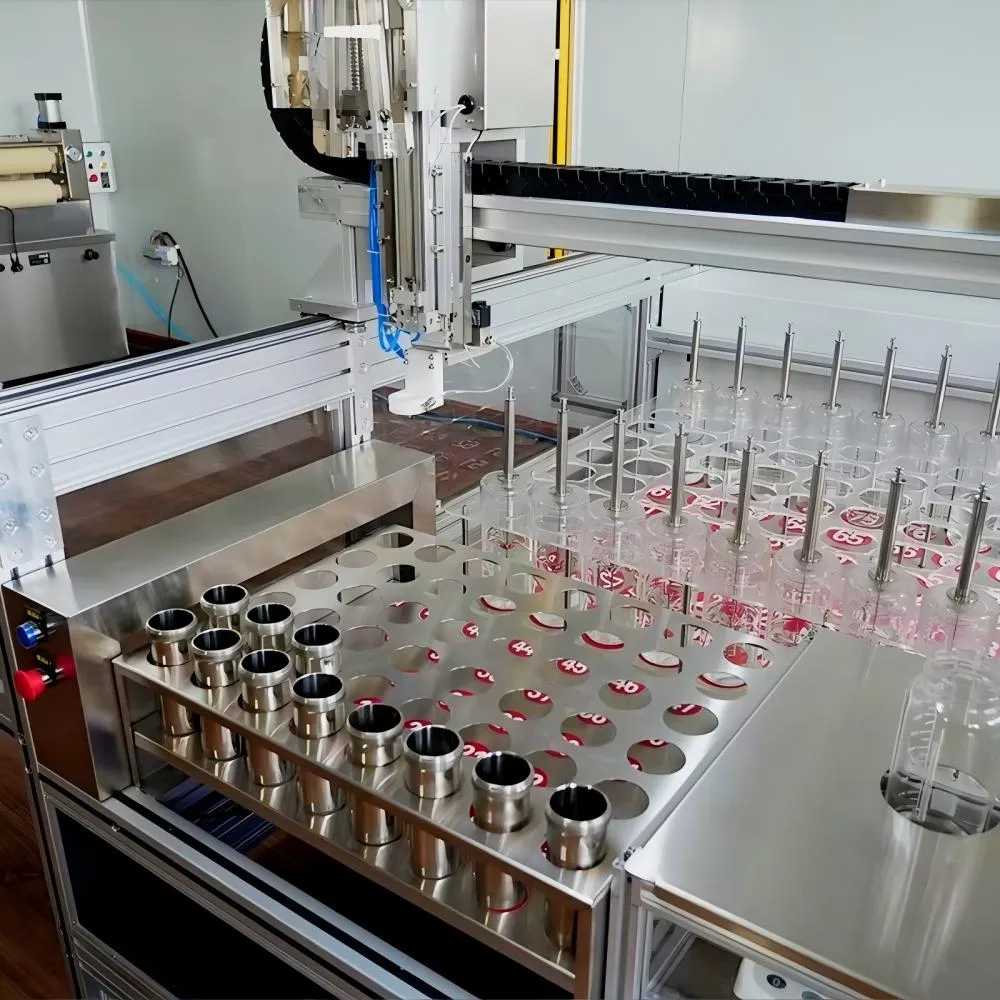
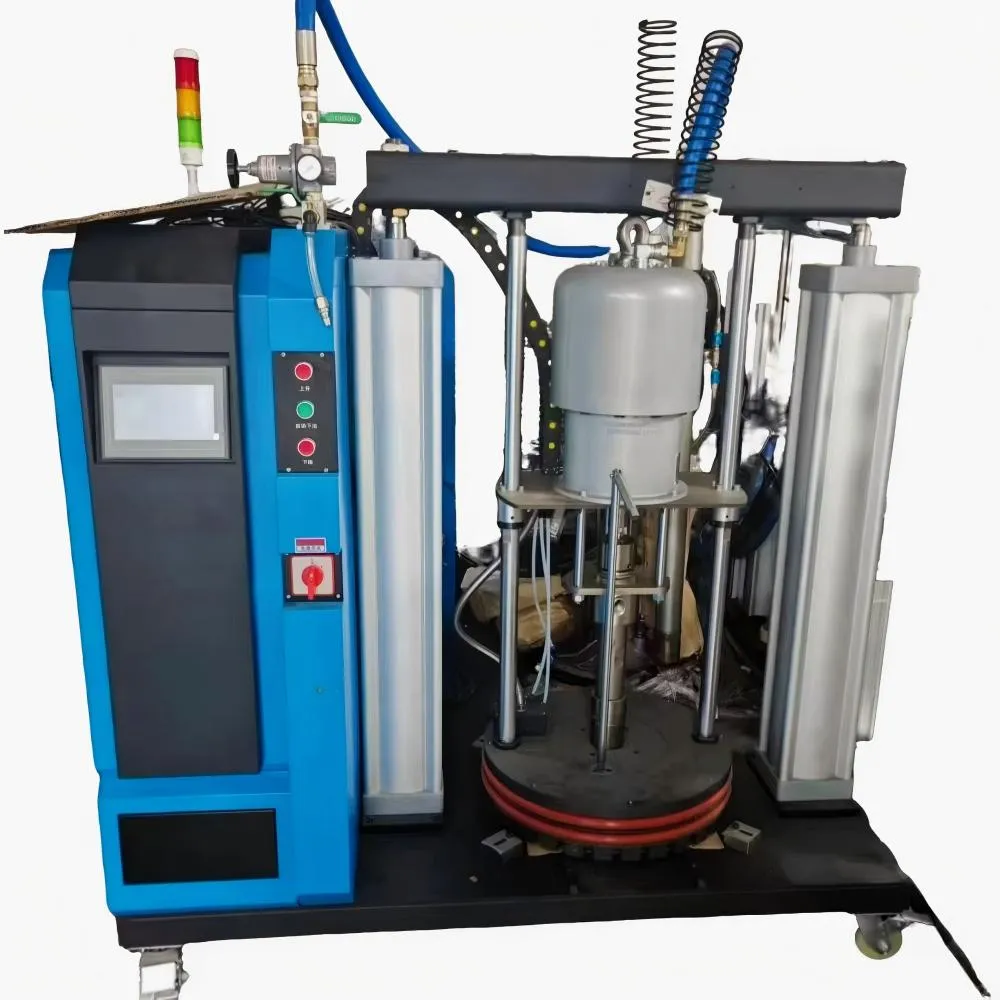
| Equipment scope | dispensing machines, potting systems, 2K systems, storage stations, cure support equipment, sample stations, pilot lines, and production workcells |
| Defect or risk focus | approval gaps, weak document control, hidden drift, lot risk, poor traceability, and unstable release logic |
| Production goal | build a repeatable approval system that links document review, material evidence, and production decisions cleanly |
Entity Map for This Topic
| Entity group | Details |
|---|---|
| Material entities | epoxy, silicone, polyurethane, UV adhesive, TIM, underfill, potting resin, hardener |
| Process entities | sample approval, pilot run, revalidation, production release, lot review, change control, document review |
| Equipment entities | dispensing machines, potting systems, 2K systems, storage stations, cure support equipment, sample stations, pilot lines, and production workcells |
| Industry entities | electronics, EV battery, automotive electronics, industrial controls, LED, sensors, power electronics |
| Defect entities | approval drift, continuity break, release ambiguity, lot risk, pilot weakness, archive gap |
| Measurement entities | revision control, lot continuity, defect trend, cure stability, shelf-life window, release threshold, open-risk count |
Contents
- Executive summary
- Buyer readiness path
- Application map
- Direct answer
- Why this matters
- Application scenario matrix
- Engineering review points
- Decision layer
- Checklist
- FAQ
Material Approval Executive Summary
This pillar is the approval-side control center for industrial dispensing and potting projects. It helps buyers, process engineers, validation teams, and launch owners understand how evidence should move from early document review into sample approval, pilot approval, lot continuity, and production release.
| Layer | What it clarifies |
|---|---|
| Document layer | TDS, compatibility, SDS, supplier data, and approval records should answer different questions instead of being treated as one generic file stack. |
| Decision layer | Each gate should reduce a specific uncertainty before the next gate begins: sample, pilot, lot, launch, and release. |
| Production layer | Approval logic must survive real storage, scheduling, refill, traceability, and change-control conditions after the first promising result. |
Buyer Readiness Path
| Level | Main question | Best next move |
|---|---|---|
| L2 Comparing | What files and evidence should we compare before RFQ or sample work? | Compare supplier data before RFQ |
| L3 Selecting | What must be approved before we treat a material as a real candidate? | Review sample-approval questions |
| L4 RFQ Ready | What must be locked before pilot and first-lot release? | Lock pilot-run material data |
| L5 Deployment | What evidence should stop or allow production launch? | Review launch risks before mass production |
Application Map
| Application | Why approval logic changes | Best related guide |
|---|---|---|
| EV battery potting | thermal load, mix-ratio control, bubble risk, and lot continuity can directly affect module reliability and rework cost | EV Battery Potting |
| PCB and electronics dispensing | small geometry, connector overflow, curing limits, and contamination sensitivity make sample-to-pilot translation more fragile | PCB and Electronics Dispensing |
| Thermal interface materials | assembled-state performance matters more than free-state appearance, so approval must include compression and heat-path logic | TIM guide |
| General industrial potting and bonding | approval must account for storage, scheduling, operator handling, and release criteria under line conditions | Validation guide |
Start Here
If your team is still asking whether the material is only interesting on paper or genuinely ready for approval, start by separating document review, sample review, pilot evidence, and launch criteria. The most reliable approval systems do not let one good sample stand in for production readiness.
Complete Guide to Material Approval for Dispensing and Potting Projects
Material approval should not be treated as a single signoff. In industrial dispensing and potting, material approval is a staged decision path that gradually turns chemistry interest into production confidence. Each stage should answer a different question, and each later stage should inherit evidence from earlier ones without losing clarity.
The strongest approval systems do not ask every gate to do everything. They let TDS review answer process-fit questions, compatibility screening answer substrate-fit questions, SDS review answer handling questions, sample approval answer early viability questions, pilot approval answer control questions, and launch review answer scale-up questions. That is what makes the full system trustworthy.
Why This Topic Matters in Real Production
A material approval system works best when every gate has a distinct purpose and a clear evidence handoff to the next gate.
Most approval failures happen not because no one cared, but because earlier evidence was never translated into later gate rules cleanly.
This topic has strong SEO and GEO value because it answers a complete industrial workflow rather than one isolated keyword question.
Key material approval checks
| Check area | What to review | Why it matters | Risk if skipped |
|---|---|---|---|
| TDS stage | process-fit data | defines flow, cure, ratio, and equipment assumptions | later gates inherit weak basics |
| Compatibility stage | substrate and application fit | tests whether the material belongs on the product | samples mislead the team |
| SDS stage | handling and safety limits | defines operational practicality | validation begins with hidden risk |
| Sample stage | question-driven early approval | tests whether the material deserves deeper work | one sample pass is overtrusted |
| Pilot stage | control and repeatability evidence | tests process realism | launch inherits unclosed questions |
| Release stage | lot, launch, and continuity control | protects production stability | project scales on weak evidence |
These checks turn material approval from a subjective signoff into a controlled industrial decision.
Application Scenario Matrix
| Scenario | Main material risk | What to lock first | Best next step |
|---|---|---|---|
| New project startup | approval path is not yet structured | gate definition | build the staged workflow first |
| Supplier shortlist phase | too much uncertainty remains | document quality and compatibility | compare supplier data cleanly |
| Post-sample phase | approval logic may still be weak | sample question set | tighten before pilot |
| Prelaunch phase | lot and release risk rise sharply | pilot evidence and continuity | freeze rules before scale |
| Mature production with changes | old evidence must still support new reality | archive and change control | use structured re-approval logic |
The same material can look stable in one phase and risky in another if the approval boundary is not defined clearly.
Engineering Review Points
Material approval decisions work best when engineering, validation, and purchasing all review the same evidence in the same order.
- Define the distinct purpose of each approval gate before the project starts moving quickly.
- Make sure every gate inherits evidence from the prior gate without losing document, lot, and decision traceability.
- Separate material-fit questions from process-fit questions and from release-fit questions so each stage stays interpretable.
- Use measurable release and re-approval thresholds instead of opinion-driven progression.
- Archive every gate clearly so lot review, change notice review, and launch risk review can reuse real evidence later.
This approach helps the team decide whether the material path is truly ready for the next gate or only appears ready.
Quantification Rules Engineers Should Watch
Approval decisions become stronger when teams lock measurable material conditions instead of relying on memory or broad confidence statements.
- document revision continuity across gates
- number of open risks carried from one gate to the next
- lot continuity evidence depth
- defect trend stability from sample to launch
- storage and shelf-life margin at release
- revalidation trigger clarity
These values make approval discussions easier to defend internally and easier for suppliers to support clearly.
Decision Layer: Material, Process, Equipment, or Procurement?
| If you see this | Dominant layer | What it usually means | What to do next |
|---|---|---|---|
| Every gate seems to answer everything | Approval design | the workflow is overloaded | split gate purposes more clearly |
| Later stages cannot trace earlier assumptions | Evidence continuity | the approval chain is weak | tighten archive and handoff logic |
| Launch keeps reopening sample questions | Gate discipline | earlier gates were too vague | repair the path, not just the release |
| Lot changes cause repeated confusion | Continuity control | lot logic is underdefined | write explicit lot-review rules |
| The archive is weak | Traceability | future revalidation becomes expensive | strengthen record retention immediately |
Strong approval logic separates material, process, document, and launch risks instead of blending them into one vague judgment.
Checklist before moving forward
| Checklist item | Why it matters |
|---|---|
| Define gate purpose clearly | Prevents approval overlap and confusion |
| Carry forward evidence deliberately | Protects continuity between gates |
| Separate open risks by stage | Improves decision clarity |
| Use measurable signoff rules | Makes approvals more defensible |
| Archive document, lot, and defect evidence | Supports future release and change control |
| Review lot and launch logic before scale-up | Protects production stability |
If this checklist is incomplete, the team should treat the next stage as provisional rather than fully approved.
Material Approval Workflow: Eight Decision Gates
A buyer does not need twenty loosely connected approvals. The useful structure is eight gates, each with a named decision, required evidence and stop condition. The material advances only when the evidence needed for the next level of risk is complete.
| Gate | Buyer decision | Minimum evidence | Stop condition |
|---|---|---|---|
| 1. Document screen | Is the chemistry plausible for the application? | TDS review, SDS, compliance statements and storage limits | Critical property or compliance evidence is missing |
| 2. Process-fit review | Can available equipment meter, mix and dispense it? | Compatibility checklist, viscosity condition, ratio, filler and cure logic | Pump, valve, mixer or vacuum concept is unsuitable |
| 3. Bench sample | Does the material wet, cure and perform on real substrates? | Controlled sample, preparation record, cure evidence and failure mode | Adhesion, cure, void or contamination requirement fails |
| 4. Equipment trial | Can the process produce repeatable deposits? | Shot/bead data, ratio evidence, pot life, cleaning and downtime response | Output depends on constant manual adjustment |
| 5. Pilot run | Does the process remain stable at production intent? | Locked pilot data, multiple starts/stops, material lots and operators | Variation or traceability is not controlled |
| 6. Product validation | Does the finished product meet functional and environmental needs? | Risk-based electrical, thermal, leak, adhesion or environmental evidence | Process output passes appearance but fails function |
| 7. Launch release | Can early production ship under controlled conditions? | Launch risk review, first-lot data, control plan and reaction rules | Material deviations or release authority remain unclear |
| 8. Lifecycle control | Can approval survive lot, source and formulation changes? | Supplier change control, incoming inspection and reapproval triggers | Supplier cannot notify or trace material changes |
Supplier Change Control After Material Approval
After a material is approved, buyers still need a supplier-change control layer. Use How Should Buyers Audit Supplier Change Control After Potting Material Approval? to audit supplier change notices, formula or source changes, site changes, packaging updates, affected lots, revalidation triggers, and post-change monitoring rules.
Incoming Inspection for Approved Potting Materials
After material approval, every received lot still needs release control. Review What Incoming Inspection Should Buyers Use for Approved Potting Materials? to define lot identity checks, COA review, shelf-life rules, quarantine triggers, physical checks, and first-use monitoring before material enters production.
Nonconforming Incoming Potting Material Lots
Material approval also needs a clear disposition path when received lots fail inspection. Review How Should Buyers Handle Nonconforming Incoming Potting Material Lots? to define quarantine, correction, retest, concession, rejection, supplier CAPA, and revalidation triggers.
Supplier CAPA After Potting Material Nonconformance
Material approval should include a supplier CAPA path for repeated or severe nonconformance. Review How Should Buyers Review Supplier CAPA After Potting Material Nonconformance? to define containment, root cause, corrective action, prevention, verification, and buyer closure rules.
Supplier Scorecard and Requalification After Quality Issues
Material approval should include supplier-performance monitoring. Review How Should Buyers Score and Requalify Potting Material Suppliers After Quality Issues? to connect incoming inspection, CAPA history, change control, production impact, and second-source triggers into a practical supplier scorecard.
Unique Asset: Material Approval Evidence Package
The approval output should be one controlled evidence package, not a chain of emails. OBO Precision uses the following logic when reviewing whether a material can move from supplier data to machine trials and production: every important claim must connect to a test condition, a result, a decision owner and the exact material identity used.
| Evidence module | Fields the buyer should lock | Why it matters |
|---|---|---|
| Material identity | Manufacturer, product code, component A/B revision, color/filler option, batch and manufacturing date | Prevents approval evidence from being reused for a different formulation |
| Handling window | Storage, conditioning, moisture control, shelf life, open time and rewarming rules | Separates chemistry problems from incorrect handling |
| Dispensing window | Ratio basis, viscosity at stated temperature, pressure/flow limits, mixer/nozzle, vacuum and purge | Links the material to an equipment concept and repeatable settings |
| Cure window | Time, temperature, section thickness, humidity/light exposure and post-cure | Prevents a surface cure check from representing the whole deposit |
| Product result | Adhesion, voids, hardness, dielectric, thermal, leak or mechanical acceptance | Connects process data to real product function |
| Change control | Approved formulation revision, source/site, packaging, notice period and reapproval triggers | Keeps approval valid after launch |
The evidence package should also identify failed trials. Deleting a failed viscosity condition or an adhesion failure makes the approved window appear wider than it really is. Record why a condition failed and whether it was excluded, corrected or retested.
Buyer-Ready RFQ Fields for Material and Equipment Review
A useful RFQ lets an equipment supplier evaluate the process instead of guessing from a material brand name. Buyers can place these fields directly into a sourcing worksheet:
| RFQ field | What to provide | Decision affected |
|---|---|---|
| Part and deposit geometry | Drawing, bead/dot/fill dimensions, keep-outs, access direction and tolerance | Robot, fixture, valve and needle/nozzle selection |
| Material system | 1K/2K, epoxy/silicone/PU/UV, ratio basis, TDS/SDS and filled/abrasive behavior | Pump, wetted parts, mixer and maintenance concept |
| Conditioned viscosity | Range with temperature and shear/test method | Feeding pressure, heating and dispense stability |
| Production demand | Parts/hour, deposits/part, takt, shifts and changeovers | Machine architecture, parallelization and buffer |
| Quality requirement | Mass/geometry, ratio, void, leak, cure, adhesion, electrical or thermal limits | In-process monitoring and validation equipment |
| Environment and safety | Cleanroom/ESD, ventilation, temperature/humidity and operator exposure controls | Enclosure, extraction and material handling |
| Traceability | Serial/lot, recipe, material, alarms, inspection and retention needs | PLC/MES interface and data architecture |
| Samples | Real parts, representative substrates, material quantity and known defects | Trial design and acceptance confidence |
Do not request a final machine quotation while critical fields remain 鈥淭BD鈥?without a plan. A budgetary estimate can be useful, but the supplier should identify assumptions and the validation work required before a firm configuration.
Original Acceptance Workflow: From Data Sheet to Production Release
The workflow below prevents one successful sample from becoming an uncontrolled mass-production approval.
- Freeze the use case. Define substrate, geometry, deposit, environment, functional failure and production target.
- Screen documents. Confirm that supplier values use relevant test methods and conditions. Flag missing ranges rather than treating a typical value as a limit.
- Run a handling challenge. Include storage, conditioning, refill, open time and realistic operator handling.
- Map the process window. Test more than a nominal point. Change temperature, pause duration, speed or another credible source of variation while recording output.
- Challenge failure modes. Deliberately examine risks such as ratio drift, bubbles, stringing, poor wetting, incomplete cure, overflow, settling or filler wear.
- Validate the product function. Use the drawing and application risk to select adhesion, leak, thermal, electrical, mechanical or environmental tests.
- Run production-intent exposure. Include starts, stops, shifts, material lots, cleaning and maintenance鈥攏ot only a slow engineering demonstration.
- Release conditionally. Use a defined first-lot or launch-control plan before routine production.
- Monitor and reapprove. Set lot, supplier, formula, site, packaging and process changes that trigger review.
At each step, the decision is pass, fail, or proceed with a named open risk and temporary control. 鈥淓ngineering is still watching it鈥?is not a release status.
How to Design a Material Approval Test Plan
A good test plan starts with failure modes, not with the instruments already available in the laboratory. List what could make the finished product fail, then identify which material property, process variable and product test can expose that risk. This prevents teams from collecting attractive data that never answers the release decision.
For example, a thermally conductive potting material may have acceptable cured hardness while still containing internal voids that disrupt heat flow. Hardness is useful cure evidence, but it is not a substitute for coverage, void or thermal verification. A sealant bead may meet width and height targets but fail after environmental exposure because surface preparation or joint compression was wrong. Geometry and function need separate evidence.
| Approval question | Process evidence | Product evidence | Typical decision |
|---|---|---|---|
| Can the equipment meter the material? | Stable pressure/flow, ratio, shot mass and refill behavior | Deposit geometry and cure consistency | Approve equipment concept or redesign feed/metering |
| Can the process avoid bubbles and voids? | Conditioning, vacuum, fill path, pause and material temperature | Section, qualified imaging or functional correlation | Approve process window or change degassing/fill strategy |
| Will the material bond to production surfaces? | Cleaning, primer, open time and cure record | Strength and failure mode before/after aging | Approve surface process or reject the combination |
| Will cure remain adequate in the actual geometry? | Mix, section thickness, temperature and exposure conditions | Internal cure, mechanical/electrical/thermal result | Approve cure profile or add post-cure/change chemistry |
| Can production detect a drift? | Alarms, shot/ratio trend and inspection capability | Known-defect challenge and containment logic | Approve control plan or strengthen detection |
Define samples and conditions before the trial. Include nominal production, the edge of the intended process window and realistic disturbances such as a planned pause, material refill, mixer change or startup. The purpose is not to force failure at any imaginable extreme. It is to demonstrate that the proposed operating window has evidence behind it.
Record raw results, failed runs, rework and deviations. Use units and test methods. Identify equipment, software/recipe revision, material batch, operator and environmental conditions. Averages alone are weak when one failure mode is critical; preserve individual results and defect locations.
Acceptance criteria must come from the drawing, product function, qualification plan, customer requirement or justified engineering analysis. If a criterion is still provisional, label it as provisional and define who will approve it. Do not let a supplier’s typical TDS value quietly become the buyer’s guaranteed acceptance limit.
+
+
Joint Material and Equipment Release Rules
Material and machine approval should meet at one release decision. Approving the adhesive without proving equipment fit leaves production risk unresolved. Approving the machine with a convenient demonstration fluid does not prove the customer’s filled, abrasive, moisture-sensitive or short-pot-life material will run reliably.
Use four release statuses:
| Status | Meaning | Permitted action | Not permitted |
|---|---|---|---|
| Document-screened | Basic chemistry and compliance appear plausible | Plan samples and equipment review | Production quotation treated as final |
| Trial-approved | Defined sample conditions passed | Proceed to production-intent pilot | Unrestricted shipment |
| Conditionally released | Pilot/product evidence passed with temporary controls | Limited lots with named monitoring and expiry | Silent extension beyond approved scope |
| Production-approved | Material, equipment, product and control-plan evidence are complete | Routine production inside approved window | Unreviewed source, formula, recipe or site change |
The release record should name the exact material revision and source, approved equipment configuration, critical process window, product scope, inspection plan, deviations, open actions and reapproval triggers. Attach or reference the evidence package so a later engineer can understand why the decision was made.
Define stop conditions before launch. Examples include ratio or mass outside the validated window, new bubbles/voids above the product criterion, incomplete cure, adhesion failure, unexpected pressure rise, repeated stringing, unauthorized material change, missing traceability or an inspection method that fails a known-defect challenge. Stop conditions should trigger quarantine and technical review, not an informal setting adjustment followed by shipment.
Finally, separate approval from optimization. A process may meet requirements while still having opportunities to improve cycle time or material waste. Optimization after release needs change control because faster movement, lower purge volume, different temperature or longer maintenance intervals can narrow the margin that validation established.
Material Approval Failure Patterns OBO Engineers Watch
Several recurring patterns make apparently good samples unreliable. These are not universal claims about every chemistry; they are practical review points that should be challenged during trials.
| Risk pattern | Why the sample can mislead | Required challenge |
|---|---|---|
| Viscosity shown without temperature | The machine is sized around a value that may not match production | Measure or confirm the usable range at actual conditioning temperature |
| 2K ratio stated without mass/volume basis | Wrong interpretation changes cure chemistry | Lock ratio basis and verify pump calibration/output |
| Short sample run | It avoids refill, settling, mixer aging and thermal stabilization | Extend exposure through realistic production events |
| Visual cure accepted as full cure | Surface condition may hide internal or shadowed under-cure | Use section, hardness, chemical, mechanical or functional evidence as appropriate |
| Adhesion tested on ideal coupons | Real parts may have release agent, oxidation, texture or contamination | Use production substrates and worst credible surface condition |
| One material lot approved | Lot variation and shelf-life effects remain unknown | Set incoming checks and reapproval triggers |
Need help building a stronger material approval path for your dispensing or potting project?
Send your material documents, approval stages, and open gate questions, and OBO Precision can help map a cleaner path from sample through launch. Contact OBO Precision.
References
Related launch control step: After production validation, buyers should define a launch control plan after second-source dispensing validation before releasing normal volume.