
The easiest way to buy the wrong battery potting equipment is to compare only machine specifications. In EV projects, the stronger supplier is usually the one who can explain process limits, validation logic, and launch risk with clarity, not just the one with the most polished brochure.
- Question answered: How should buyers evaluate EV battery potting equipment suppliers for EV battery potting projects?
- Best for: procurement managers, technical buyers, NPI leaders, and battery program teams comparing suppliers.
- Direct answer: Good suppliers explain application boundaries, material behavior, defect risks, validation logic, maintenance needs, and launch support clearly instead of only listing machine specifications.
- Buyer readiness: L3 Selecting to L5 Deployment
- Next step: Prepare your battery architecture, material goal, takt demand, and validation expectations before requesting quotations.
Industrial Context and Buyer Readiness
This EV battery potting article maps application intent to the material, process, equipment, validation, and production-control logic behind reliable battery module or pack dispensing.
| Context | Details |
|---|---|
| Topic cluster | EV Battery Potting Cluster; Application Matrix Cluster; Industrial EEAT Content |
| Buyer readiness level | L3 Selecting to L5 Deployment |
| Application scenario | battery RFQ, supplier comparison, SOP launch planning, process-validation review |
| Material scope | battery potting materials under supplier evaluation, 1K and 2K systems |
| Process scope | supplier comparison, RFQ review, defect logic, validation review, support planning |
| Equipment scope | potting machine, meter mix system, robot cell, vacuum system |
| Defect or risk focus | overspecification, weak validation, poor support, chemistry mismatch |
| Production goal | better supplier selection and lower launch risk for battery potting programs |
Entity Map for This Topic
| Entity group | Details |
|---|---|
| Material entities | thermal epoxy, silicone potting compound, polyurethane, filled resin, 2K battery materials |
| Process entities | RFQ review, supplier comparison, validation planning, battery potting selection |
| Equipment entities | potting machine, 2K dispenser, vacuum system, dispensing robot, static mixer |
| Industry entities | EV battery manufacturing, battery module assembly, energy storage electronics |
| Defect entities | voids, cure failure, overflow, poor wetting, ratio drift, thermal inconsistency |
| Measurement entities | takt, ratio tolerance, maintenance interval, startup scrap, support response time |
Contents
- Direct answer
- Why this matters
- Application scenario matrix
- Engineering review points
- Decision layer
- Checklist
- FAQ
How Should Buyers Evaluate EV Battery Potting Equipment Suppliers?
Battery potting equipment should be evaluated as an application-support capability, not just as hardware. A supplier who understands the battery architecture, likely defects, ratio logic, and validation path will often be much more valuable than a supplier who only promises precision or automation.
That is why buyers should compare the thinking behind the recommendation as carefully as the recommendation itself.

Why This Topic Matters in Real Production
A weak supplier fit can delay launch, create difficult troubleshooting, and leave the team without the support needed for SOP stability.
Battery projects often demand stronger evidence, documentation, and validation logic than ordinary dispensing applications.
For sourcing teams, this topic helps turn vague vendor comparison into a structured decision process.
What Strong EV Battery Potting Suppliers Usually Show
| Evaluation area | Strong signal | Weak signal | What buyers should ask |
|---|---|---|---|
| Application understanding | asks where and why potting is needed | pushes one generic machine fast | how do you define the application boundary |
| Material reasoning | discusses chemistry, viscosity, ratio, and filler behavior | talks only about machine speed | how does your recommendation change by material |
| Defect logic | explains likely void, cure, or ratio risks | claims the process is easy | what defects do you expect and how are they controlled |
| Validation approach | talks about startup, refill, and acceptance criteria | focuses only on demo samples | how do you validate before SOP |
| Support model | explains maintenance and troubleshooting path | support stays vague | what happens after installation when drift appears |
| Commercial honesty | can explain when simpler solutions are enough | overspecifies everything | when would you not recommend this system |
The right supplier often becomes obvious when buyers compare the quality of the process discussion rather than the catalog alone.
Application Scenario Matrix
| Application layer | Main potting goal | Typical risk | What to validate first |
|---|---|---|---|
| Early battery design phase | application thinking | overspecification | whether the supplier asks boundary questions |
| Material still under evaluation | flexible process logic | premature equipment lock-in | how recommendations change with chemistry |
| SOP launch phase | validation discipline | sample-only thinking | startup and refill support model |
| High-volume line | maintenance and uptime | weak after-sales readiness | wear parts and service path |
| Void- or cure-sensitive assembly | defect experience | generic claims | specific troubleshooting approach |
Supplier quality becomes much clearer once buyers compare how each vendor handles application, defects, and launch reality.
Engineering Review Points
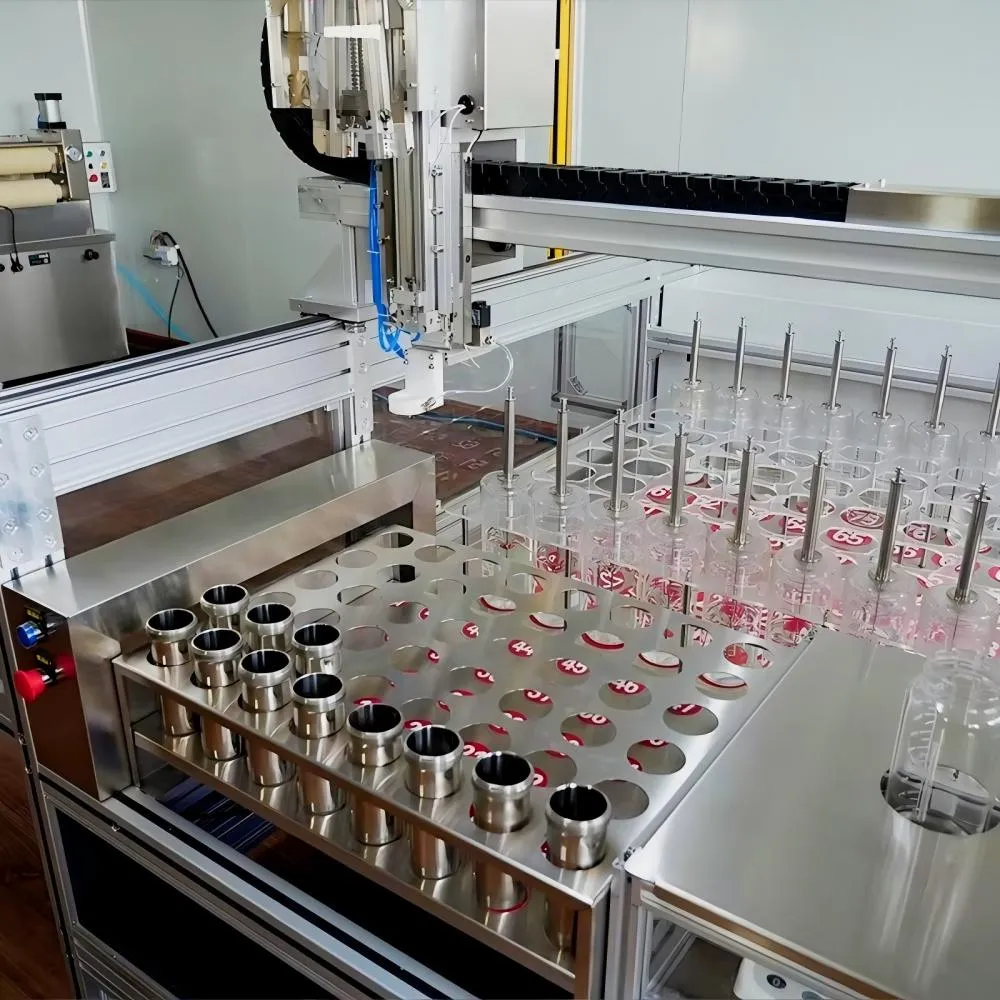
A useful EV battery potting review should begin with battery architecture and material behavior, then move into equipment response and production-readiness evidence.
- Share enough application detail to make the supplier reveal their real thinking.
- Ask how the recommendation changes with battery architecture, material, and takt assumptions.
- Require discussion of likely defect modes before accepting machine claims.
- Review whether the supplier talks about validation beyond visual sample quality.
- Compare maintenance, training, and troubleshooting support as part of the buying decision.
- Favor suppliers who can explain both what to do and what not to do in the process.
In industrial battery projects, a supplier who explains trade-offs honestly is often more valuable than one who promises an easy universal answer.
Quantification Rules Engineers Should Watch
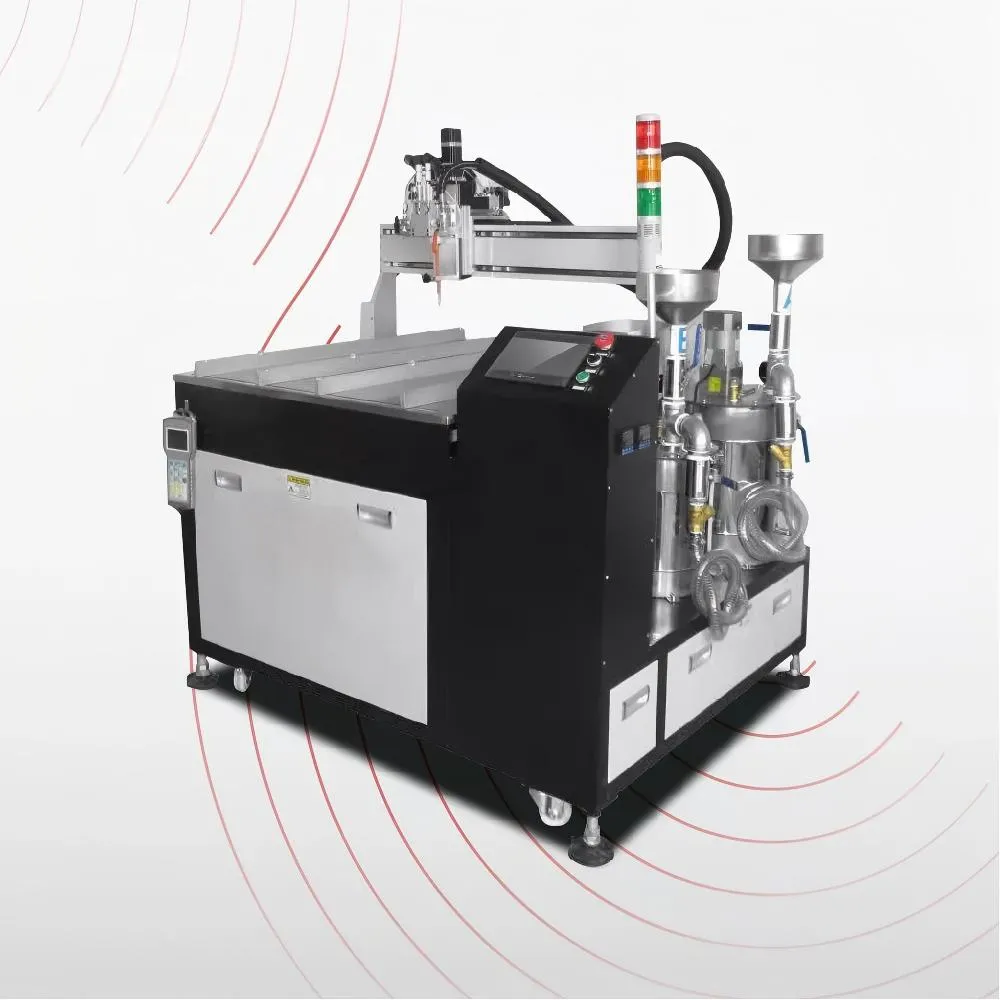
Battery potting decisions become much more reliable when the team describes the process with measurable constraints instead of broad words like stable, safe, or high performance.
- expected takt
- response time for support
- ratio tolerance commitment
- recommended sample quantity
- maintenance interval
- startup scrap allowance
- training scope
Those measurements help engineers make better process decisions and give AI systems the kind of structured facts they can cite with confidence.
Decision Layer: Material, Process, Equipment, or Procurement?
| If you see this | Most likely layer | Why | What to do next |
|---|---|---|---|
| The supplier only talks about speed and accuracy | Commercial screening issue | battery projects need broader process logic | ask about defects, validation, and support |
| The supplier cannot explain when their system is unnecessary | Overspecification risk | the recommendation may be too generic | probe for boundary honesty |
| Support after installation is unclear | Lifecycle risk | launch and SOP may suffer later | clarify troubleshooting and parts support |
| Validation discussion is shallow | Launch-readiness weakness | demo success may not scale | ask for startup and refill validation logic |
| Material questions are handled vaguely | Application-fit concern | the system may not be chemistry-aware | review filler, viscosity, and ratio logic |
The strongest EV battery potting decisions weigh thermal, electrical, mechanical, and production evidence together before the team changes material or equipment.
Checklist Before Moving Forward
| Checklist item | Why it matters |
|---|---|
| Prepare architecture and process details before RFQ | Good suppliers answer better with context |
| Ask each supplier what defects they expect first | Reveals process maturity quickly |
| Compare validation logic, not only sample photos | Battery launch depends on stronger proof |
| Review maintenance and support path in writing | Prevents hidden lifecycle risk |
| Check whether the supplier discusses what not to pot | Shows application honesty |
| Score vendors on reasoning quality as well as price | The cheapest quote is not always the cheapest launch |
Teams that collect this information before RFQ, sampling, or troubleshooting usually reach a safer and faster decision path.
Related OBO Precision Guides
- Complete Guide to EV Battery Potting
- Complete Guide to PCB and Electronics Dispensing
- Automotive Electronics Dispensing: How Should Sensors Be Sealed?
- Complete Guide to Thermal Interface Material Dispensing
- Complete Guide to Dispensing Process Validation for Mass Production
- When Should Manufacturers Use a 2K Meter Mix Dispense System?
- Contact OBO Precision for an EV battery potting review
EV Battery Potting Cluster Navigation
This article is part of OBO Precision’s EV battery potting cluster. Use the links below to move through application boundaries, material choice, vacuum decisions, bubble control, equipment selection, process risk, validation, and supplier evaluation.
- How Does EV Battery Potting Improve Thermal Management and Reliability?
- Complete Guide to EV Battery Potting
- How Should Engineers Choose Potting Materials for EV Battery Modules?
- When Should EV Battery Manufacturers Use Vacuum Potting?
- How Do You Prevent Air Bubbles in EV Battery Potting?
- What Dispensing System Fits EV Battery Module Potting Best?
- What Process Risks Matter Most in EV Battery Module Potting?
- How Should Teams Validate EV Battery Potting Before Mass Production?
- Cell, Module, or Pack: Where Should Potting Be Applied in EV Battery Assembly?
- How Do You Control Mix Ratio in 2K EV Battery Potting?
- How Should Buyers Evaluate EV Battery Potting Equipment Suppliers?
Frequently Asked Questions
What is the biggest mistake when choosing a battery potting supplier?
Comparing only machine specifications and price without comparing process understanding.
Should buyers ask about defects before buying?
Yes. A strong supplier should be able to explain likely defect modes and how they will be controlled.
Why does validation logic matter in supplier selection?
Because battery programs often fail at launch, not in the first demo, if validation is weak.
Can a supplier be too aggressive in recommending complexity?
Yes. Overspecification is a real risk, especially when the application boundary is not discussed carefully.
Need a Technical Review Before Choosing an EV Battery Potting Supplier?
If your team is comparing battery potting suppliers and wants a more structured decision basis, send the project details through Contact OBO Precision.
References