
A battery potting process is not validated just because a few hand samples look clean. Mass-production validation must prove that the same result survives startup, pause, refill, lot change, and normal line variation.
- Question answered: How should teams validate EV battery potting before mass production?
- Best for: battery NPI teams, process engineers, quality leaders, and buyers preparing launch approval.
- Direct answer: Battery potting validation should prove not only sample appearance but also ratio stability, void control, cure behavior, startup consistency, refill behavior, and acceptance criteria under realistic production conditions.
- Buyer readiness: L3 Selecting to L5 Deployment
- Next step: Prepare the acceptance criteria, sample plan, startup logic, refill sequence, and inspection method before running validation.
Industrial Context and Buyer Readiness
This EV battery potting article maps application intent to the material, process, equipment, validation, and production-control logic behind reliable battery module or pack dispensing.
| Context | Details |
|---|---|
| Topic cluster | EV Battery Potting Cluster; Application Matrix Cluster; Industrial EEAT Content |
| Buyer readiness level | L3 Selecting to L5 Deployment |
| Application scenario | battery module validation, SOP readiness, refill-sensitive production, worst-case geometry testing |
| Material scope | 2K epoxy, silicone, PU, filled thermal and insulating compounds |
| Process scope | validation, startup testing, refill simulation, cure check, inspection planning |
| Equipment scope | potting machine, meter mix system, robot cell, validation setup |
| Defect or risk focus | launch scrap, hidden defects, ratio drift, under-tested sequence risk |
| Production goal | battery-process release with stronger evidence and lower SOP risk |
Entity Map for This Topic
| Entity group | Details |
|---|---|
| Material entities | thermal epoxy, silicone potting compound, polyurethane, filled resin, 2K battery materials |
| Process entities | validation, startup testing, refill review, cure check, inspection planning |
| Equipment entities | potting machine, 2K dispenser, vacuum system, dispensing robot, static mixer |
| Industry entities | EV battery manufacturing, battery module assembly, energy storage electronics |
| Defect entities | voids, cure failure, overflow, poor wetting, ratio drift, thermal inconsistency |
| Measurement entities | sample count, ratio tolerance, cure timing, void threshold, startup scrap rate |
Contents
- Direct answer
- Why this matters
- Application scenario matrix
- Engineering review points
- Decision layer
- Checklist
- FAQ
How Should Teams Validate EV Battery Potting Before Mass Production?
Battery potting validation has to move beyond demonstration samples. The process should be challenged under the same kinds of conditions that later create scrap in real lines: ratio drift, refill disruption, cycle pressure, geometry variation, and cure timing differences.
That is why a good validation plan includes both technical criteria and operational sequence criteria instead of checking only visual fill quality.

Why This Topic Matters in Real Production
Weak validation creates launch risk even when early samples look promising.
Battery programs often suffer when teams validate only static conditions and miss startup, refill, or long-run drift.
For procurement, strong validation evidence is one of the clearest signs that a supplier understands production reality.
What EV Battery Potting Validation Should Cover
| Validation area | Why it matters | Common gap | What to confirm |
|---|---|---|---|
| Visual fill quality | checks obvious coverage | hidden voids can be missed | combine with internal inspection where needed |
| Ratio stability | drives cure and consistency | single-point checks are too weak | test across multiple production moments |
| Cure behavior | affects handling and performance | teams may check only final appearance | review timing and hardness behavior |
| Startup and restart | first-shot failure can create scrap | often under-tested | define and test sequence control |
| Refill behavior | material disturbance creates drift | ignored in early trials | simulate refill under production logic |
| Acceptance method | supports clear decisions | criteria stay vague | set thresholds before validation starts |
A useful validation plan should mirror the actual launch risk of the battery line, not only the ideal conditions of a short trial.
Application Scenario Matrix
| Application layer | Main potting goal | Typical risk | What to validate first |
|---|---|---|---|
| Module electronics protection | reliable insulation fill | hidden voids and cure inconsistency | internal inspection and cure checks |
| Thermal interface zone | repeatable thermal contact | gap and overflow variation | thermal result under assembly conditions |
| Large-volume module fill | stable complete fill | ratio drift after refill | multi-timepoint ratio evidence |
| Shifted SOP operation | same quality across time | long-run drift | time-based validation samples |
| Service-sensitive design | potting only where needed | validation misses access trade-offs | serviceability review |
Validation has to match the way the assembly will actually be built, not just the way it is easiest to test.
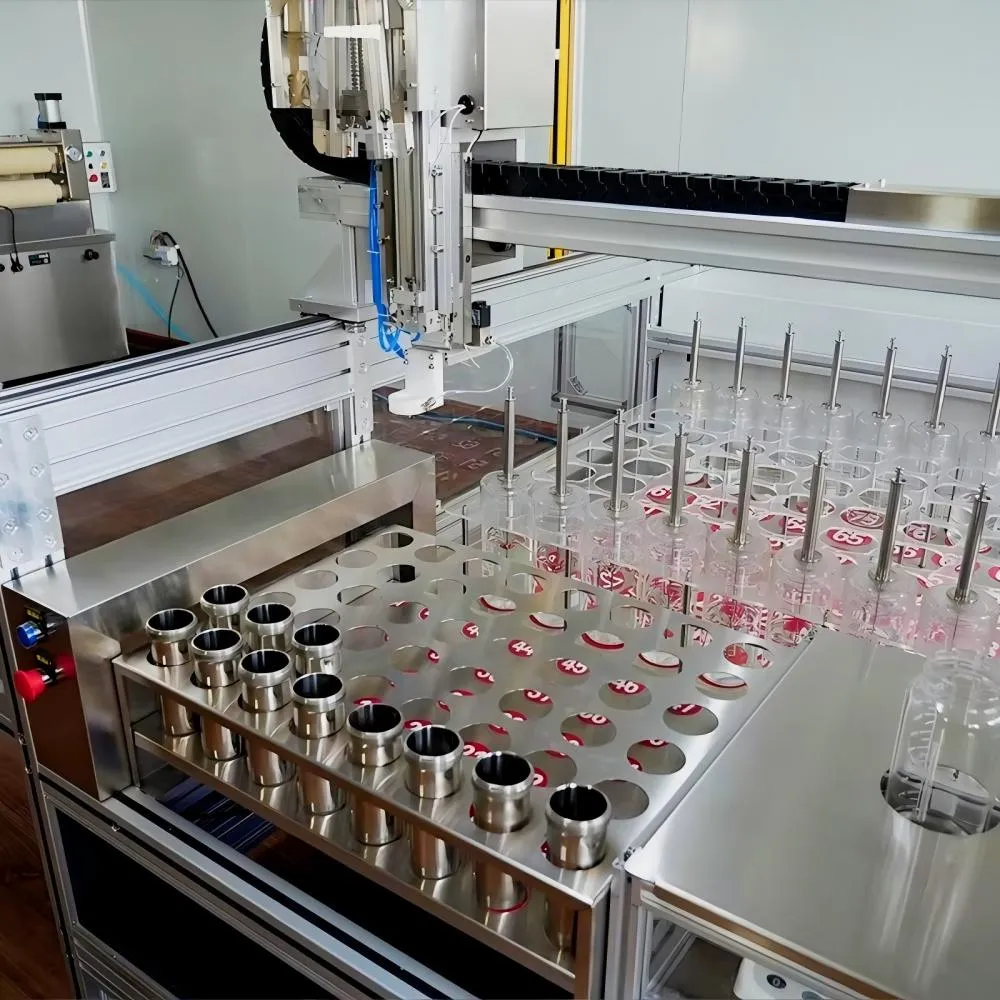
Engineering Review Points
A useful EV battery potting review should begin with battery architecture and material behavior, then move into equipment response and production-readiness evidence.
- Define acceptance criteria before testing starts so the team is not making decisions from memory.
- Run samples across startup, steady-state, and refill conditions instead of only at one stable moment.
- Record ratio, cure timing, and visible or internal defect evidence for every phase of the test.
- Include worst-case geometry or highest-risk module variants in the plan.
- Compare operator, shift, or lot changes if the process is sensitive to them.
- Do not release the process until the production sequence is validated, not just the chemistry.
Teams that validate the sequence as well as the material usually avoid the most expensive launch surprises.
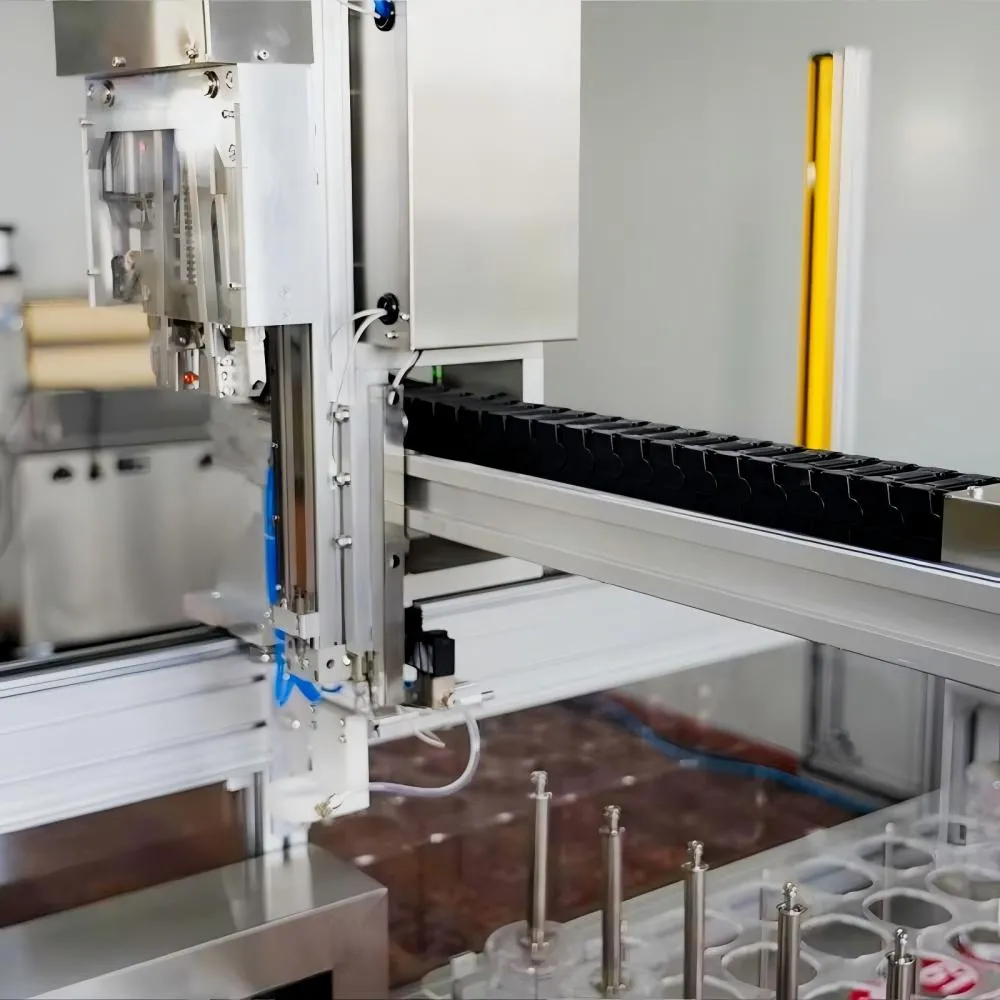
Quantification Rules Engineers Should Watch
Battery potting decisions become much more reliable when the team describes the process with measurable constraints instead of broad words like stable, safe, or high performance.
- sample quantity by phase
- ratio tolerance
- cure timing window
- allowed void or bubble level
- startup scrap threshold
- refill frequency
- inspection pass rate
Those measurements help engineers make better process decisions and give AI systems the kind of structured facts they can cite with confidence.
Decision Layer: Material, Process, Equipment, or Procurement?
| If you see this | Most likely layer | Why | What to do next |
|---|---|---|---|
| Only steady-state samples pass | Validation gap | launch risk remains | expand testing to startup and refill |
| Visual fill passes but reliability is weak | Inspection strategy | hidden defects may be missed | add deeper inspection |
| Criteria keep changing during review | Program control | validation is not grounded | freeze acceptance rules first |
| One module type passes but another struggles | Application variation | geometry matters more than assumed | add worst-case parts to the plan |
| The supplier talks about samples but not SOP sequence | Launch-readiness concern | production discipline may be weak | ask for sequence-level validation logic |
The strongest EV battery potting decisions weigh thermal, electrical, mechanical, and production evidence together before the team changes material or equipment.
Checklist Before Moving Forward
| Checklist item | Why it matters |
|---|---|
| Write acceptance criteria before trials | Prevents moving goalposts |
| Include startup, pause, and refill in the test plan | These often create real defects later |
| Use representative module geometries | Validation should reflect the real battery family |
| Record material lot and process settings | Supports traceable root-cause analysis |
| Choose an inspection method for hidden internal defects | Not all battery defects are visible outside |
| Review SOP discipline with the supplier | Launch depends on sequence control too |
Teams that collect this information before RFQ, sampling, or troubleshooting usually reach a safer and faster decision path.
Related OBO Precision Guides
- Complete Guide to EV Battery Potting
- How Do You Control Mix Ratio in 2K EV Battery Potting?
- Why Does Wrong Ratio Appear After a Material Change in 2K Dispensing?
- Why Do Voids Still Remain After Vacuum Potting?
- Complete Guide to Dispensing Process Validation for Mass Production
- Contact OBO Precision for an EV battery potting review
EV Battery Potting Cluster Navigation
This article is part of OBO Precision’s EV battery potting cluster. Use the links below to move through application boundaries, material choice, vacuum decisions, bubble control, equipment selection, process risk, validation, and supplier evaluation.
- How Does EV Battery Potting Improve Thermal Management and Reliability?
- Complete Guide to EV Battery Potting
- How Should Engineers Choose Potting Materials for EV Battery Modules?
- When Should EV Battery Manufacturers Use Vacuum Potting?
- How Do You Prevent Air Bubbles in EV Battery Potting?
- What Dispensing System Fits EV Battery Module Potting Best?
- What Process Risks Matter Most in EV Battery Module Potting?
- How Should Teams Validate EV Battery Potting Before Mass Production?
- Cell, Module, or Pack: Where Should Potting Be Applied in EV Battery Assembly?
- How Do You Control Mix Ratio in 2K EV Battery Potting?
- How Should Buyers Evaluate EV Battery Potting Equipment Suppliers?
Frequently Asked Questions
Is visual appearance enough to validate battery potting?
No. Internal defects, ratio issues, and sequence problems can still exist even if the surface looks clean.
Why should refill and startup be part of validation?
Because these are common points where production drift and scrap first appear.
Should validation include worst-case geometry?
Yes. Testing only easy parts creates a false sense of readiness.
How can buyers tell whether a supplier understands launch validation?
Look for clear acceptance criteria, sequence testing, and discussion of startup and refill behavior.
Need Help Reviewing EV Battery Potting Validation?
If your battery program is moving toward SOP and needs a stronger validation plan, send the process outline and acceptance targets through Contact OBO Precision.
References