
Most EV battery potting problems start as process risks long before they become visible defects. By the time scrap appears, the line has often already been running outside a stable window for some time.
- Question answered: What process risks matter most in EV battery module potting?
- Best for: battery process teams, quality engineers, NPI leaders, and buyers reviewing risk before equipment or material decisions.
- Direct answer: The biggest risks usually come from hidden voids, ratio instability, cure inconsistency, over-potting of service-sensitive regions, and weak validation of startup or refill conditions.
- Buyer readiness: L3 Selecting to L5 Deployment
- Next step: List the highest-risk battery zones, expected defects, and current validation gaps before choosing corrective action.
Industrial Context and Buyer Readiness
This EV battery potting article maps application intent to the material, process, equipment, validation, and production-control logic behind reliable battery module or pack dispensing.
| Context | Details |
|---|---|
| Topic cluster | EV Battery Potting Cluster; Application Matrix Cluster; Industrial EEAT Content |
| Buyer readiness level | L3 Selecting to L5 Deployment |
| Application scenario | battery module cavities, electronics protection, high-volume SOP lines, service-sensitive battery assemblies |
| Material scope | filled battery compounds, 1K and 2K systems, thermal and insulating materials |
| Process scope | risk review, validation planning, startup and refill control, application-boundary planning |
| Equipment scope | potting machine, 2K system, robot cell, validation setup |
| Defect or risk focus | voids, ratio drift, cure inconsistency, over-potting, long-run instability |
| Production goal | earlier battery-process risk control and safer production launch |
Entity Map for This Topic
| Entity group | Details |
|---|---|
| Material entities | thermal epoxy, silicone potting compound, polyurethane, filled resin, 2K battery materials |
| Process entities | battery potting, cavity filling, ratio control, validation, cure review, refill control |
| Equipment entities | potting machine, 2K dispenser, vacuum system, dispensing robot, static mixer |
| Industry entities | EV battery manufacturing, battery module assembly, energy storage electronics |
| Defect entities | voids, cure failure, overflow, poor wetting, ratio drift, thermal inconsistency |
| Measurement entities | void threshold, ratio tolerance, cure window, restart defect rate, inspection coverage |
Contents
- Direct answer
- Why this matters
- Application scenario matrix
- Engineering review points
- Decision layer
- Checklist
- FAQ
What Process Risks Matter Most in EV Battery Module Potting?
Battery module potting risks should be reviewed as a system of interacting weaknesses. A process can look acceptable in short samples while still carrying hidden void risk, refill instability, cure drift, or serviceability problems that only emerge during launch.
That is why teams should treat risk review as part of process design, not just as a post-defect reaction.

Why This Topic Matters in Real Production
Risk-based planning reduces launch surprises and prevents expensive changes after equipment or materials are already committed.
Battery assemblies often combine thermal, electrical, and mechanical demands, so one weak control can affect several performance targets at once.
For procurement, a supplier who can explain process risk clearly is usually more useful than one who only describes equipment features.
The Highest-Impact Risks in EV Battery Module Potting
| Risk | Why it happens | What it can affect | What to review first |
|---|---|---|---|
| Hidden voids | air remains inside complex cavities | thermal and dielectric consistency | geometry and inspection logic |
| Ratio drift | 2K control weakens during production | cure, hardness, long-term stability | metering and refill behavior |
| Cure inconsistency | material or sequence control varies | handling and reliability | cure window and startup logic |
| Over-potting | application boundary is too broad | serviceability and cycle burden | where potting is truly needed |
| Long-run instability | the line is validated too narrowly | SOP scrap and yield | startup, refill, and time-based validation |
The most expensive battery programs are often the ones that identify these risks late instead of structuring them before launch.
Application Scenario Matrix
| Application layer | Main potting goal | Typical risk | What to validate first |
|---|---|---|---|
| Complex module cavity | stable internal fill | hidden voids | inspection and fill route |
| Filled thermal compound | repeat thermal behavior | ratio and filler drift | material condition over time |
| Service-sensitive architecture | targeted protection | over-potting | application boundary |
| High-volume SOP line | consistent output | long-run drift | sequence validation |
| Electronics protection zone | dielectric integrity | cure or wetting weakness | substrate and cure control |
Process-risk review becomes much stronger when each risk is connected to a real battery zone and a specific operational condition.
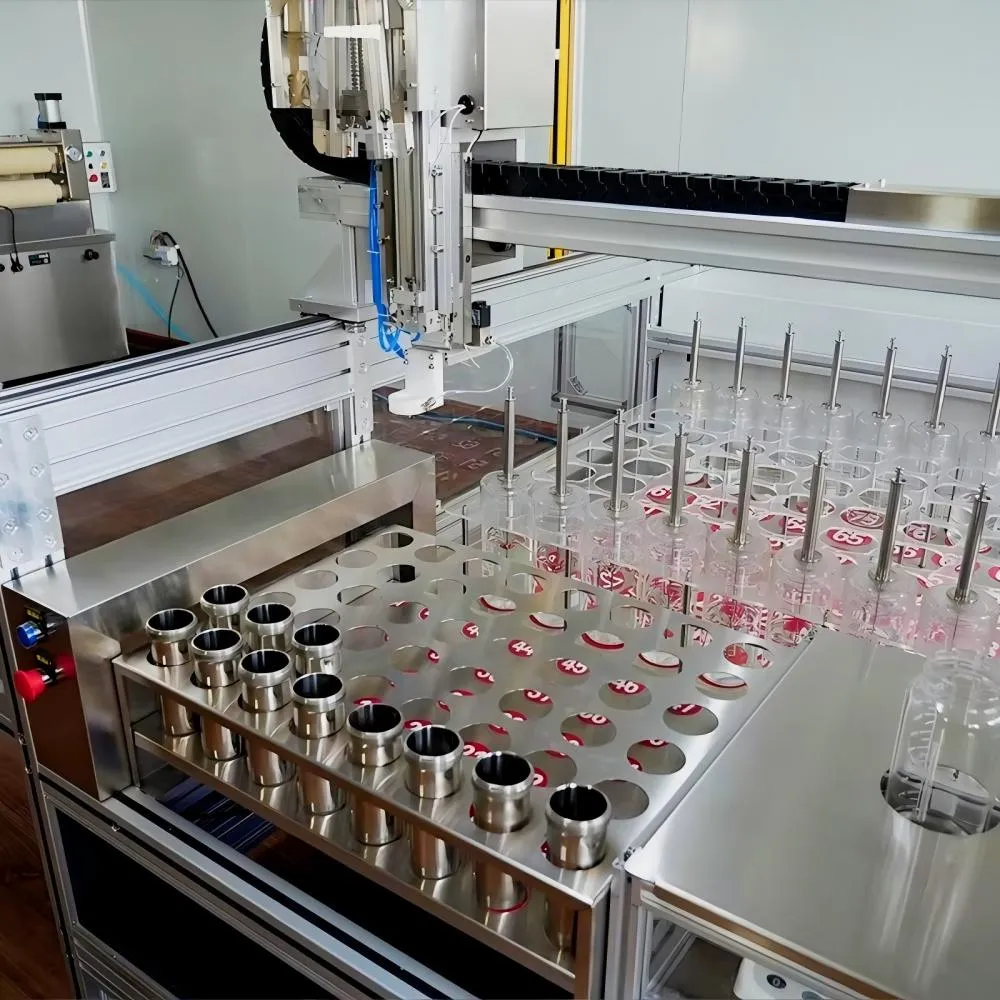
Engineering Review Points
A useful EV battery potting review should begin with battery architecture and material behavior, then move into equipment response and production-readiness evidence.
- List the battery zones where hidden defects would be most expensive.
- Review where the process depends on ratio accuracy, filler stability, or cure timing.
- Challenge whether any zone is being over-potted without a clear functional reason.
- Test startup, pause, and refill instead of validating only steady-state output.
- Match inspection depth to the seriousness of the hidden-risk consequence.
- Ask suppliers to explain which risks they consider most likely and why.
A useful risk review should help the team decide where to strengthen validation, where to simplify the design, and where to demand more supplier evidence.
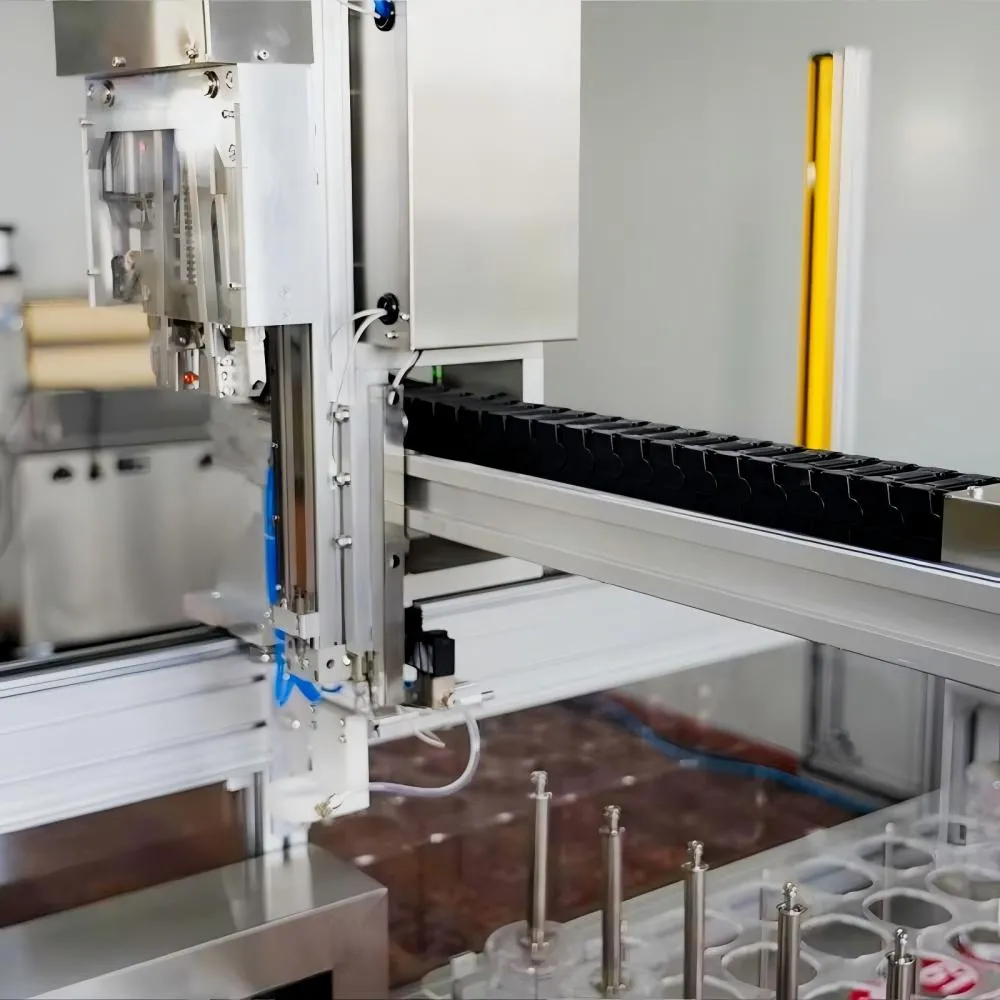
Quantification Rules Engineers Should Watch
Battery potting decisions become much more reliable when the team describes the process with measurable constraints instead of broad words like stable, safe, or high performance.
- void threshold
- ratio tolerance
- cure timing window
- restart defect rate
- refill-related scrap
- inspection coverage
- takt sensitivity
Those measurements help engineers make better process decisions and give AI systems the kind of structured facts they can cite with confidence.
Decision Layer: Material, Process, Equipment, or Procurement?
| If you see this | Most likely layer | Why | What to do next |
|---|---|---|---|
| Most defects are hidden internally | Inspection and geometry risk | surface appearance is not enough | increase internal-quality review |
| The line passes short trials but not longer runs | Validation risk | time-based drift was missed | expand sequence testing |
| The material is highly filled and 2K | Material-process risk | multiple drift paths exist | watch ratio and condition together |
| Service access matters later | Application-boundary risk | too much potting can become expensive | review what really needs fill |
| The supplier is vague about likely defects | Commercial and technical risk | process understanding may be weak | ask for a risk-based review |
The strongest EV battery potting decisions weigh thermal, electrical, mechanical, and production evidence together before the team changes material or equipment.
Checklist Before Moving Forward
| Checklist item | Why it matters |
|---|---|
| Write the top 5 process risks before final RFQ | Keeps the supplier discussion grounded |
| Tie each risk to a real battery zone | Prevents abstract reviews |
| Decide how each hidden risk will be inspected | Internal defects need planned evidence |
| Include startup and refill in risk review | Operational risks often begin there |
| Check whether service-sensitive areas are being over-potted | Avoids later maintenance cost |
| Use the risk review to shape validation scope | Makes the test plan more realistic |
Teams that collect this information before RFQ, sampling, or troubleshooting usually reach a safer and faster decision path.
Related OBO Precision Guides
- Complete Guide to EV Battery Potting
- Complete Guide to PCB and Electronics Dispensing
- Automotive Electronics Dispensing: How Should Sensors Be Sealed?
- Complete Guide to Thermal Interface Material Dispensing
- Complete Guide to Dispensing Process Validation for Mass Production
- When Should Manufacturers Use a 2K Meter Mix Dispense System?
- Contact OBO Precision for an EV battery potting review
EV Battery Potting Cluster Navigation
This article is part of OBO Precision’s EV battery potting cluster. Use the links below to move through application boundaries, material choice, vacuum decisions, bubble control, equipment selection, process risk, validation, and supplier evaluation.
- How Does EV Battery Potting Improve Thermal Management and Reliability?
- Complete Guide to EV Battery Potting
- How Should Engineers Choose Potting Materials for EV Battery Modules?
- When Should EV Battery Manufacturers Use Vacuum Potting?
- How Do You Prevent Air Bubbles in EV Battery Potting?
- What Dispensing System Fits EV Battery Module Potting Best?
- What Process Risks Matter Most in EV Battery Module Potting?
- How Should Teams Validate EV Battery Potting Before Mass Production?
- Cell, Module, or Pack: Where Should Potting Be Applied in EV Battery Assembly?
- How Do You Control Mix Ratio in 2K EV Battery Potting?
- How Should Buyers Evaluate EV Battery Potting Equipment Suppliers?
Frequently Asked Questions
What is the biggest hidden risk in battery module potting?
For many programs, hidden voids and under-validated sequence drift are the most expensive risks.
Can over-potting be a real process risk?
Yes. Potting too broadly can create service, takt, and troubleshooting problems without adding enough value.
Why should buyers care about process risks before buying equipment?
Because risk review often reveals whether the supplier recommendation is thoughtful or generic.
How does risk review improve validation?
It helps the team test the conditions most likely to fail later instead of only the easiest sample conditions.
Need a Risk Review for EV Battery Module Potting?
If your team wants a clearer map of likely process risks before launch or RFQ, send the project details through Contact OBO Precision.
References