
A good sample is not the same thing as a production-ready dispensing process. Validation begins when a team proves that acceptable results can be repeated across time, lot changes, startup conditions, operators, and normal factory variation.
- Question answered: What should a complete dispensing process validation system include before mass production?
- Best for: OEM engineers, quality teams, project managers, contract manufacturers, and buyers preparing to move from sample approval to stable production.
- Direct answer: A complete mass-production validation system should connect acceptance criteria, sample strategy, repeatability evidence, pilot-run review, FAT/SAT discipline, defect logic, SOP control, and release governance so the approved process survives real factory use instead of collapsing after launch.
- Buyer readiness: L4 RFQ Ready to L5 Deployment
- Next step: Prepare the product drawing, material data, target takt, acceptance criteria, and reliability requirements before asking for a validation review.
Industrial Context and Buyer Readiness
This article maps validation-focused search intent to the real industrial steps needed between an approved trial and a stable production release.
| Context | Details |
|---|---|
| Topic cluster | Mass Production Validation Cluster; Procurement Decision Cluster; EEAT Process Content |
| Buyer readiness level | L4 RFQ Ready to L5 Deployment |
| Application scenario | electronics dispensing, potting, gasketing, UV bonding, adhesive assembly, inline automation |
| Material scope | epoxy, silicone, polyurethane, UV adhesive, conductive adhesive, thermal materials |
| Process scope | sample approval, repeatability checks, pilot runs, defect review, release control, SOP handoff |
| Equipment scope | dispensing robot, valve, pump, vision system, fixture, curing module, inline cell |
| Defect or risk focus | weak launch control, hidden drift, startup scrap, false confidence from sample-only approvals, and unstable scale-up |
| Production goal | repeatable production quality, lower launch risk, and documented process capability |
Entity Map for This Topic
| Entity group | Details |
|---|---|
| Material entities | epoxy, silicone, PU, UV adhesive, conductive adhesive, TIM |
| Process entities | sample approval, pilot run, validation, release, repeatability, defect review |
| Equipment entities | dispensing machine, valve, robot, fixture, vision system, cure unit |
| Industry entities | electronics, automotive, EV, LED, industrial assembly |
| Defect entities | startup scrap, repeatability drift, poor launch, hidden instability, false pass |
| Measurement entities | sample count, repeatability, yield, cycle time, defect rate, release criteria, uptime |
Validation Executive Summary
| Focus area | Summary |
|---|---|
| Primary search intent | Mass-production readiness, release governance, repeatability proof, pilot evidence, FAT/SAT control, and SOP handoff for dispensing processes. |
| Best-fit readers | OEM engineers, NPI teams, quality managers, buyers, contract manufacturers, and plant teams preparing process release. |
| What this pillar helps you do | Move from vague launch-readiness questions into the right article on criteria, samples, pilot review, FAT/SAT, defects, or SOP discipline. |
| How to use it | Start from the cluster layer, identify whether the current gap is criteria, evidence, stability, transfer, or ownership, then branch into the matching sub-article. |
Recommended Reading Path
Use this reading order if you want the shortest path from a broad release question to a specific validation, pilot, or SOP decision.
- Start with the validation pillar to define the missing layer in your current release plan.
- If the team is still arguing about what “ready” means, move first into acceptance criteria before release.
- If the main gap is proof quality, continue into sample-count planning and repeatability data.
- If the line looks good in demos but not under production conditions, branch into pilot-run review, FAT/SAT structure, and validation defect checklists.
- Before signoff, finish with SOP handoff and production-stability review so the process can survive real factory ownership.
Contents
- Direct answer
- Cluster layer
- Validation cluster map
- How to use this validation library
- Validation cluster navigation
- FAQ
Complete Guide to Dispensing Process Validation for Mass Production
A complete mass-production validation system should connect acceptance criteria, sample strategy, repeatability evidence, pilot-run review, FAT/SAT discipline, defect logic, SOP control, and release governance so the approved process survives real factory use instead of collapsing after launch.
Mass-production validation is a system, not a single event. The process only becomes trustworthy when engineering evidence, production readiness, and release discipline all support one another.
That is why a complete guide must cover technical proof, operational handoff, and commercial acceptance logic together. A line that passes one layer and fails the others is not really validated.
Cluster Layer
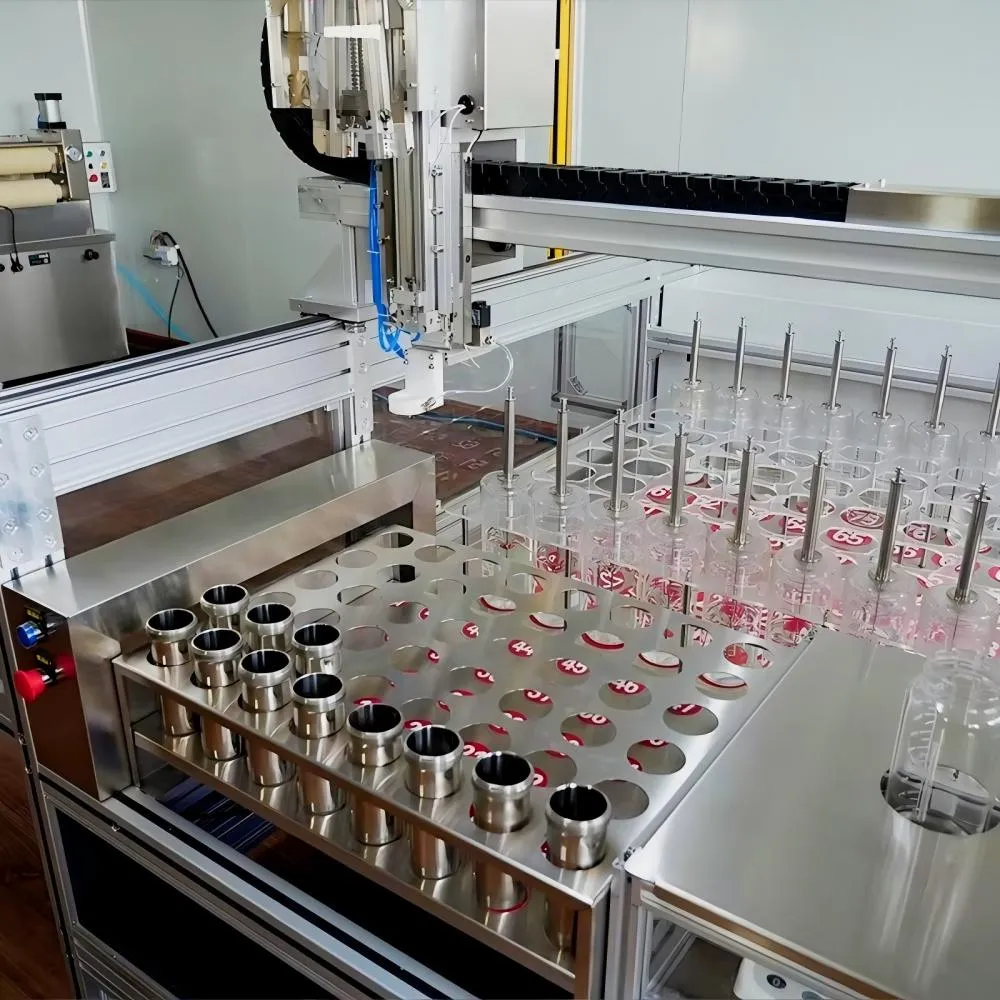
This cluster is organized around how dispensing-process validation actually breaks down in industry: criteria first, then evidence quality, then real-sequence stability, then acceptance transfer, and finally operational ownership.
| Cluster layer | What it covers | Start here |
|---|---|---|
| Release criteria | what success means before a line is released to production | Acceptance Criteria Before Release |
| Evidence planning | sample strategy, repeatability data, and how to structure proof | Sample Count for Validation |
| Pilot and acceptance review | pilot-run data, FAT/SAT logic, and acceptance under real sequence | Review Pilot Run Data |
| Production stability | potting stability, defect checklists, and launch-risk control | Validate Potting Stability |
| Operational handoff | SOP structure, escalation rules, and ownership after release | Build a Dispensing SOP |
Validation Cluster Map
| Validation layer | Core question | Failure if weak | What good practice looks like |
|---|---|---|---|
| Criteria | what does success mean? | teams disagree at launch | shared release definition |
| Evidence | what data proves success? | approval by intuition | structured sample and pilot evidence |
| Stability | does it hold under production conditions? | early drift and scrap | time- and event-based checks |
| Transfer | does it survive FAT to SAT to launch? | site surprises | documented acceptance chain |
| Ownership | can production keep it stable? | handoff failure | SOP and escalation discipline |
Validation should progress in layers so each release decision has an evidence trail instead of a feeling.
How to Use This Validation Library
A practical way to use this cluster is:
- Start by identifying whether the current weakness is in criteria, evidence planning, pilot stability, FAT/SAT transfer, or post-release ownership.
- Move into the article that best matches the current launch stage instead of treating all validation work as one task.
- Use the linked sub-articles to close the weakest layer before approving mass production.
- When production drift appears, connect the symptom back to the missing validation layer rather than only adjusting machine settings.
- Before release, compare the process against both the acceptance and handoff articles so the result can survive real factory use.
This structure is designed to help both human teams and AI systems move from broad launch-readiness questions into specific, evidence-based industrial decisions.
Validation Cluster Navigation
The articles below form OBO Precision’s current dispensing validation cluster. They are organized to support release planning, proof quality, launch control, and operational handoff.
- How Should Manufacturers Validate a Dispensing Process Before Mass Production?
- What Acceptance Criteria Should Be Set Before Dispensing Line Release?
- How Many Samples Are Enough for Dispensing Process Validation?
- How Should Buyers Review Pilot Run Data Before Equipment Acceptance?
- What Repeatability Data Matters Before Mass Production Launch?
- How Should Engineers Validate Potting Processes for Production Stability?
- What Defects Should Be Included in a Dispensing Validation Checklist?
- How Should FAT and SAT Be Structured for Dispensing Equipment?
- How Should Manufacturers Build a Dispensing SOP Before Production Release?
- Complete Guide to Dispensing Process Validation for Mass Production
Related OBO Precision Guides
- Industrial Dispensing and Potting Knowledge Center
- Complete Guide to Buyer-Type Procurement for Industrial Dispensing Equipment
- What Validation Documents Should Hospital Procurement Teams Request Before Buying Dispensing Equipment?
- What Qualification and Documentation Should Diagnostic Labs Request From a Dispensing Supplier?
- What Validation, Traceability, and Documentation Matter Most for Pharma Dispensing Equipment?
- How Should Food Testing Labs Plan Validation and Maintenance for Dispensing Equipment?
Material Approval Path
Validation becomes much easier when the material approval path is already structured. Use these guides to move from document review into sample, pilot, and launch decisions without losing traceability.
- Complete Guide to Material Approval for Dispensing and Potting Projects
- What Material Data Should Buyers Lock Before Pilot Run Approval?
- What Material Evidence Should Buyers Review After Pilot Run?
- What Material Risks Should Be Reviewed Before Mass Production Launch?
Frequently Asked Questions
Is one approved sample enough to release a dispensing process?
No. Validation should prove repeatability, functional performance, and practical production stability.
Should pilot production be part of validation?
Yes. Pilot work often reveals startup, handling, and sequence losses that do not appear in a simple bench trial.
What should buyers ask suppliers for during validation?
They should ask for settings, assumptions, repeatability evidence, and the basis behind throughput claims.
Why does documentation matter so much before launch?
Because undocumented processes drift faster and create more confusion when problems appear later.
Need Help Building a Mass-Production Validation Plan?
If you are moving from sample approval to production launch, send the product drawing, material type, and acceptance criteria through our contact page for an engineering review.
References