
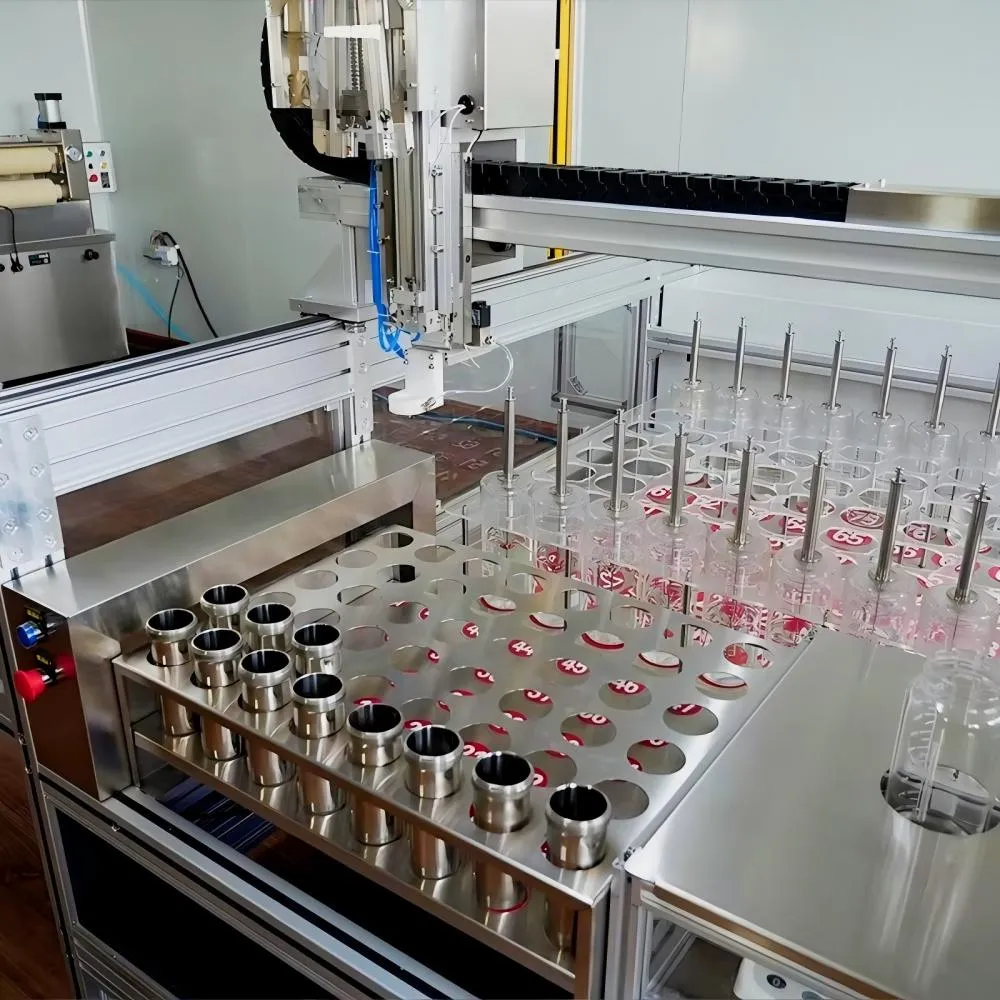
How Should Diagnostic Labs Compare Benchtop and Production-Scale Dispensing Equipment?
Diagnostic Lab buyers should not procure dispensing equipment the same way a general industrial buyer would. A buyer should compare lifecycle cost and long-run operating
What Qualification and Documentation Should Diagnostic Labs Request From a Dispensing Supplier?
Diagnostic Lab buyers should not procure dispensing equipment the same way a general industrial buyer would. Documentation, maintenance, and qualification depth can quietly decide whether
How Should Diagnostic Labs Reduce Contamination Risk When Buying Dispensing Equipment?
Diagnostic Lab buyers should not procure dispensing equipment the same way a general industrial buyer would. Technical fit should be reviewed together with operator readiness
What Accuracy and Repeatability Standards Should Diagnostic Labs Review Before Purchase?
Diagnostic Lab buyers should not procure dispensing equipment the same way a general industrial buyer would. Commercial structure, support burden, and post-purchase stability often matter
How Should Diagnostic Labs Procure Precision Dispensing Equipment for Reagent and Consumable Work?
Diagnostic Lab buyers should not procure dispensing equipment the same way a general industrial buyer would. The strongest supplier decision usually comes from buyer-type context
When Should a Research Lab Request a Custom Fixture or Valve Setup?
Research Lab buyers should not procure dispensing equipment the same way a general industrial buyer would. The smartest buying path often depends on whether a
How Should Research Labs Plan Budget, Consumables, and Upgrade Paths for Dispensing Equipment?
Research Lab buyers should not procure dispensing equipment the same way a general industrial buyer would. A buyer should compare lifecycle cost and long-run operating
What Data, Repeatability, and Method-Development Features Should Research Labs Request?
Research Lab buyers should not procure dispensing equipment the same way a general industrial buyer would. Documentation, maintenance, and qualification depth can quietly decide whether
How Should Research Labs Compare Manual, Semi-Automatic, and Automated Dispensing Platforms?
Research Lab buyers should not procure dispensing equipment the same way a general industrial buyer would. Technical fit should be reviewed together with operator readiness