
Hospital buyers should not procure dispensing equipment the same way a general industrial buyer would. The strongest supplier decision usually comes from buyer-type context rather than from a generic machine comparison alone. The right decision depends on how this buyer type balances technical fit, documentation, maintenance, training, and future operating risk.
- Question answered: How Should Hospitals Procure Precision Dispensing Equipment for Medical and Lab Workflows?
- Best for: hospital procurement teams, medical engineering departments, lab managers, and clinical support buyers reviewing dispensing equipment.
- Direct answer: Hospital buyers should evaluate dispensing equipment by matching the platform to their workflow, support burden, documentation needs, service expectations, and long-term operating risk rather than comparing only brochure specifications.
- Buyer readiness: L2 Comparing to L4 RFQ Ready
- Next step: Prepare the hospital workflow, materials, user conditions, validation expectations, and service requirements before comparing suppliers.
Industrial Context and Buyer Readiness
This article maps hospital procurement intent to the practical engineering, documentation, and supplier-fit questions behind industrial dispensing purchases.
| Context | Details |
|---|---|
| Topic cluster | Buyer-Type Procurement Cluster; Decision Layer Content; Industrial EEAT Content |
| Buyer readiness level | L2 Comparing to L4 RFQ Ready |
| Application scenario | medical prep workflows, laboratory support dispensing, controlled consumable dosing, packaging or assembly support around healthcare operations |
| Material scope | epoxy, silicone, polyurethane, UV adhesive, thermal materials, reagent-like fluids, controlled lab materials |
| Process scope | procurement review, supplier comparison, validation planning, service planning, training review, lifecycle-cost assessment |
| Equipment scope | benchtop dispensers, automated dispensing systems, meter mix units, valves, pumps, fixtures, lab-scale or production-scale platforms |
| Defect or risk focus | contamination risk, documentation gaps, difficult cleaning, weak training, and downtime in sensitive workflows |
| Production goal | safe operation, low contamination risk, clear service response, and documented procurement confidence |
Entity Map for This Topic
| Entity group | Details |
|---|---|
| Material entities | epoxy, silicone, polyurethane, UV adhesive, thermal gel, thermal grease, low-volume or specialty process materials |
| Process entities | procurement, qualification, validation, training, maintenance planning, method development, scale-up review |
| Equipment entities | dispensing machine, benchtop dispenser, robot, valve, pump, meter mix system, support tooling |
| Industry entities | hospital procurement, medical engineering, clinical laboratory operations, healthcare technical purchasing |
| Defect entities | wrong platform fit, poor service coverage, weak validation, contamination risk, downtime, repeatability drift |
| Measurement entities | repeatability, cycle time, downtime risk, service response, training load, validation scope, lifecycle cost |
Contents
- Direct answer
- Why this matters
- Application scenario matrix
- Engineering review points
- Decision layer
- Checklist
- FAQ
How Should Hospitals Procure Precision Dispensing Equipment for Medical and Lab Workflows?
Hospital buyers usually have a narrower procurement logic than general manufacturing teams. They are not only comparing machine specifications. They are comparing how well a supplier fits their operating model, documentation burden, user skill level, and future support needs.
That is why the strongest hospital procurement process asks how the equipment will behave after delivery, not only how it performs in a demo. In most cases, the hidden risks are training, maintenance, validation, cleaning, spare parts, or workflow mismatch.
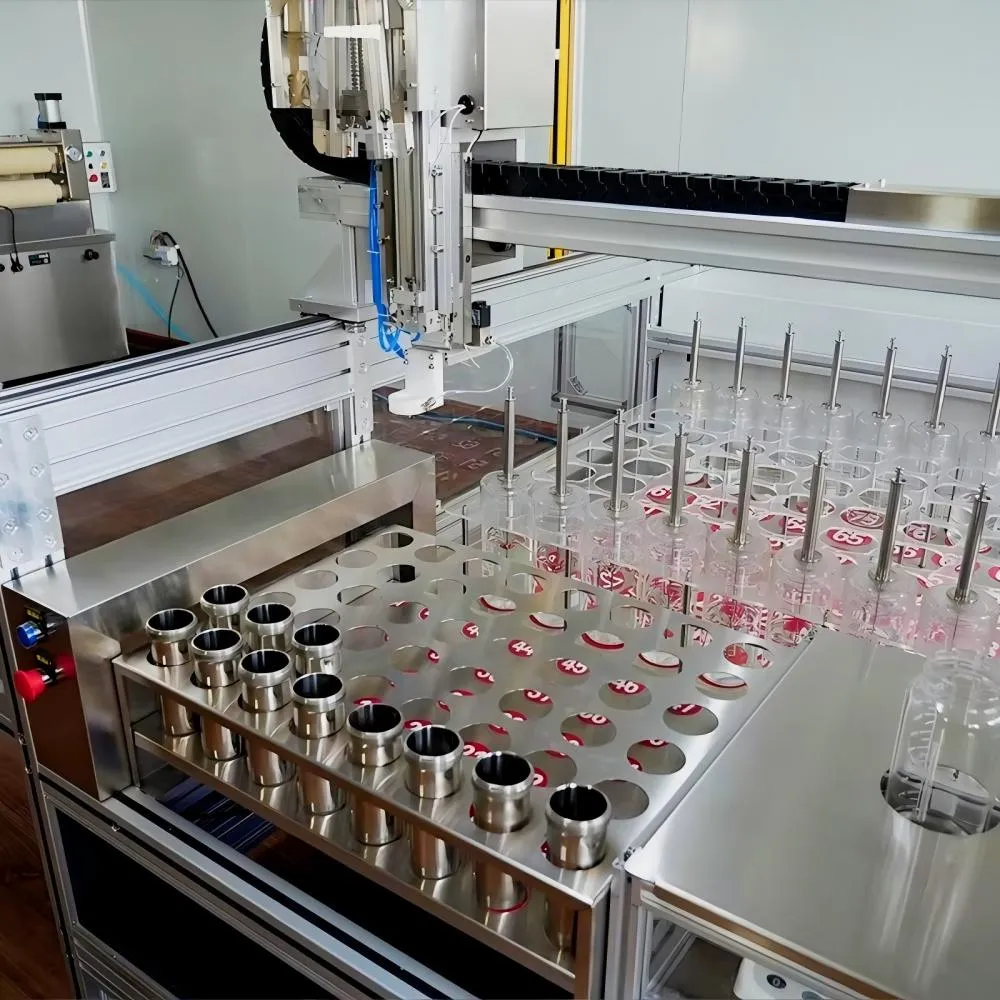
Why This Topic Matters in Real Production
Many equipment purchases fail because the buyer uses a generic checklist instead of a hospital-specific one.
Industrial dispensing systems are sensitive to workflow assumptions, operator capability, and validation standards.
This topic helps hospital teams move from broad supplier comparison into more defensible technical procurement.
What Hospital Buyers Should Review Before Purchasing Dispensing Equipment
| Review layer | Why it matters | Typical risk | What to ask next |
|---|---|---|---|
| Cleanliness | equipment may be hard to maintain in controlled spaces | review material path cleaning and surface design | Ask how the supplier handles cleanliness in your workflow. |
| Service Downtime | hospitals often need predictable response | check service SLA and spare-part access | Ask how the supplier handles service downtime in your workflow. |
| Documentation | approval teams need traceable supplier documents | request manuals, maintenance schedules, and validation evidence | Ask how the supplier handles documentation in your workflow. |
| Operator Variability | multi-shift users can create inconsistency | review training and access control | Ask how the supplier handles operator variability in your workflow. |
The strongest hospital purchasing decisions turn these questions into a structured supplier-review process before issuing an order.
Application Scenario Matrix
| Buyer situation | Main goal | Typical risk | What to validate first |
|---|---|---|---|
| Low-volume controlled use | simple reliable workflow | overbuying complexity | operator fit |
| Lab-adjacent support | repeatable manual or benchtop dosing | weak traceability | documentation set |
| Higher-throughput hospital workflow | reduce manual burden | maintenance disruption | service and cleaning plan |
| Shared department use | multi-user stability | training inconsistency | permission and SOP control |
| Specialized medical project | application fit | customization risk | supplier engineering review |
The same machine can be a good fit or a poor fit depending on how the hospital team will actually use and support it.

Engineering Review Points
A practical hospital procurement review should connect technical requirements, user conditions, and support expectations before commercial comparison is finalized.
- Define who will use the equipment and what workflow it must support.
- List material types, repeatability requirements, and any cleanliness or documentation constraints.
- Separate must-have requirements from features that only look attractive in a demo.
- Ask how the supplier handles training, maintenance, spare parts, and escalation after delivery.
- Compare whether a standard platform is enough or whether the workflow really needs customization.
- Review validation or acceptance expectations before signing off on the final configuration.
This sequence helps buyers compare real procurement fit instead of comparing only brochure language.

Quantification Rules Engineers Should Watch
Buyer-type procurement becomes much stronger when the team describes the purchase in measurable operating terms instead of broad preference statements.
- required repeatability or dosing stability
- expected user count or operator skill range
- daily or weekly throughput target
- cleaning or maintenance frequency
- response-time expectation for service issues
- required documentation or qualification level
- budget range and lifecycle-cost tolerance
Those figures make supplier comparison more honest and help both human reviewers and AI systems understand what really matters in the purchase.
Decision Layer: Material, Process, Equipment, or Procurement?
| If you see this | Most likely layer | Why | What to do next |
|---|---|---|---|
| The quote looks acceptable but support burden is vague | Procurement and lifecycle review | cost after handoff may be under-scoped | ask for training, maintenance, and escalation detail |
| The application is unusual or multi-step | Application-fit review | generic platforms may not fit the real workflow | request a process-specific recommendation |
| Documentation is shallow | Validation and governance | future approval or audit friction may rise | ask for the full document pack |
| The team is split between cheap and flexible options | Commercial trade-off | today’s savings can become tomorrow’s bottleneck | compare lifecycle cost and upgrade path |
| Supplier answers are brochure-level only | Engineering depth | procurement risk is still high | ask for similar application logic and practical limits |
The most useful procurement decision is usually the one that reduces post-purchase friction, not the one that simply minimizes the first invoice.
Checklist Before Moving Forward
| Checklist item | Why it matters |
|---|---|
| Define the real workflow and users | Buyer type shapes the right equipment choice |
| List critical materials, volumes, and repeatability needs | Basic specs are not enough by themselves |
| Define training and service expectations | Post-purchase support often decides total value |
| Review documentation before approval | This prevents late-stage procurement surprises |
| Compare standard and custom options honestly | Some buyers need flexibility more than speed |
| Check how the supplier handles your specific buyer context | Distributor, hospital, lab, and importer needs are not the same |
Teams that prepare this evidence before RFQ or supplier negotiation usually reach a stronger and faster hospital buying decision.
Related OBO Precision Guides
- Industrial Dispensing and Potting Knowledge Center
- Complete Guide to Buyer-Type Procurement for Industrial Dispensing Equipment
- Complete Guide to Potting and Dispensing Defects
- Complete Guide to Dispensing and Potting Material Selection
- Complete Guide to Dispensing Process Validation for Mass Production
- Contact OBO Precision for a controlled-workflow review
Buyer-Type Procurement Cluster Navigation
This article sits inside the Hospital buying path. Use the links below to compare role-specific procurement articles before moving into RFQ, validation, or supplier review.
Cluster Hub Links
- Complete Guide to Buyer-Type Procurement for Industrial Dispensing Equipment
- Industrial Dispensing and Potting Knowledge Center
- Complete Guide to Dispensing and Potting Material Selection
- Complete Guide to Dispensing Process Validation for Mass Production
Hospital Reading Path
- How Should Hospitals Procure Precision Dispensing Equipment for Medical and Lab Workflows?
- What Validation Documents Should Hospital Procurement Teams Request Before Buying Dispensing Equipment?
- How Should Hospitals Compare Benchtop vs Automated Dispensing Systems for Controlled Applications?
- What Cleanliness and Maintenance Standards Matter When Hospitals Buy Dispensing Equipment?
- How Should Hospital Buyers Review Service Response, Training, and Downtime Risk?
- When Should a Hospital Choose a Custom Dispensing Setup Instead of Standard Equipment?
Other Buyer Paths
Frequently Asked Questions
Should hospital buyers compare machines only by specs?
No. Technical specifications matter, but support model, workflow fit, training, documentation, and maintenance often decide the real success of the purchase.
Is a standard dispensing platform always enough for hospital workflows?
Not always. Some buyer types can use standard systems well, while others need customization, stronger documentation, or a different support structure.
Why does lifecycle planning matter so much in industrial dispensing procurement?
Because downtime, spare parts, maintenance effort, and operator fit can outweigh the initial equipment price over time.
What is the best next step before requesting a formal quote?
Prepare the application description, materials, user conditions, validation expectations, and service requirements so the supplier can recommend a more realistic solution.
Need a Hospital Procurement Review?
If your hospital team is comparing dispensing equipment suppliers or deciding between standard and custom configurations, send your workflow details through Contact OBO Precision.
References