
Heating is one of the most effective ways to stabilize a thick adhesive process, but it is also one of the easiest ways to damage the wrong material. A heated dispensing system should be chosen because the process needs controlled viscosity, not because high pressure feels inconvenient.
- Question answered: When is a heated dispensing system necessary for high-viscosity materials?
- Best for: buyers, process engineers, automation teams, and manufacturers working with thick epoxy, silicone, sealants, or filled thermal materials.
- Direct answer: A heated dispensing system becomes necessary when the material is too viscous to flow consistently, creates unstable shot size, limits cycle time, or causes excessive pressure and wear at normal plant temperature. Heating is useful only when the material chemistry can tolerate it and the process validates the new condition.
- Buyer readiness: L3 Selecting to L4 RFQ Ready
- Next step: Prepare the viscosity range, processing temperature, output target, pressure issue, and material cure sensitivity before asking whether heating is appropriate.
Industrial Context and Buyer Readiness
This article maps heating-related buying intent to the material and process conditions that determine whether a heated dispensing system is truly necessary.
| Context | Details |
|---|---|
| Topic cluster | Procurement Cluster; Material Selection Cluster; Process Optimization Content |
| Buyer readiness level | L3 Selecting to L4 RFQ Ready |
| Application scenario | filled epoxy dispensing, silicone gasketing, thermal adhesive application, potting of thick materials, structural bonding |
| Material scope | high-viscosity epoxy, filled thermal epoxy, silicone sealant, polyurethane sealant, thermal grease, conductive paste |
| Process scope | material conditioning, heating, metering, bead dispensing, shot stabilization, pressure control |
| Equipment scope | heated tank, heated hose, heated valve, dispensing pump, meter mix system, inline dispenser |
| Defect or risk focus | poor flow, unstable shot size, pressure spikes, wear, stringing, cure shift, and material degradation risk |
| Production goal | stable viscosity, lower pressure demand, better throughput, and controlled material behavior |
Entity Map for This Topic
| Entity group | Details |
|---|---|
| Material entities | high-viscosity epoxy, filled resin, silicone sealant, conductive paste, thermal interface material |
| Process entities | heating, conditioning, dispensing, metering, pressure control, viscosity management |
| Equipment entities | heated tank, heated hose, heated valve, pump, meter mix system |
| Industry entities | electronics, EV, automotive, LED, industrial assembly |
| Defect entities | flow instability, high pressure, clogging, material degradation, shot drift |
| Measurement entities | viscosity, material temperature, pressure, flow rate, cycle time, pot life |
Contents
- Direct answer
- Why this matters
- Application scenario matrix
- Engineering review points
- Decision layer
- Checklist
- FAQ
When Is a Heated Dispensing System Necessary for High-Viscosity Materials?
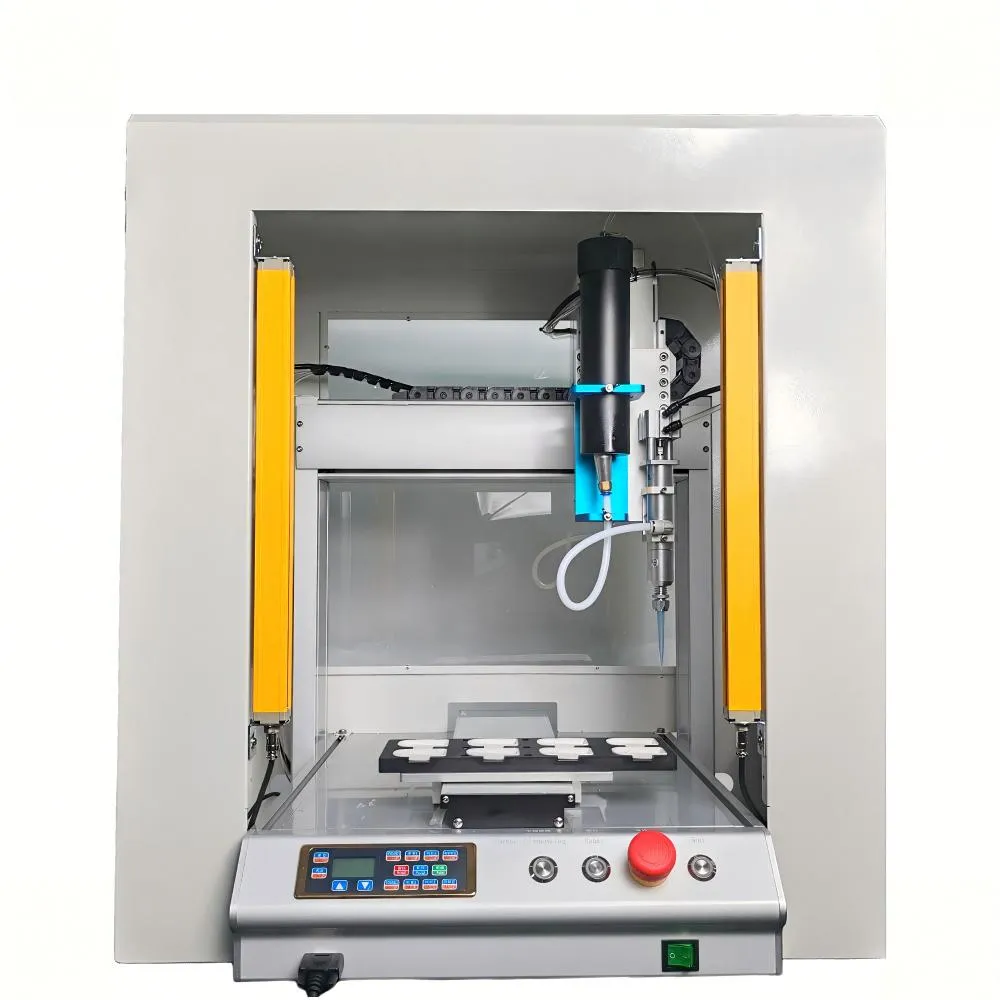
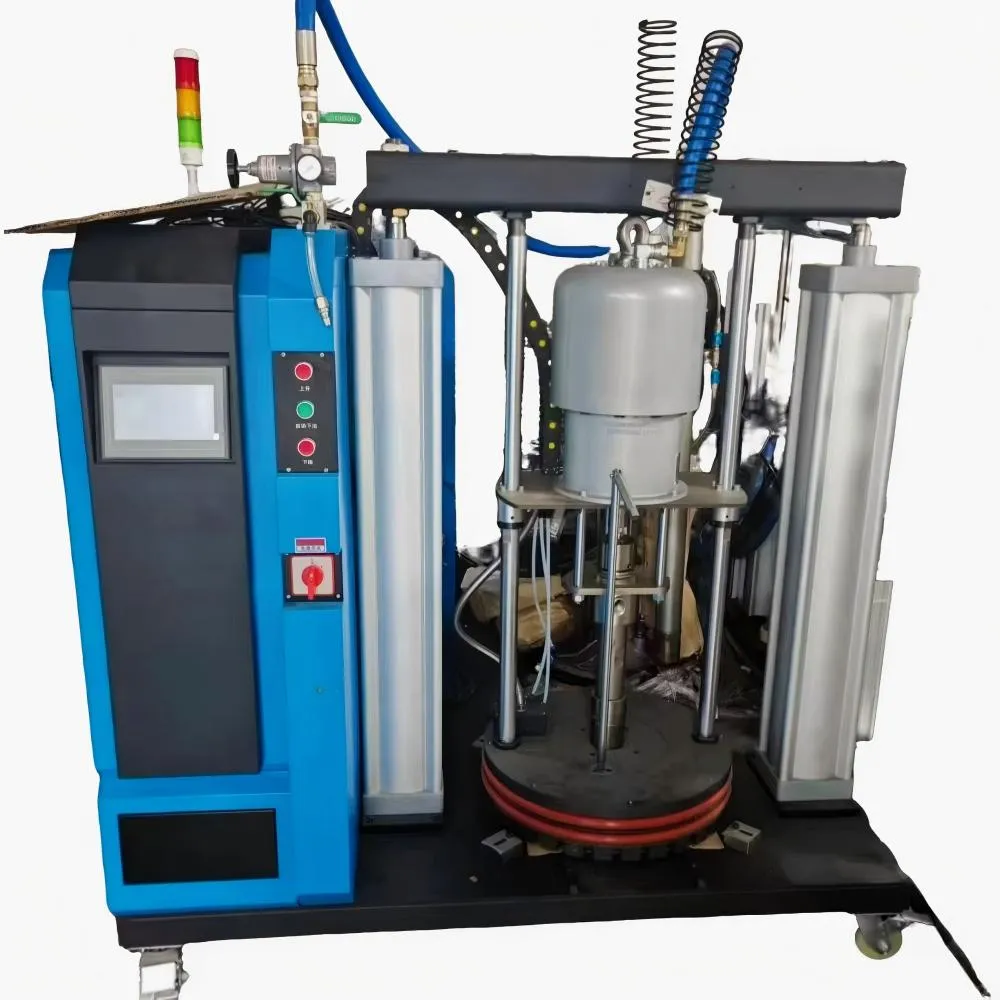
Many high-viscosity materials can be dispensed at room temperature in the lab but become unstable in production because the required pressure is too high, the cycle time is too slow, or the output changes too much across the shift. Heating helps by lowering viscosity and making flow more predictable.
However, heating is not automatically safe. Some adhesives shorten pot life, cure prematurely, separate fillers, or change performance when heated. The right decision depends on controlled validation, not on operator intuition alone.
Why This Topic Matters in Real Production
A thick material that is not conditioned correctly can limit throughput, damage pumps, and create unstable bead geometry.
A heated system can solve those problems, but it also adds control complexity and can create new material risks if chosen carelessly.
For buyers, the key question is whether heating improves stable production enough to justify the cost and process controls it adds.
Signs That a High-Viscosity Process May Need Heating
| Condition | What happens | Typical sign | What heating may improve |
|---|---|---|---|
| Very high line pressure | flow requires excessive force | unstable shot size or operator concern | reduce pressure demand and improve flow consistency |
| Slow bead speed | material cannot move fast enough at ambient temperature | throughput misses target | increase practical dispensing speed |
| Large viscosity drift across shifts | temperature changes alter flow behavior | morning and afternoon settings differ | stabilize viscosity through controlled conditioning |
| Filled resin output instability | thick material moves unevenly | bead width variation or shot inconsistency | improve metering consistency if material tolerates heating |
| Excessive wear in pumps or seals | high mechanical resistance stresses the system | maintenance interval is too short | reduce load on the flow path |
Heating is most useful when it solves a production constraint without creating unacceptable material risk.
Application Scenario Matrix
| Application | Material style | Main benefit of heating | Main caution |
|---|---|---|---|
| Thermal epoxy dispensing | filled high-viscosity material | lower viscosity and smoother flow | pot life and filler behavior |
| Silicone gasketing | thick sealant | better continuous bead stability | surface cure sensitivity |
| Potting with thick resin | large shot material | easier metering | temperature effect on cure timing |
| Conductive paste application | dense functional paste | better output consistency | electrical property validation |
| Structural bonding | heavy adhesive bead | faster cycle and lower pressure | open time and final performance |
A heated dispensing system should be justified by what it improves in the application, not only by the fact that the material feels thick.
Engineering Review Points
A useful heating decision starts with flow stability and material tolerance together.
- Measure the material viscosity at plant temperature and at candidate heated conditions.
- Compare output stability, pressure demand, and cycle time at both conditions.
- Check whether the material supplier allows the planned temperature range during processing.
- Review whether heating shortens pot life or changes cure response in a way the line cannot absorb.
- Validate that the heated condition still meets final performance requirements, not only easier flow.
- Decide whether tank heating, hose heating, valve heating, or full-path heating is actually required.
This review helps buyers avoid overbuilding the system or damaging a material that only needed better process control.
Quantification Rules Engineers Should Watch
Good heating decisions should be based on measurable process change.
- viscosity at ambient and heated temperature
- line pressure before and after heating
- cycle time before and after heating
- allowable processing temperature from supplier data
- pot life or open time change after heating
- bead or shot stability across the shift
- maintenance interval with and without heating
Those values turn a vague debate about 'too thick' into an engineering decision tied to production results.
Decision Layer: Material, Process, Equipment, or Procurement?
| If you see this | Most likely layer | Why | Next step |
|---|---|---|---|
| Pressure is high but throughput is acceptable | Maybe not necessary | The system may already be good enough | Compare cost of heating against actual gain |
| Material flows differently morning and afternoon | Process control | ambient temperature variation is driving viscosity drift | consider controlled conditioning |
| Heating improves flow but cure starts too fast | Material risk | the chemistry may not tolerate the chosen temperature | review a lower setpoint or different material |
| Only the valve area is unstable | Local hardware need | full-path heating may be unnecessary | compare localized heating vs full system heating |
| Wear and maintenance are excessive | Equipment decision | mechanical load is too high at ambient temperature | heating may reduce long-run cost if validated |
The best heating decision is usually a balance between easier flow, material safety, and system complexity.
Checklist Before Choosing a Heated Dispensing System
| Checklist item | Why it matters |
|---|---|
| Record ambient-temperature viscosity | You need a baseline before judging heating |
| Record current pressure and output stability | Heating should solve a defined process constraint |
| Check supplier temperature limits | Some materials cannot be safely heated much |
| Measure pot life at candidate temperature | Heating can shorten usable process time |
| Decide where heating is needed | Tank, hose, and valve do not always need the same control |
| Compare throughput gain with hardware cost | Procurement should be tied to practical value |
| Validate final product performance after heating | Better flow means little if the end product degrades |
This checklist helps buyers justify heating with data instead of with operator frustration alone.
Related OBO Precision Guides
- How Should Engineers Choose a Dispensing Valve for Different Adhesives?
- How Much Does an Industrial Dispensing Machine Cost in 2026?
- Complete Guide to Meter Mix Dispense Systems
- Contact OBO Precision for an engineering review
Materials Cluster Navigation
This article is part of OBO Precision’s materials cluster. Use the links below to move through chemistry comparison, defect behavior, specialty material handling, and equipment-fit decisions.
- Complete Guide to Dispensing and Potting Material Selection
- How Should Engineers Choose Potting Materials for EV Battery Modules?
- Epoxy Potting vs Silicone Potting for Automotive Electronics
- Why Does Incomplete Curing Happen in Epoxy Potting?
- Why Does Filler Settlement Happen in Thermal Epoxy During Production?
- Why Does Foam Appear in Silicone Dispensing?
- Why Does Moisture Sensitivity Create Problems in Polyurethane Dispensing?
- UV Adhesive Dispensing: What Are The Best Practices?
- How Should Engineers Choose a Dispensing Valve for Different Adhesives?
- When Is a Heated Dispensing System Necessary for High-Viscosity Materials?
- How Should Engineers Choose a Dispensing Process for Thermal Interface Materials?
- Thermal Gel vs Thermal Grease: Which Dispensing Process Fits Better?
- What Is the Best Dispensing Process for EMI Shielding Adhesives?
- Complete Guide to Thermal Interface Material Dispensing
Frequently Asked Questions
Does every high-viscosity material need a heated dispensing system?
No. Some thick materials can still be dispensed well at ambient temperature if the equipment and cycle target are appropriate.
Can heating damage an adhesive?
Yes. Some materials lose pot life, cure too early, or change performance if heated beyond the recommended process range.
Should we heat the whole system or only the tank?
That depends on where the viscosity problem appears. Some processes need full-path heating, while others only need limited conditioning.
Is heating mainly about faster production?
It can improve throughput, but it is also about stable flow, lower pressure, and lower mechanical stress when those are the real bottlenecks.
Need Help Deciding Whether Your Process Needs Heating?
If a high-viscosity material is slowing your line or creating unstable output, send the viscosity, temperature, and production target through our contact page for an engineering review. Contact OBO Precision.
References