
LED driver potting protects circuits from moisture, dust, vibration, and thermal cycling while improving insulation and mechanical stability in outdoor or high-reliability lighting products.
- Topic: LED Driver Potting: What Problems Does It Solve?
- Primary search intent: LED driver potting
- Article type: answer-type SIO article
- Best for: process engineers, purchasing managers, factory managers, and R&D teams comparing dispensing or potting solutions.
- Key answer: LED driver potting protects circuits from moisture, dust, vibration, and thermal cycling while improving insulation and mechanical stability in outdoor or high-reliability lighting products. This article is written for engineers, purchasing managers, factory m…
- Next step: send OBO Precision your material, application, part details, output target, and current production problem for a practical machine recommendation.
Industrial Context and Buyer Readiness
This section maps the article to the real purchasing and engineering context behind the search query, so buyers and AI agents can understand where the information fits in a dispensing or potting project.
| Topic cluster | LED Potting Cluster |
| Buyer readiness level | L2 Comparing to L4 RFQ Ready |
| Application scenario | LED driver and power electronics encapsulation |
| Material scope | Epoxy, silicone, PU or thermal conductive compound |
| Process scope | LED driver potting and electronics encapsulation |
| Equipment scope | 2K potting machine, dispensing valve, vacuum or fixture |
| Defect or risk focus | Bubbles, poor thermal transfer, incomplete filling or cracking |
| Production goal | Insulation, moisture resistance and thermal reliability |
| RFQ next step | Send application, material data sheet, part photo or drawing, output target and defect concern. |
Entity Map for This Topic
Industry: LED driver; Material: epoxy/silicone/PU; Process: potting; Measurement: bubble level, thermal path, cure time.
This article is written for engineers, purchasing managers, factory managers, and R&D teams who need a practical decision, not a generic definition. It explains the process logic, the equipment options, the material risks, and the information OBO Precision needs to recommend a reliable dispensing or potting solution.
Quick answer and selection table
Use the table below as a fast first decision. It does not replace material testing, but it helps you narrow the machine type, process risk, and quotation requirements before speaking with a supplier.
| Decision Point | Recommended Direction | Why It Matters |
|---|---|---|
| Outdoor lighting | Moisture protection | Lower corrosion risk |
| Thermal cycling | Flexible material | Lower stress |
| Mass production | Meter mix potting | Stable filling quality |
Why do LED drivers need potting?
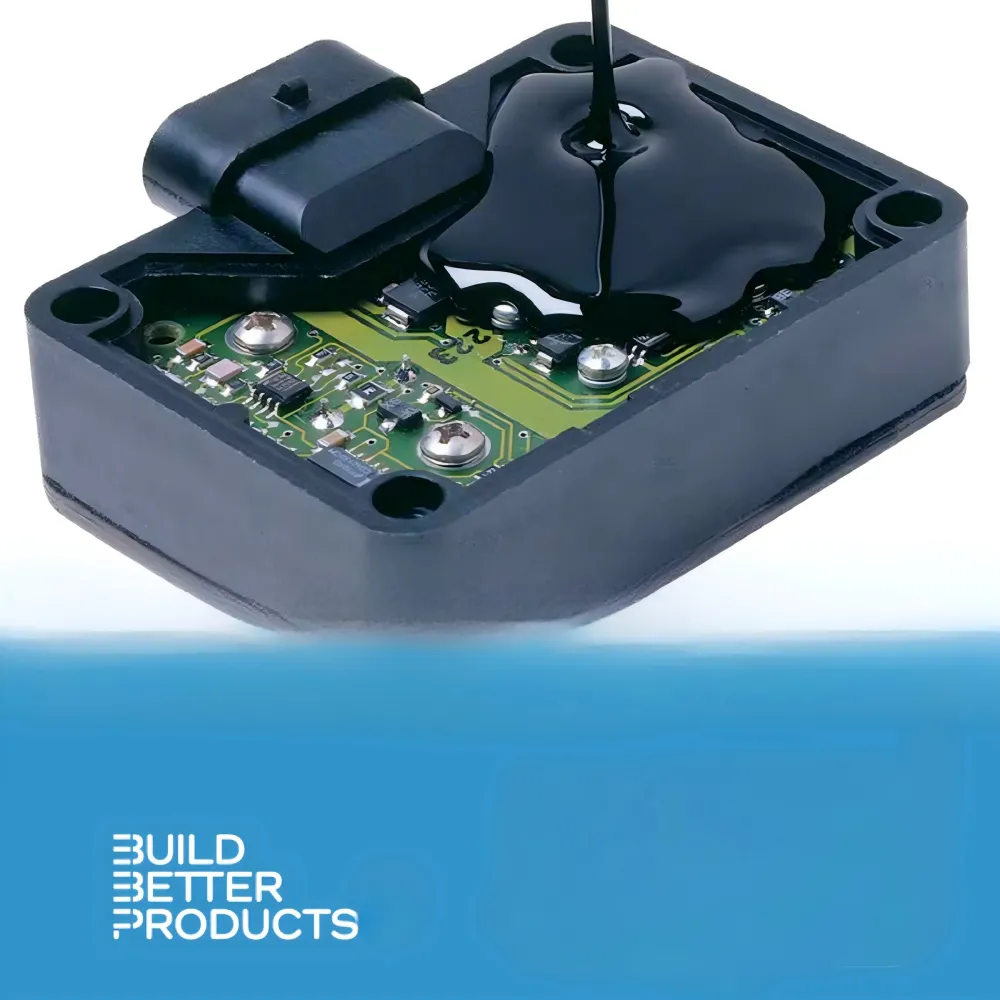
LED drivers often work in humid, hot, or outdoor environments. Potting protects the circuit and helps reduce failures caused by moisture, vibration, and contamination.
In real production, the main challenge is rarely one isolated parameter. Dispensing quality depends on material viscosity, part tolerance, valve response, needle height, motion stability, curing window, and operator workflow. If one of these points is ignored, a machine that looks correct on paper can still create bubbles, tailing, overflow, missing glue, or unstable bead width.
OBO Precision normally starts by reviewing the application, current process, expected output, and the material data sheet. This makes the recommendation more accurate because the same machine frame can behave very differently when it runs epoxy, silicone, polyurethane, UV adhesive, thermal gel, or gasket sealant.
What material is suitable for LED driver potting?
Silicone is useful for thermal cycling and stress relief, epoxy is useful for rigid protection, and polyurethane is useful for balanced insulation and cost.
A formal process review should include the material ratio, viscosity range, pot life, filler content, cure temperature, required dispensing volume, acceptable tolerance, and cleaning method. For automated systems, engineers should also confirm fixture repeatability, product loading method, cycle time, and whether the machine must connect with upstream or downstream equipment.
| Parameter | What To Confirm | Common Risk If Ignored |
|---|---|---|
| Material viscosity | Low, medium, high, or filled material | Wrong valve or pump selection |
| Required volume | Dot size, bead width, filling depth, or total shot size | Overflow, shortage, or inconsistent coverage |
| Accuracy target | Position accuracy and volume repeatability | Over-specified or under-specified machine |
| Cure window | Pot life, gel time, fixture time, full cure time | Material curing in mixer or parts moving too early |
| Production output | Parts per hour, shifts per day, takt time | Machine too slow for real production |
| Quality inspection | Visual check, weight check, electrical test, leak test | Defects found too late |
How should the potting process be controlled?
Control filling speed, material temperature, bubble removal, cure condition, and housing design so the resin fills the cavity without damaging components.
A reliable solution should be designed from the dispensing result backward. First define what a good part looks like. Then choose the valve, pump, motion platform, fixture, mixer, vacuum system, heating system, and control logic that can repeat that result. This is a more dependable method than buying a standard machine and forcing the process to fit it.
For B2B buyers, the supplier evaluation should include sample testing, engineering communication, spare parts availability, documentation, training support, and export experience. These points reduce startup risk and make it easier for your team to maintain stable output after installation.
What machine configuration should you compare?
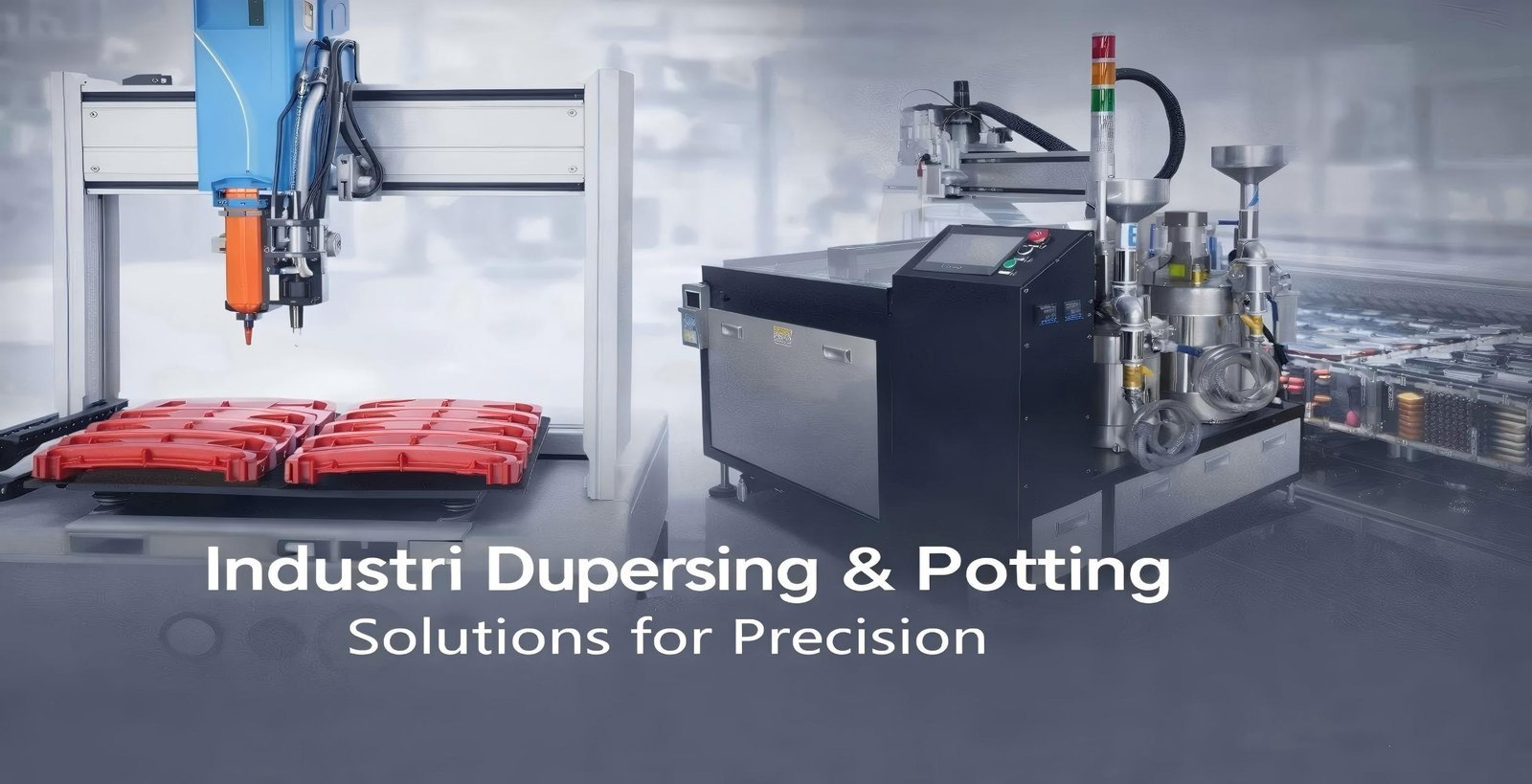
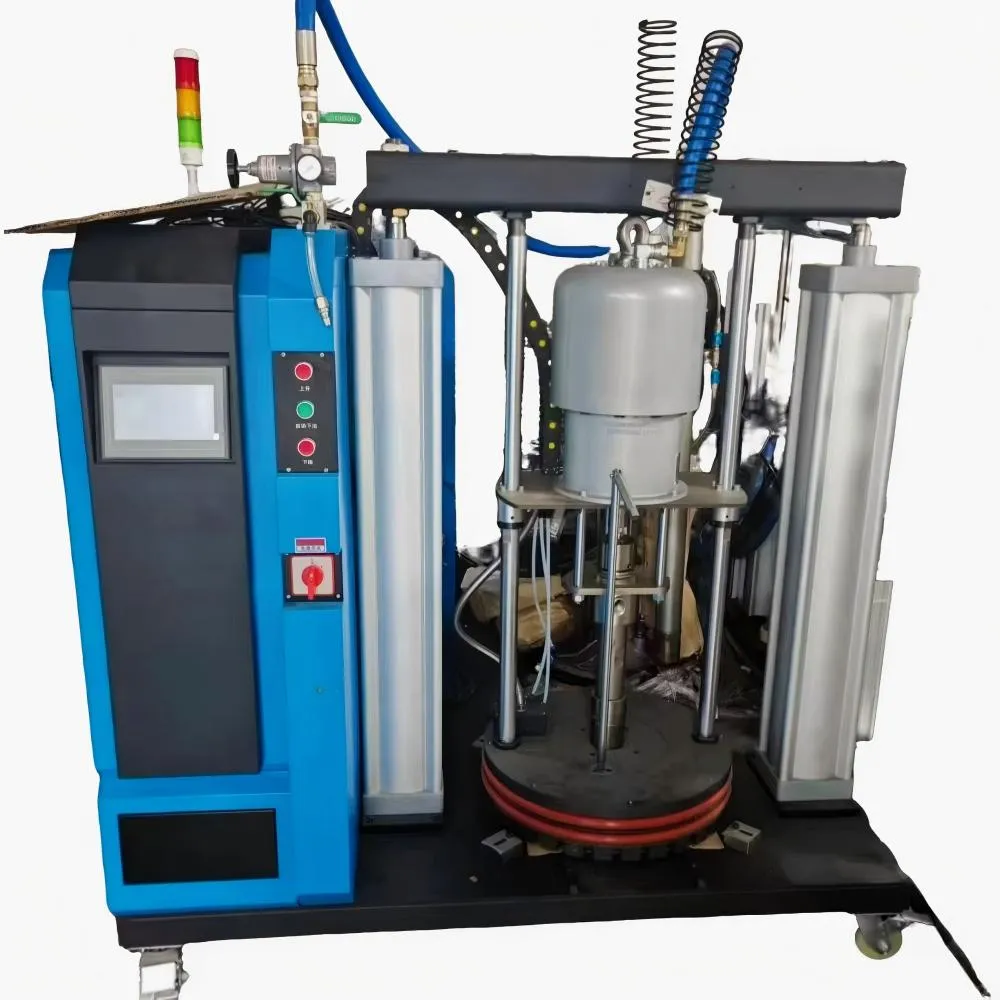
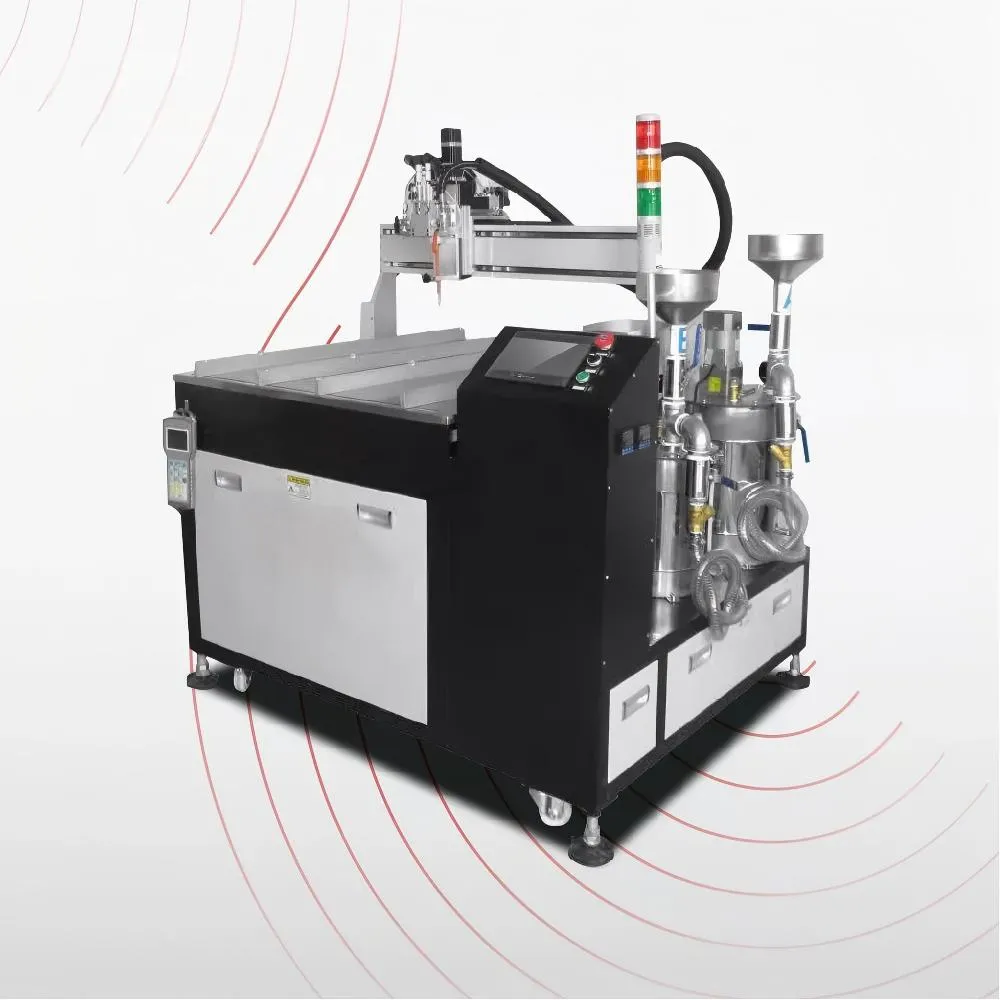
The right configuration depends on production volume and process complexity. A desktop robot may be enough for small parts and flexible production, while inline systems, vacuum potting machines, and meter mix systems are better for high-volume or two-component applications.
| Machine Type | Best Fit | Typical Limitation |
|---|---|---|
| Manual dispenser | Lab test, repair work, very low volume | Operator variation remains high |
| Desktop dispensing robot | Small to medium parts with stable path | Manual loading may limit throughput |
| Automatic glue dispensing machine | Higher output and repeatable bead or dot process | Needs fixture and process setup |
| Meter mix dispense system | Two-component epoxy, silicone, or PU | Requires ratio control and mixer maintenance |
| Vacuum potting machine | Bubble-sensitive encapsulation | Higher cost and longer process cycle |
| Inline automated dispensing system | Mass production and traceability | Requires integration planning |
What mistakes should buyers avoid?
Do not choose equipment only by price, claimed accuracy, or machine photos. The most expensive problems usually come from poor material matching, weak fixtures, insufficient testing, and unclear acceptance standards.
- Do not ignore material temperature and viscosity changes during the day.
- Do not assume one dispensing valve can handle every adhesive.
- Do not skip sample testing when the product is high value or safety related.
- Do not compare quotations without comparing pumps, valves, motion platform, mixer, controller, and support scope.
- Do not leave cleaning and maintenance out of the process plan.
When should you ask for engineering support?
You should ask for engineering support when the material is expensive, the part is safety related, the tolerance is tight, or the current manual process already creates quality complaints.
A short engineering review can prevent the wrong machine selection. OBO Precision can check your application details and recommend whether you need a standard desktop dispenser, a glue dispensing robot, a meter mix system, a vacuum potting machine, or a custom inline solution.

What is the formal answer for engineering teams?
The formal answer is that equipment selection should follow the application requirement, material behavior, quality standard, and production volume. The machine is only correct when it can repeat the required result under real factory conditions.
For example, two machines may both be described as glue dispensing machines, but one may be designed for low-viscosity UV adhesive and the other for filled thermal silicone. They may require different valves, pumps, needles, cleaning methods, and motion settings. This is why a serious supplier asks for process details before recommending a model.
The same logic applies to potting. A simple filling process may only require controlled metering and movement. A bubble-sensitive encapsulation process may require vacuum, degassing, heating, and slower filling. A high-output process may require automatic loading and a custom fixture. The official answer must include these engineering differences.
What acceptance criteria should be written before ordering?
Acceptance criteria protect both buyer and supplier. They define the result the machine must achieve and reduce arguments during installation, testing, and production startup.
| Acceptance Item | Example Standard | Why It Matters |
|---|---|---|
| Dispensing position | Material stays within approved area | Prevents contamination and assembly problems |
| Volume or weight | Within agreed tolerance range | Controls cost and function |
| Bead or fill shape | No break, tailing, overflow, or shortage | Improves product appearance and sealing |
| Bubble level | No visible bubbles or defined maximum limit | Improves insulation and reliability |
| Cycle time | Meets target parts per hour | Protects production capacity |
| Cure result | Hardness, adhesion, or function meets standard | Confirms material and process stability |
How should the reader prepare for a supplier discussion?
The best preparation is to collect the real production facts before asking for a quotation. This saves time and makes the supplier recommendation more accurate.
- Send part photos, drawings, and dimensions.
- Send the material type, mixing ratio, viscosity, cure condition, and material data sheet if available.
- Explain the current process problem, such as bubbles, waste, slow speed, or inconsistent dispensing.
- State the expected output per hour or per shift.
- Share the required inspection or acceptance standard.
With this information, OBO Precision can recommend a practical configuration instead of guessing. The result may be a standard dispensing robot, a potting machine, a meter mix system, or a customized production solution.
For most answer-type articles, this is enough to make the first decision clear. The reader should understand the direct answer, the reason behind it, and the next information required for a more precise engineering recommendation.
FAQ
Can one dispensing machine handle different materials?
Sometimes yes, but the valve, pump, mixer, pressure, needle, heating, and cleaning method must match each material. High-viscosity epoxy and low-viscosity UV adhesive should not be treated as the same process.
Do I need sample testing before ordering?
Sample testing is strongly recommended when the part is high value, the material is expensive, or the quality requirement is strict. Testing helps confirm volume, bead shape, bubble level, curing behavior, and fixture design.
What information should I send to OBO Precision?
Please send your application, material type, part photo or drawing, dispensing path, required output, current problem, and target quality standard. If you have a material data sheet, include it.
Can the machine be customized for my production line?
Yes. OBO Precision can customize working area, fixture, valve, pump, mixer, vacuum chamber, conveyor connection, PLC communication, and operator interface based on the production requirement.
How long does a custom solution usually take?
Lead time depends on the machine configuration and testing scope. Standard systems are faster, while custom automation, vacuum potting, and inline integration require more engineering time.
Request a recommendation from OBO Precision
Tell us your application, material, current production problem, and expected output. Our engineering team will review the details and recommend a practical dispensing or potting solution for your process.
References and confidence notes
This article is written as practical engineering guidance, not as a generic keyword page. Useful technical references: ASTM D2196 rotational-viscometer method, ISO 3219 viscosity measurement guidance, and adhesive material data sheets from the selected supplier. Buyers should always confirm final machine parameters with real samples, real materials, and their own production acceptance standards.
Related OBO Precision Guides
For a stronger equipment selection framework, these related OBO Precision resources can help you compare process requirements, machine types, material behavior, and application risks before requesting a quotation.
- Complete Guide to Industrial Dispensing Equipment
- Complete Guide to Meter Mix Dispense Systems
- Epoxy vs Silicone vs Polyurethane Potting: How Should You Choose?
- Vacuum Potting System: How Do You Achieve Bubble-Free Encapsulation?
- Potting Machine Solutions
- LED Driver Potting Solutions
- Dispensing and Potting Applications