
Dispensing and potting solutions vary by industry because each application has different materials, accuracy targets, protection needs, production volumes, and quality risks.
- Topic: Dispensing And Potting Solutions By Industry
- Primary search intent: dispensing and potting solutions by industry
- Article type: pillar content
- Best for: process engineers, purchasing managers, factory managers, and R&D teams comparing dispensing or potting solutions.
- Key answer: Dispensing and potting solutions vary by industry because each application has different materials, accuracy targets, protection needs, production volumes, and quality risks. This article is written for engineers, purchasing managers, factory managers, and R&D…
- Next step: send OBO Precision your material, application, part details, output target, and current production problem for a practical machine recommendation.
Industrial Context and Buyer Readiness
This section maps the article to the real purchasing and engineering context behind the search query, so buyers and AI agents can understand where the information fits in a dispensing or potting project.
| Topic cluster | Industrial Dispensing Core |
| Buyer readiness level | L3 Selecting |
| Application scenario | Industrial manufacturing |
| Material scope | Epoxy, silicone, PU, UV adhesive or thermal material |
| Process scope | Precision dispensing or potting |
| Equipment scope | Dispensing machine, dispensing robot, valve, pump or meter mix system |
| Defect or risk focus | Inconsistent volume, bubbles, stringing, overflow or poor repeatability |
| Production goal | Improve accuracy, reduce waste and stabilize production |
| RFQ next step | Send application, material data sheet, part photo or drawing, output target and defect concern. |
Entity Map for This Topic
Material: adhesive/resin; Process: dispensing/potting; Equipment: robot/valve/pump; Measurement: repeatability, cycle time, shot volume; Automation: fixture, PLC, vision or conveyor when required.
This article is written for engineers, purchasing managers, factory managers, and R&D teams who need a practical decision, not a generic definition. It explains the process logic, the equipment options, the material risks, and the information OBO Precision needs to recommend a reliable dispensing or potting solution.
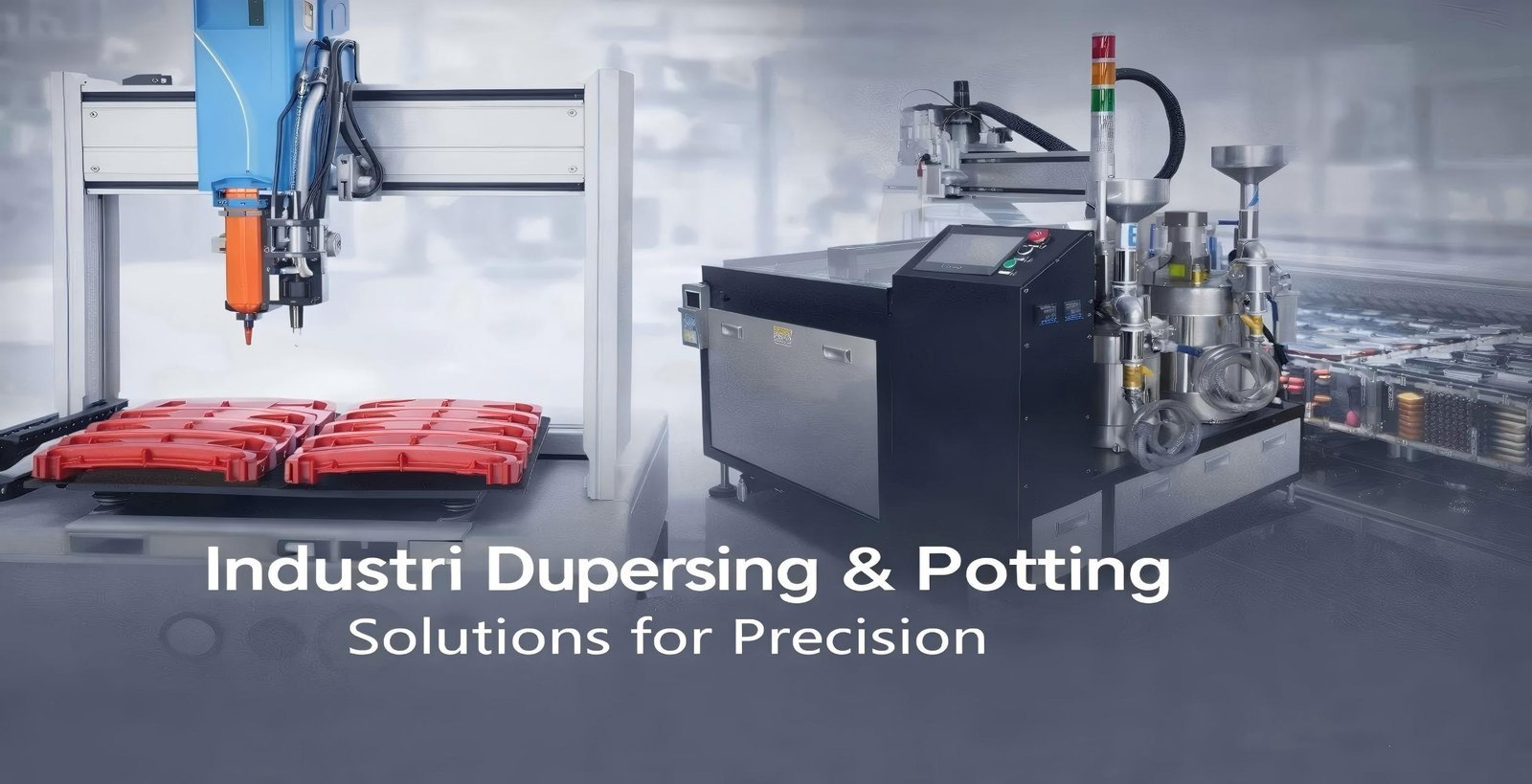
Quick answer and selection table
Use the table below as a fast first decision. It does not replace material testing, but it helps you narrow the machine type, process risk, and quotation requirements before speaking with a supplier.
| Decision Point | Recommended Direction | Why It Matters |
|---|---|---|
| Electronics | Precision dispensing | Small dots and lines |
| EV battery | Thermal potting | Heat transfer and protection |
| Automotive | Sealing and potting | Moisture and vibration resistance |
Why should dispensing solutions be selected by industry?
Industry requirements define the real process risk. Electronics may need small-volume precision, EV batteries may need thermal performance, and automotive sensors may need sealing reliability.
In real production, the main challenge is rarely one isolated parameter. Dispensing quality depends on material viscosity, part tolerance, valve response, needle height, motion stability, curing window, and operator workflow. If one of these points is ignored, a machine that looks correct on paper can still create bubbles, tailing, overflow, missing glue, or unstable bead width.
OBO Precision normally starts by reviewing the application, current process, expected output, and the material data sheet. This makes the recommendation more accurate because the same machine frame can behave very differently when it runs epoxy, silicone, polyurethane, UV adhesive, thermal gel, or gasket sealant.
Which industries use dispensing and potting equipment most?
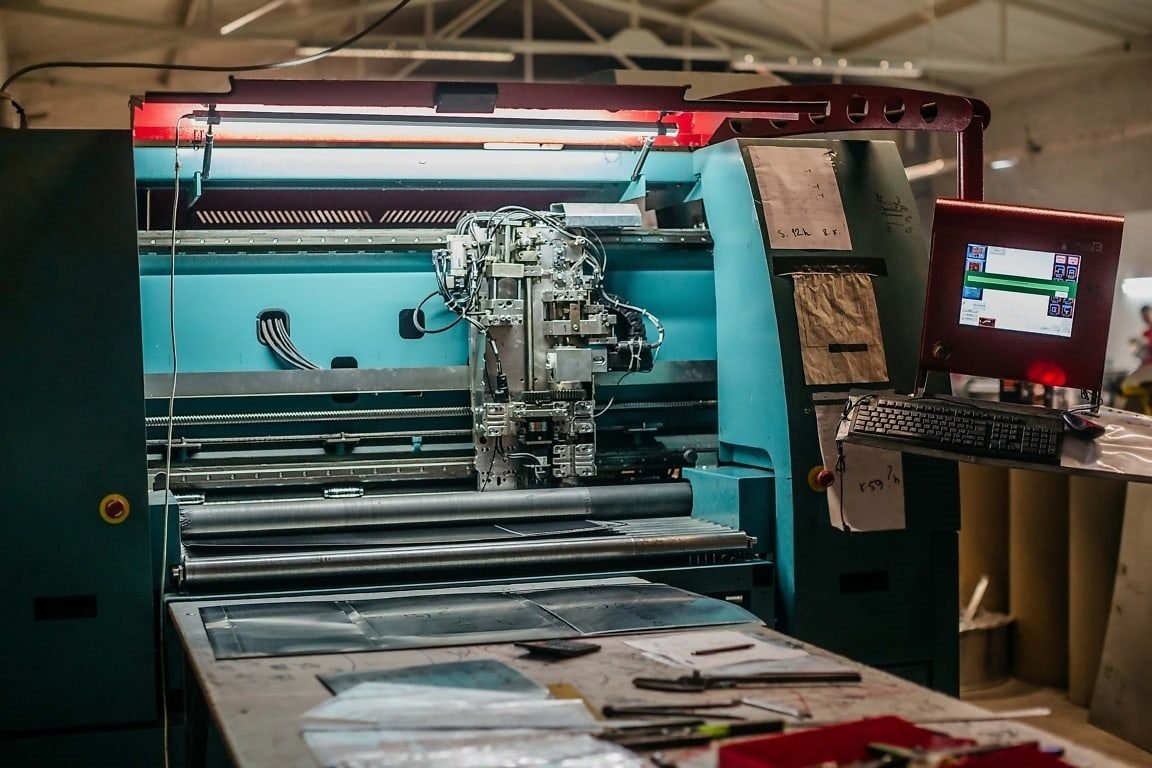
Electronics, EV battery, LED, automotive, solar, medical devices, transformers, and industrial assembly all use dispensing or potting equipment for different reasons.
A formal process review should include the material ratio, viscosity range, pot life, filler content, cure temperature, required dispensing volume, acceptable tolerance, and cleaning method. For automated systems, engineers should also confirm fixture repeatability, product loading method, cycle time, and whether the machine must connect with upstream or downstream equipment.
| Parameter | What To Confirm | Common Risk If Ignored |
|---|---|---|
| Material viscosity | Low, medium, high, or filled material | Wrong valve or pump selection |
| Required volume | Dot size, bead width, filling depth, or total shot size | Overflow, shortage, or inconsistent coverage |
| Accuracy target | Position accuracy and volume repeatability | Over-specified or under-specified machine |
| Cure window | Pot life, gel time, fixture time, full cure time | Material curing in mixer or parts moving too early |
| Production output | Parts per hour, shifts per day, takt time | Machine too slow for real production |
| Quality inspection | Visual check, weight check, electrical test, leak test | Defects found too late |
How should buyers match equipment to their industry?
Buyers should start from the application problem, then select the material handling, valve, robot, potting, or inline automation system that solves that problem.
A reliable solution should be designed from the dispensing result backward. First define what a good part looks like. Then choose the valve, pump, motion platform, fixture, mixer, vacuum system, heating system, and control logic that can repeat that result. This is a more dependable method than buying a standard machine and forcing the process to fit it.
For B2B buyers, the supplier evaluation should include sample testing, engineering communication, spare parts availability, documentation, training support, and export experience. These points reduce startup risk and make it easier for your team to maintain stable output after installation.

What machine configuration should you compare?
The right configuration depends on production volume and process complexity. A desktop robot may be enough for small parts and flexible production, while inline systems, vacuum potting machines, and meter mix systems are better for high-volume or two-component applications.
| Machine Type | Best Fit | Typical Limitation |
|---|---|---|
| Manual dispenser | Lab test, repair work, very low volume | Operator variation remains high |
| Desktop dispensing robot | Small to medium parts with stable path | Manual loading may limit throughput |
| Automatic glue dispensing machine | Higher output and repeatable bead or dot process | Needs fixture and process setup |
| Meter mix dispense system | Two-component epoxy, silicone, or PU | Requires ratio control and mixer maintenance |
| Vacuum potting machine | Bubble-sensitive encapsulation | Higher cost and longer process cycle |
| Inline automated dispensing system | Mass production and traceability | Requires integration planning |
What mistakes should buyers avoid?
Do not choose equipment only by price, claimed accuracy, or machine photos. The most expensive problems usually come from poor material matching, weak fixtures, insufficient testing, and unclear acceptance standards.
- Do not ignore material temperature and viscosity changes during the day.
- Do not assume one dispensing valve can handle every adhesive.
- Do not skip sample testing when the product is high value or safety related.
- Do not compare quotations without comparing pumps, valves, motion platform, mixer, controller, and support scope.
- Do not leave cleaning and maintenance out of the process plan.
How should this process be specified for a serious RFQ?
A strong RFQ should read like a process brief. It should include part drawings, material data sheets, target output, quality acceptance criteria, factory environment, and the current production problem.
For pillar topics, the goal is to cover the complete search intent. A buyer may arrive with a broad keyword, but the real decision includes material selection, machine configuration, investment level, production planning, operator skill, quality inspection, and after-sales support. A complete article should help that buyer move from research to a clear technical conversation.
| RFQ Item | Details To Provide | Benefit |
|---|---|---|
| Part information | Photo, drawing, dimensions, fixture constraints | Helps define working area and motion path |
| Material information | Brand, type, viscosity, ratio, pot life, cure method | Helps choose pump, valve, mixer, and heating |
| Dispensing requirement | Dot, line, filling, sealing, potting, coating | Helps define valve and programming method |
| Output target | Parts per hour and shifts per day | Helps define automation level |
| Acceptance standard | Visual, weight, electrical, leak, or functional test | Helps build the right test plan |
| Integration requirement | MES, PLC, conveyor, curing oven, inspection station | Helps avoid late engineering changes |
How can this topic support long-term SEO and buyer trust?
A pillar article should connect the buyer to product pages, application pages, and practical engineering resources. It should not be a long sales page. It should be a technical map that proves the supplier understands real production work.
For OBO Precision, the most important internal links are dispensing machine manufacturer, potting machine, glue dispensing machine, dispensing robot, and dispensing and potting applications. These links help readers move from research to solution selection.
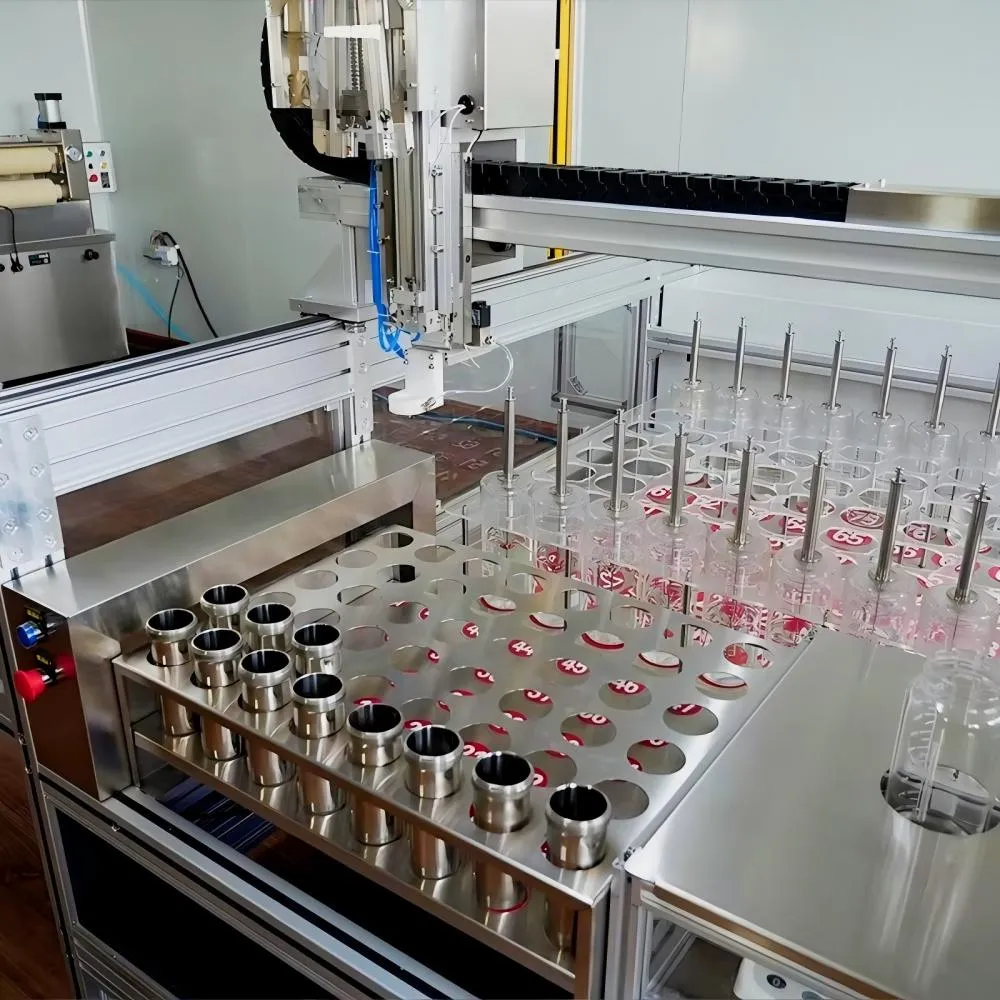
What is the complete decision framework?
A pillar topic should give the reader a complete framework: material behavior, dispensing method, automation level, fixture design, quality inspection, maintenance, supplier support, and cost control. This is the level of detail buyers need before they trust a supplier with a production process.
The first layer is the application requirement. Engineers should define the part geometry, the dispensing area, the reason material is applied, and the failure mode the process must prevent. This may be bonding strength, moisture sealing, insulation, vibration resistance, thermal transfer, or simple assembly positioning.
The second layer is the material requirement. Adhesives and potting compounds behave differently under pressure, temperature, shear, and curing. Filled thermal materials may need stronger pumps. Fast-curing materials may need short flow paths and strict purging. Moisture-sensitive materials may require storage control.
The third layer is production requirement. A machine that works for engineering samples may not fit mass production. Buyers should check loading method, cycle time, operator skill, maintenance time, cleaning time, and how quickly the system can recover after a material change or alarm.
| Framework Layer | Questions To Answer | Typical Engineering Output |
|---|---|---|
| Application | What must the material do on the part? | Bonding, sealing, potting, coating, filling, or thermal transfer |
| Material | How does the fluid behave during dispensing and curing? | Valve, pump, mixer, heating, and cleaning method |
| Machine | What motion and control are required? | Desktop robot, inline cell, vacuum potting, or meter mix system |
| Quality | How will a good part be judged? | Visual criteria, weight tolerance, leak test, electrical test, or section analysis |
| Operations | Who will run and maintain the system? | Training, SOP, spare parts, and maintenance schedule |
How should a buyer compare different machine quotations?
Different quotations may look similar on the surface, but they often include very different valves, pumps, controllers, fixtures, mixers, and service scope. A serious comparison must separate the machine frame from the process capability.
When comparing suppliers, ask whether the quotation includes real application testing, sample video, fixture design, process parameter recording, English manuals, remote support, spare parts list, and export packing. These items are not decoration. They determine how quickly your team can start production after the machine arrives.
A low-cost quotation may be acceptable for a simple low-risk process. For EV battery, automotive sensor, LED driver, transformer, or medical electronics applications, the hidden cost of unstable dispensing can be much higher than the machine price difference. Rework, scrap, line stoppage, and customer complaints should be part of the decision.
| Quotation Item | Low Detail Quote | Engineering Quote |
|---|---|---|
| Valve and pump | Generic model name | Matched to viscosity, filler, shot size, and cleaning method |
| Fixture | Not included or simple plate | Designed around part datum and repeatability |
| Testing | No sample test | Sample result, video, and suggested parameters |
| Documentation | Basic manual | Operation, maintenance, wiring, spare parts, and troubleshooting documents |
| Support | After-sale not clear | Remote startup guidance and long-term technical support |
What implementation roadmap should manufacturers follow?
The safest roadmap is test, document, pilot, train, then scale. Skipping directly from quotation to mass production increases risk because the first stable result usually comes from process validation, not from machine installation alone.
- Define the defect or production problem the machine must solve.
- Collect material data sheets, part drawings, target output, and current process photos.
- Run sample dispensing or potting tests with the proposed equipment configuration.
- Confirm acceptance standards such as bead width, fill height, bubble level, curing result, and cycle time.
- Build a pilot process with the actual operator workflow.
- Train operators and maintenance staff with documented settings.
- Scale the process only after the result is stable for repeated batches.
What quality-control checks should be built into the process?
Quality control should be planned before the machine is ordered. The process should define how to detect missing glue, overflow, air bubbles, wrong ratio, poor cure, bad adhesion, or unstable position.
Simple processes may only need visual inspection and weight checking. Higher-risk applications may need electrical testing, leak testing, cross-section inspection, cure hardness checking, or logged process data. The right inspection level depends on product value and failure risk.
| Defect | Likely Cause | Control Method |
|---|---|---|
| Missing glue | Blocked needle, wrong path, low pressure | Needle check, path verification, pressure alarm |
| Overflow | Too much volume, poor fixture, wrong height | Volume calibration, fixture datum, Z-height check |
| Bubbles | Air in material, fast filling, poor vacuum | Degassing, slower fill, vacuum potting |
| Soft cure | Wrong ratio or poor mixing | Pump calibration, mixer replacement, ratio monitoring |
| Poor adhesion | Surface contamination or wrong material | Surface preparation and material validation |
How should maintenance be planned for long-term stability?
Maintenance is part of dispensing quality. Needles, mixers, seals, pumps, tanks, filters, and motion components must be checked on a schedule because small changes can create large process variation.
A practical maintenance plan should include daily cleaning, weekly calibration checks, monthly mechanical inspection, and spare parts management. Operators should record abnormal bead shape, pressure changes, noise, curing problems, or repeated alarms. These records help engineers correct the root cause faster.
What application matrix should engineers use?
An application matrix helps engineers avoid choosing equipment from a catalog only. It connects industry, material, process goal, and machine configuration in one view.
For electronics, the main concern is usually precision and cleanliness. For EV battery and power electronics, thermal transfer and insulation become more important. For automotive parts, sealing reliability and vibration resistance often decide the process. For LED and outdoor products, moisture resistance and thermal cycling are common risks.
| Application Area | Main Process Goal | Recommended Equipment Direction |
|---|---|---|
| PCB and electronics | Small dots, selective bonding, coating, and protection | 3-axis dispensing robot or precision fluid dispenser |
| EV battery electronics | Thermal transfer, insulation, and vibration resistance | Meter mix potting system or automatic potting machine |
| LED driver and lighting | Moisture protection and thermal cycling reliability | Potting machine with controlled filling and curing |
| Automotive sensors | Sealing, encapsulation, and long-term durability | Automatic glue dispensing or gasket dispensing system |
| Transformer and power modules | Void reduction and insulation strength | Vacuum potting or vacuum casting equipment |
| Industrial assembly | Bonding, sealing, and process repeatability | Desktop robot, inline dispensing, or custom automation |
How should cost, risk, and capability be balanced?
The best machine is not always the most expensive system. It is the lowest-risk configuration that can meet the quality target, production output, maintenance ability, and future capacity plan.
A low-volume application may not need full inline automation. A high-volume automotive or EV application may lose money every day if it relies on manual dispensing. A two-component material may look simple during lab mixing but require accurate metering in production. Buyers should compare equipment cost against defect cost, adhesive waste, customer complaints, and delayed delivery.
OBO Precision normally recommends a practical configuration first, then discusses upgrade paths. This may include starting with a desktop robot and later moving to inline automation, or starting with a semi-automatic meter mix system before adding loading, curing, or inspection modules.
What questions should this pillar answer before the buyer contacts a supplier?
A complete pillar page should answer the buyer’s first technical questions, reduce confusion, and help them prepare better information for the supplier.
- What material will be dispensed or potted?
- What failure mode must the process prevent?
- What machine type is usually suitable for this application?
- What process parameters affect quality most?
- What information is required for an accurate quotation?
- What inspection method should be used after dispensing?
- What support should a supplier provide after installation?
When these questions are answered, the buyer is ready for a productive engineering conversation. The supplier can move from broad suggestions to a concrete solution, including valve selection, pump selection, fixture concept, process test plan, and estimated lead time.
How should the topic be broken into subtopics for future SEO growth?
A pillar page should not stand alone. It should become the center of a topic cluster that connects product pages, application pages, material guides, troubleshooting guides, and buyer guides.
For this topic, future supporting articles should cover material selection, valve selection, vacuum processing, automation ROI, troubleshooting, and industry-specific applications. Each supporting article can target a narrow long-tail search intent, while this pillar page keeps the broad search intent organized.
This structure helps users and search engines understand that OBO Precision is not writing isolated posts. The site is building a complete knowledge base around industrial dispensing and potting equipment. That is important for trust because B2B buyers often read several pages before sending an inquiry.
| Cluster Page | Search Intent | Internal Link Target |
|---|---|---|
| Material guide | Compare epoxy, silicone, PU, UV, and thermal materials | Link to potting and meter mix pages |
| Application guide | Solve industry-specific production problems | Link to application pages |
| Troubleshooting guide | Fix bubbles, inconsistent glue, ratio defects, or tailing | Link to service and product pages |
| Buyer guide | Help purchasing compare suppliers and quotations | Link to manufacturer and contact pages |
| Case study | Show process improvement and ROI | Link to related equipment solution |
What practical examples help buyers understand the decision?
Examples make a pillar article easier to use. A buyer may not know the exact machine name, but they usually know the production problem they are trying to solve.
If a PCB manufacturer has inconsistent dots and manual rework, the first recommendation may be a 3-axis dispensing robot with a suitable valve and fixture. If an LED driver manufacturer has bubbles and moisture failures, the recommendation may be a meter mix potting system with material degassing. If an EV component manufacturer needs better thermal transfer, the discussion should include thermal material flow, filling depth, and cure control.
If an automotive supplier needs a gasket around a housing, the process may require FIPG gasket dispensing with bead height control. If a transformer manufacturer sees insulation failures caused by voids, vacuum casting or vacuum potting may be required. These examples show why the same broad keyword can lead to very different equipment.
What should the final call-to-action ask from the reader?
The best CTA for a pillar page should ask for application details, not only a price request. A useful inquiry gives engineers enough information to recommend the right configuration.
OBO Precision should ask the reader to send the material type, application, part photo, current process problem, output target, and expected quality standard. This makes the inquiry easier to qualify and helps the engineering team respond with a practical recommendation instead of a generic quotation.
What should be reviewed in an engineering meeting before purchase?
Before purchasing equipment for a core process, the buyer should hold a short engineering review meeting. The goal is to confirm that production, quality, maintenance, purchasing, and management agree on the real requirement.
The meeting should review the current defect mode, the target result, the material behavior, the available factory utilities, the expected operator workflow, and the acceptance test. If the machine will be part of a larger line, the review should also include conveyor height, PLC communication, safety guarding, loading method, and space for maintenance.
This meeting often reveals hidden requirements. Production may need easier loading. Quality may need logged parameters. Maintenance may need quick access to mixers and valves. Purchasing may need standard spare parts. Management may need a clear payback estimate. If these points are discussed before ordering, the final system is more likely to fit the factory.
| Meeting Role | Main Question | Decision Output |
|---|---|---|
| Process engineering | Can the machine repeat the required dispensing result? | Valve, pump, motion, and fixture confirmation |
| Production | Can operators run the process efficiently? | Loading method, cycle time, and training plan |
| Quality | How will defects be detected? | Inspection standard and acceptance test |
| Maintenance | Can the system be cleaned and repaired easily? | Spare parts and maintenance access |
| Purchasing | Is the quotation complete and comparable? | Configuration, delivery, warranty, and support scope |
| Management | Does the project reduce risk or cost? | ROI, capacity, and implementation timeline |
How should OBO Precision continue improving this pillar page?
The long-term version of a pillar page should grow with real project experience. It should be updated with application photos, machine demo videos, customer questions, and engineering notes from completed tests.
Future updates can include a downloadable RFQ checklist, a short video showing the dispensing or potting process, a comparison of common valve types, and a real sample-test workflow. These additions improve user experience and make the content more useful for buyers who are close to sending an inquiry.
The page should also link to new supporting articles as they are published. When OBO Precision adds guides about valve selection, adhesive viscosity, vacuum potting defects, or machine price factors, this pillar page should become the central navigation point for the whole topic cluster.
FAQ
Can one dispensing machine handle different materials?
Sometimes yes, but the valve, pump, mixer, pressure, needle, heating, and cleaning method must match each material. High-viscosity epoxy and low-viscosity UV adhesive should not be treated as the same process.
Do I need sample testing before ordering?
Sample testing is strongly recommended when the part is high value, the material is expensive, or the quality requirement is strict. Testing helps confirm volume, bead shape, bubble level, curing behavior, and fixture design.
What information should I send to OBO Precision?
Please send your application, material type, part photo or drawing, dispensing path, required output, current problem, and target quality standard. If you have a material data sheet, include it.
Can the machine be customized for my production line?
Yes. OBO Precision can customize working area, fixture, valve, pump, mixer, vacuum chamber, conveyor connection, PLC communication, and operator interface based on the production requirement.
How long does a custom solution usually take?
Lead time depends on the machine configuration and testing scope. Standard systems are faster, while custom automation, vacuum potting, and inline integration require more engineering time.
Request a recommendation from OBO Precision
Tell us your application, material, current production problem, and expected output. Our engineering team will review the details and recommend a practical dispensing or potting solution for your process.
References and confidence notes
This article is written as practical engineering guidance, not as a generic keyword page. Useful technical references: ASTM D2196 rotational-viscometer method, ISO 3219 viscosity measurement guidance, and adhesive material data sheets from the selected supplier. Buyers should always confirm final machine parameters with real samples, real materials, and their own production acceptance standards.
Related OBO Precision Guides
For a stronger equipment selection framework, these related OBO Precision resources can help you compare process requirements, machine types, material behavior, and application risks before requesting a quotation.
- Complete Guide to Industrial Dispensing Equipment
- Complete Guide to Meter Mix Dispense Systems
- Epoxy vs Silicone vs Polyurethane Potting: How Should You Choose?
- Vacuum Potting System: How Do You Achieve Bubble-Free Encapsulation?
- Potting Machine Solutions
- Dispensing and Potting Applications
- Contact OBO Precision for an Engineering Recommendation