
How Should Buyers Calculate and Recover Field Containment Costs After a Dispensing Complaint?
Direct answer: Create a complaint-specific cost ledger tied to the same affected lots, dates and actions used in the technical investigation. Separate direct containment costs, production disruption, material loss, logistics, validation and administrative charges. Support every amount with time records, invoices, quantity reconciliation and an agreed calculation method. Do not use an unverified lump sum, and do not let a commercial settlement close technical CAPA before effectiveness is proven. Recoverable amounts depend on the contract, confirmed responsibility and applicable law.
Who this is for: procurement, supplier quality, customer quality, finance, operations and engineering teams handling adhesive dispensing, potting, meter mix, coating or gasketing complaints. Buyer readiness: L5 commercial recovery.
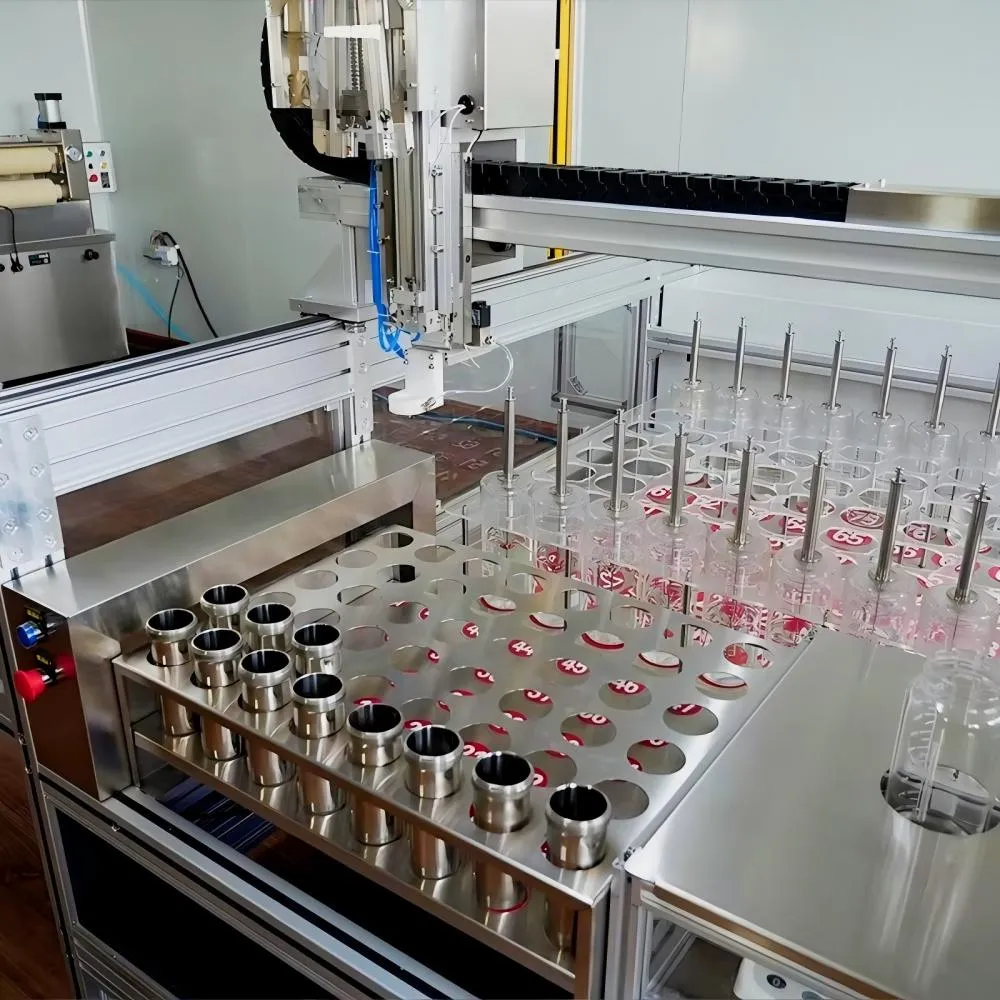
Keep the technical file and cost ledger connected
The cost claim should use the same complaint number, part revision, supplier lot, customer site and containment period as the quality record. When finance counts 12,000 inspected units but the screening report shows 9,600, the difference undermines both files. Reconcile quantities before debating rates.
Technical causation and contractual liability are related but distinct. A dispensing defect may be confirmed while responsibility for customer downtime remains limited by the purchase agreement. Equally, a supplier may offer a commercial credit without admitting every alleged cause. Record these distinctions plainly.
| Record | Purpose | Owner |
|---|---|---|
| Complaint and affected scope | Defines the event and population | Quality |
| Containment action log | Shows what work was authorized and performed | Operations/quality |
| Cost ledger | Connects quantity, time, rate and evidence | Finance/procurement |
| Responsibility assessment | Separates confirmed cause from disputed items | Quality/commercial/legal |
| Settlement record | States credits, payment and unresolved amounts | Procurement/finance |
Use six cost buckets
Do not hide different cost types inside one 鈥渜uality charge.鈥?Each bucket needs its own unit, rate and evidence. This makes the claim easier to audit and allows disputed items to be separated without delaying the whole settlement.
| Cost bucket | Typical items | Calculation basis | Evidence |
|---|---|---|---|
| Containment labor | Sorting, supervision, audit, repacking | Hours 脳 approved loaded rate | Timesheets and screening output |
| Production disruption | Line stop, reduced rate, changeover | Documented lost time or incremental expense | Machine/line records and schedule |
| Material loss | Scrap, adhesive, components, packaging | Disposition quantity 脳 agreed value | Scrap authorization and BOM/cost record |
| Logistics | Return, premium freight, site travel | Actual incremental invoice | Carrier and travel documents |
| Recovery/validation | Testing, sectioning, X-ray, trial runs | Actual lab or production cost | Test request, report and invoice |
| Administration | Complaint handling and reporting | Contractual fee or documented hours | Agreement and activity record |
Calculate containment labor from real throughput

Record each person鈥檚 start, stop, breaks, role, site and output. Separate inspectors from supervisors, auditors and material handlers. If a third-party sorting company is used, retain its invoice and detailed activity report, not only the total.
Check whether claimed throughput makes physical sense. Four inspectors working eight paid hours provide 32 labor-hours. At 80 units per productive hour, theoretical output is 2,560 units before setup, breaks, documentation and failed-unit handling. A report showing 5,000 units needs an explanation such as parallel fixtures or a shorter cycle.
Overtime and premium rates should be approved where the process permits it. Long shifts can increase visual-inspection error, so the cheapest hourly solution is not always the lowest-risk containment plan.
Do not turn lost production into an invented number
Downtime is often the largest and most disputed item. Distinguish a line physically stopped by unavailable conforming parts from ordinary schedule variation. Use machine states, production counts, labor records and the approved schedule. Subtract recoverable production, avoided variable cost and time caused by unrelated events where appropriate.
| Scenario | Stronger evidence | Weak evidence |
|---|---|---|
| Complete line stop | MES event, schedule, output loss and operator record | Manager estimate after the event |
| Reduced production rate | Baseline versus actual rate during containment | Claiming all shift labor as lost |
| Extra changeover | Changeover log and alternate-product plan | Standard fee with no event record |
| Customer penalty | Contract clause and actual debit | Potential penalty never charged |
Commercial teams should agree whether the contract permits consequential or line-stop claims. That is a legal and contractual question, not an engineering assumption.
Reconcile scrap, rework and replacement separately
A failed assembly may contain more value than the dispensed adhesive. Record whether it can be cleaned, re-dispensed, downgraded or must be destroyed. Rework cost includes labor, consumables, retest and yield loss; it should not also be claimed as full scrap unless the rework failed and final disposition supports it.
- Identify every scrapped unit by lot or controlled container.
- Record component value, adhesive loss and disposal charge separately.
- Deduct salvage or returned value where required.
- Prevent duplicate claims between the buyer and downstream customer.
- Link replacement units and premium shipments to the original population.
For the quantity evidence behind these figures, use the dispensing complaint closure package checklist.
Application scenario matrix

| Application | Likely defect | Dominant cost driver | Evidence priority |
|---|---|---|---|
| EV battery electronics | Hidden void or thermal-interface gap | X-ray/sectioning and high-value assembly risk | Serial genealogy and functional correlation |
| PCB assembly | Stringing or keep-out contamination | Cleaning, visual screening and retest | Inspection time and board disposition |
| LED driver potting | Bubble or incomplete cure | Destructive scrap and replacement freight | Material lot, cure and insulation results |
| Automotive sensor | Seal discontinuity | Leak testing and customer controlled shipping | Test cycle, third-party invoice and serial status |
| Industrial bonding | Poor adhesion | Disassembly, surface preparation and rework | Rework route and bond-strength retest |
Approve spending while containment is active
Waiting until the end to discuss cost creates avoidable conflict. Establish an authorization path for third-party sorting, overtime, premium freight, external testing and customer-site travel. Emergency action may begin before a purchase order, but the team should document who requested it and why delay would increase risk.
Send periodic cost snapshots with units controlled, defect findings and expected next steps. If the supplier challenges a rate or scope, isolate that item while safety and quality work continues. Never reduce the screening method merely to make the claim cheaper.
Build a transparent claim table
| Line item | Quantity | Rate | Amount | Evidence reference | Responsibility status |
|---|---|---|---|---|---|
| Customer-site screening | Hours/units | Agreed rate | Calculated | Timesheet and sort report | Accepted/disputed/pending |
| Scrapped assemblies | Units | Agreed value | Calculated | Disposition record | Accepted/disputed/pending |
| Expedited replacement freight | Shipments | Actual invoice | Actual | Carrier invoice | Accepted/disputed/pending |
| Corrected-lot validation | Tests/hours | Actual/approved | Calculated | Validation report | Accepted/disputed/pending |
Use one currency and state the exchange-rate date for foreign costs. Separate taxes where relevant. Version the ledger so later customer debits or credits do not overwrite the original submission.
Settlement must not close technical risk
Finance can settle accepted costs while CAPA monitoring remains open. Conversely, CAPA may be technically closed while a contractual item remains disputed. Use separate approvals and dates. The quality record should never say 鈥渃losed because credit issued.鈥?/p>
Before removing field controls, follow the documented field containment exit criteria. The start decision is covered in the guide on customer notification and field containment.
Contract terms, purchase orders, quality agreements, insurance and applicable law determine recoverability. Quality teams should provide facts; procurement, finance and legal roles should decide the commercial position.
Sequence the commercial review so facts do not get lost
Start with a joint quantity and event reconciliation, then review calculation methods, and only then negotiate responsibility. This order matters. If teams argue about liability before agreeing how many units were inspected, scrapped or delayed, every later number remains unstable.
Use a short review cadence while costs are accumulating. Quality confirms the affected boundary and defect findings. Operations validates labor and downtime records. Finance checks rates, invoices, currency and duplicate entries. Procurement records the supplier position, contractual basis and provisional credits. Legal or insurance specialists join where exposure, jurisdiction or claim type requires them.
| Review stage | Decision | Output |
|---|---|---|
| 1. Facts | Are dates, quantities and actions reconciled? | Joint event and quantity record |
| 2. Method | Are units, rates and exclusions agreed? | Approved calculation rules |
| 3. Responsibility | Which items follow confirmed cause and contract? | Accepted, disputed and pending lines |
| 4. Settlement | How and when will value be recovered? | Credit, payment or negotiated agreement |
| 5. Closure | Are open technical and commercial actions visible? | Separate signed closure statuses |
When a supplier disputes an item, ask for the exact quantity, rate, causation or contract basis being challenged. Keep undisputed lines moving. A blanket rejection is not analysis; neither is a buyer’s unsupported lump sum. Preserve meeting notes and revised ledgers so the final settlement can be traced back to the original evidence.
Frequently asked questions
Can a buyer charge a standard administrative fee?
Only when supported by the agreement or accepted commercial policy. Otherwise document actual activity and obtain approval.
Should internal labor be charged at payroll cost?
Use the contractually accepted basis, such as direct or loaded labor rate, and apply it consistently with clear records.
Can downtime be claimed when the line later recovers output?
The calculation should account for recovered production and actual incremental loss. Do not automatically claim the full stopped period.
Who should approve third-party sorting?
Authorized quality and procurement roles should approve scope, method, rate and reporting, with emergency authority defined beforehand.
What if responsibility is shared?
Separate confirmed cost lines and negotiate allocation using evidence rather than delaying containment or hiding uncertainty.
What should buyers send OBO Precision?
Send defect evidence, affected genealogy, material and recipe data, screening plan, production impact and corrected-process validation needs.
Prevention follow-up: update the supplier quality agreement after a dispensing complaint so CAPA lessons become auditable production, notification and evidence requirements.
Reduce complaint cost at the process source
OBO Precision can review dispensing controls, material behavior, inspection limits and validation requirements to help prevent repeated containment.