
A good sample is not the same thing as a production-ready dispensing process. Validation begins when a team proves that acceptable results can be repeated across time, lot changes, startup conditions, operators, and normal factory variation.
- Question answered: How should manufacturers validate a dispensing process before mass production?
- Best for: OEM engineers, quality teams, project managers, contract manufacturers, and buyers preparing to move from sample approval to stable production.
- Direct answer: A dispensing process should be validated with defined visual and functional acceptance criteria, repeatability evidence, pilot-run data, defect review, operator control, and release documentation that reflects real production conditions rather than ideal bench samples.
- Buyer readiness: L4 RFQ Ready to L5 Deployment
- Next step: Prepare the product drawing, material data, target takt, acceptance criteria, and reliability requirements before asking for a validation review.
Industrial Context and Buyer Readiness
This article maps validation-focused search intent to the real industrial steps needed between an approved trial and a stable production release.
| Context | Details |
|---|---|
| Topic cluster | Mass Production Validation Cluster; Procurement Decision Cluster; EEAT Process Content |
| Buyer readiness level | L4 RFQ Ready to L5 Deployment |
| Application scenario | electronics dispensing, potting, gasketing, UV bonding, adhesive assembly, inline automation |
| Material scope | epoxy, silicone, polyurethane, UV adhesive, conductive adhesive, thermal materials |
| Process scope | sample approval, repeatability checks, pilot runs, defect review, release control, SOP handoff |
| Equipment scope | dispensing robot, valve, pump, vision system, fixture, curing module, inline cell |
| Defect or risk focus | weak launch control, hidden drift, startup scrap, false confidence from sample-only approvals, and unstable scale-up |
| Production goal | repeatable production quality, lower launch risk, and documented process capability |
Entity Map for This Topic
| Entity group | Details |
|---|---|
| Material entities | epoxy, silicone, PU, UV adhesive, conductive adhesive, TIM |
| Process entities | sample approval, pilot run, validation, release, repeatability, defect review |
| Equipment entities | dispensing machine, valve, robot, fixture, vision system, cure unit |
| Industry entities | electronics, automotive, EV, LED, industrial assembly |
| Defect entities | startup scrap, repeatability drift, poor launch, hidden instability, false pass |
| Measurement entities | sample count, repeatability, yield, cycle time, defect rate, release criteria, uptime |
Contents
- Direct answer
- Why this matters
- Application scenario matrix
- Engineering review points
- Decision layer
- Checklist
- FAQ
How Should Manufacturers Validate a Dispensing Process Before Mass Production?
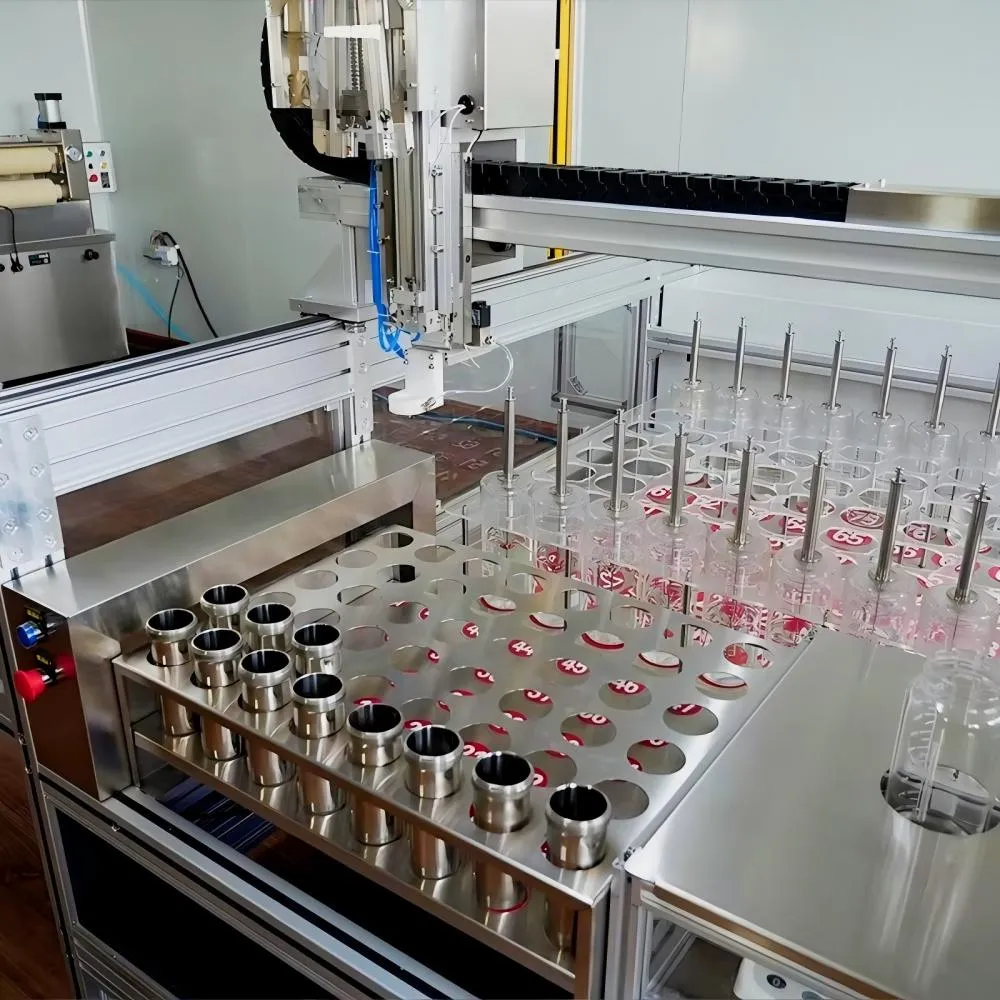
Validation should prove that the process can meet the required result repeatedly, not just once. That means testing more than one sample, more than one time point, and more than one condition likely to appear in production.
A strong release decision separates visual quality, functional quality, reliability, and practical production stability. Many launches struggle because only the first of those four was reviewed seriously.
Why This Topic Matters in Real Production
Weak validation turns the first production shift into an uncontrolled experiment and usually increases scrap, delay, and internal disagreement.
Strong validation reduces conflict between engineering, production, and suppliers because the release standard is defined before mass production starts.
For buyers, validation discipline is what converts equipment spending into predictable output rather than repeated trial-and-error.
What a Mass-Production Dispensing Validation Plan Should Include
| Validation layer | What to confirm | Typical weak point | Better approach |
|---|---|---|---|
| Visual quality | bead shape, dot position, overflow control | approving one good sample | define pass-fail with measurable criteria |
| Functional quality | bond, seal, fill, conductivity, or thermal performance | assuming visual pass is enough | run product-relevant tests |
| Repeatability | same result across time and samples | checking only setup condition | repeat at multiple time points |
| Pilot stability | throughput and defect behavior in real sequence | ignoring refill and startup losses | run a controlled pilot under realistic flow |
| Release control | frozen settings and handoff readiness | no formal documentation | issue final SOP and parameter sheet |
A process becomes production-ready only when its acceptance logic is strong enough to survive the first real production week.
Application Scenario Matrix
| Validation stage | Main question | Typical risk | What to document |
|---|---|---|---|
| Initial trial | can the process make an acceptable sample? | one-off success bias | material, setup, and fixture assumptions |
| Repeatability run | can it repeat reliably? | short-run optimism | sample data across time |
| Pilot run | can it hold under real sequence? | startup and refill losses | yield, takt, and defect pattern |
| Reliability review | will it hold in use? | launching from cosmetic-only checks | stress-test evidence |
| Release handoff | is production ready to own it? | tribal knowledge only | SOP, maintenance, acceptance, escalation rules |
Validation should progress in layers so each release decision has an evidence trail instead of a feeling.
Engineering Review Points
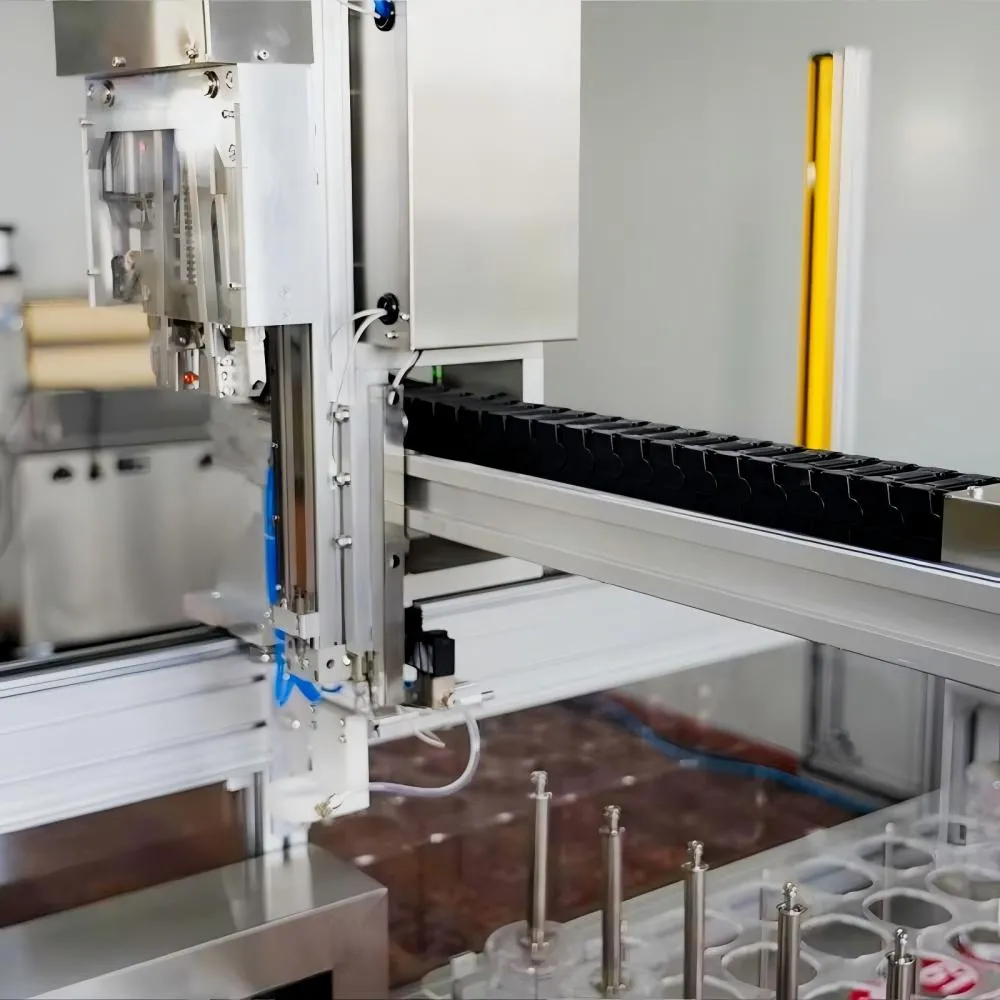
A practical validation flow should move from a good sample toward stable evidence under production conditions.
- Define the visual and functional acceptance criteria before the first formal review.
- Repeat approved samples at multiple time points, not only at first setup.
- Include startup, refill, purge, and pause conditions in the validation sequence.
- Measure both quality and throughput during pilot validation.
- Run reliability checks that match the product risk, such as thermal cycle, adhesion, insulation, or leak testing.
- Freeze approved settings and release the process only with handoff documentation.
This sequence gives the factory a launch package, not just a folder of sample photos.
Quantification Rules Engineers Should Watch
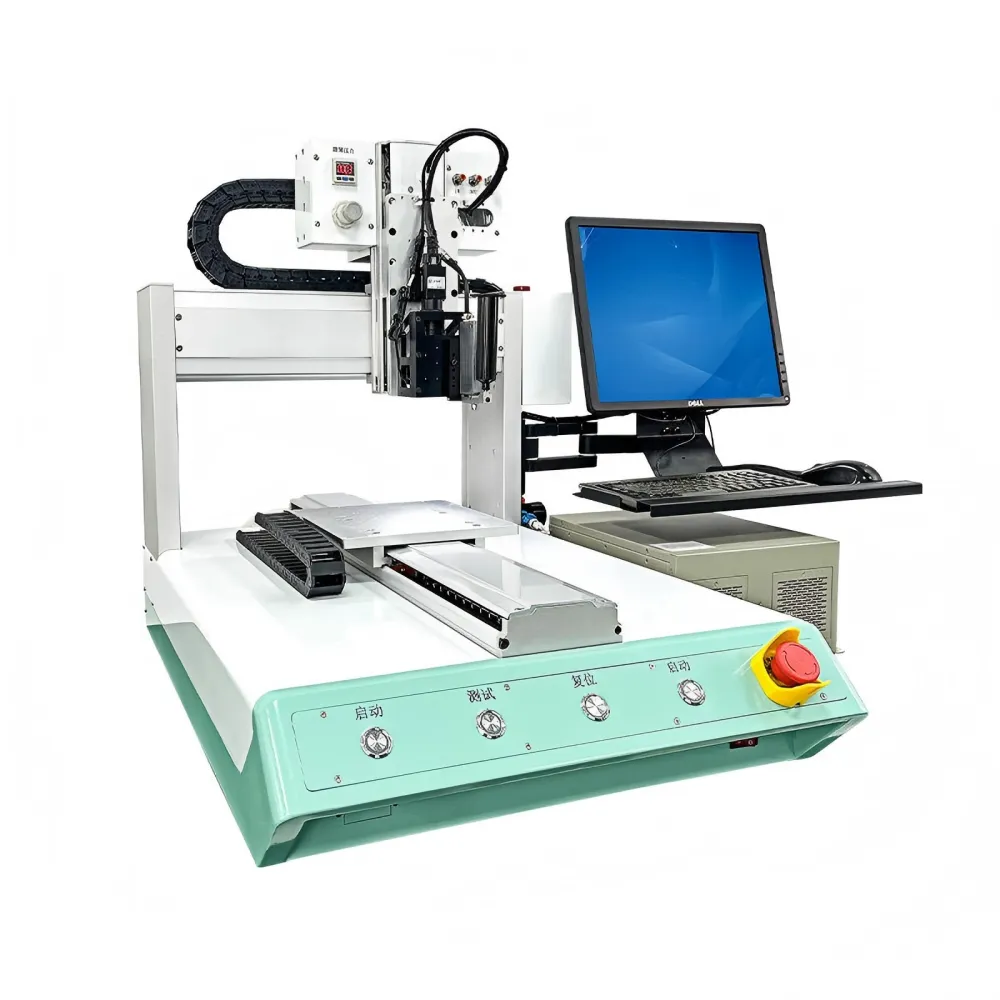
Validation becomes more useful when confidence is converted into numbers.
- approved sample count and reject count
- bead or shot measurement data
- cycle time and sustained output
- startup scrap and purge loss
- defect frequency during pilot run
- reliability pass rate
- final approved settings and material condition
These numbers matter both for release and for later root-cause analysis if the process drifts.
Decision Layer: Material, Process, Equipment, or Procurement?
| If you see this | Most likely layer | Why | Next step |
|---|---|---|---|
| One sample passes but later parts drift | Validation gap | repeatability was not proven | expand the validation run |
| Visual pass but field-simulated test fails | Functional validation gap | approval was too cosmetic | upgrade product-relevant testing |
| Pilot takt is fine but scrap rises | Production stability gap | speed is masking weak process control | review startup, operator, and purge losses |
| Supplier and factory disagree on readiness | Release criteria gap | success was not defined clearly | publish explicit release standard |
| Operators tune settings to keep the line alive | Handoff gap | the process was not controlled enough before release | strengthen SOP and parameter control |
Mass production should start from documented confidence, not from a promising feeling after a short demo.
Checklist Before Releasing a Dispensing Process to Mass Production
| Checklist item | Why it matters |
|---|---|
| Approve visual pass-fail criteria | Teams need one shared language for quality |
| Approve functional and reliability tests | A visual pass is not enough in many products |
| Run repeatability checks over time | One-time success is not production proof |
| Run pilot output with realistic sequence | Refill and startup losses matter |
| Freeze final machine and material parameters | The process needs a formal release condition |
| Prepare operator and maintenance SOPs | A stable launch depends on disciplined handoff |
| Define escalation rules for launch defects | Early issues should be handled with speed and clarity |
This checklist helps turn a promising trial into a production-ready dispensing process with less launch risk.
Related OBO Precision Guides
- How Should Buyers Prepare Samples for Dispensing Machine Testing?
- How Should Buyers Evaluate Dispensing Machine Repeatability Specifications?
- How Do You Calculate Cycle Time for an Automatic Dispensing Line?
- Contact OBO Precision for an engineering review
Validation Cluster Navigation
This article is part of OBO Precision’s mass-production dispensing validation cluster. Use the links below to move through release criteria, pilot data, FAT/SAT, SOP control, and the pillar guide.
- How Should Manufacturers Validate a Dispensing Process Before Mass Production?
- What Acceptance Criteria Should Be Set Before Dispensing Line Release?
- How Many Samples Are Enough for Dispensing Process Validation?
- How Should Buyers Review Pilot Run Data Before Equipment Acceptance?
- What Repeatability Data Matters Before Mass Production Launch?
- How Should Engineers Validate Potting Processes for Production Stability?
- What Defects Should Be Included in a Dispensing Validation Checklist?
- How Should FAT and SAT Be Structured for Dispensing Equipment?
- How Should Manufacturers Build a Dispensing SOP Before Production Release?
- Complete Guide to Dispensing Process Validation for Mass Production
Frequently Asked Questions
Is one approved sample enough to release a dispensing process?
No. Validation should prove repeatability, functional performance, and practical production stability.
Should pilot production be part of validation?
Yes. Pilot work often reveals startup, handling, and sequence losses that do not appear in a simple bench trial.
What should buyers ask suppliers for during validation?
They should ask for settings, assumptions, repeatability evidence, and the basis behind throughput claims.
Why does documentation matter so much before launch?
Because undocumented processes drift faster and create more confusion when problems appear later.
Need Help Building a Mass-Production Validation Plan?
If you are moving from sample approval to production launch, send the product drawing, material type, and acceptance criteria through our contact page for an engineering review. Contact OBO Precision.
References