
TIM overflow is usually an interface-balance problem rather than a simple dispensing mistake. The material may be deposited accurately, but if the volume, spread path, and compression behavior do not match the real interface, the excess has to go somewhere.
- Question answered: Why does TIM overflow happen after compression, and how should manufacturers prevent it?
- Best for: thermal engineers, process teams, and manufacturers troubleshooting squeeze-out or contamination in thermal interface assembly.
- Direct answer: TIM overflow after compression usually happens because the deposit volume is too high, the pattern is poorly distributed, the material spreads too easily under pressure, or the assembly gap and force do not match the deposited amount.
- Buyer readiness: L4 RFQ Ready to L5 Deployment
- Next step: Prepare the deposit volume, compression condition, material type, and overflow photos before asking for troubleshooting support.
Industrial Context and Buyer Readiness
This article maps TIM-overflow search intent to the interaction between deposit geometry, material rheology, and final assembly compression.
| Context | Details |
|---|---|
| Topic cluster | TIM Defect Cluster; Application Matrix Cluster; Process Optimization Content |
| Buyer readiness level | L4 RFQ Ready to L5 Deployment |
| Application scenario | power modules, EV cooling interfaces, LED thermal assemblies, industrial electronics cooling plates |
| Material scope | thermal grease, thermal gel, gap filler, filled thermal compounds |
| Process scope | pattern dispensing, compression spread, interface filling, overflow control, assembly validation |
| Equipment scope | dispensing pump, valve, robot, fixture, compression tooling, heated conditioning where needed |
| Defect or risk focus | overflow, squeeze-out, contamination, edge smear, and unstable final thermal thickness |
| Production goal | clean assembly, correct thermal fill, lower rework, and stable boundary control |
Entity Map for This Topic
| Entity group | Details |
|---|---|
| Material entities | thermal grease, thermal gel, gap filler, thermal compound |
| Process entities | dispensing, compression, spread, boundary control, thermal validation |
| Equipment entities | pump, valve, robot, fixture, compression assembly |
| Industry entities | EV, power electronics, LED, telecom |
| Defect entities | overflow, squeeze-out, smear, contamination, thickness instability |
| Measurement entities | deposit volume, gap size, compression force, spread width, overflow distance, thermal resistance |
Contents
- Direct answer
- Why this matters
- Application scenario matrix
- Engineering review points
- Decision layer
- Checklist
- FAQ
Why Does TIM Overflow Happen After Compression?
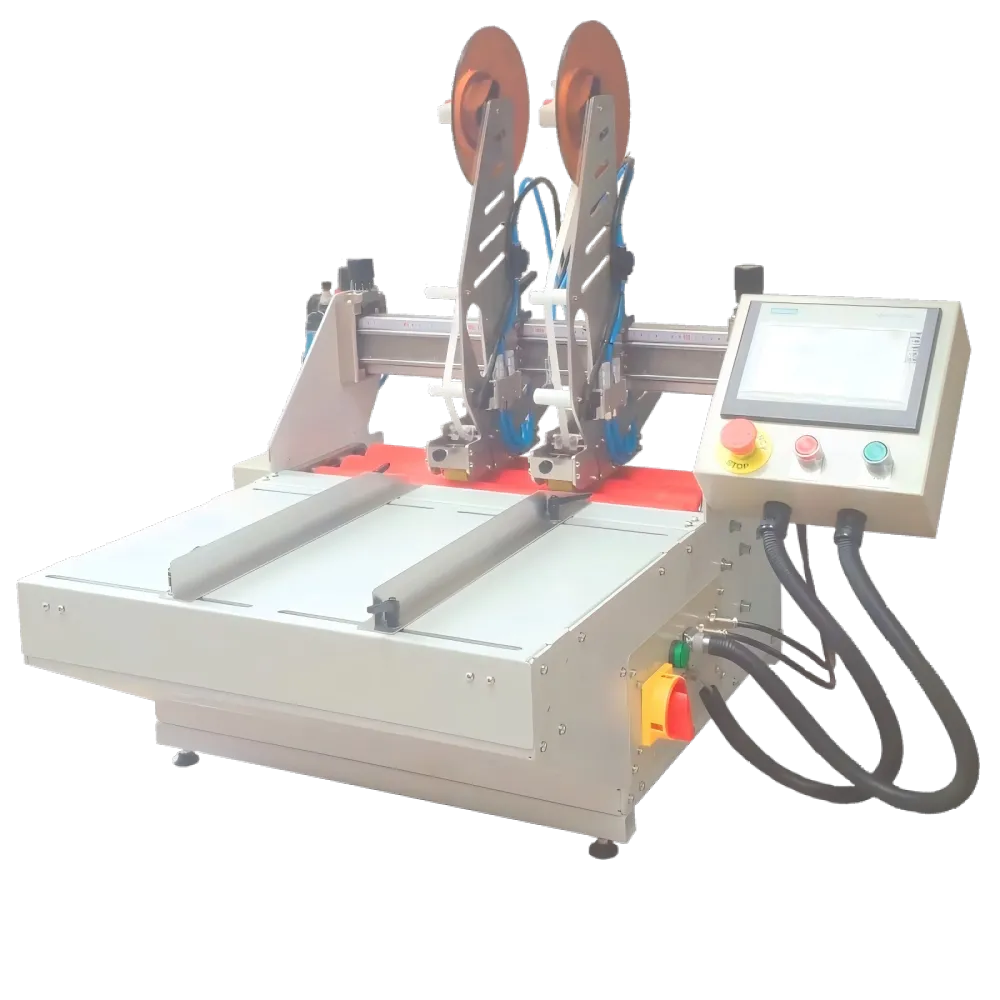
Overflow happens when the final interface cannot contain the material that was dispensed. This may come from too much total volume, but it can also come from a pattern that pushes the material into the wrong areas during compression.
That is why TIM overflow should be diagnosed in the assembled state. The real problem often sits in the relationship between spread behavior, gap geometry, and closure force.
Why This Topic Matters in Real Production
Overflow can contaminate screws, connectors, sealing areas, or nearby circuits, creating rework or reliability risk.
A process that avoids dry spots by adding more TIM may simply exchange one failure mode for another.
For buyers, this topic highlights why application-specific pattern engineering matters in thermal interface work.
Common Reasons TIM Overflows After Compression
| Cause | What happens | Typical sign | Corrective action |
|---|---|---|---|
| Too much deposit volume | the interface cannot contain the material | large squeeze-out around edges | recalculate target volume |
| Pattern concentrated in the wrong zone | material is pushed outward unevenly | overflow at one side or corner | redistribute the pattern |
| Material spreads too easily | compression makes the TIM travel farther than expected | thin edge smear | review viscosity and conditioning |
| Assembly force is too high | the interface is compressed more than planned | overflow grows with torque or closure force | stabilize assembly load |
| Gap is smaller than assumed | less internal volume is available | overflow on parts with tighter tolerance | review actual gap and flatness |
| Compression path traps and redirects material | the spread route is not balanced | localized squeeze-out | review closure sequence and geometry |
Overflow control usually improves fastest when engineers validate volume and pattern against the real compressed interface, not just the deposit before assembly.
Application Scenario Matrix
| Application | Typical overflow pattern | Main driver | What to validate first |
|---|---|---|---|
| Power modules | edge squeeze-out | excess volume in thin interfaces | volume and compression force |
| EV cooling plates | corner overflow | pattern distribution and tolerance variation | zone layout and gap mapping |
| LED heat sinks | one-side smear | uneven closure path | assembly sequence and spread path |
| Telecom modules | fine contamination around boundaries | low-viscosity spread | material condition and boundary margin |
| Industrial controllers | random overflow variation | process inconsistency | timing and assembly standardization |
The same overflow complaint may come from different combinations of pattern, gap, and material condition depending on the product.
Engineering Review Points
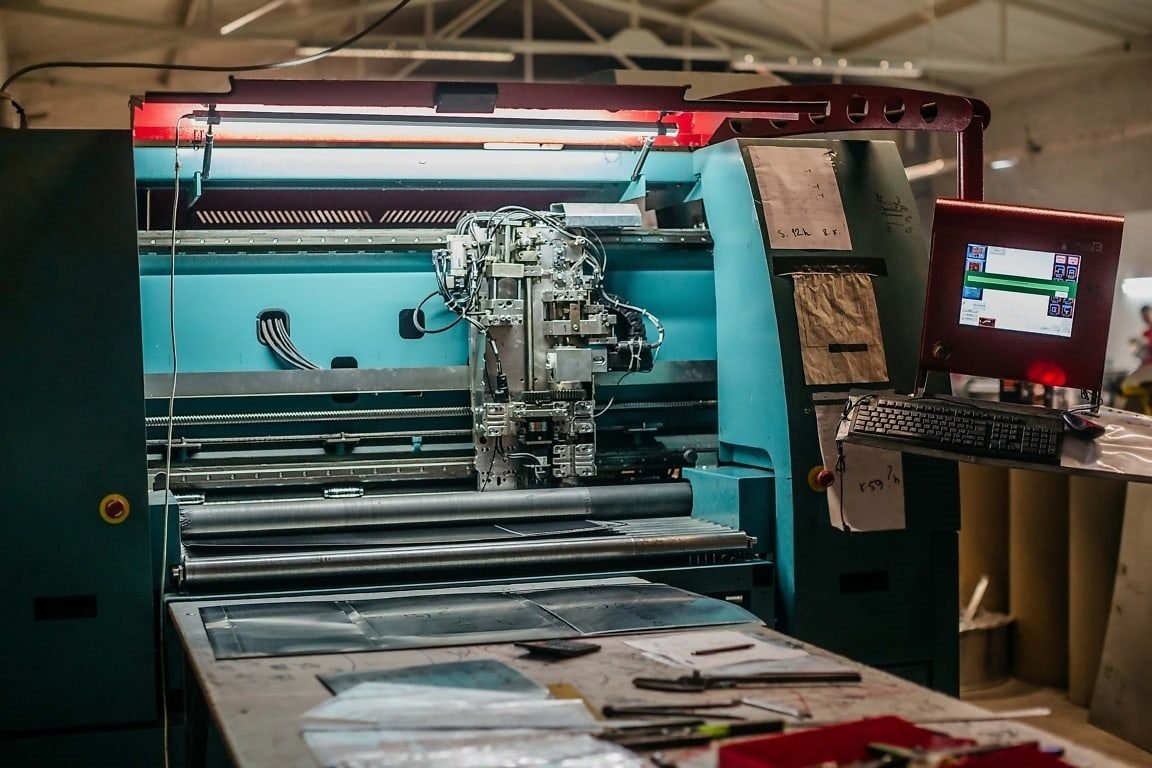
A useful overflow review should focus on the final boundary behavior after assembly closes.
- Measure the actual deposited volume, not only the setpoint.
- Inspect where the overflow appears relative to the pattern and the gap geometry.
- Check whether assembly force or closure sequence changes the overflow pattern.
- Compare the result with slightly reduced volume and with redistributed pattern zoning.
- Review whether temperature or material conditioning is making the TIM spread more than expected.
- Validate whether less overflow can be achieved without creating dry spots or higher thermal resistance.
This approach usually finds a better balance between thermal coverage and assembly cleanliness.
Quantification Rules Engineers Should Watch
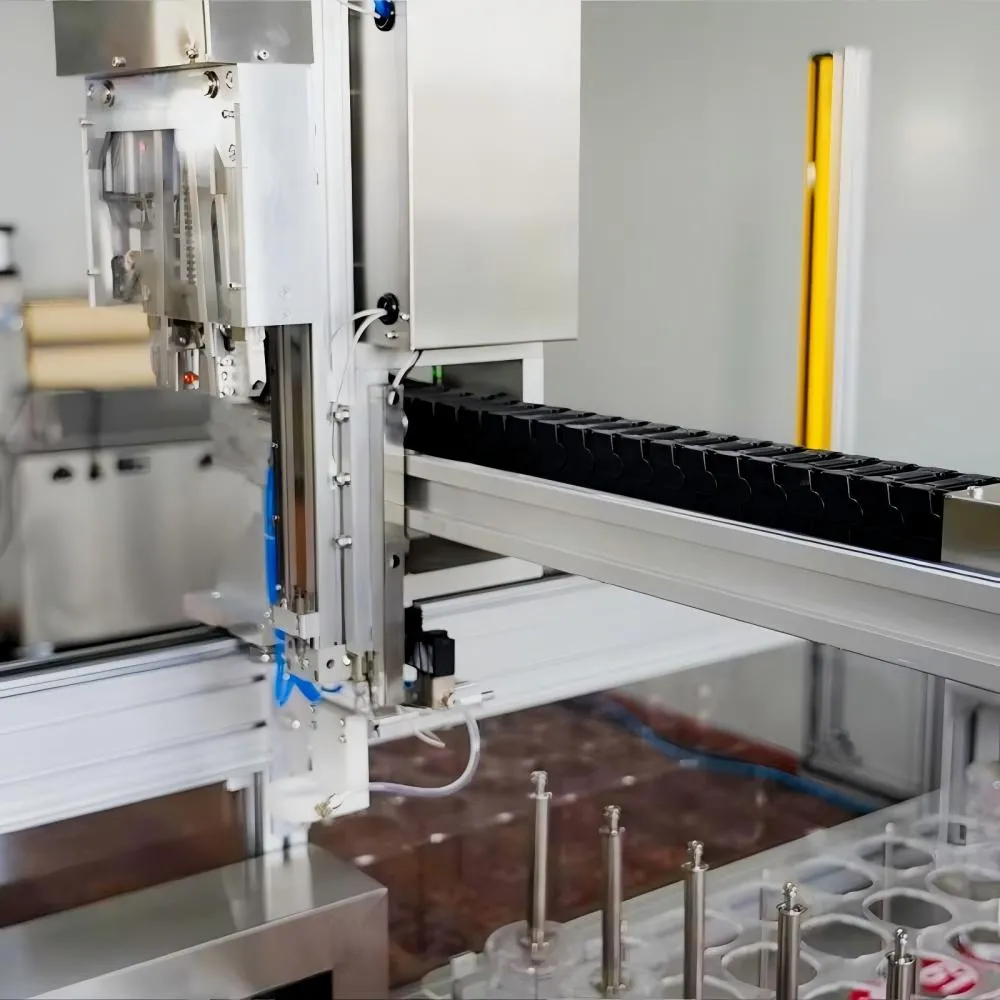
TIM overflow should be controlled with measured interface numbers, not visual guesswork alone.
- actual deposited volume
- nominal and actual gap size
- assembly force or torque
- spread width after compression
- overflow distance beyond the target boundary
- material viscosity at process temperature
- thermal result after overflow adjustment
These measurements help teams reduce overflow without sacrificing the thermal path they need.
Decision Layer: Material, Process, Equipment, or Procurement?
| If you see this | Most likely layer | Why | Next step |
|---|---|---|---|
| Overflow disappears when volume drops slightly | Pattern volume issue | the process is overfilled | optimize volume first |
| Overflow stays but thermal result also falls when volume drops | Pattern geometry issue | distribution may be wrong rather than total volume | review zoning |
| Only certain assemblies overflow | Tolerance and gap issue | the actual interface may be smaller | review real-gap variation |
| Overflow grows when material is warmer | Material conditioning | spread behavior is changing | tighten temperature control |
| Overflow varies by operator | Assembly process issue | compression path may be inconsistent | standardize closure method |
The best overflow fix is one that keeps thermal function intact while bringing the boundary back under control.
Checklist Before Troubleshooting TIM Overflow
| Checklist item | Why it matters |
|---|---|
| Measure actual deposit volume | Setpoint alone is not enough |
| Record where overflow appears | Location tells you whether layout or volume is the main issue |
| Record assembly force or closure sequence | Overflow is strongly tied to compression |
| Record material temperature | Spread behavior changes with viscosity |
| Review actual gap and tolerance | The interface may be smaller than assumed |
| Compare thermal result after adjustments | Overflow reduction should not create dry spots |
| Check pattern distribution before reducing volume too aggressively | Layout often matters as much as quantity |
These steps keep the troubleshooting grounded in interface function rather than in guesswork.
Related OBO Precision Guides
- How Do You Control Gap Filling Accuracy in TIM Applications?
- How Do You Prevent Voids in Thermal Interface Material Dispensing?
- Thermal Gel vs Thermal Grease: Which Dispensing Process Fits Better?
- Contact OBO Precision for an engineering review
TIM Cluster Navigation
This article is part of OBO Precision’s thermal interface material dispensing cluster. Use the links below to move through material comparison, defect control, equipment selection, EV application risk, and the pillar guide.
- How Should Engineers Choose a Dispensing Process for Thermal Interface Materials?
- Thermal Gel vs Thermal Grease: Which Dispensing Process Fits Better?
- How Do You Prevent Voids in Thermal Interface Material Dispensing?
- How Should Buyers Choose a Pump for TIM Dispensing?
- When Is Heating Necessary for Thermal Interface Material Dispensing?
- How Do You Control Gap Filling Accuracy in TIM Applications?
- Why Does TIM Overflow Happen After Compression?
- How Should Engineers Validate Thermal Performance After TIM Dispensing?
- What Process Risks Matter Most in EV Thermal Interface Dispensing?
- Complete Guide to Thermal Interface Material Dispensing
Frequently Asked Questions
Is TIM overflow always caused by too much material?
No. It can also be caused by poor pattern distribution, unexpected gap size, or compression behavior that pushes the material outward unevenly.
Should we simply reduce volume to stop overflow?
Not always. A lower volume can stop overflow but create dry spots or poor thermal contact if the real issue is pattern layout.
Can warmer TIM cause more overflow?
Yes. Lower viscosity can make some materials spread farther under compression.
Should overflow be judged before or after assembly?
After assembly, because the final compressed state is what determines the actual boundary behavior.
Need Help Reducing TIM Overflow After Compression?
If your thermal interface process is creating squeeze-out or contamination, send the pattern, volume, and compression details through our contact page for an engineering review. Contact OBO Precision.
References