
Repeatability is one of the most abused words in dispensing equipment sales. A machine can have good motion repeatability and still produce unstable beads if the valve, feed system, purge logic, or material handling are not controlled equally well.
- Question answered: How should buyers evaluate dispensing machine repeatability specifications?
- Best for: buyers, project managers, process engineers, and factory teams comparing dispensing equipment proposals.
- Direct answer: Buyers should treat repeatability claims as test-condition statements, not universal truths. They need to ask what was measured, on what material, with what path, over how many cycles, and whether the claim covers motion only or actual dispensing output.
- Buyer readiness: L3 Selecting to L4 RFQ Ready
- Next step: Ask suppliers to break repeatability into path accuracy, shot repeatability, bead consistency, and long-run stability before comparing quotations.
Industrial Context and Buyer Readiness
This article maps repeatability-focused buying intent to the practical engineering questions that separate brochure claims from production reality.
| Context | Details |
|---|---|
| Topic cluster | Procurement Cluster; Dispensing Equipment Cluster; EEAT Decision Content |
| Buyer readiness level | L3 Selecting to L4 RFQ Ready |
| Application scenario | dot dispensing, bead dispensing, potting, gasket dispensing, electronics assembly, inline automation |
| Material scope | epoxy, silicone, polyurethane, UV adhesive, conductive adhesive |
| Process scope | robot motion, shot delivery, path control, long-run stability, production validation |
| Equipment scope | dispensing robot, valve, pump, controller, vision alignment, fixture system |
| Defect or risk focus | misleading specs, inconsistent output, poor bead placement, unstable shot volume, and bad procurement decisions |
| Production goal | credible machine comparison, lower purchasing risk, and repeatable production quality |
Entity Map for This Topic
| Entity group | Details |
|---|---|
| Material entities | epoxy, silicone, PU, UV adhesive, conductive adhesive |
| Process entities | dispensing, path tracking, shot consistency, long-run validation, calibration |
| Equipment entities | dispensing robot, valve, pump, controller, fixture, vision system |
| Industry entities | electronics, automotive, EV, LED, industrial automation |
| Defect entities | repeatability drift, bead variation, shot inconsistency, misplaced dots |
| Measurement entities | repeatability, positional accuracy, bead width, shot weight, cycle count, drift |
Contents
- Direct answer
- Why this matters
- Application scenario matrix
- Engineering review points
- Decision layer
- Checklist
- FAQ
How Should Buyers Evaluate Dispensing Machine Repeatability Specifications?
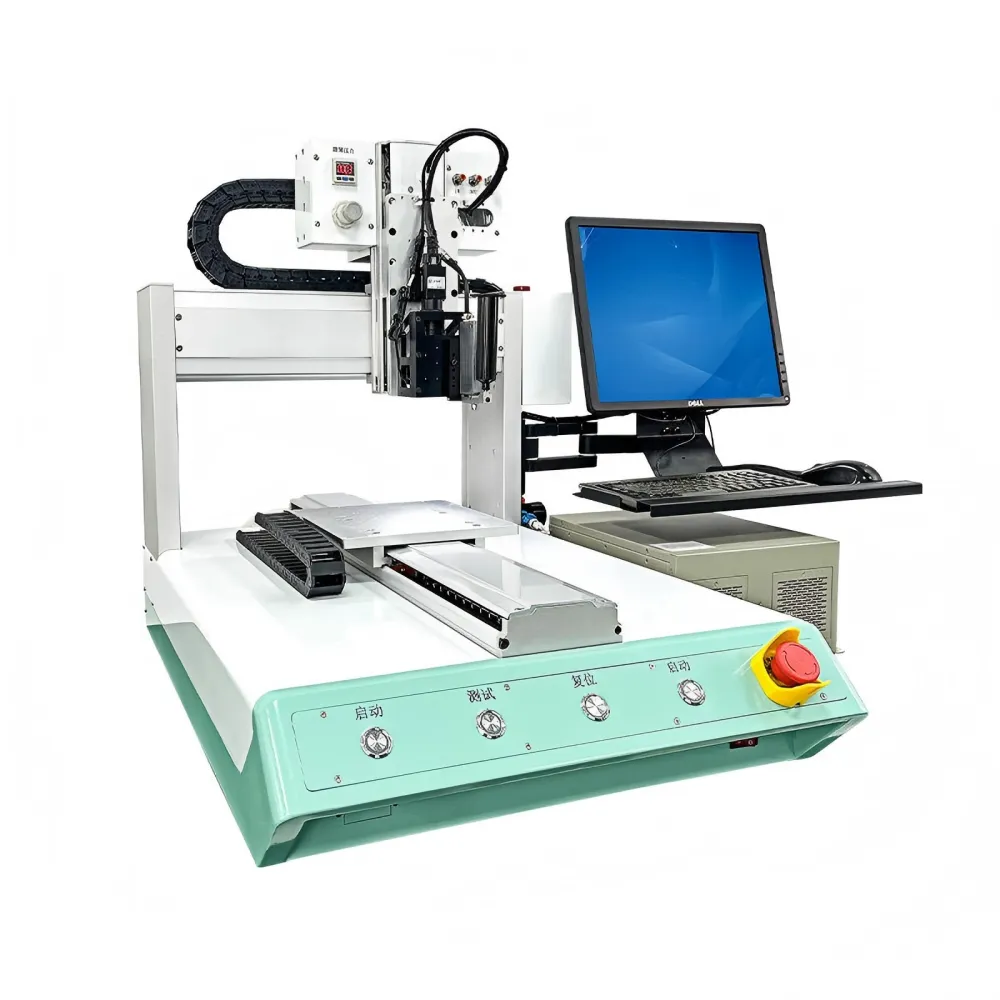
Repeatability in a catalog often describes how precisely the motion system can return to a point under a defined condition. That is useful, but it is not the same as repeatable adhesive output on a real part after hours of production.
Buyers should separate repeatability into at least four layers: path repeatability, shot repeatability, bead profile repeatability, and long-run production stability. A serious supplier should be able to discuss all four.
Why This Topic Matters in Real Production
If buyers focus only on one motion number, they may pay for a machine that looks precise but still wastes material and creates rework.
Repeatability directly affects quality cost, process capability, and the true value of automation.
In industrial SEO terms, repeatability is also a decision keyword that often signals a buyer is already in active supplier comparison mode.
What Buyers Should Ask When a Supplier Quotes Repeatability
| Specification area | What it may mean | Risk if unclear | Buyer question |
|---|---|---|---|
| Motion repeatability | how well the robot returns to a point | does not prove fluid output stability | Was this measured dry or with material? |
| Shot repeatability | consistency of each dot or shot | can drift with material condition | What material and shot size were used? |
| Bead profile repeatability | uniformity of line width and height | often omitted from specs | Do you have bead measurement data over a full run? |
| Long-run stability | behavior after hours of production | startup and wear problems stay hidden | What happens after 1,000 or 10,000 cycles? |
| Fixture and vision influence | repeatability of the whole process | machine claim may ignore part variation | What external conditions are assumed in the test? |
A repeatability number is useful only when the buyer can see the test condition behind it.
Application Scenario Matrix
| Application | What repeatability really means | Main hidden risk | What to request |
|---|---|---|---|
| PCB dots | tiny shot placement and size consistency | material output drift | sample data with real adhesive |
| FIPG bead | line width and edge control | continuous flow instability | bead cross-section data |
| Potting | fill volume and position consistency | ratio and flow drift | multi-sample weight data |
| Inline automation | process stability over time | vision and fixture variation | shift-length validation |
| High-volume products | repeatability under wear | performance changes after long use | durability and maintenance data |
Repeatability should always be defined through the application, not only by a generic machine-axis number.
Engineering Review Points
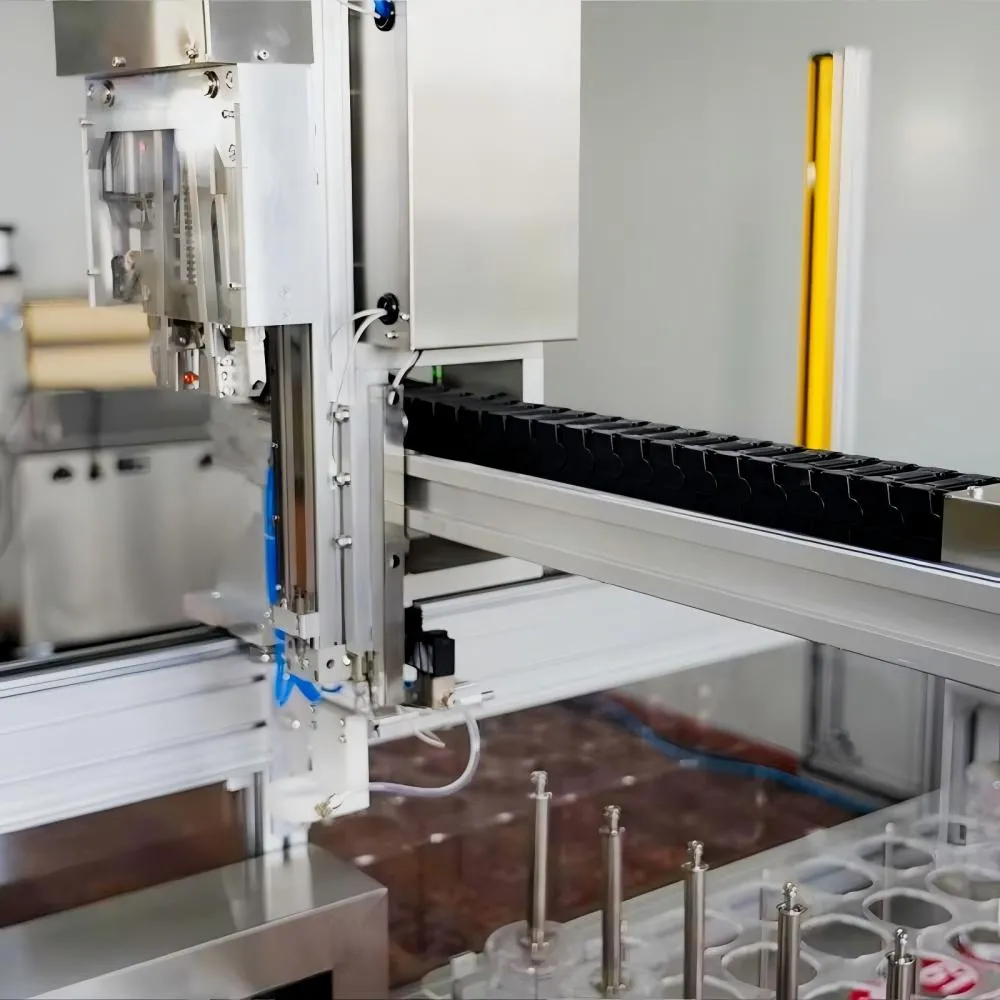
A serious repeatability review asks what was measured and under what stress conditions.
- Separate motion repeatability from real dispensing repeatability.
- Ask whether the supplier measured with your material or only with a dry axis test.
- Review how fixture, vision alignment, and part tolerance affect the practical output.
- Ask for repeated samples across a longer run, not only the best first five pieces.
- Check whether maintenance, purge, and startup behavior alter repeatability during shift operation.
- Compare the specification against your product tolerance, not against the machine brochure alone.
That review often reveals that the best supplier is the one who explains the limits honestly, not the one who quotes the smallest number first.
Quantification Rules Engineers Should Watch
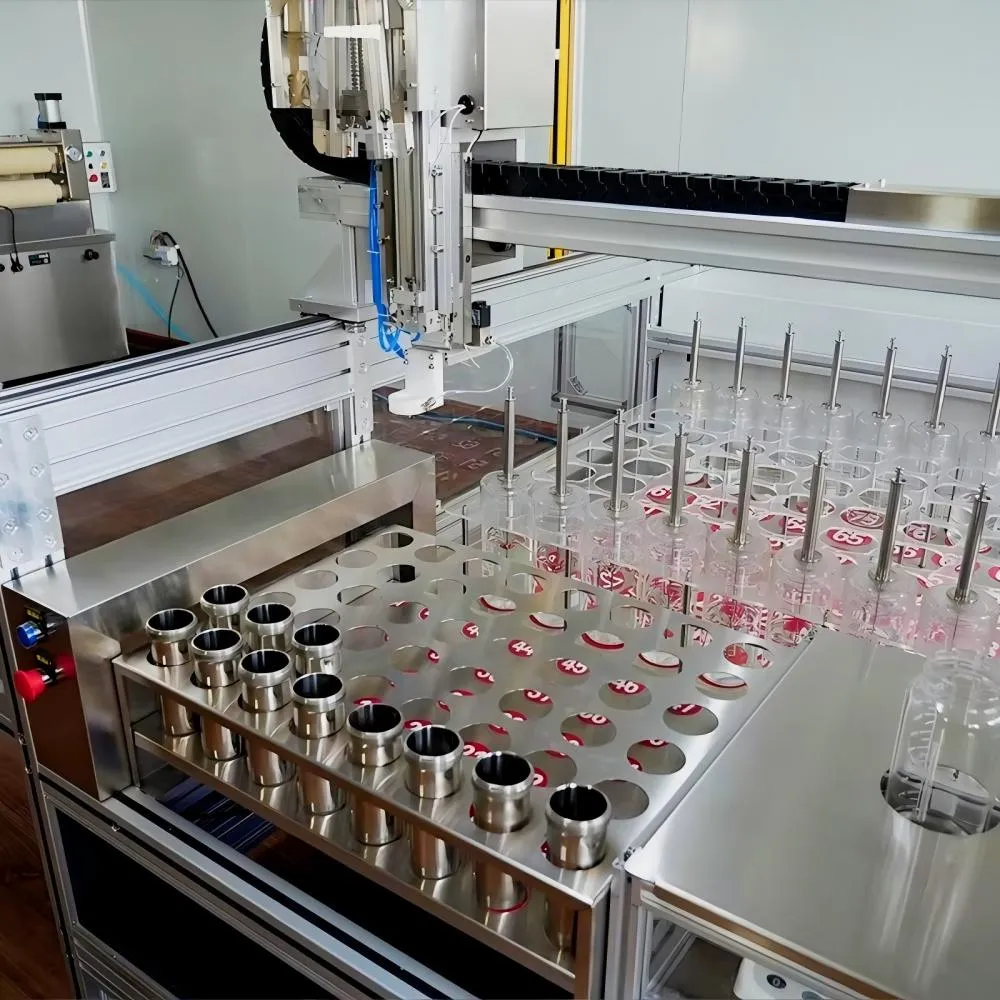
Repeatability discussions should be tied to measurable production evidence.
- path repeatability under load
- shot weight variation across multiple cycles
- bead width and height distribution
- test material viscosity and temperature
- cycle count during the validation run
- drift before and after maintenance interval
- fixture or vision contribution to final tolerance
Those numbers create a more complete picture of whether a machine can really meet process capability requirements.
Decision Layer: Material, Process, Equipment, or Procurement?
| If you see this | Most likely layer | Why | Next step |
|---|---|---|---|
| The path is accurate but bead size drifts | Fluid process | Output repeatability is the real limit | Review valve, pump, and material handling |
| Early samples pass but later ones fail | Long-run stability | Wear or purge behavior may be the problem | Ask for extended-cycle validation |
| Supplier only quotes axis repeatability | Procurement risk | The process-level data may be weak | Request output-level evidence before comparing price |
| The product tolerance is loose | Buying strategy | A premium motion platform may be unnecessary | Balance cost against real quality need |
| Vision and fixtures dominate placement | System design | Robot repeatability alone is not the main issue | Evaluate the whole cell, not only the robot |
Buyers should purchase process capability, not just a number from a datasheet.
Checklist Before Comparing Repeatability Claims
| Checklist item | Why it matters |
|---|---|
| Ask whether the number refers to dry motion or real dispensing | The difference is critical in fluid automation |
| Ask what material was used in the test | Material behavior changes output consistency |
| Ask how many cycles were included | Short tests can hide drift |
| Ask for bead or shot measurement data | Output evidence matters more than brochure language |
| Ask for maintenance interval assumptions | Wear changes repeatability over time |
| Compare the data to your product tolerance | The smallest number is not always the best buying decision |
| Request a sample test with your product if possible | Application-specific evidence reduces purchasing risk |
This checklist helps turn a vague marketing spec into a real buying decision with lower risk.
Related OBO Precision Guides
- How To Evaluate A Dispensing Machine Manufacturer?
- When Is a Dispensing Robot Better Than a Manual Glue Dispenser?
- 3-Axis Dispensing Robot: What Specs Should You Evaluate?
- Contact OBO Precision for an engineering review
Frequently Asked Questions
Is repeatability the same as accuracy?
No. Accuracy is closeness to the target. Repeatability is how consistently the system returns to the same result over multiple cycles.
Should buyers trust a small repeatability number automatically?
No. They should ask what was measured, with what material, and over how many cycles.
Can a machine have good motion repeatability but poor dispensing repeatability?
Yes. The fluid process can still drift even if the robot motion itself is stable.
What is the best evidence for practical repeatability?
Sample data using the real material and product geometry over a meaningful cycle count is usually the most useful evidence.
Need Help Comparing Dispensing Machine Proposals?
If you are reviewing repeatability claims from multiple suppliers, send the quotations and process target through our contact page for a more practical comparison framework. Contact OBO Precision.
References